
Dateline July 13, 2011, Dawson City and Whitehorse, Yukon
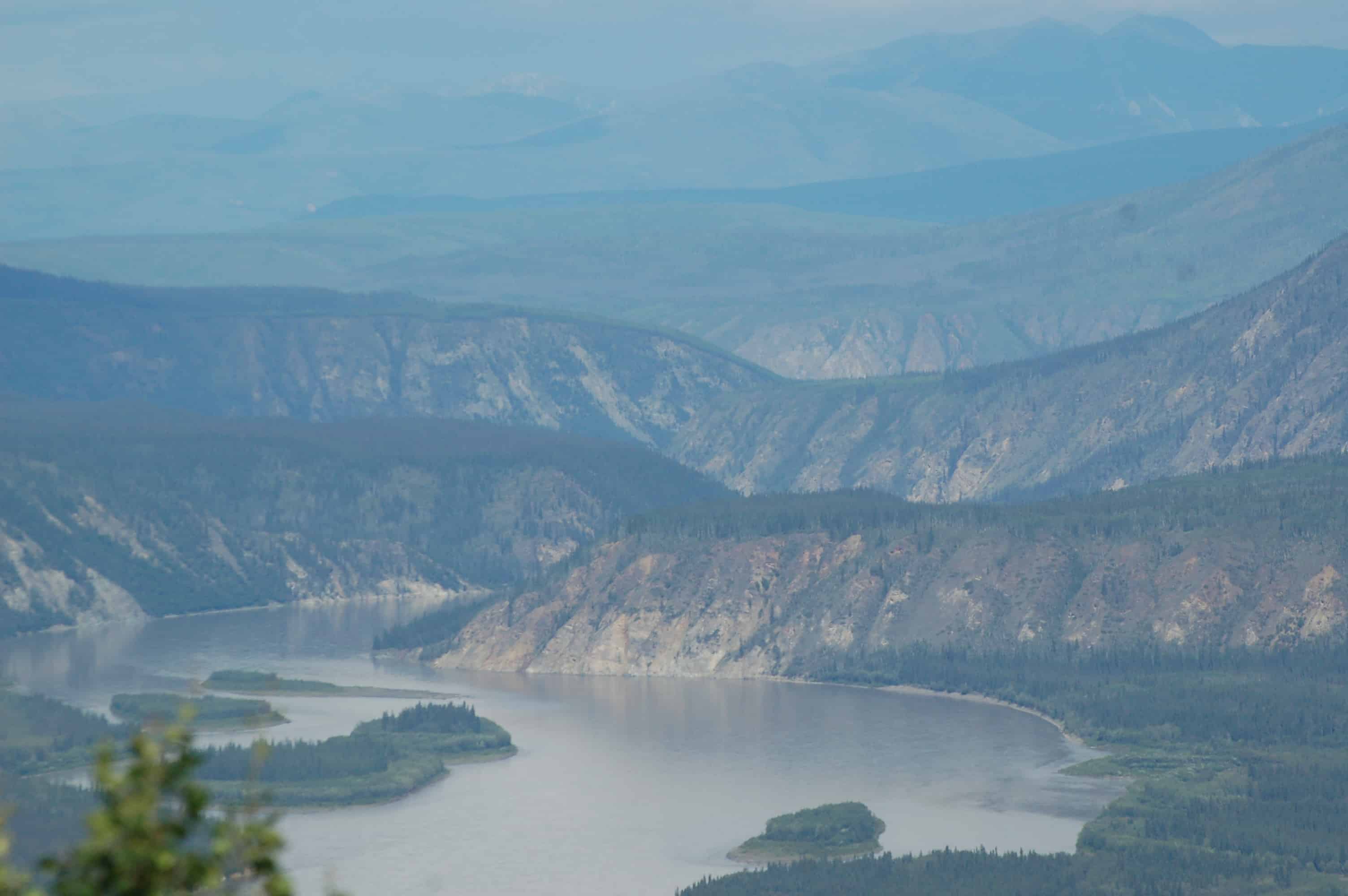
Dawson City's history and stories bring all of us back to a level of excitement that was a part of our youth. Jack London's "The Call of the Wild." Robert Service's poems, "The Shooting of Dan McGrew" with the gal named Lou and Dangerous Dan, and "The Cremation of Sam McGee." All the stories about the Klondike gold rush, plus James Michener's "Alaska," have given us a colorful picture of the people who came to Dawson City to strike it rich.
Over 100,000 stampeders tried to make the trip, but only 20,000 actually completed it. London's fictional dog Buck gives the best glimpse of the difficulties of the Yukon at fifty below. Few prospectors made any real money from the gold, but the stories became legend.
Today there are again many individuals seeking their fortune mining for gold, and corporations too. One miner we met had been on the Discovery Channel show Gold Rush. He told us that last year he had to leave because of the weather, and the show's director and producer ended up with the gold. Now he was back with his son, mining again. He said he was finding plenty and doing very well. When Janice asked him where exactly he was working, he would not say. He did mention that he had been finding woolly mammoth remains and tusks. Janice noted that those were normally found in dried-up riverbeds. He went silent and walked off without another word.
Gold miners of the 21st century, they have not changed. We toured the city and it was amazing.
The interpretive stories were told by the resident curators at the various sites, and you came away with a real sense of the history. We went to the Jack London Museum, which holds his cabin from his time up here.
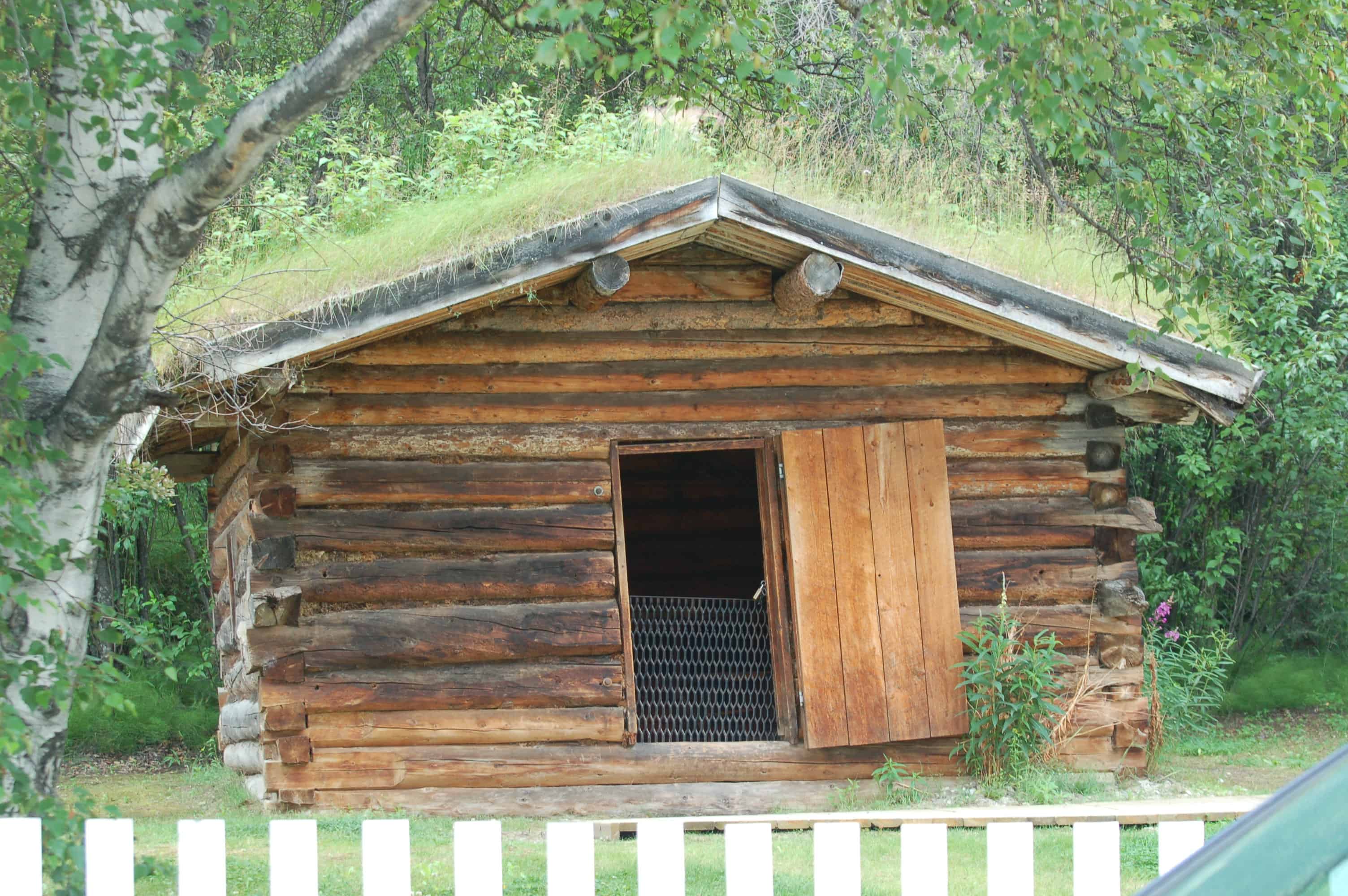
The cabin was simple, but after living in our RV it looked like a mansion, all of 16 by 16 feet. He didn't have the convection oven or sat TV, of course. The woman doing the interpretive presentation on London's time in the north was fascinating. She brought it all to life.
It was particularly interesting to John because back when we had our wine business, our dear family friend Betty Lou Bond introduced John to Milo Shepard, who ran the Jack London Ranch and was London's grand-nephew. Milo took the time to walk John around the whole ranch in Glen Ellen, California, along with all of the old buildings that London had built to make the place a self-sustaining farm. The grapes grown at the ranch today are under a long-term contract with Kenwood Vineyards, and you will see the wine in your local store as the Jack London Cabernet. It brought the Jack London history full circle for John, fun to have a closeness to it by the old six degrees of separation.
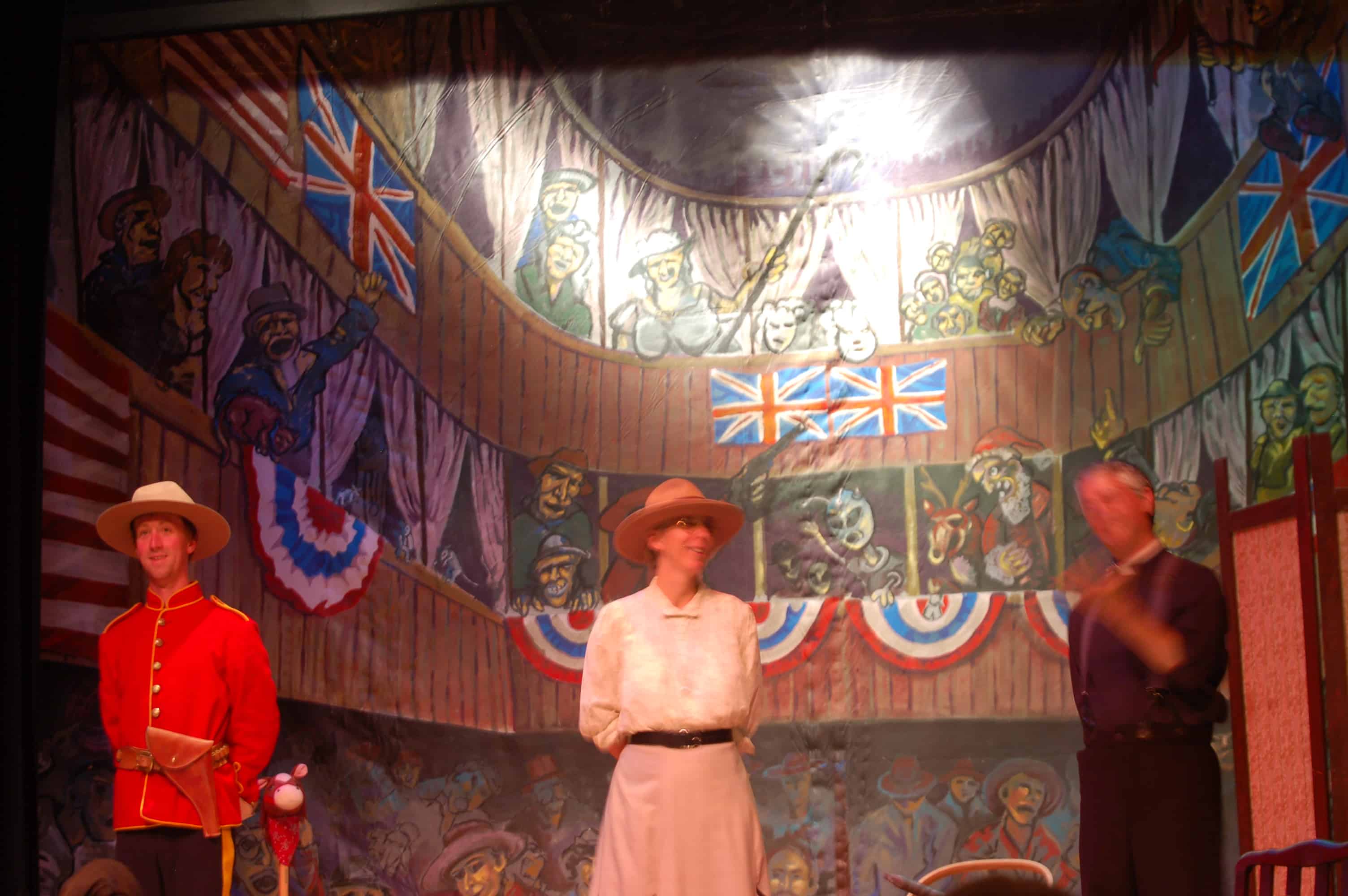
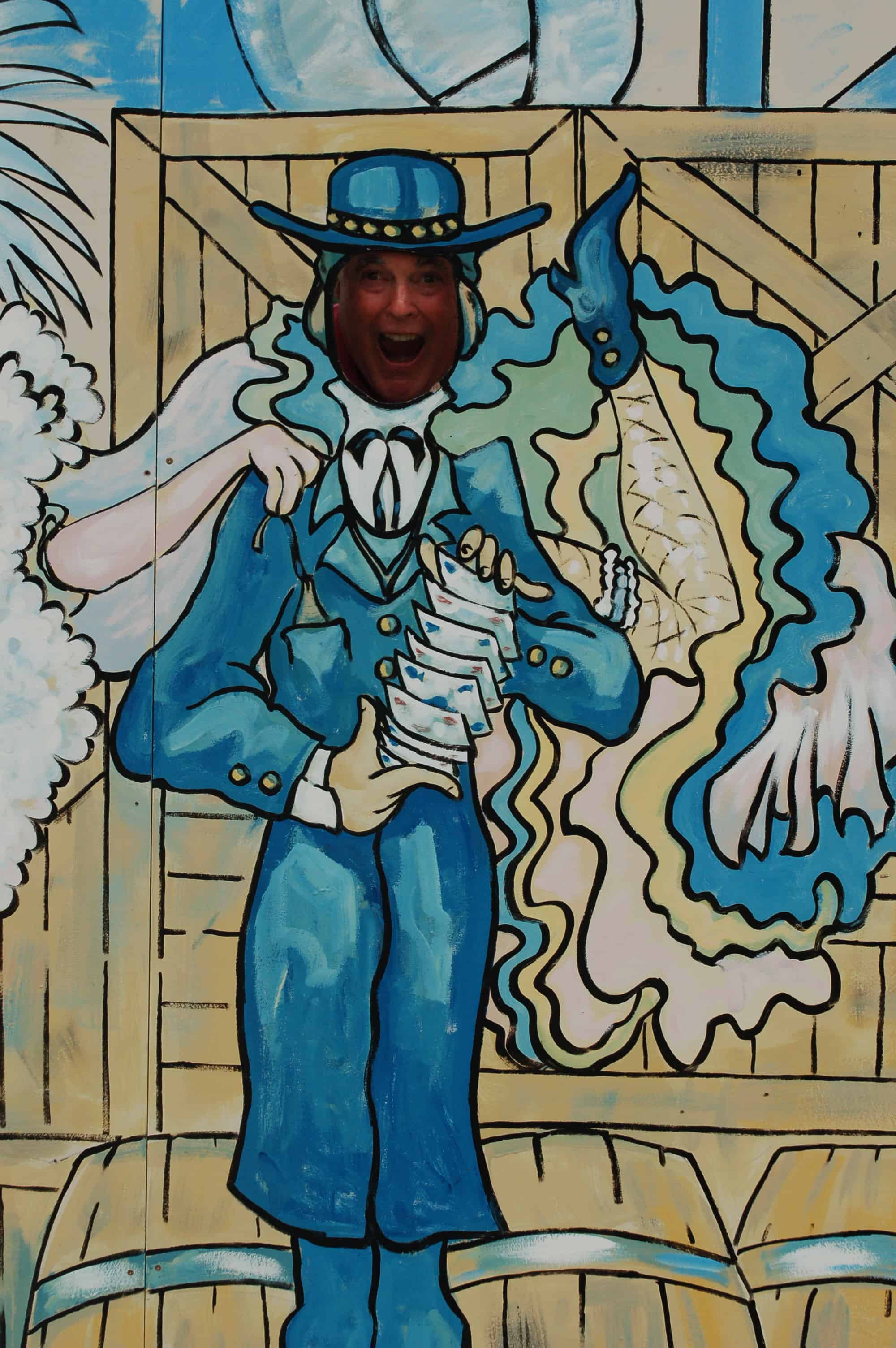
We went to Diamond Tooth Gertie's, the dance and gambling hall of Dawson City.
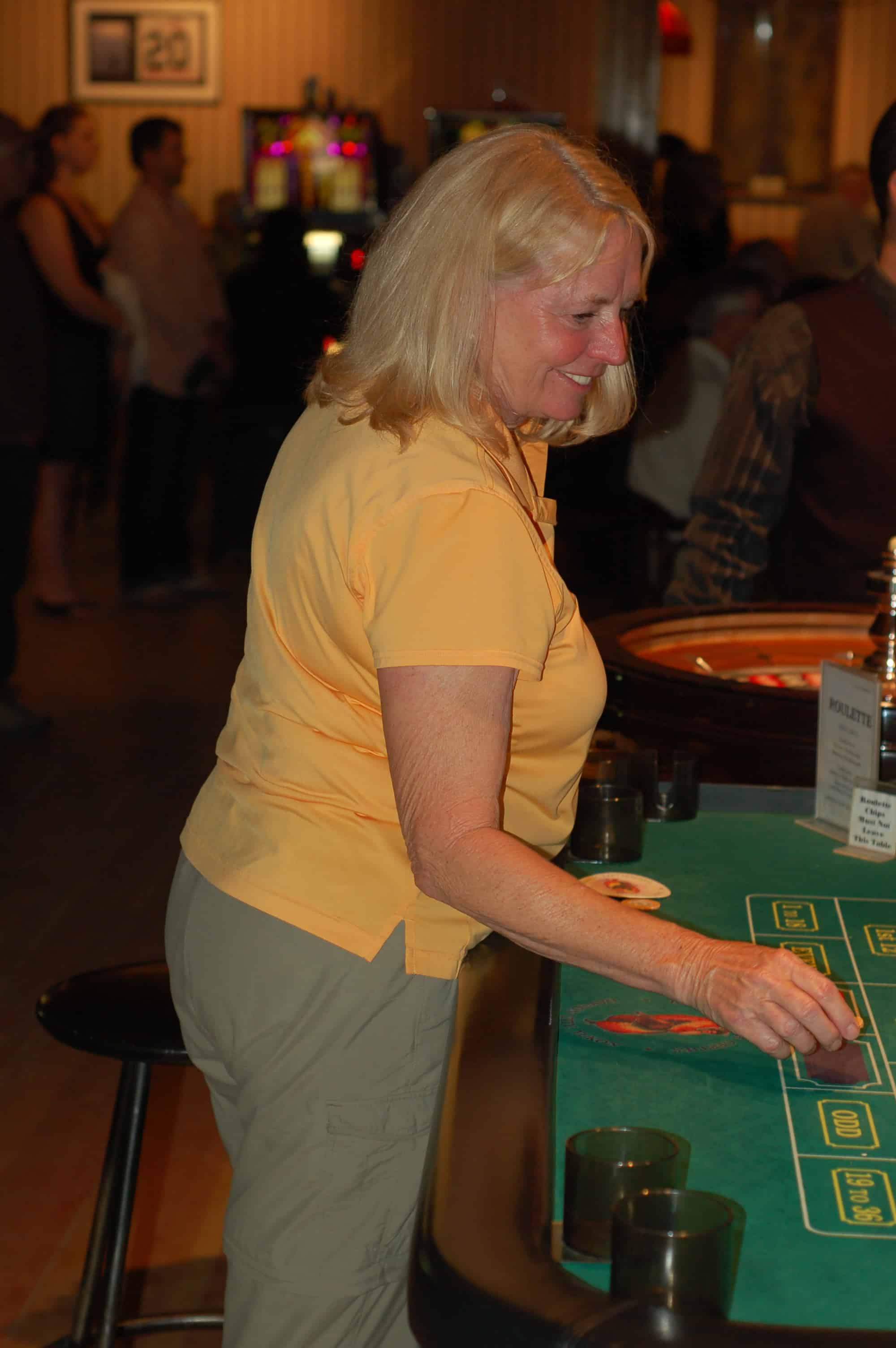
The performance was fun, and of course Janice could not resist rolling the ball a few times at the roulette table. Travel has many options, and Rotel Tours, from Germany, takes the award for "different."
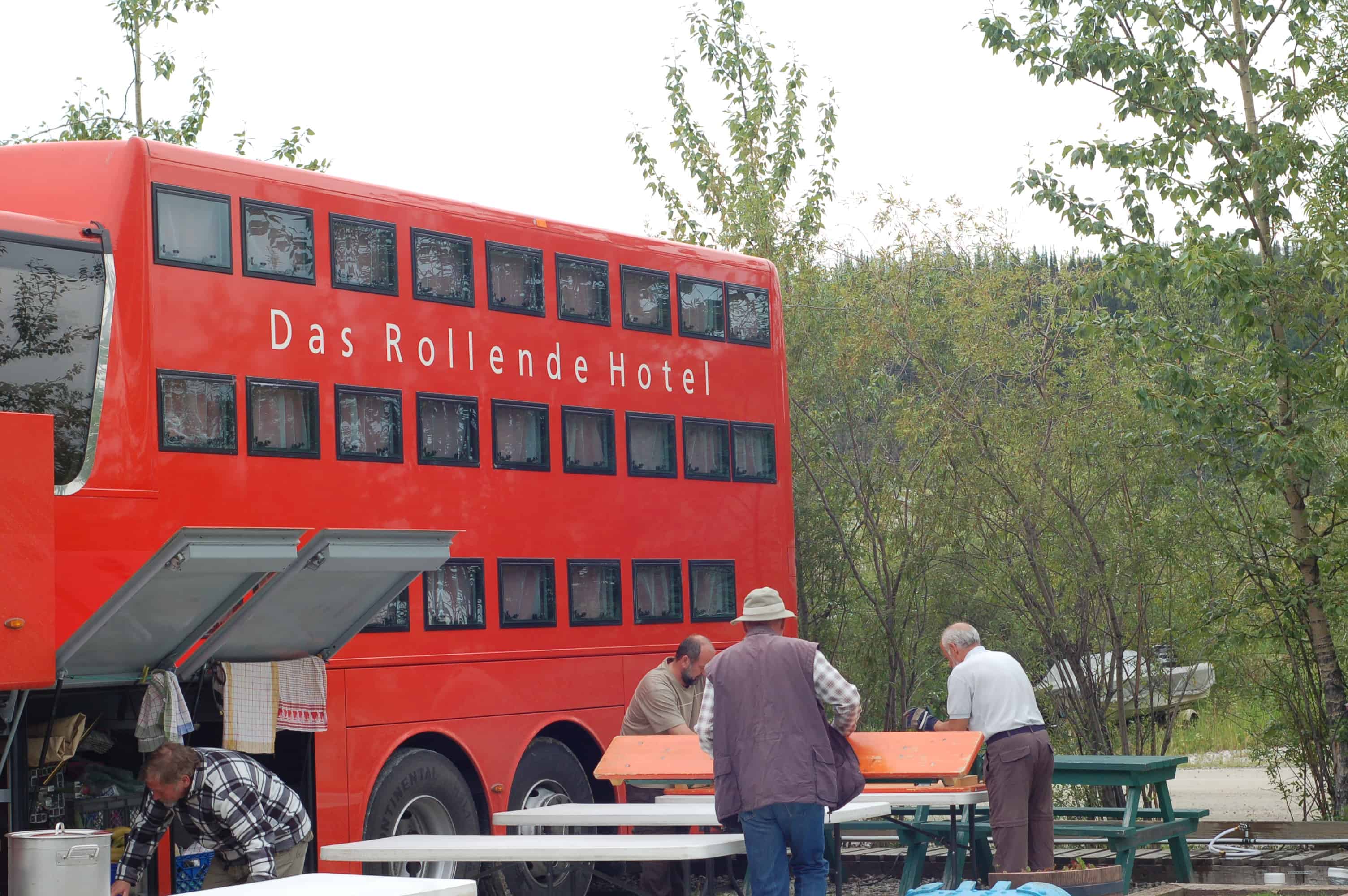
Twenty three people ride and sleep on this bus. They share in the food preparation and service, and at night each one sleeps in a cubicle measuring seven feet by thirty inches by thirty inches. What a life. Evidently they have these tour buses all over the world.
We then traveled south to Whitehorse.
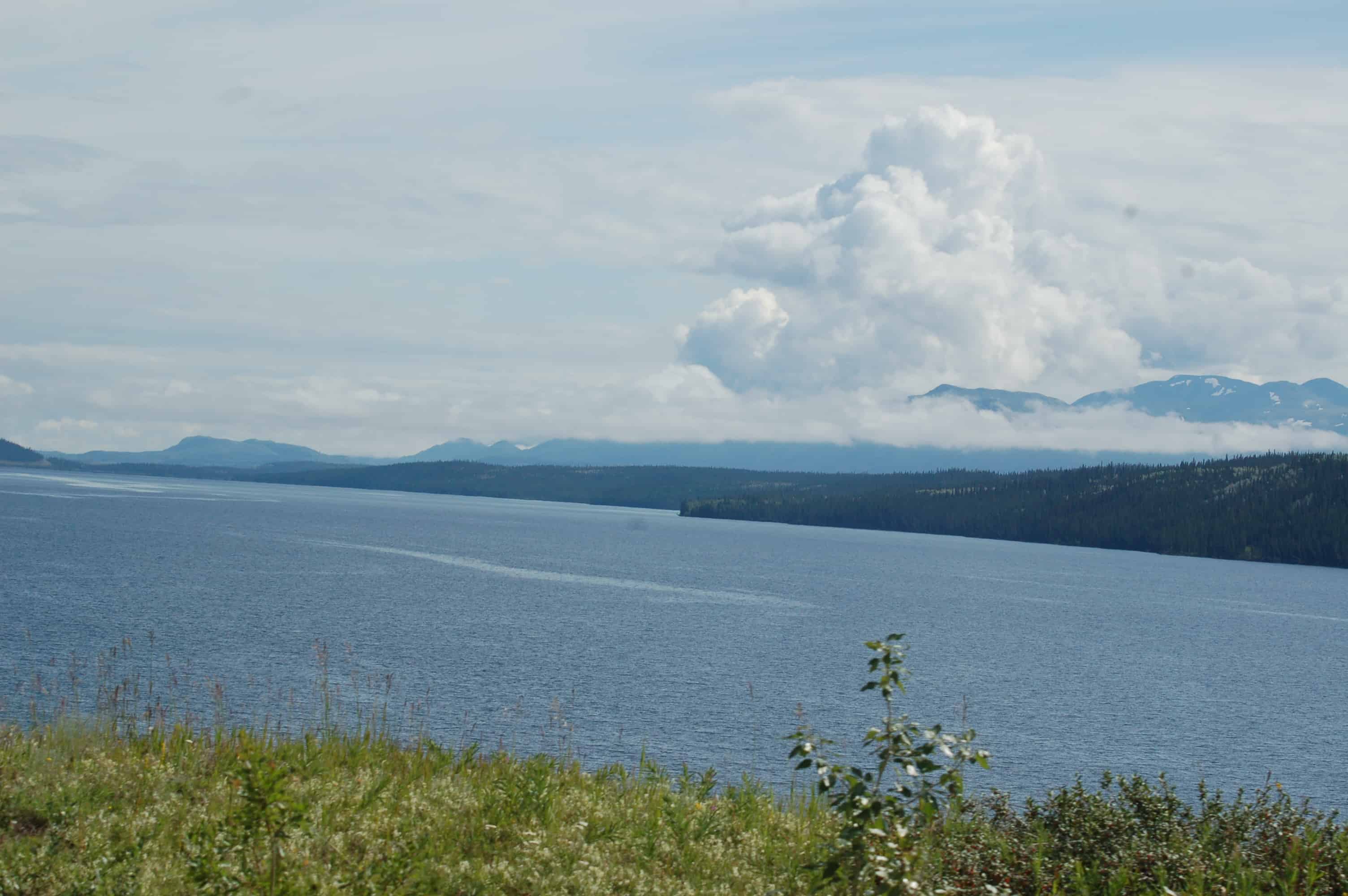
Whitehorse was the first destination of the gold rush, before the strikes pulled people on up to Dawson City. It is the capital of the Yukon, with a population of 26,000. Driving down the highway from Dawson City, we had been told to stop at Mom's Bakery,
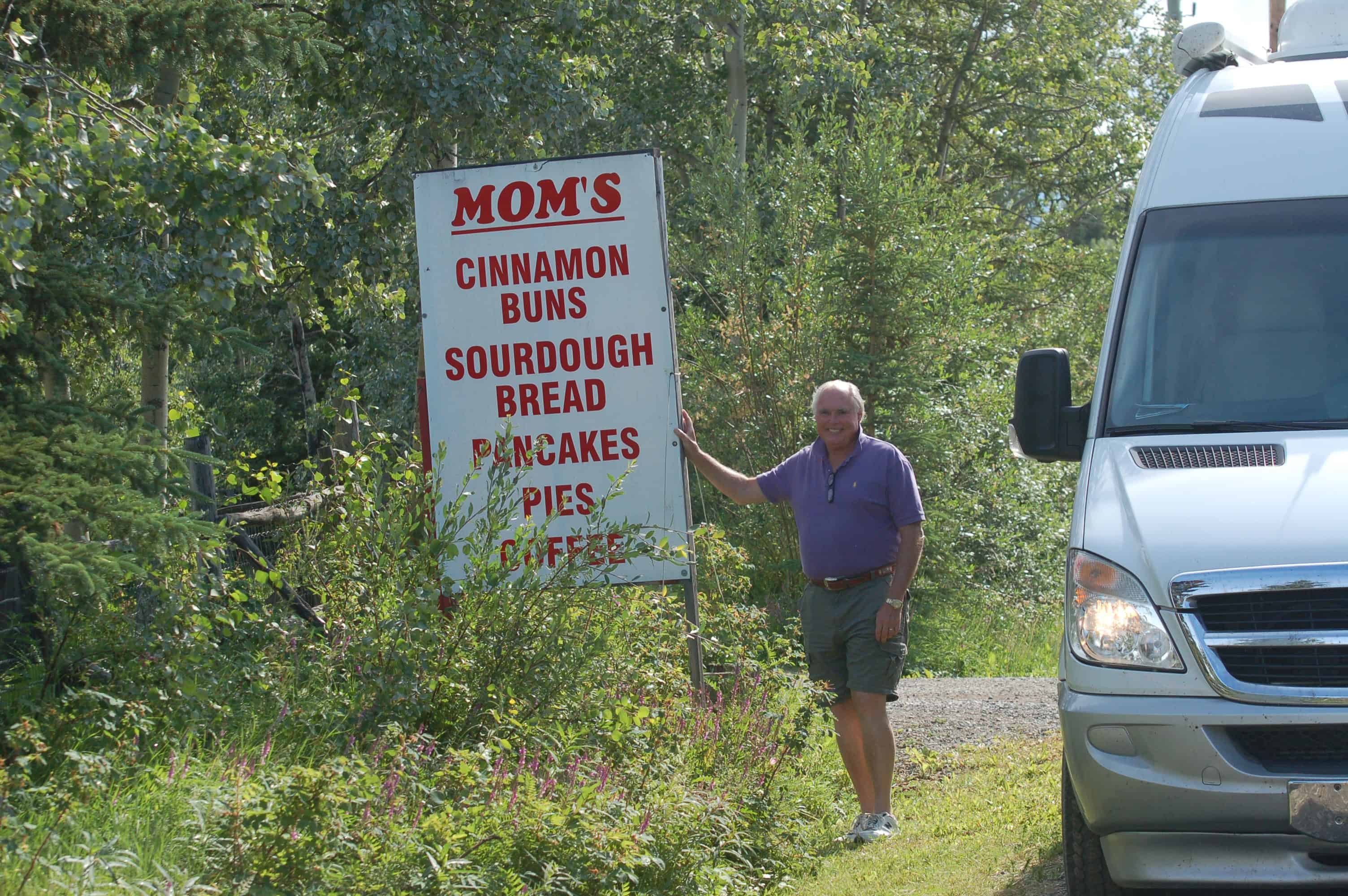
about twenty miles north of Whitehorse. Mom is famous for her cinnamon buns. One can feed the whole family. Her instructions for serving were to cut it in half like a bagel, place it in a frying pan with plenty of butter, and heat both sides,
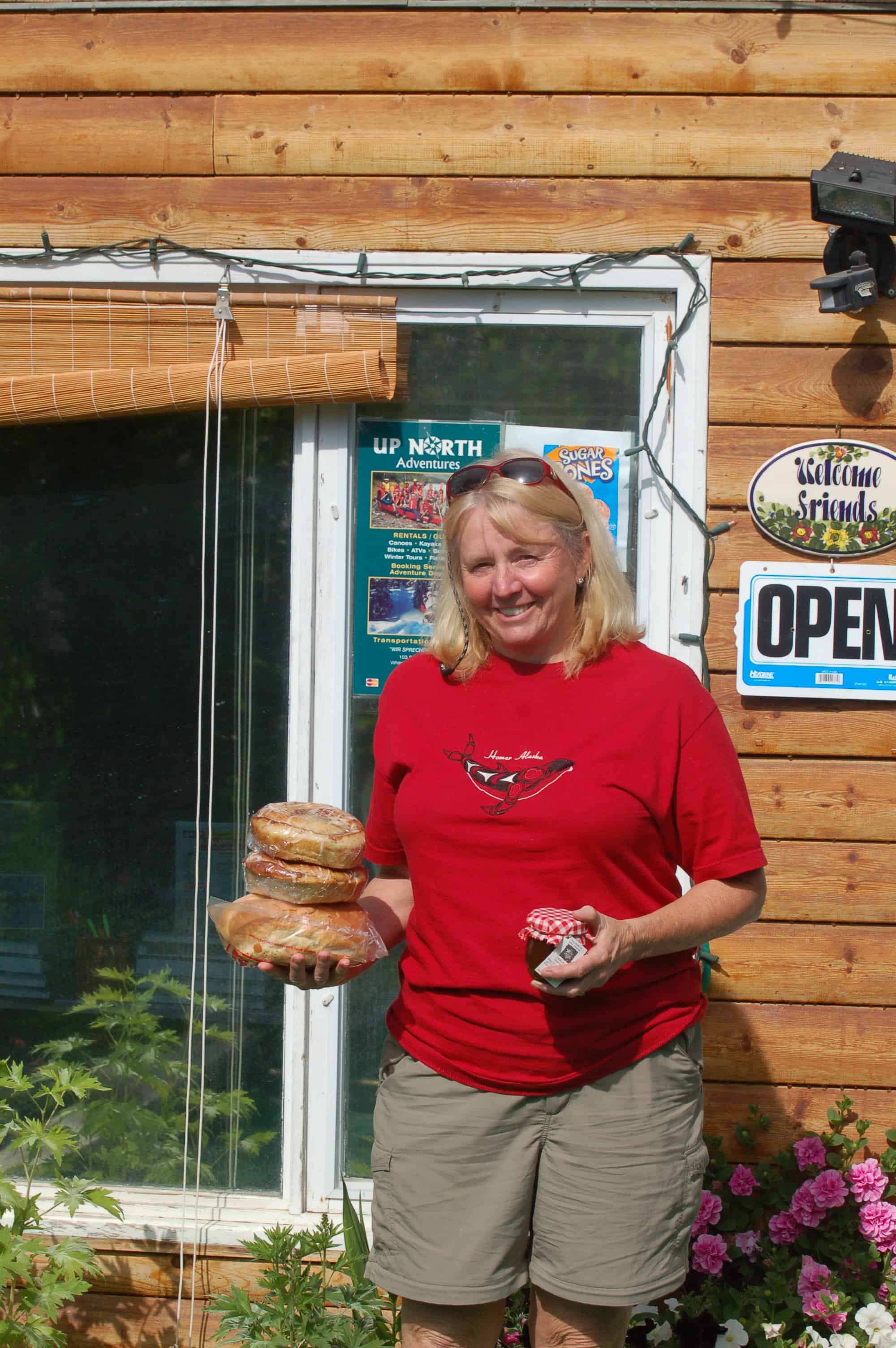
then put it back together and serve. Perfect. Needless to say, it is not on Weight Watchers. Unless you are watching the weight go on.
Whitehorse had some great places to visit. Parks Canada had taken the riverboat S.S. Klondike and dragged it up onto the bank of the Yukon River, where it has been restored into a museum.
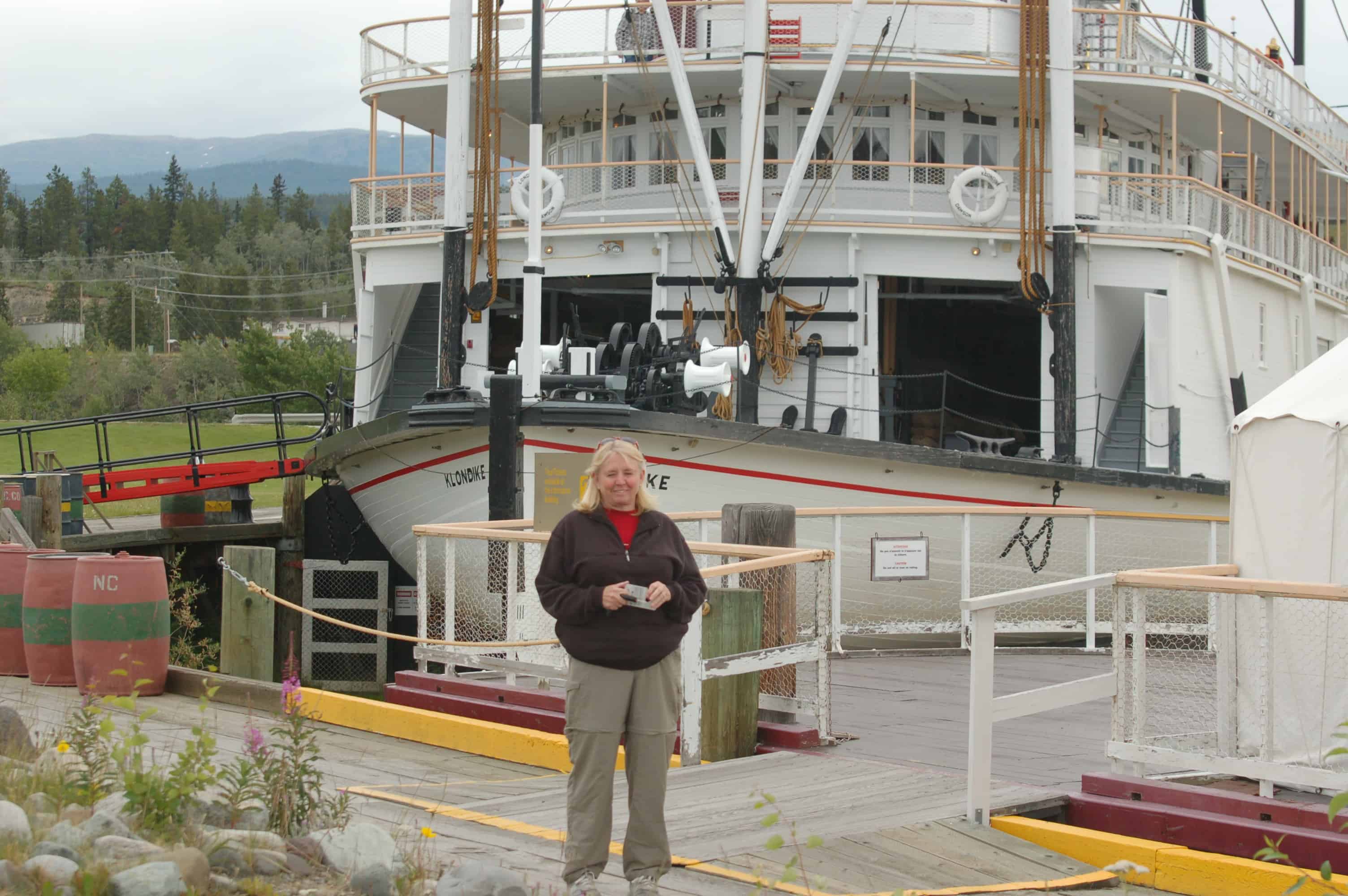
It was interesting to see how people used to travel on the Yukon. First Class was like an old steamship, with all the amenities you could ask for in those times. The S.S. Klondike was one of 250 riverboats that worked the river and the lakes from 1929 to 1952.
The MacBride Museum was also very interesting. The Yukon gold rush exhibits were very well done, giving you a real feel for the way people lived. They have the original cabin that Sam McGee lived in during his early years in the Yukon. One of the curators did a reading of Robert Service's "The Cremation of Sam McGee" and told the story of the real Sam McGee's life. He left Whitehorse in his 30s and didn't return until he was 73. When he finally came back, someone tried to sell him "Sam McGee's ashes." He found that very amusing and was reminded of Mark Twain's comment that the rumors of his demise had been greatly exaggerated.
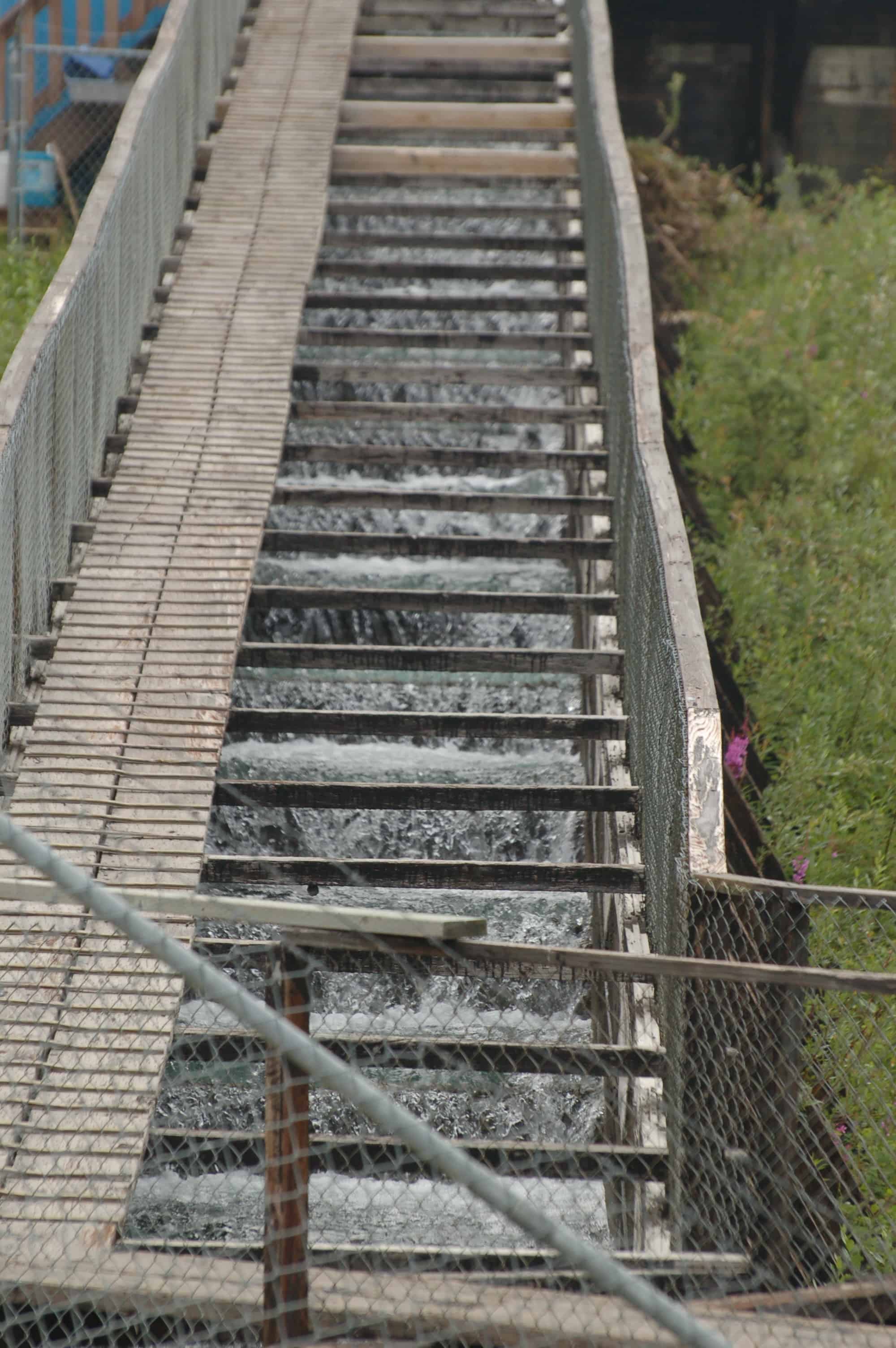
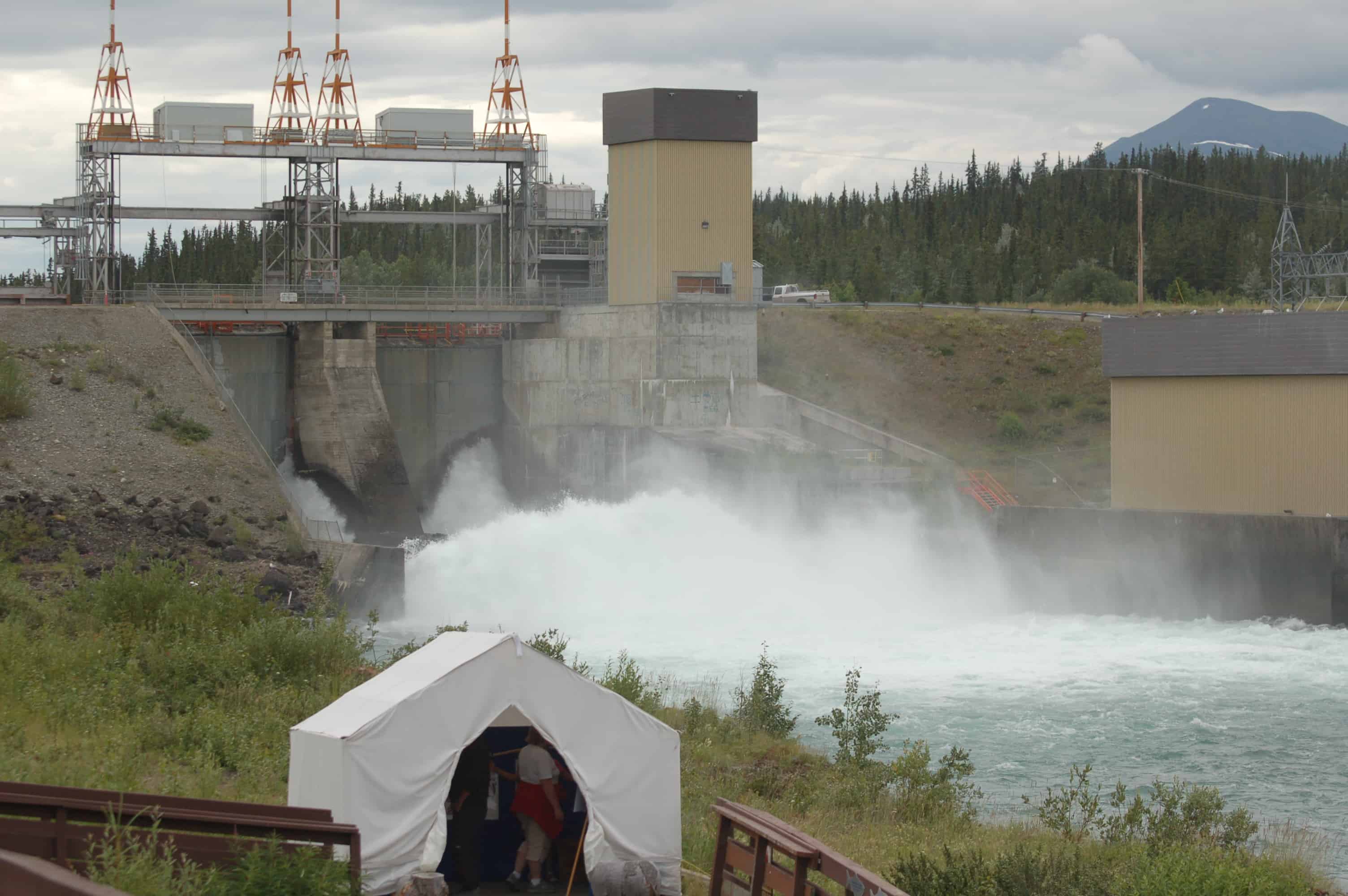
The fish ladders built around the dam were really interesting. Only about 1,000 Chinook salmon (also known as King) a year make it through the ladder. The fish hatchery releases over 150,000 fish per year. Each hatchery fish has a small piece on its back removed for quick identification, and it is marked for tracking. The young lady giving us the tour was excited that one of their fish had been caught and identified as theirs all the way over in Japan.
The travel of these fish is fascinating. Of naturally spawning salmon, only about 10 percent of the 5,000 eggs each fish lays actually become fry, the juvenile stage. The fish start the trip down the Yukon River, 3,000 kilometers to the Bering Sea, then out into the ocean. They spend four to six years out there before returning to the Yukon. The trip down is easy, all downhill. The trip back is uphill all the way, and they do not eat once they start the three-month return run to Whitehorse. The 366-meter wooden fish ladder at the Whitehorse dam is believed to be the longest in the world. Who needs GPS? The spawning fish lay their eggs within one meter of where they were born themselves. What a story.
Back at the campsite we bid farewell to Hal, Kim, and Benny. It was also goodbye to Joan and Chuck, though since they live in Florida we knew we would see them soon enough. Back on the road again.


