Dateline May 24, 2017, Santa Fe and Palo Duro Canyon
Santa Fe. We pointed the Roadtrek east and made for Santa Fe, founded by Spanish colonists in 1610 and known as the oldest state capital in the country. We rolled in around lunchtime and headed straight for the Palacio Cafe, a spot our friends Sandie and Skip had pressed on us; they had been through only a week before in their own RV. While the tourists stood in line at the places along the main drag, we slipped down a side street to this little cafe. Sandie was right. The food was wonderful, the best chicken enchilada we can remember, and John had a fine beef burrito. The place was full of locals and the staff could not have been kinder.
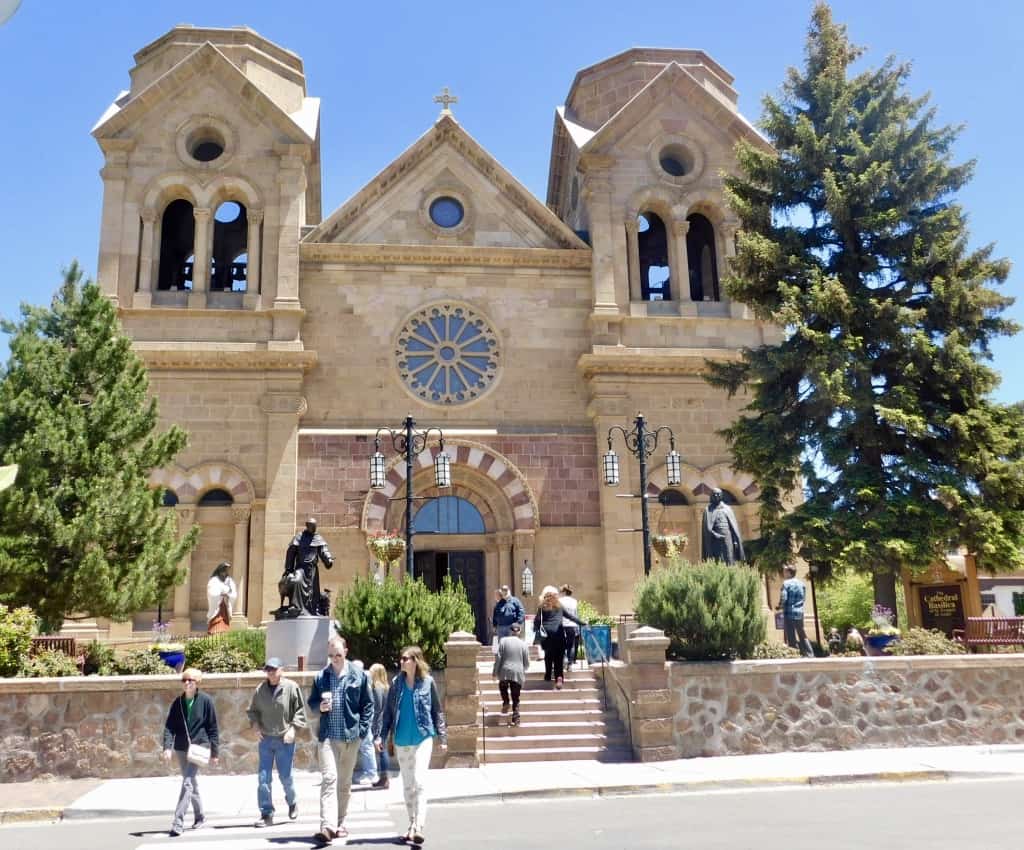
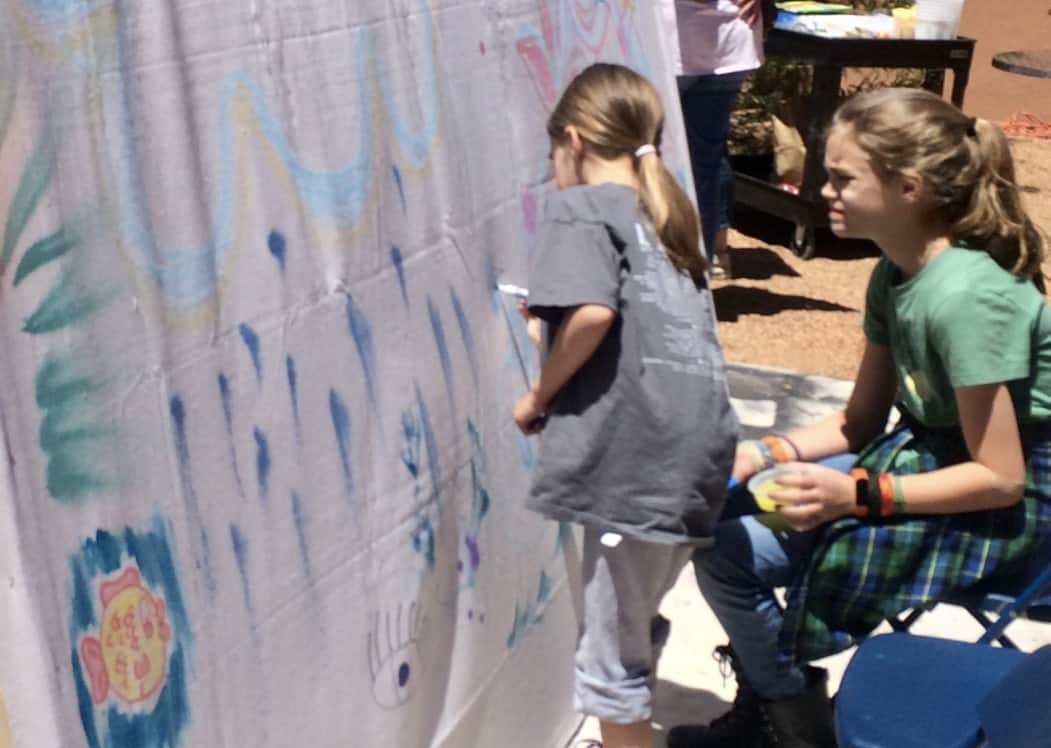
We walked off lunch around the Cathedral Basilica of Saint Francis of Assisi, then crossed the street to the Museum of Contemporary Native Arts, where they were holding a family day. Children and parents were painting on canvas together, everyone having a fine time.
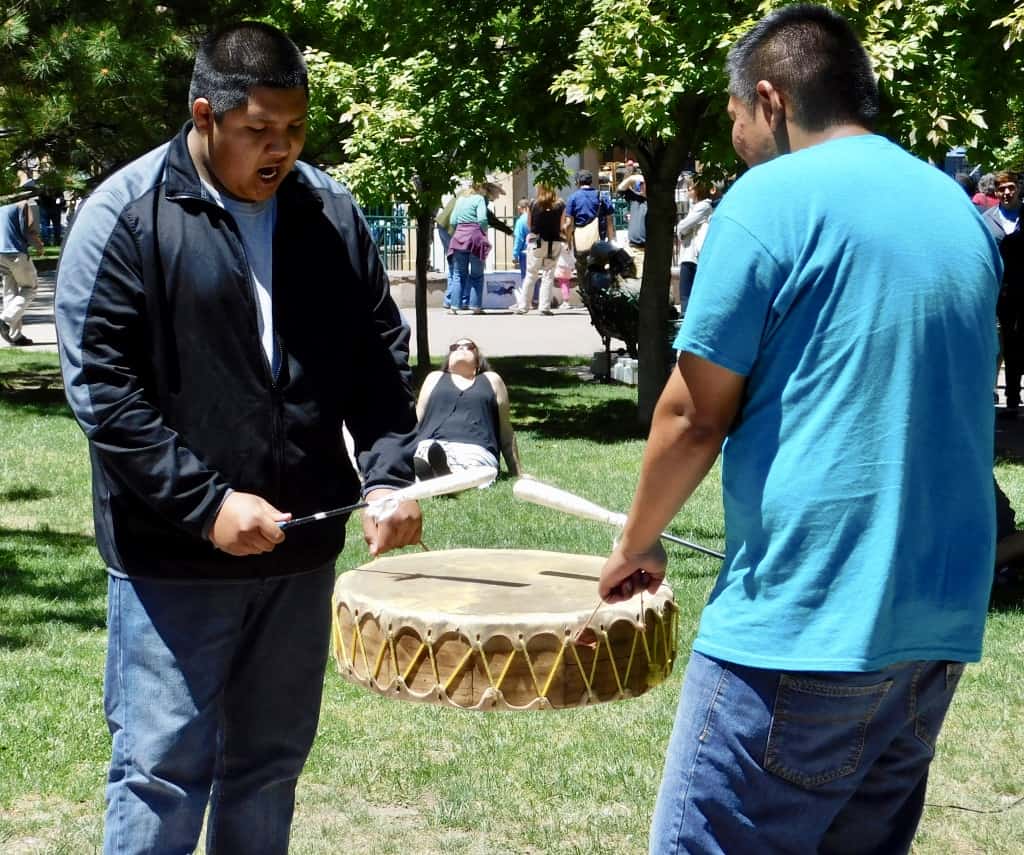
Wandering through town, we came on a number of street performers, among them a group of Native American singers whose chants were quite beautiful.
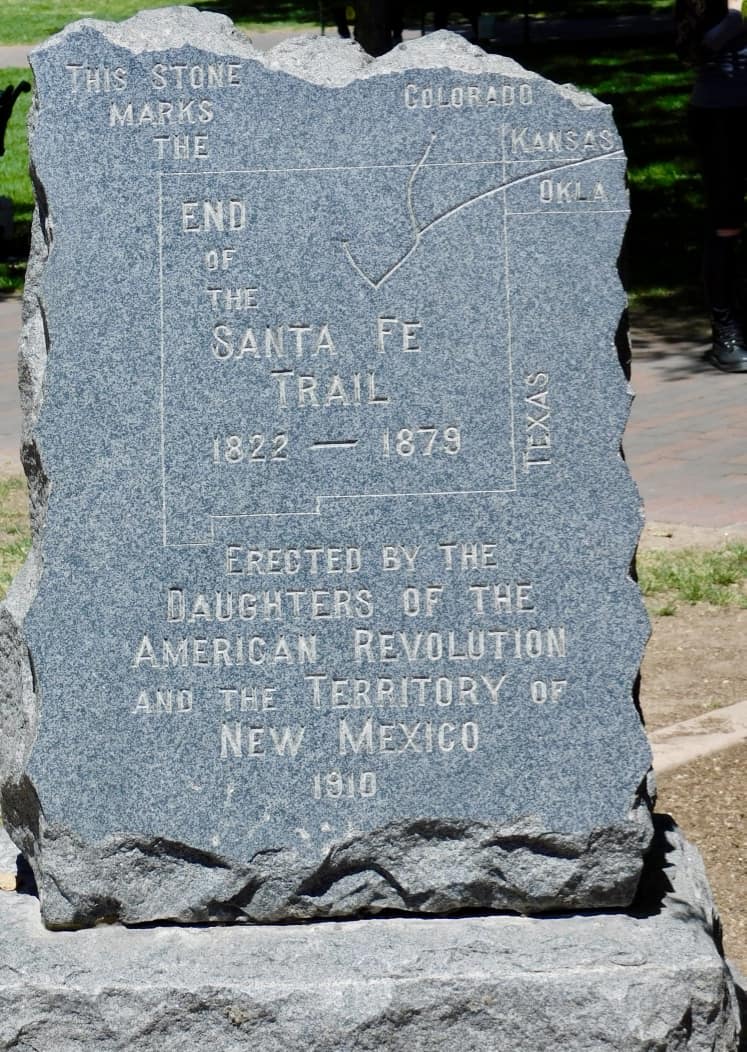
In the square stands a stone, set there in the early 1900s, marking the end of the old Santa Fe Trail, the wagon road that once ran from Missouri across Kansas and southern Colorado to here. When the railroad reached Santa Fe in 1880, the trail fell out of use.
Then it was time to climb back into our home on wheels and turn toward Texas.
Palo Duro Canyon. What a magnificent Texas state park this is. We rolled in meaning to camp the night.
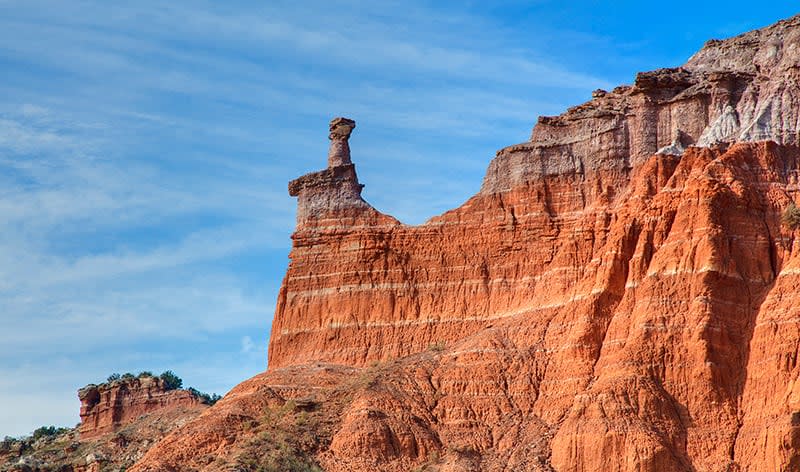
The canyon runs some hundred and twenty miles long and as much as twenty miles wide, and drops more than eight hundred feet at its deepest, with the rim sitting thirty-five hundred feet above the sea. It is often called the second-largest canyon in the country, after the Grand Canyon, which stretches two hundred seventy-seven miles long, eighteen wide, and a mile deep. Palo Duro was cut by the waters of the Prairie Dog Town Fork of the Red River, which deepens the canyon by carrying its sediment away downstream, while wind and water slowly widen it.
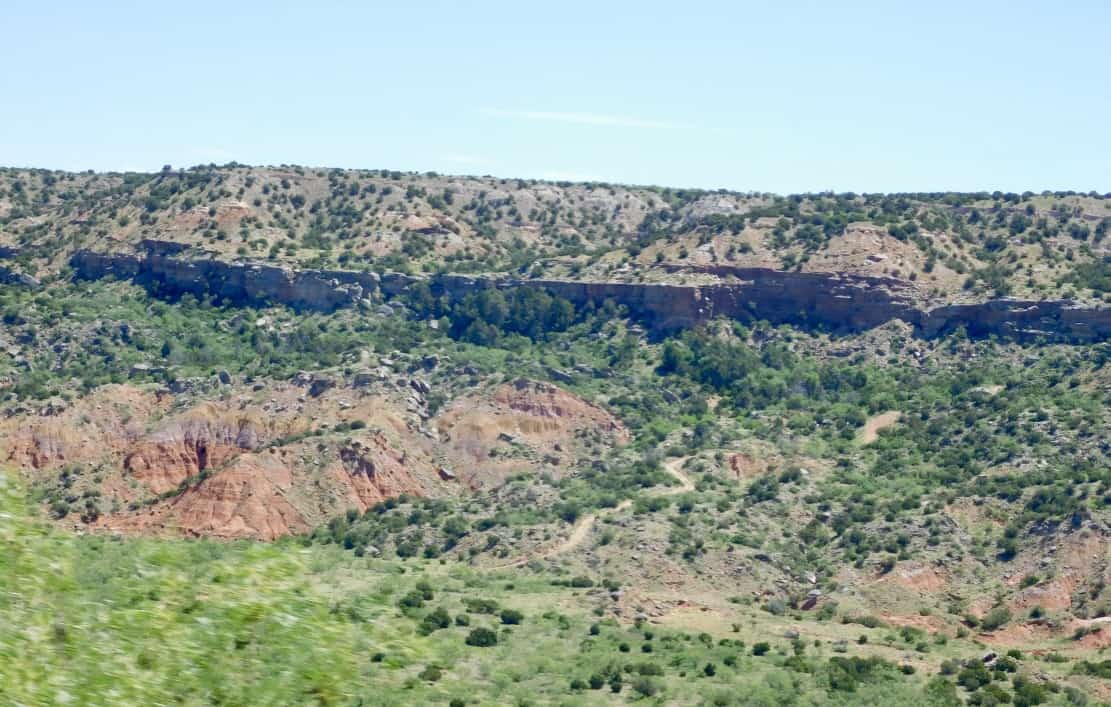
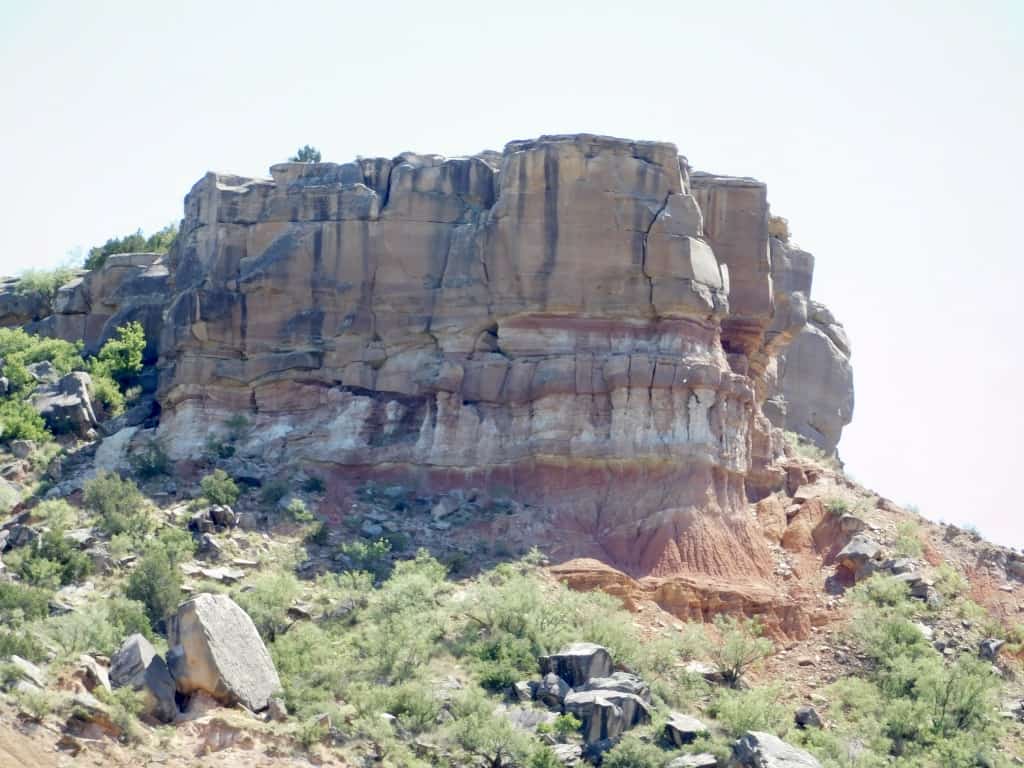
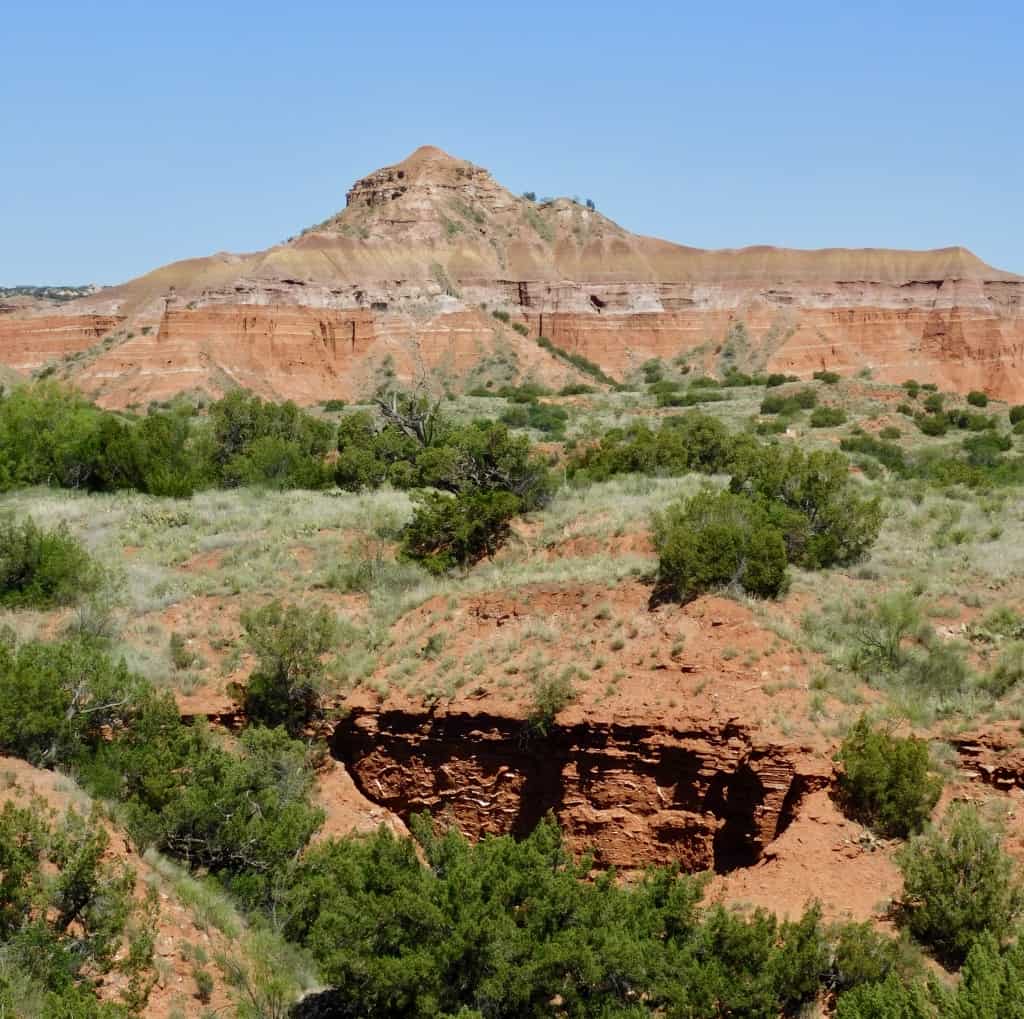
We drove around for the better part of three hours and realized this was a place that wanted a couple of days, for hiking and for sitting still and taking in the views, so we tucked it away for our next trip west. With the canyon behind us, we turned east toward Little Rock, and one more presidential library.