Dateline June 5, 2011, Haines to Tok to Valdez
We left Skagway early Sunday morning and headed for Haines on the last leg, for a while, of the Alaska Marine Highway. Skagway itself had been something of a disappointment. The cruise lines have, for all practical purposes, bought the town. We counted somewhere around sixty jewelry stores and very little in the way of authentic Alaska anything. Our day driving the route of the gold rush had been spectacular, though, and we had been amazed at the endurance the prospectors must have shown. James Michener's "Alaska" describes what they went through, and to see the actual landscape was something else.
Haines is a different kind of town. It saw many of the same prospectors in 1898 and 1899 on their way to the Yukon, but it has refused to let the cruise ships in. The locals are split on the decision, since they do not get the eight hundred fifty thousand visitors a year that Skagway does, but the place feels real because of it.
The Haines golf course is built in the wetlands and took the owner seven years to get approved. The greens and tees are artificial, the fairways are a little rugged, and we never got to find out for ourselves because it was cold and raining the day we considered it. We met up with some of the Roadtrek crew at a local RV park instead and spent a few hours over coffee, catching up.
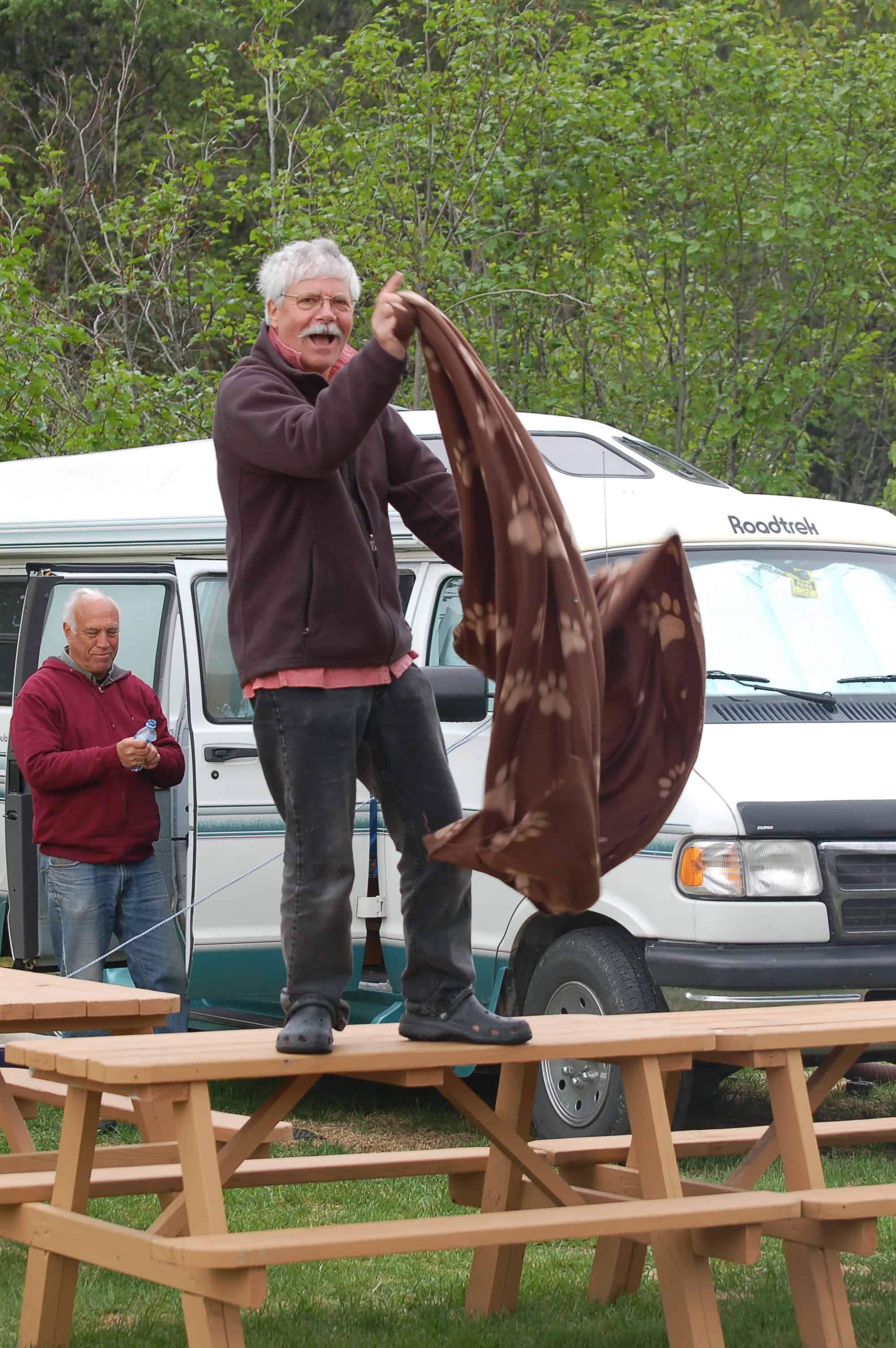
Ruth and Ann were the only ones who had come with us on the Marine Highway, so it was fun to compare notes with the others who had driven up the Alaska Highway. From Haines we headed north with Chuck and Joan Clow toward Haines Junction.
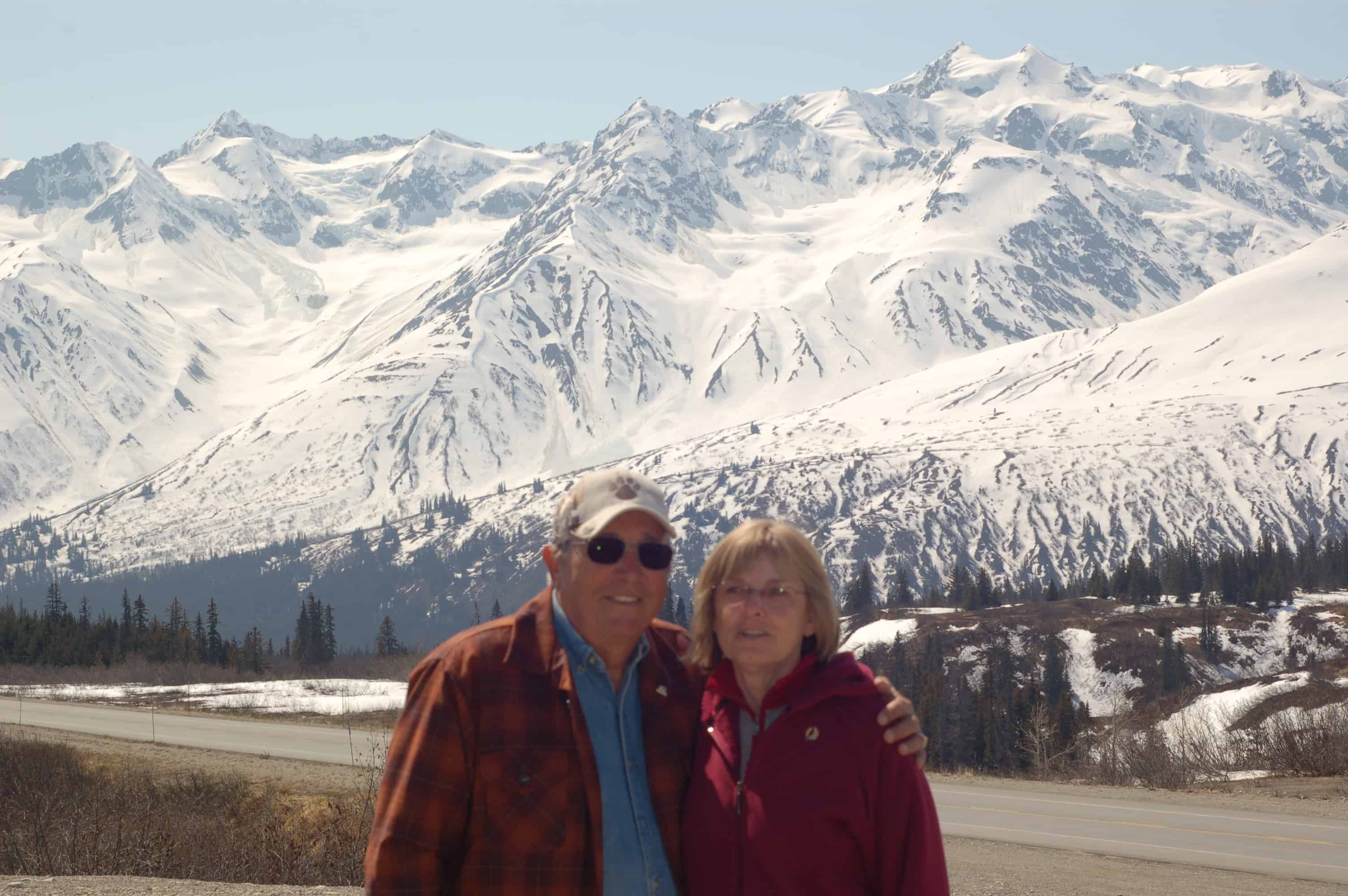
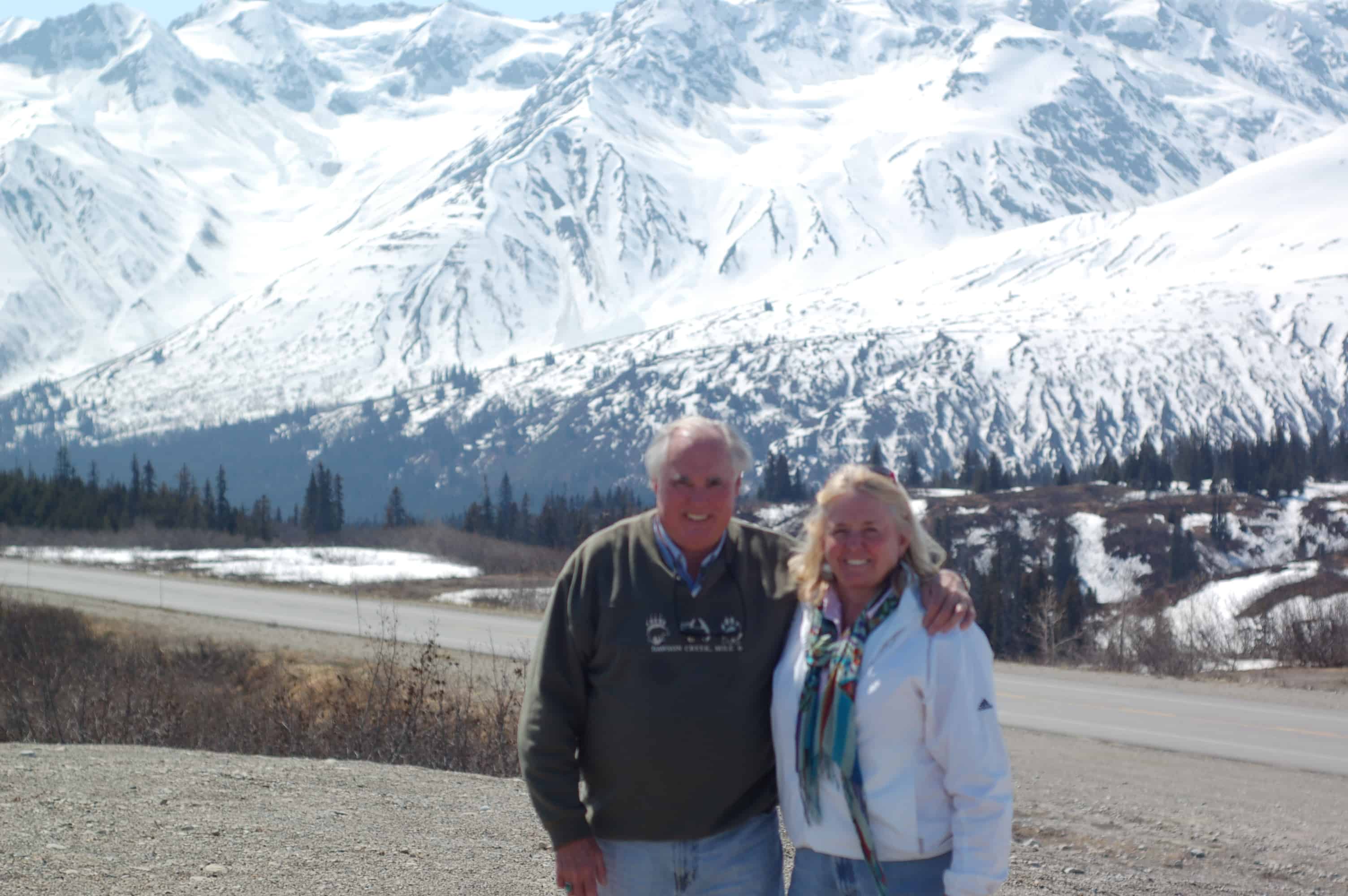
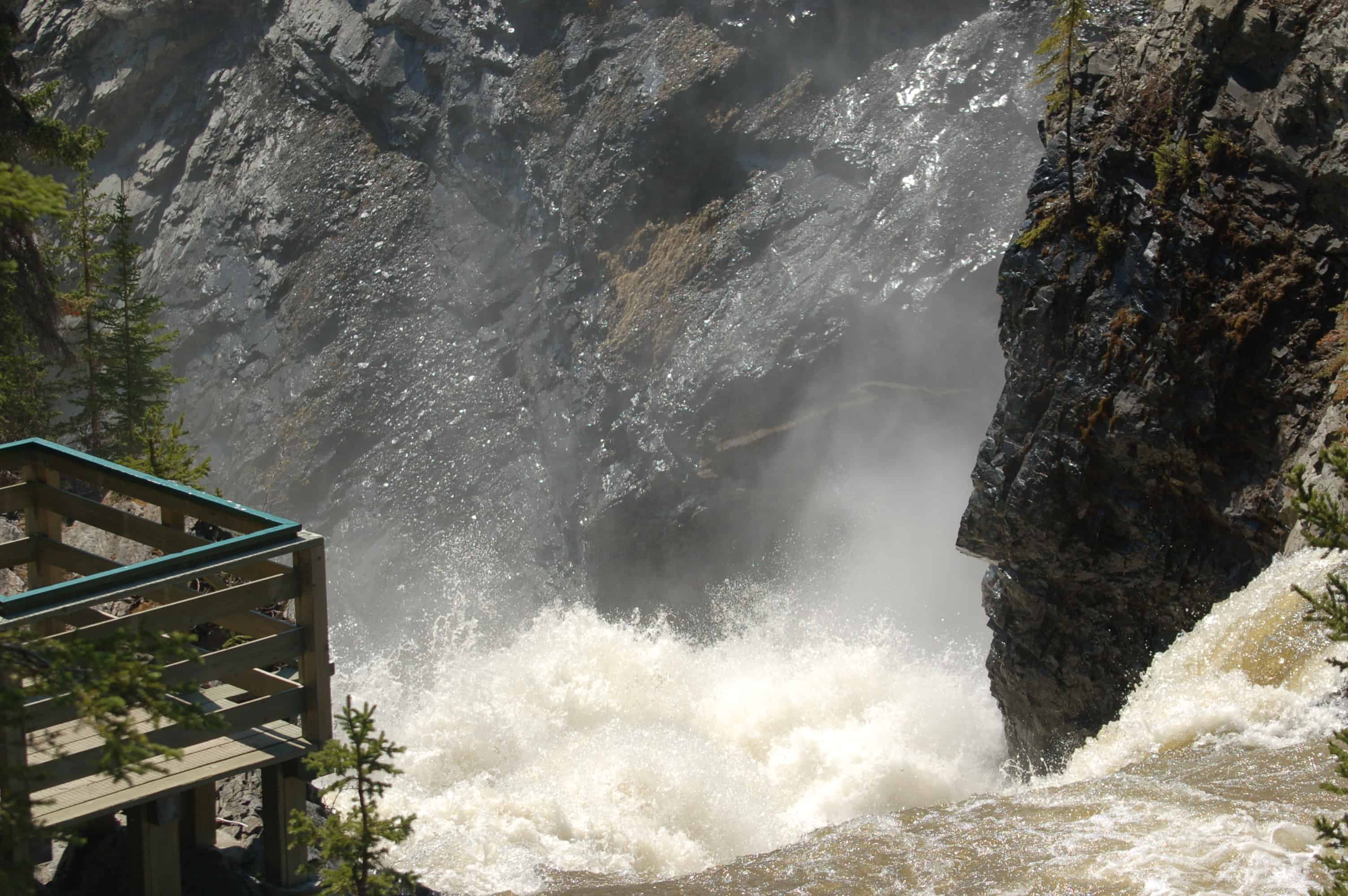
The drive up through the mountains was spectacular, one beautiful scene after another, so many that you almost reach the point of saying, "oh, another one." We pulled off to see Million Dollar Falls, which were just beautiful.
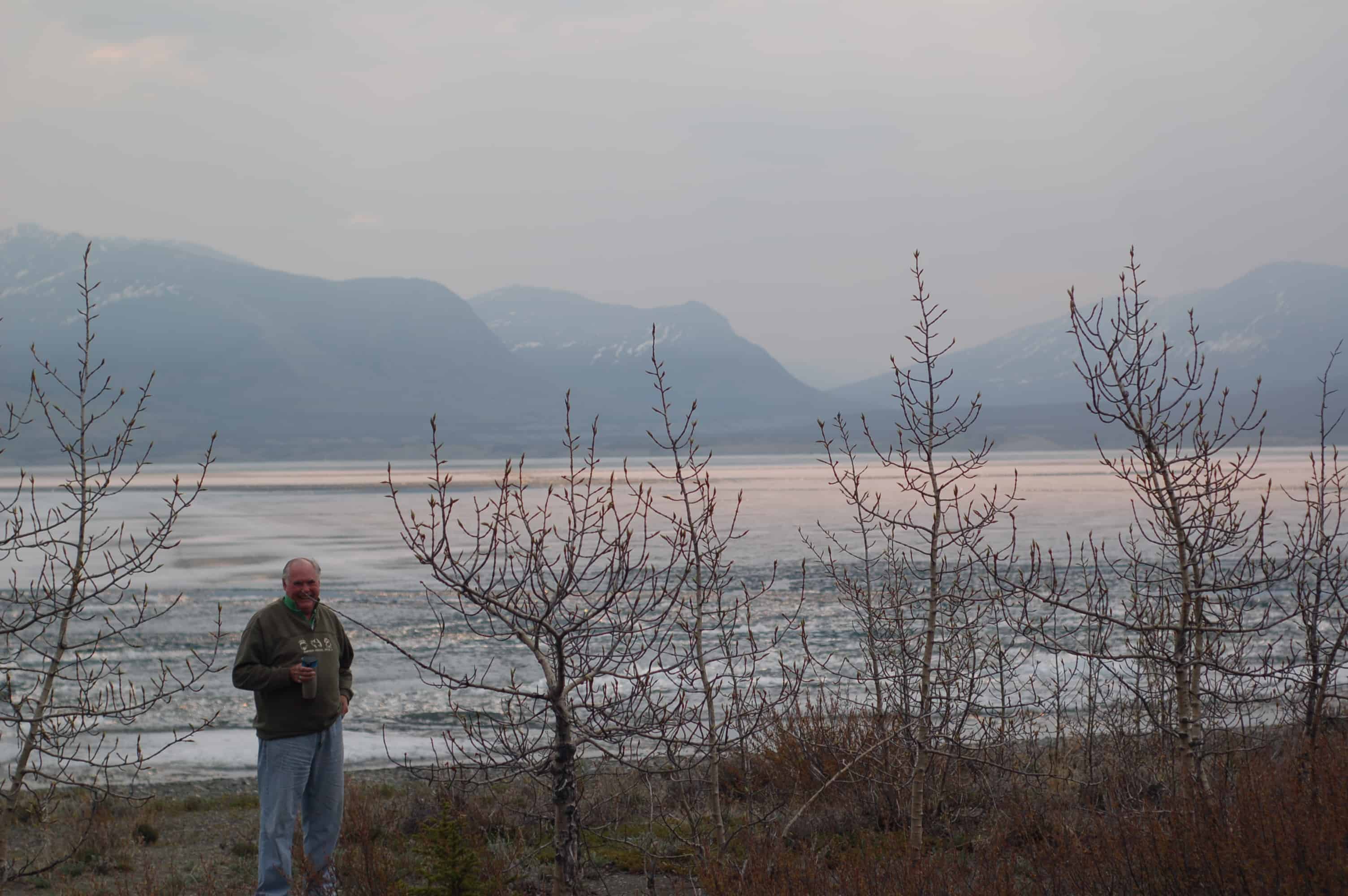
At Haines Junction, the meeting point of the Haines Highway and the Alaska Highway, we decided to keep on going toward Tok. By late afternoon we needed a campsite. The first RV park we tried was advertised as having kayaking on Kluane Lake, the largest lake in the Yukon, but a big sign at the entrance said CLOSED, and looking at the lake, which was still frozen at their end of it, we could see why. They were still digging out for the season.
We pulled out The MilePost and found a Yukon provincial park down the shore that was open. We pulled in, set up to dry camp for the night, built a fire and ate dinner outside, watching the light over the lake. One of our neighbors actually walked out onto the ice and fished. It is amazing how beautiful that country is.
In the morning we had our coffee and started for Tok. The first town we came to was Destruction Bay, population fifty-five, which we hoped had a great story behind the name. The actual story is that during the building of the Alaska Highway a storm destroyed a bunch of the buildings and equipment, and the name stuck.
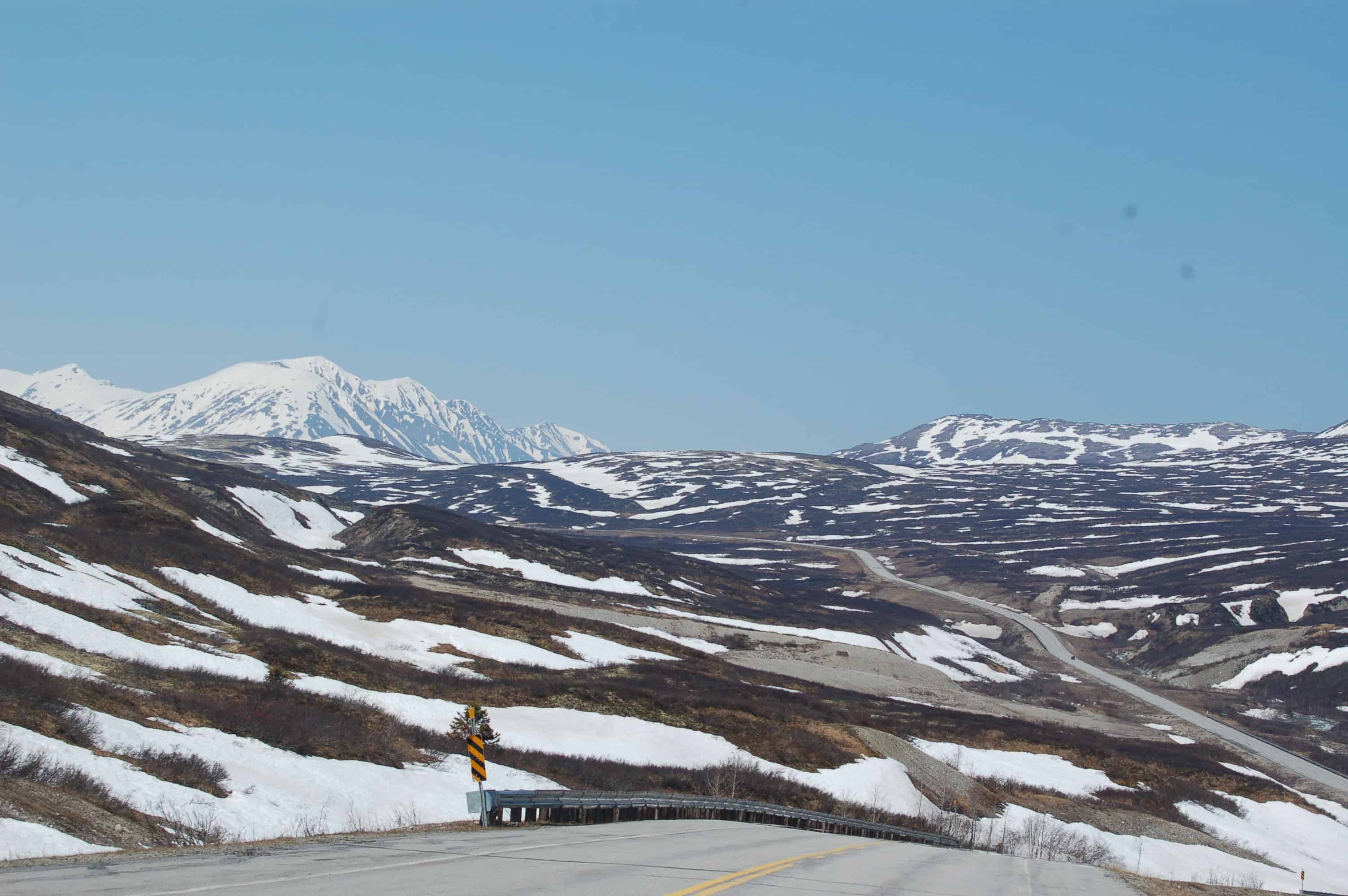
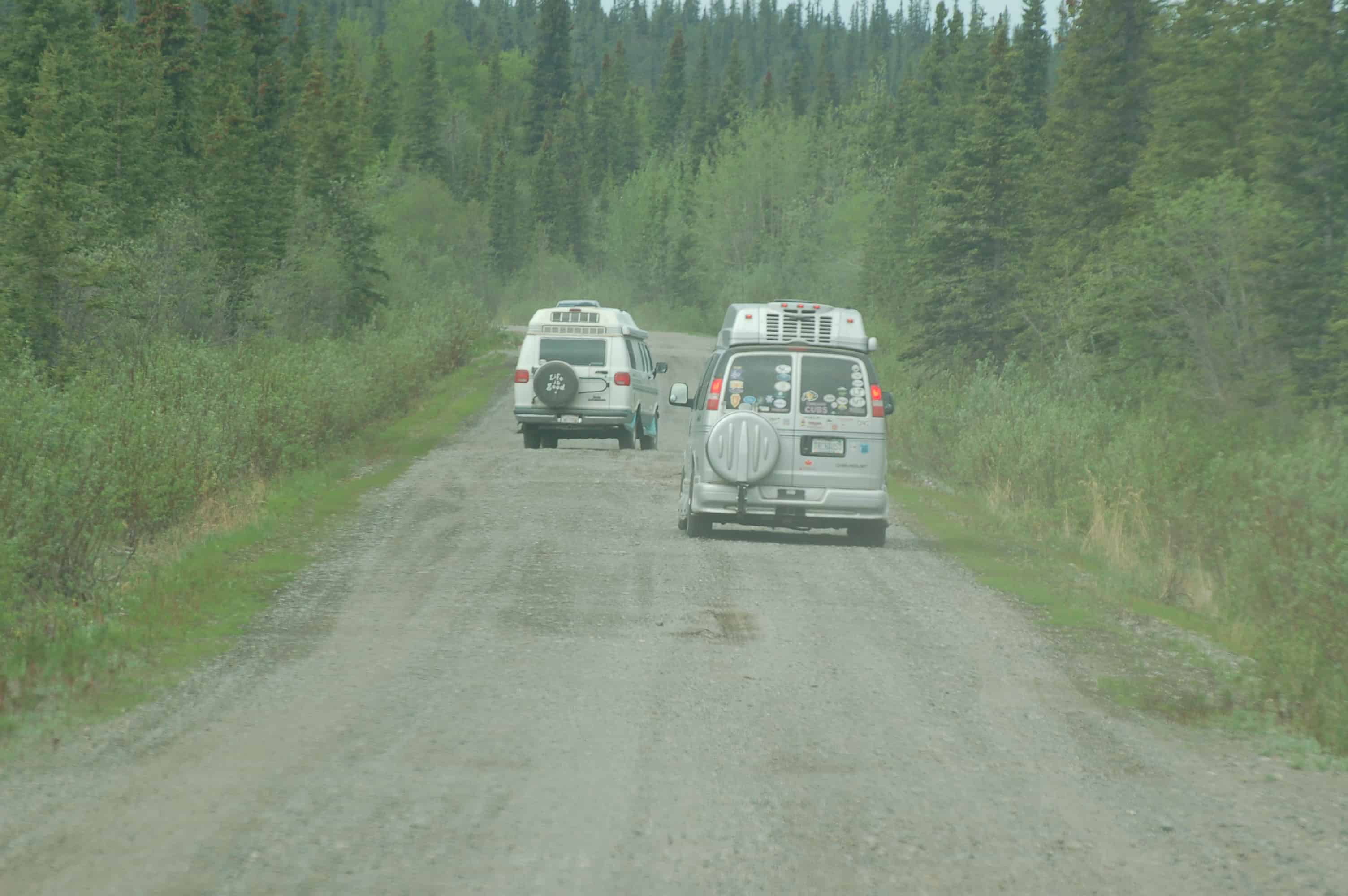
The Alaska Highway, or Alcan, is built on permafrost, soil that stays below freezing as deep as a hundred feet down. That creates a constant maintenance battle. The surface thaws, the road heaves, and you spend a lot of time slowing down for frost heaves, the long undulating bumps that will launch you out of your seat if you hit them at speed. The trip took longer than we expected. We probably averaged thirty miles an hour all the way to the Alaska border, then settled into the final stretch to Tok.
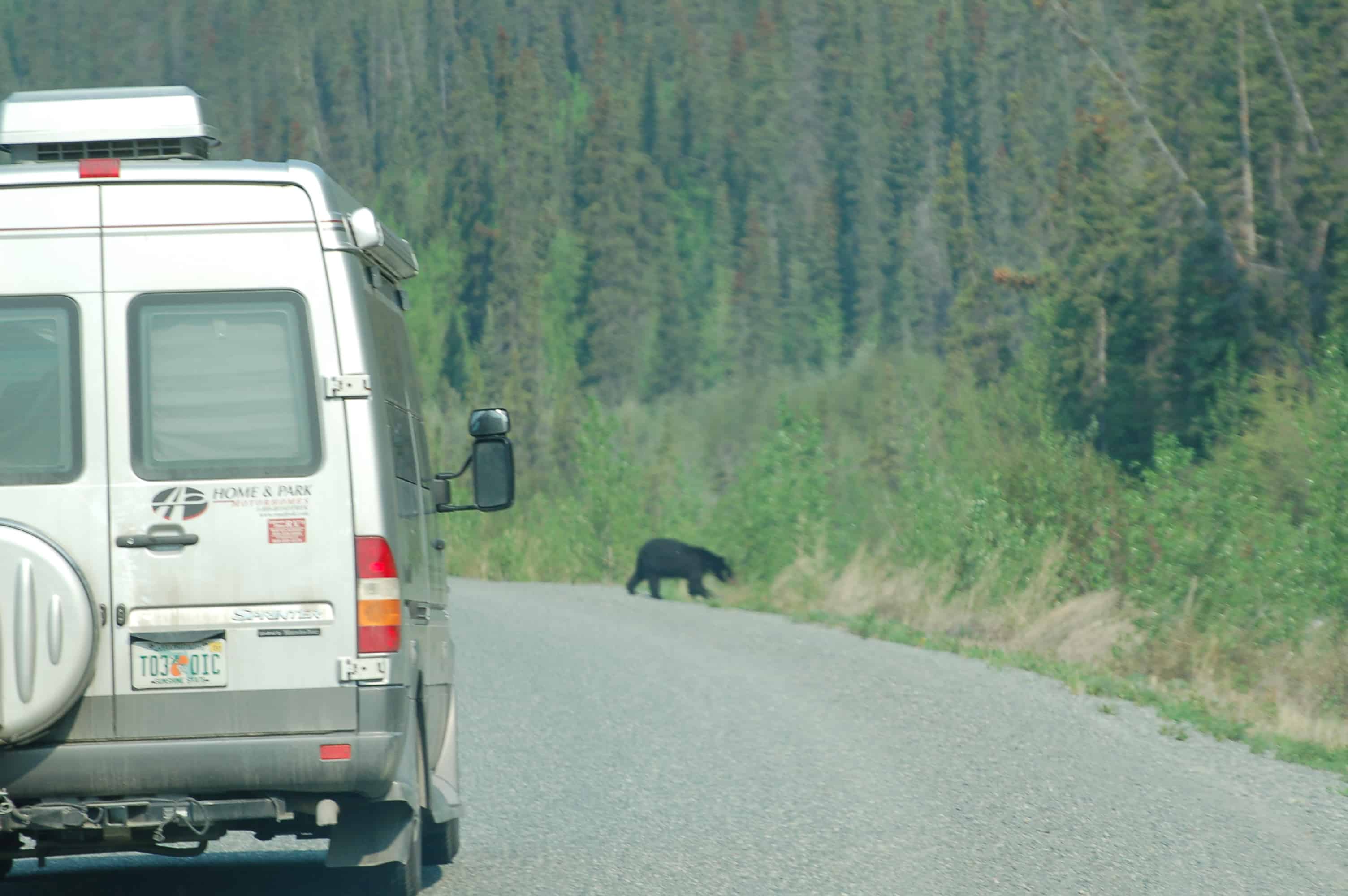
A few bears along the way too.
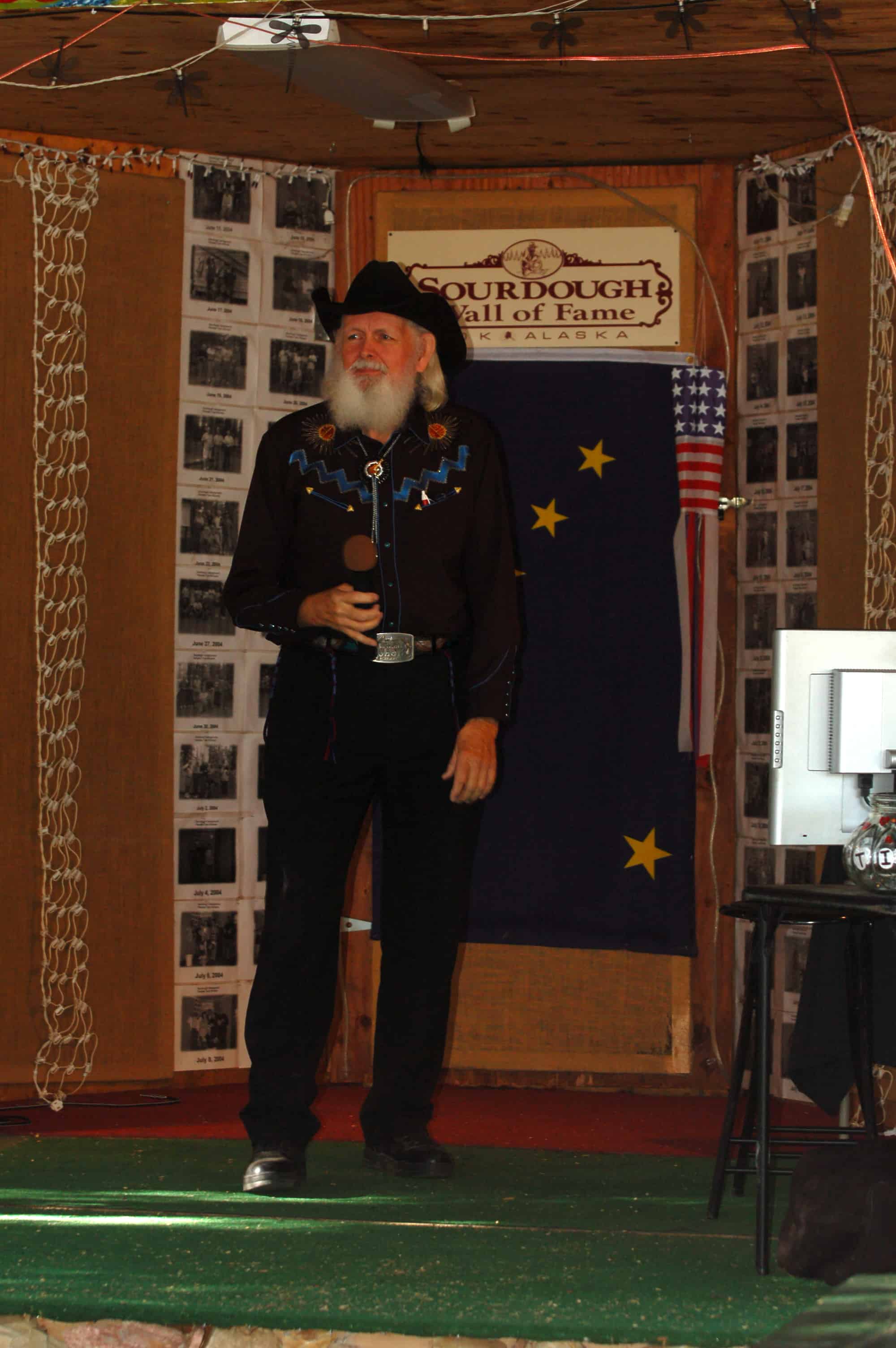
Tok is a small interior town at the intersection of the Alcan and the highway that runs west to Anchorage. It was the meeting point for our Roadtrek group, and we were all headed there for a few days. The Sourdough RV Park was the chosen spot, and a fine choice it was. The drinks flowed easily and the food was good. The Sourdough put on entertainment every evening that took us right back to summer camps from when we were kids.
A country singer would start up around six in the open pavilion outside.
By seven, Dave, who organized things at the Sourdough, ran the pancake throw. You got two tries to land a pancake in a bucket. Land one and you got a free breakfast in the morning, sourdough pancakes and reindeer sausage.
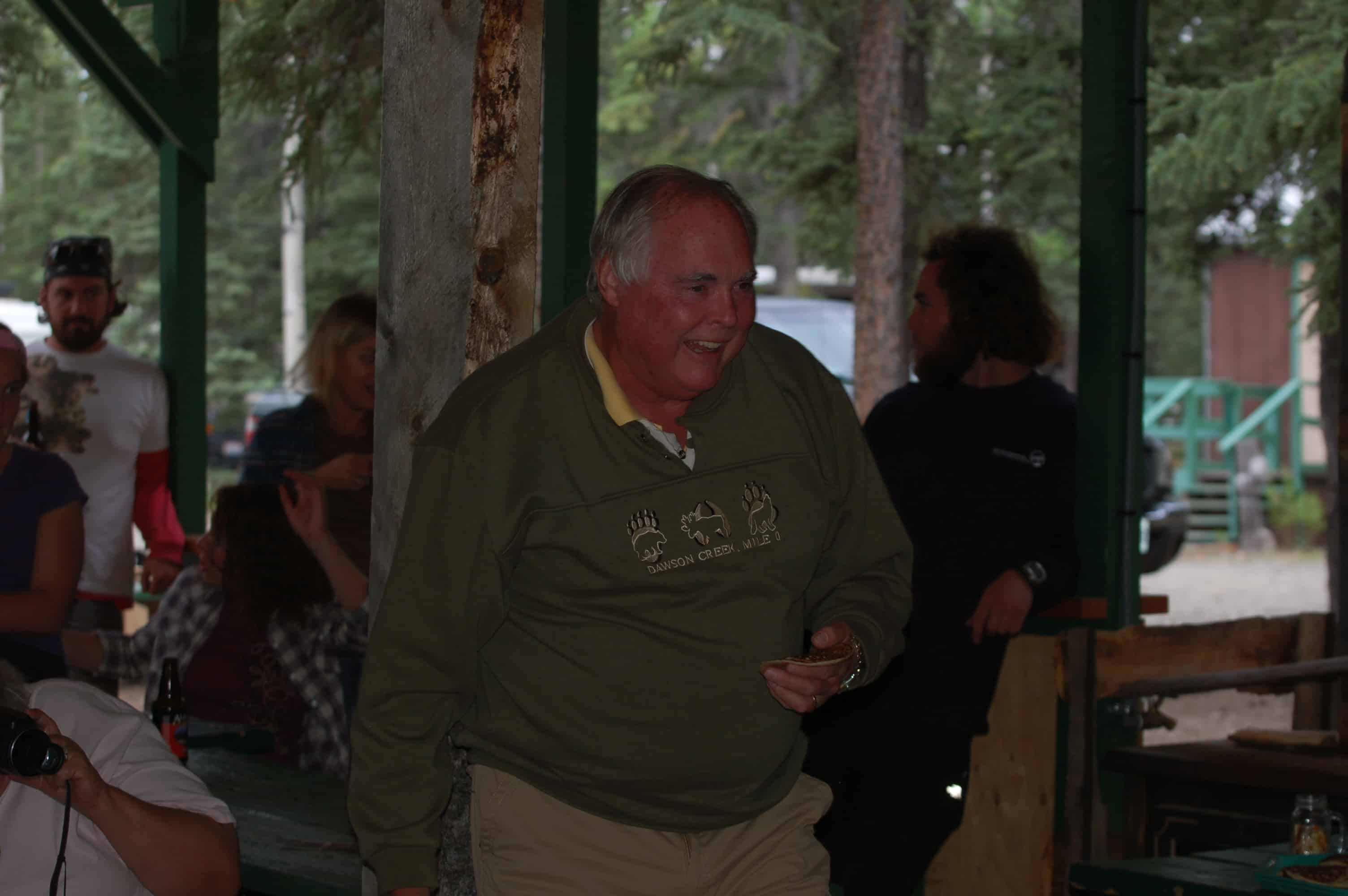
The singing and storytelling kept going until about nine. A real good time.
After a few days at Sourdough we set out with a few of the other Roadtreks for Valdez. We turned off onto Nabesna Road and drove twenty-eight miles in on the unpaved track, deep into the Wrangell-St. Elias National Park and Preserve. We set up at Twin Lakes for the night.
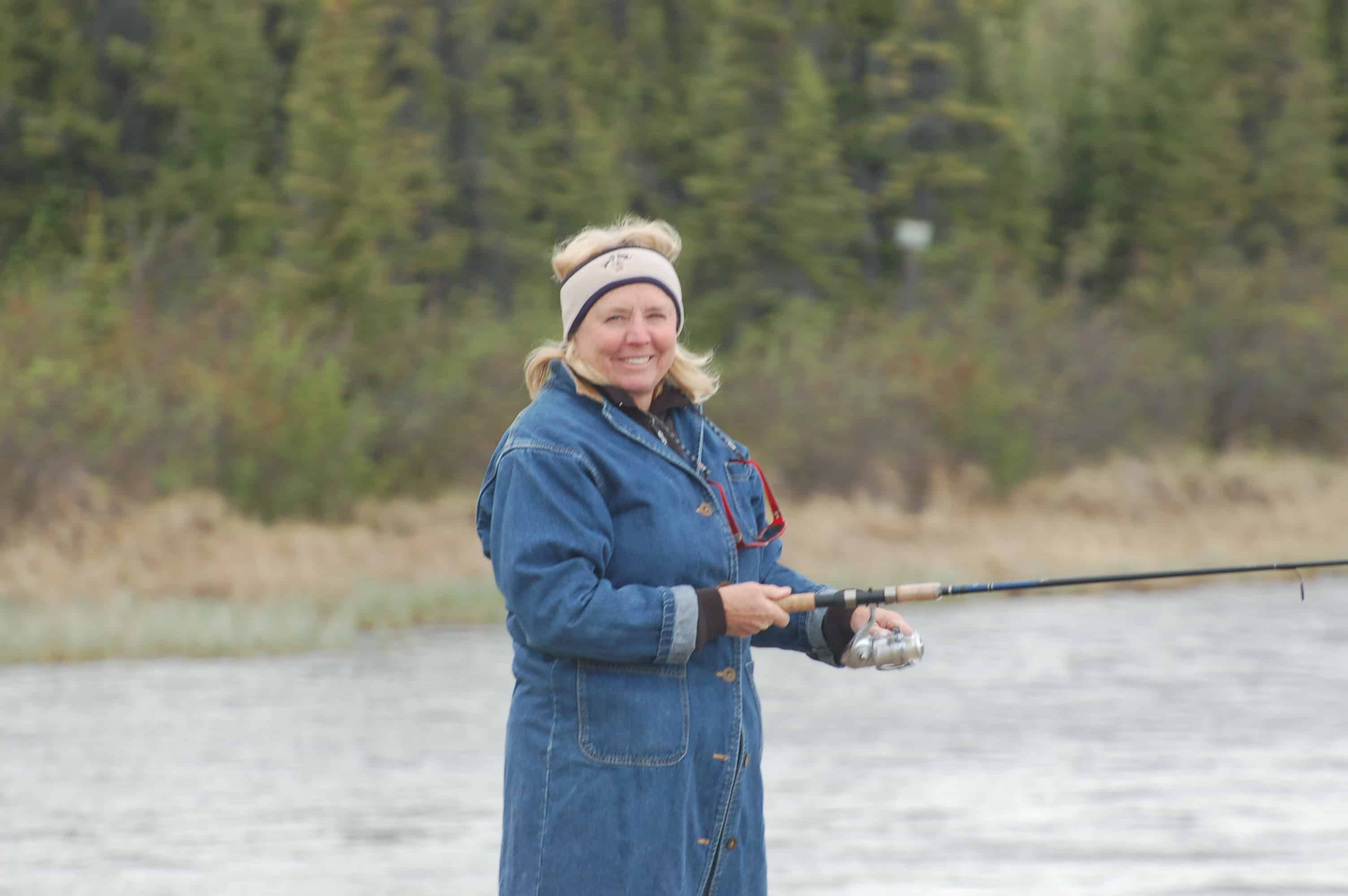
We had picked up fishing gear in Tok and this was our first time trying it out. Peter caught three small grayling and threw them back. Janice, John, and Hal got nothing but bottom junk. By dinner more of the Roadtrek crowd had joined us, and we ate and drank together as Phil told dog stories that had us laughing until tears were running.
Wrangell-St. Elias is the largest national park in the country, roughly the size of four Yellowstones, with four major mountain ranges meeting inside its borders and nine of the sixteen tallest mountains in the United States.
In the morning we broke camp and moved on to Lake Louise, another huge lake ringed by mountains. We tried the fishing poles again from the shore. The bottom was very shallow and the fishing yielded exactly nothing, but the campfire, the marshmallows, and the night sleep were all excellent.
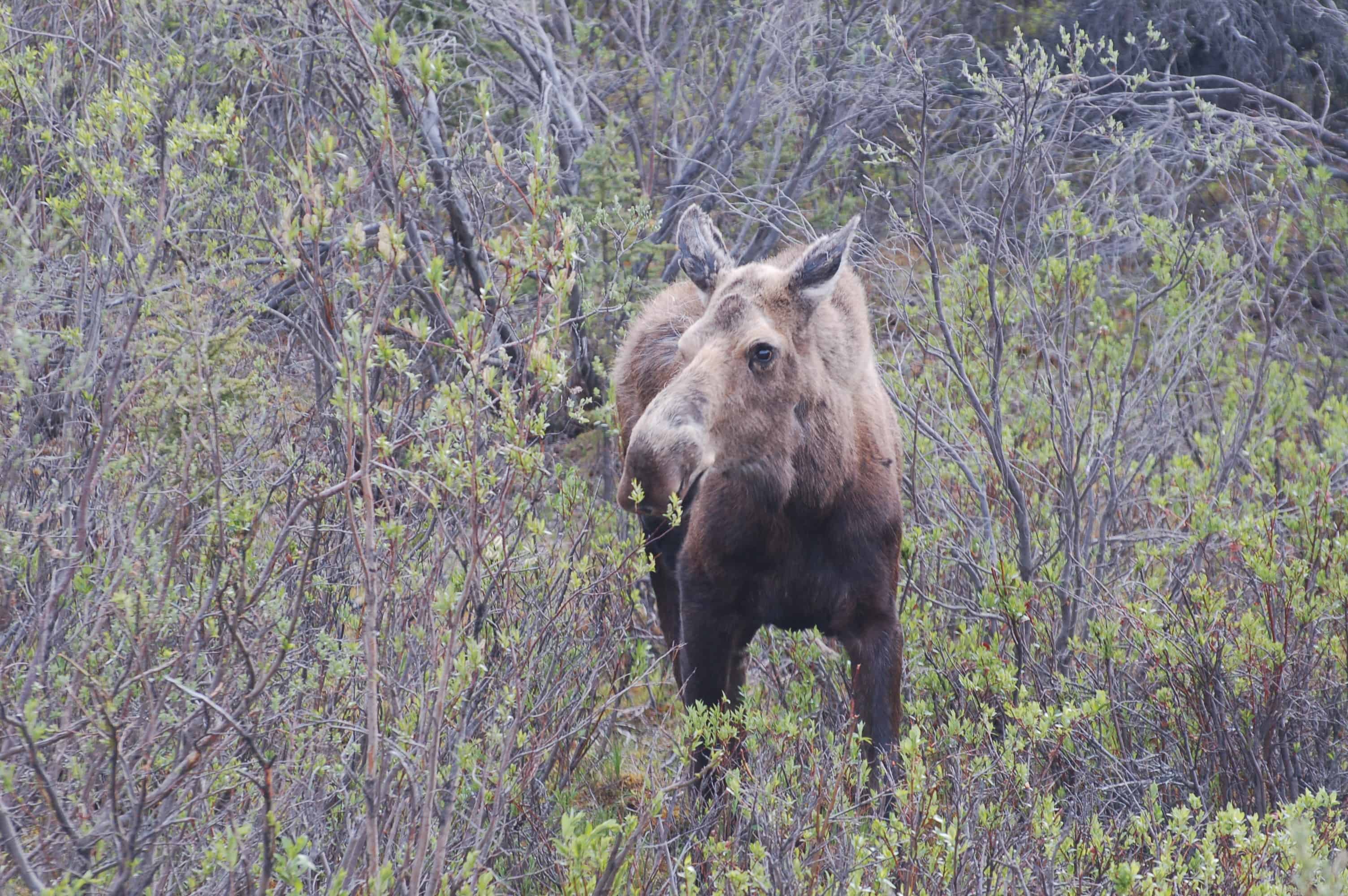
At seven-thirty in the morning we were back on the road toward Valdez. As we drove off the lake, Janice spotted our first moose of the trip out the left window. A good-sized one, close to the road.
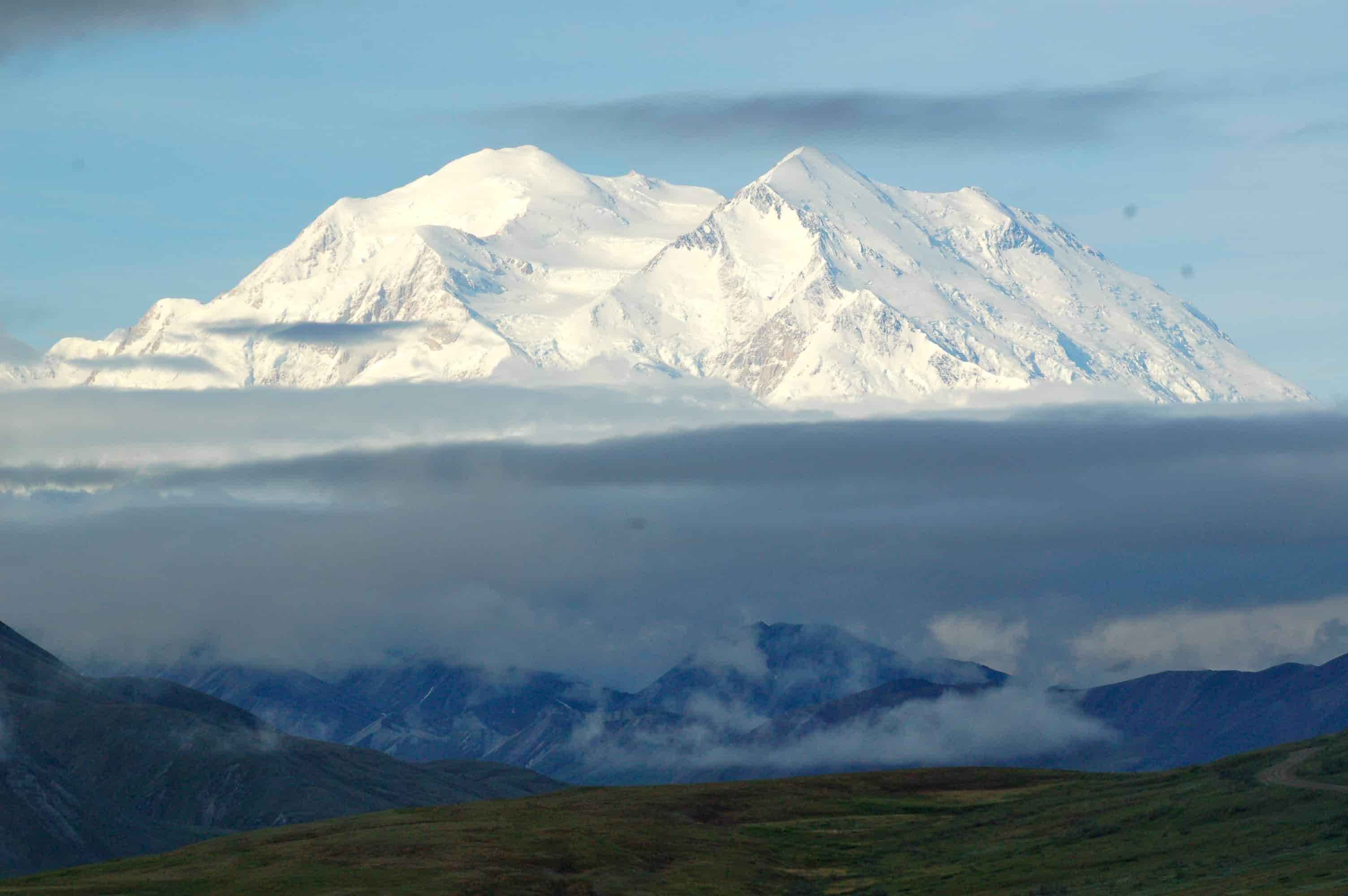
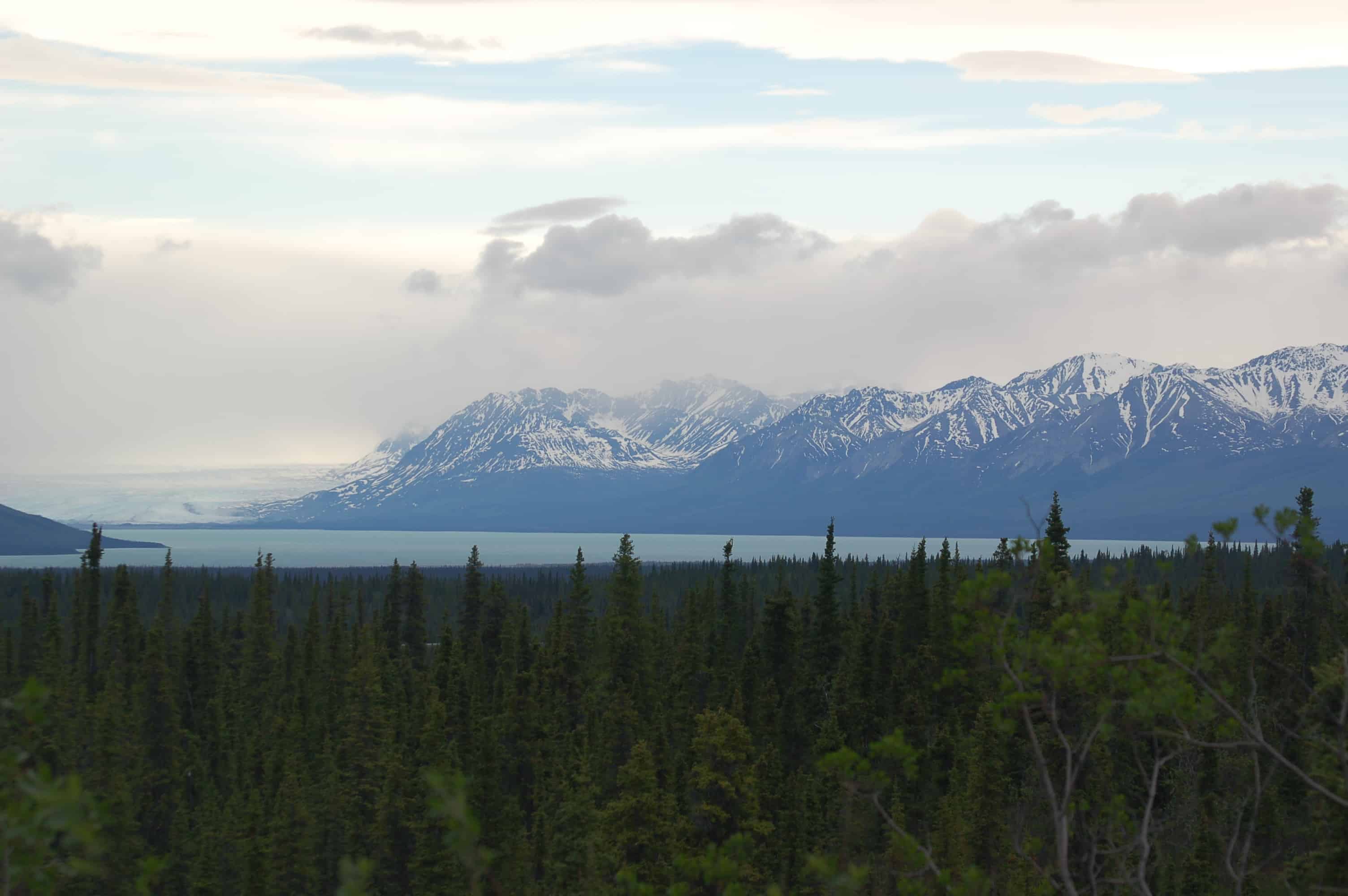
The drive opened up to spectacular views of the Wrangell range as we worked our way toward Valdez. Billy Mitchell (1879-1936), better known to most of us as the great American proponent of air power, was part of the Army Signal Corps that strung telegraph lines from Washington state to Alaska in 1903. One of the mountains we passed bears his name.
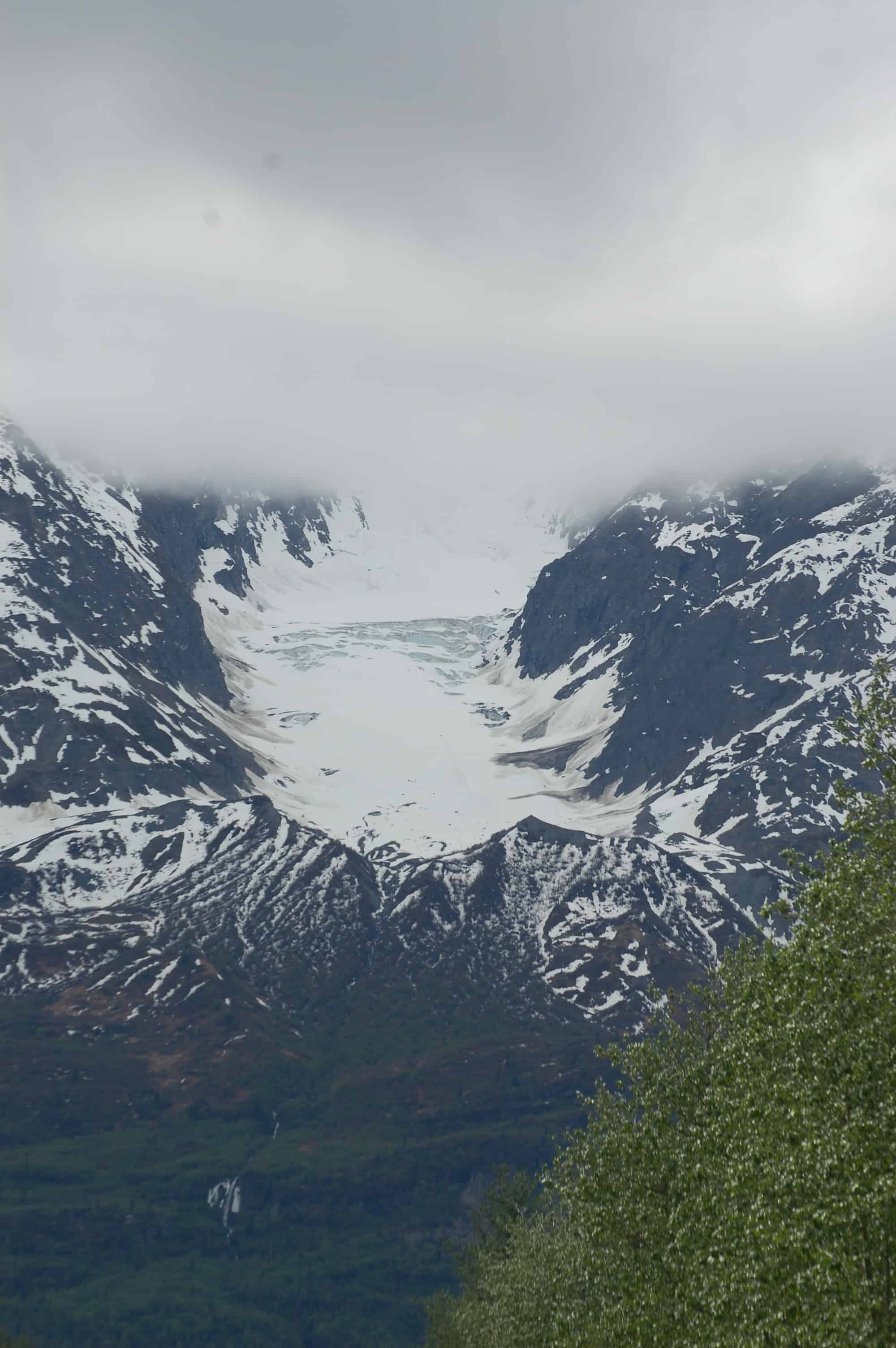
We followed the Alaska Pipeline for a long stretch and stopped to photograph it. We later heard that some people had been detained in Valdez for walking over and touching it. The pipeline is monitored by satellite by Homeland Security.
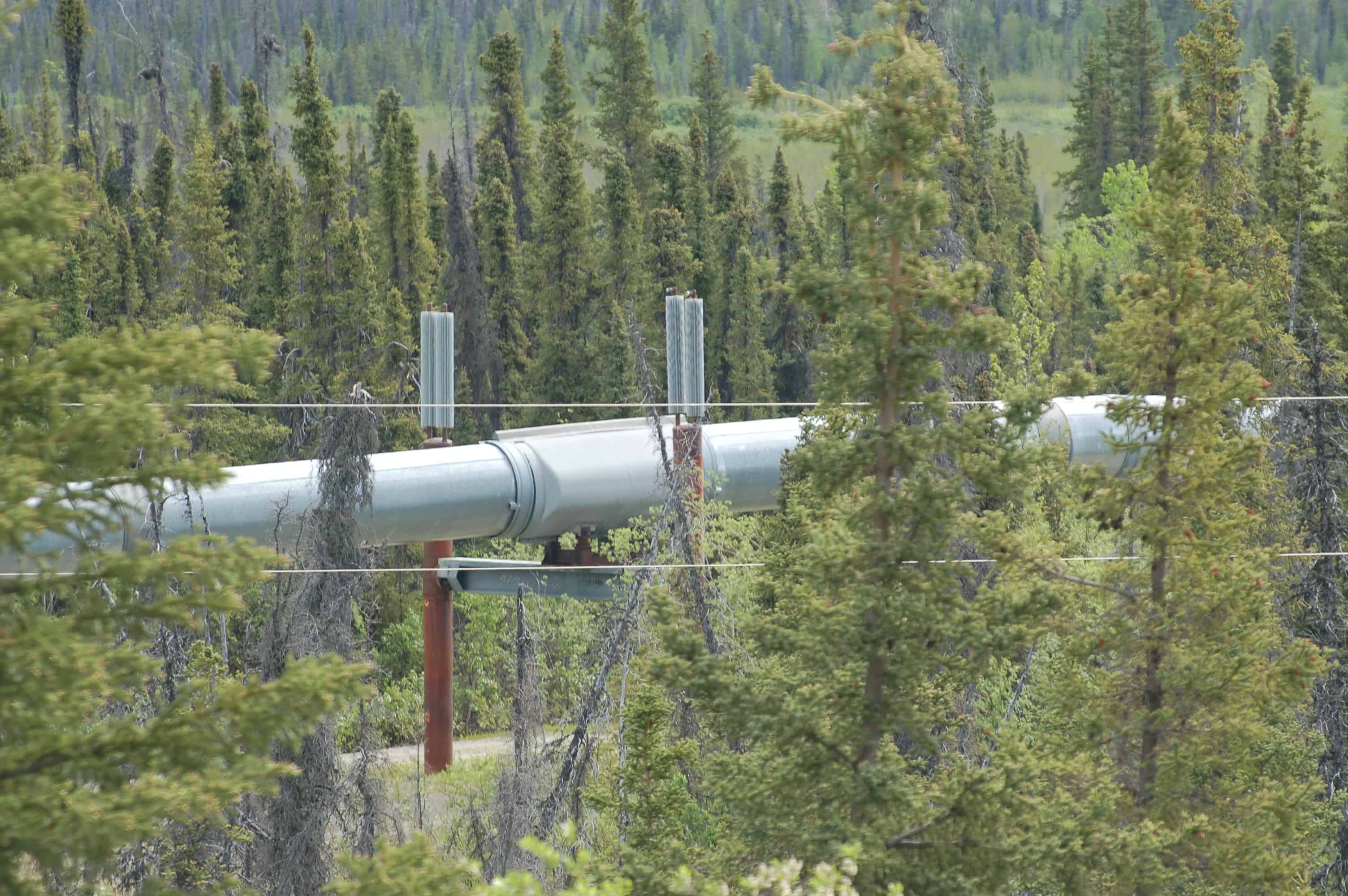
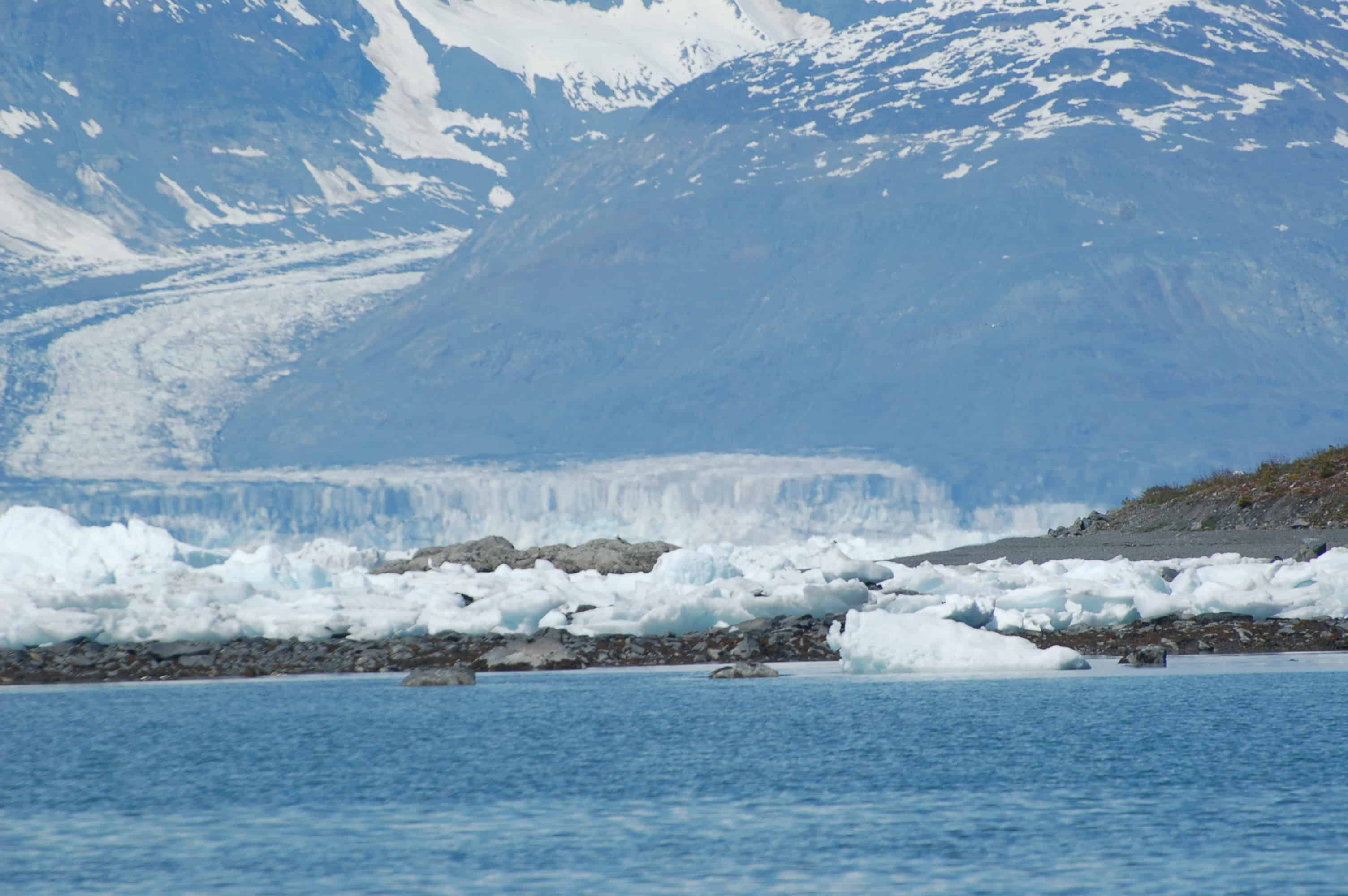
We drove up to the Worthington Glacier and got out to take a few pictures. It was cold and raining and the stop was short.
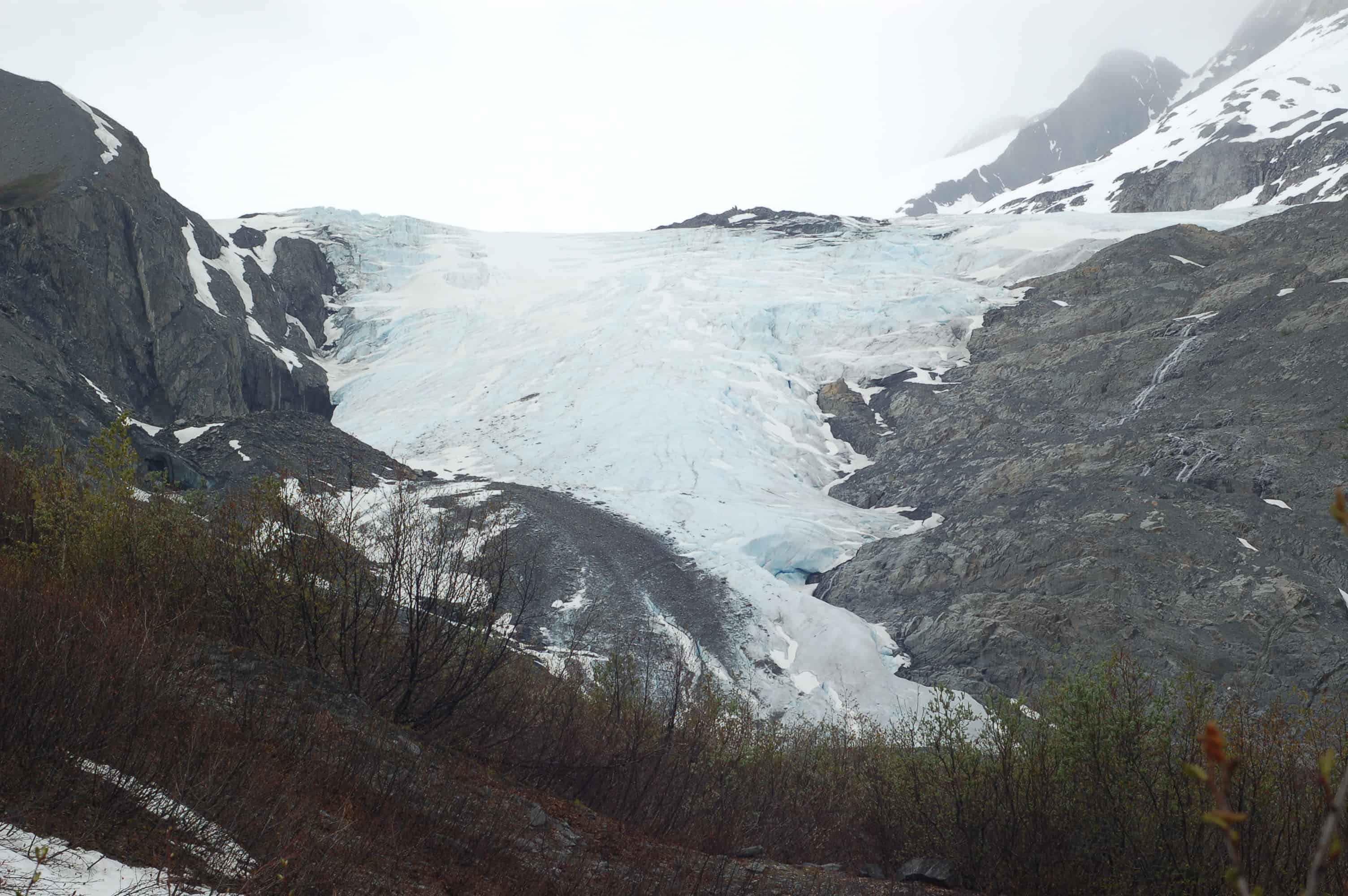
Then it was up over Thompson Pass and down the long descent toward Valdez. Two waterfalls along the way are worth their own moments.
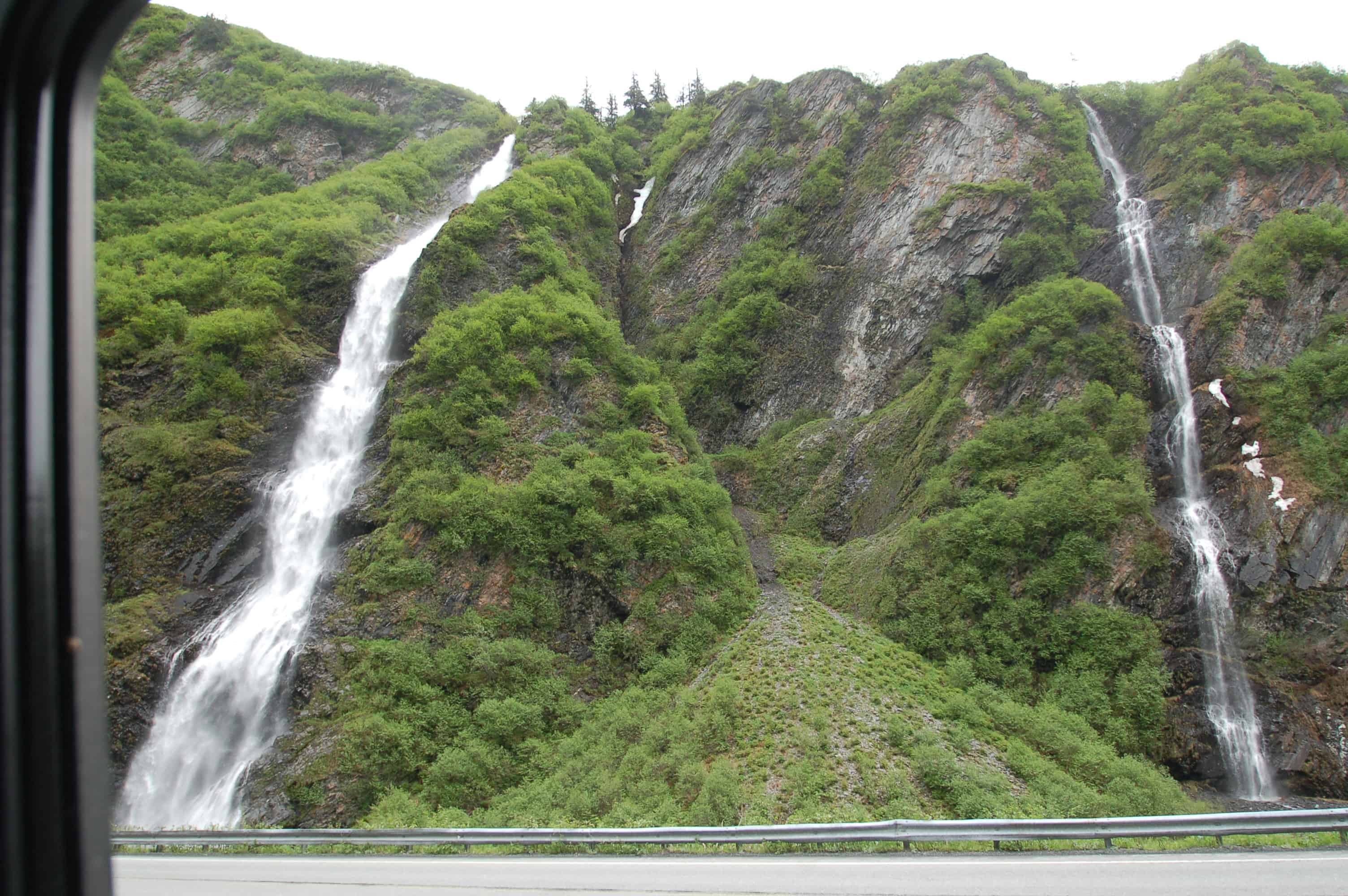
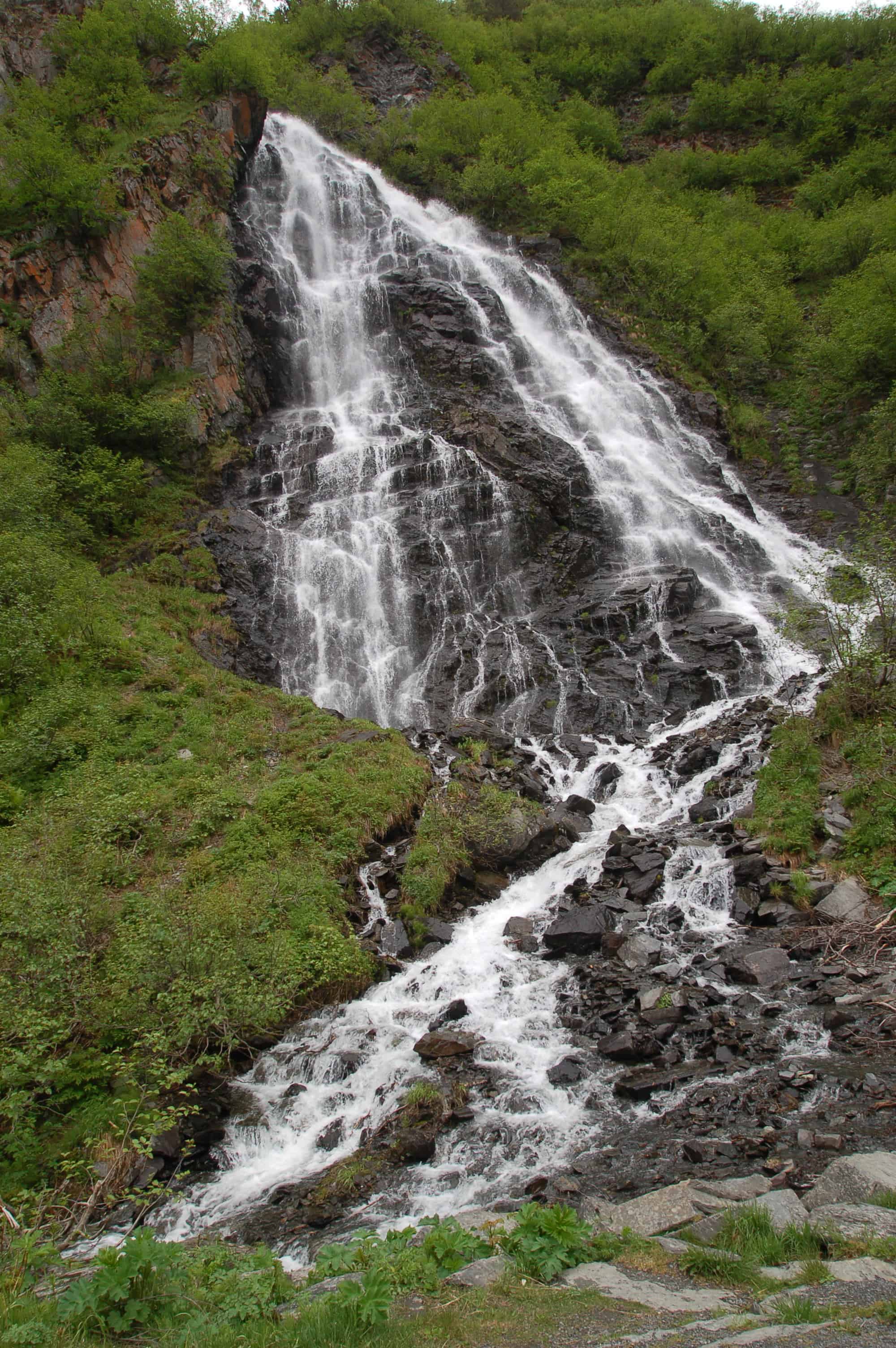
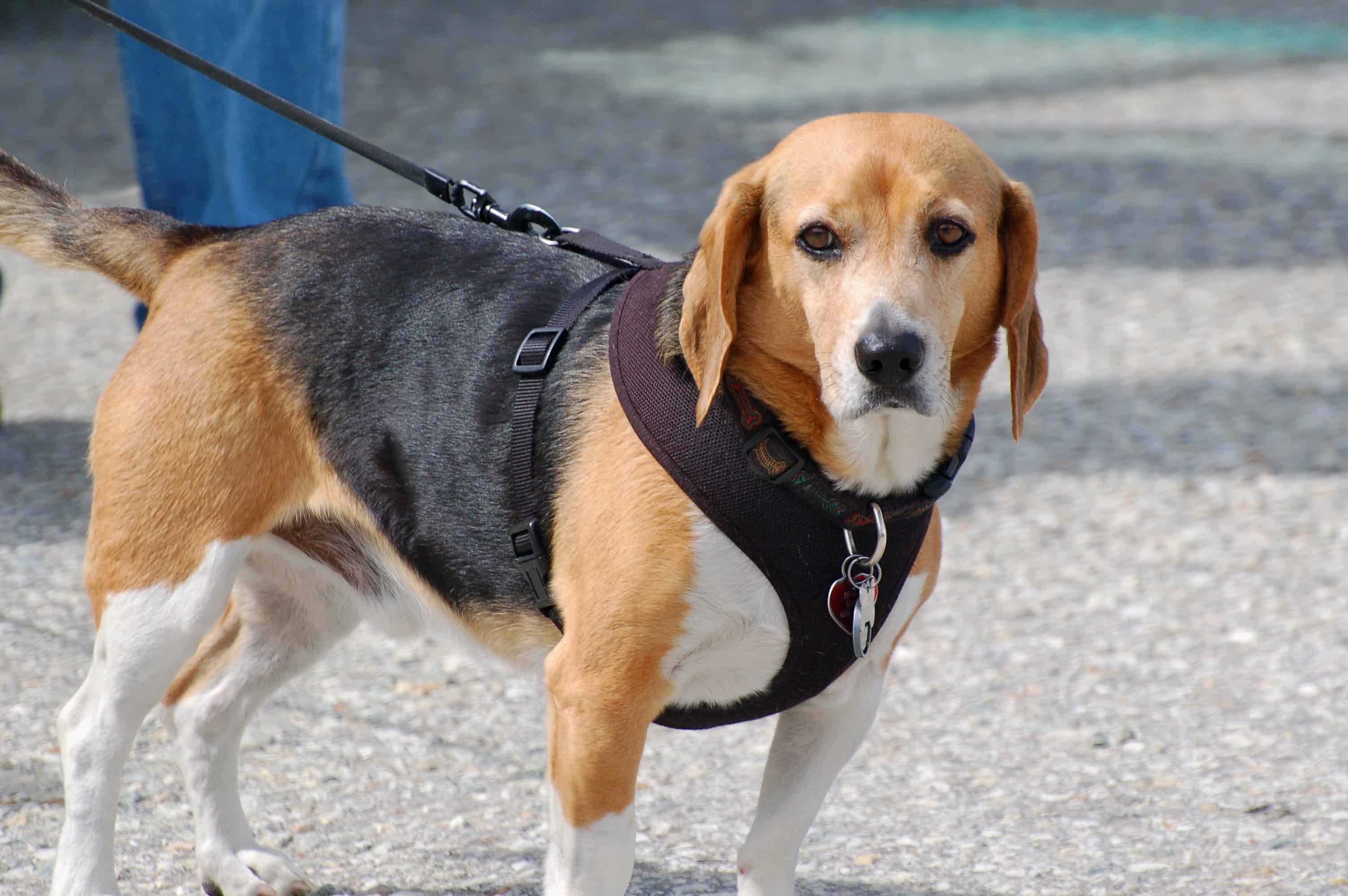
We arrived in Valdez around four-thirty in the afternoon and checked in for the stay. Later in the evening our friends Hal and Kim rolled in with their trusted dog Benny, of whom we will have many tales to tell in a later post.