Dateline July 3, 2013, Traveling from Missouri to Cody, Wyoming
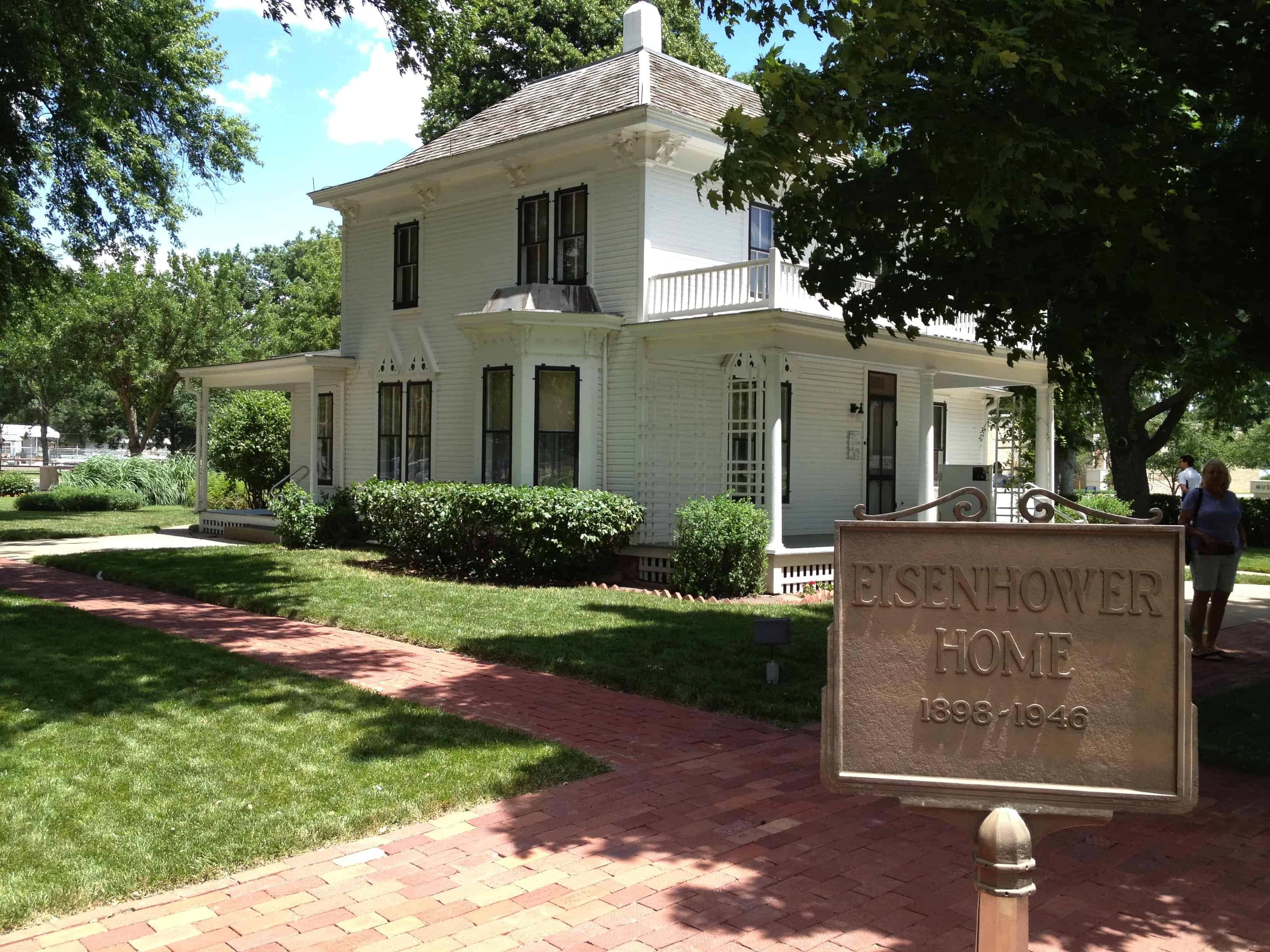
We left Missouri without playing the golf we had scheduled. A Missouri Golf Association tournament had the course tied up. So we adjusted, did the Truman Library, then drove west to the Eisenhower Library in Abilene, then continued on toward Cody. We have a reservation later this trip for the Reagan Library too. Three in a row, if you are counting at home.
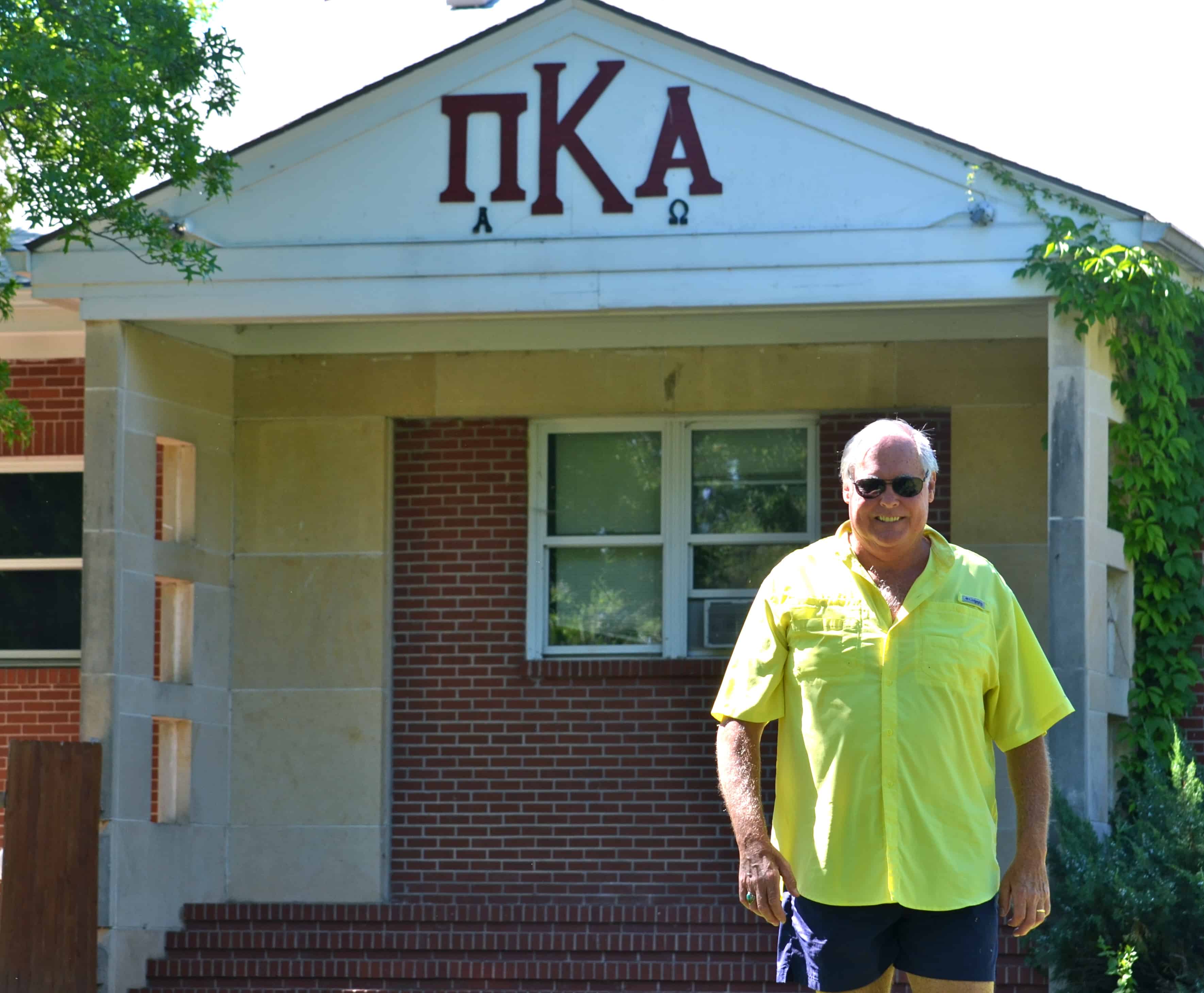
Driving west from Abilene, John could not get past Manhattan, Kansas without stopping. Kansas State is his old college. He attended from the fall of 1965 through 1967, until his number came up to serve. He went home to Long Island, where the family had relocated earlier that year, and enlisted in the Army Security Agency. (That ASA training is what made the Marconi site at Glace Bay feel like a kind of homecoming when we stood there last summer.) On the way through Manhattan now, we pulled over and looked at two of John's old haunts.
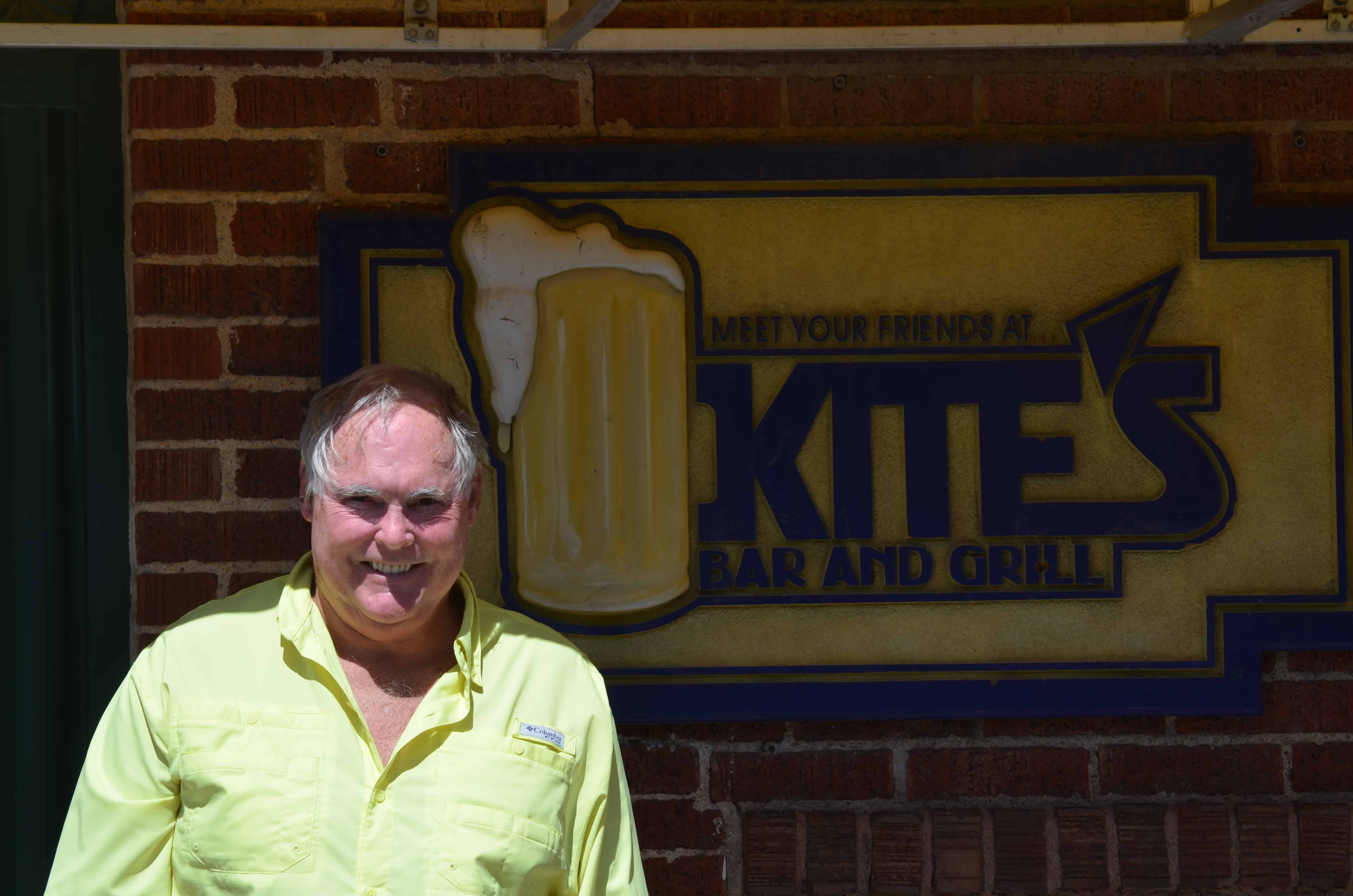
A word about Kite's, since it deserves one. The building goes back to 1920, when it was the Shamrock Tavern, known to a generation as Slim's, after owners Slim and Marie Redecker. Earl Williams, a former K-State football player, bought and remodeled it. In October 1954, Keith "Kite" Thomas, a Kansas City native who had just retired from professional baseball after a career as an outfielder with the Philadelphia Athletics, the New York Yankees, and the Washington Senators, turned Slim's into Kite's. The place really came into its own the year after, when the university declared the Blue Lounge on North 3rd off limits for university women, and Aggieville quietly emerged as the new student drinking quarter with Kite's at its center. Ownership passed on New Year's Day 1969 to Terry Ray, who had been working at Kite's as a K-State student since 1963. In 1971 Terry took over Schneider's Dance Studio next door and built out the back room. Mike Kuhn, K-State All-American defensive end and still the holder of the record for most blocked punts in a single K-State game, was an owner during those years. After a brief stretch as the 12th Street Pub, Rusty Wilson, who had bartended for Terry, brought back the Kite's name. He is credited with pouring Kite's first cocktail the day Kansas legalized liquor by the drink. The current owner, Scott Sieben, started here as a kitchen boy, worked his way up to general manager, and eventually bought the place. Manhattan High and K-State alumnus, century-old tavern in his hands. Go State.
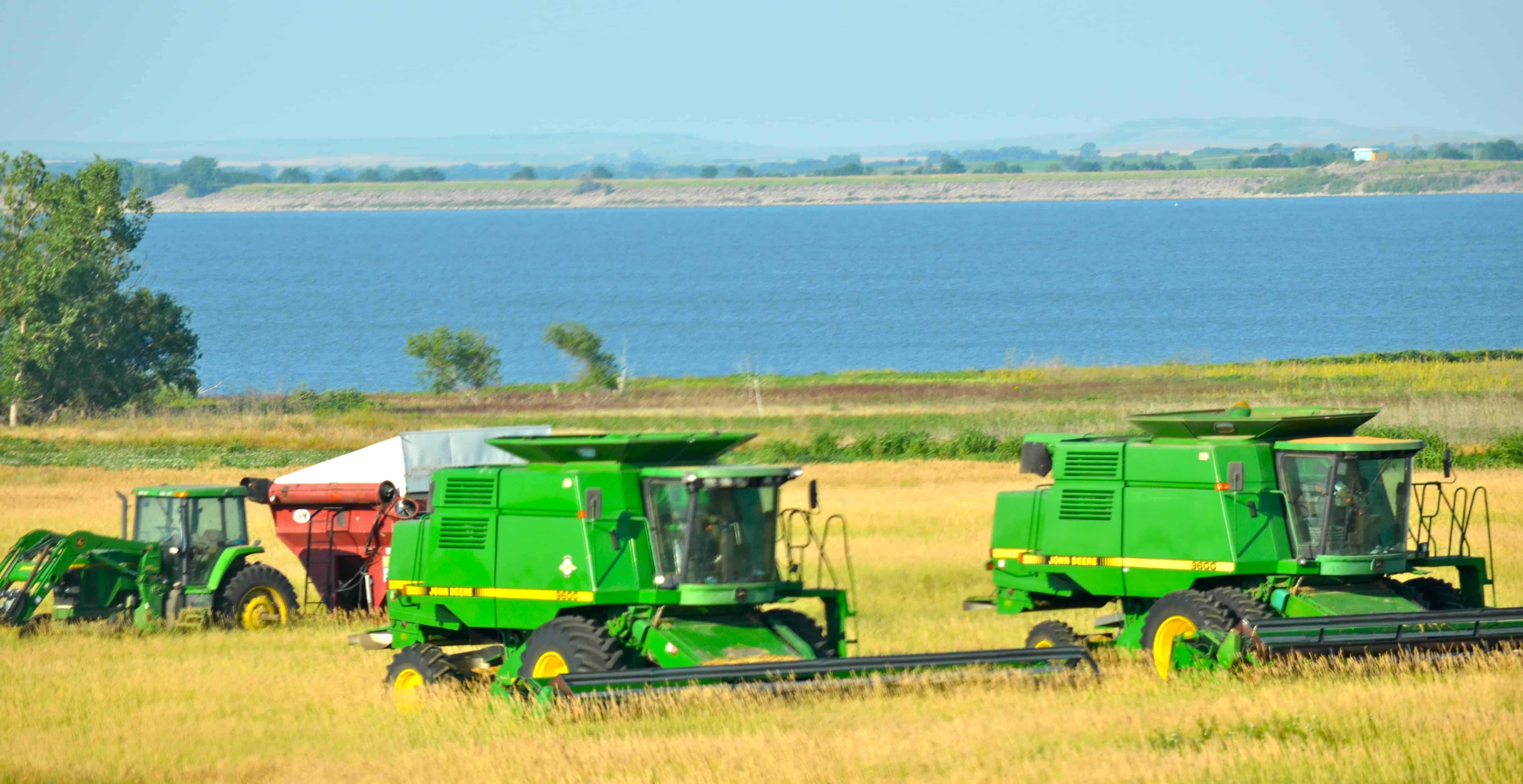
Leaving Manhattan we headed toward Cody. By evening we were ready to stop, and right in the middle of the Kansas wheat fields John spotted a state park on Lake Waconda. Waconda is one of the largest lakes in Kansas, ringed by wheat. It was a wonderful spot with full hookups, and we had a fine evening of drinks and dinner.
In the morning we drove down the road to see the world's largest community ball of twine.
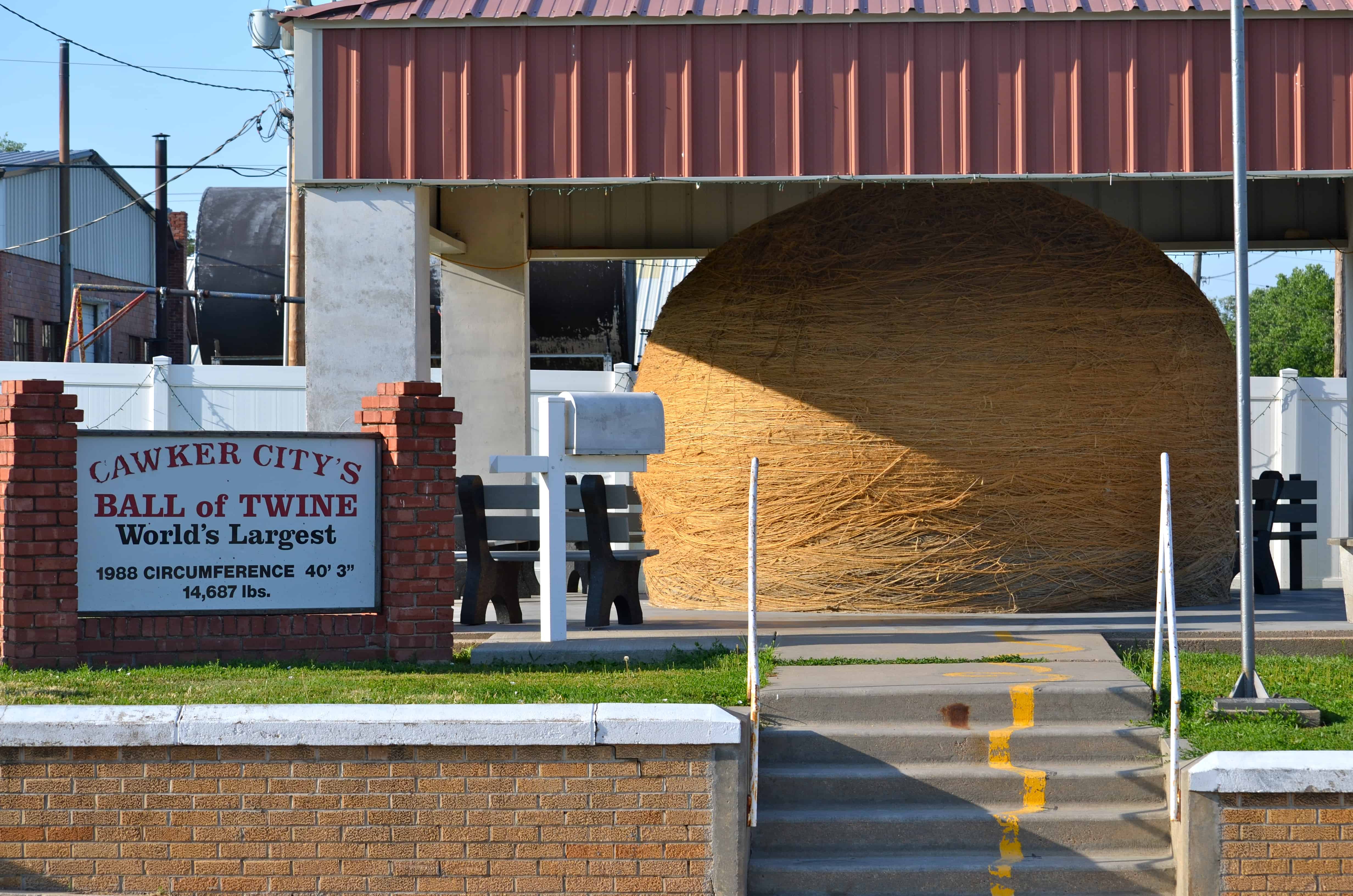
Frank Stoeber, a resident of Cawker City, Kansas, started the project in 1953 after reading about a man in Minnesota who was building one. By the time Stoeber died in 1974, he had 1.6 million feet of twine wound around an eleven-foot ball. The town of Cawker City built an open-air gazebo over Stoeber's ball, and every August they hold a Twine-a-thon where the community adds another year's worth. By 2006, the ball weighed 17,886 pounds with a circumference of forty feet.
We continued west through Kansas, then Nebraska, then into Colorado, and stopped in Ft. Collins for the night. The next morning we played the Ft. Collins Golf Course.
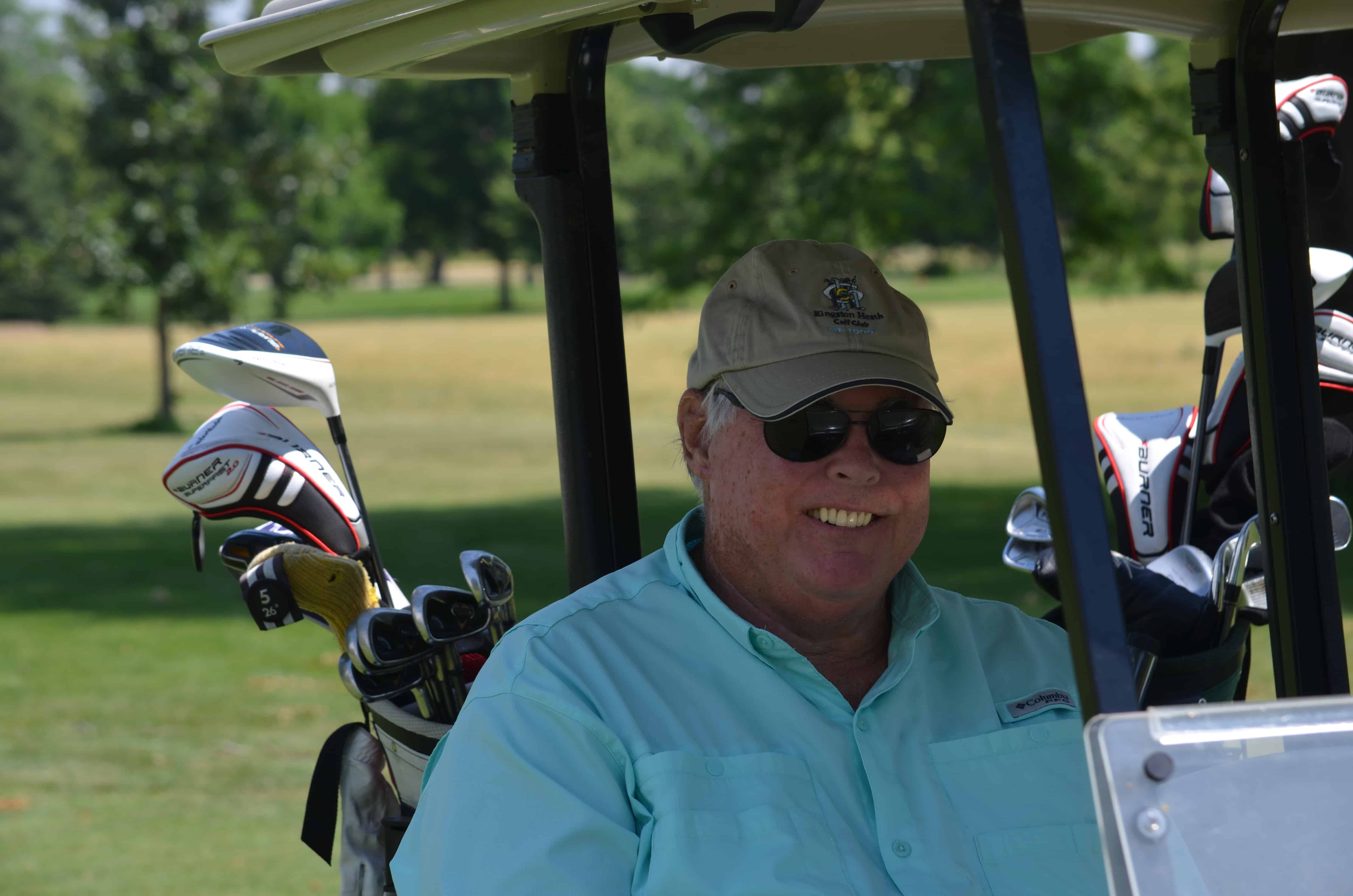
We played with a young man who lived there, originally from Wyoming. He had become a new father and taught computer skills at a local elementary school. He gave us a list of places on the road to Cody we should not miss.
We packed up the clubs and headed north toward Cheyenne, where we had some RV lights replaced, then on toward Laramie. Not finding a place to stay, we kept going up into the Medicine Bow National Forest. The forest covers both the Medicine Bow range and the sub-range called the Snowy Range. One of the historic stops our new golfer friend had mentioned was just off the road, so we turned south on a dirt track to find the Ames Monument, designed by Henry Hobson Richardson and built in Sherman, Wyoming.
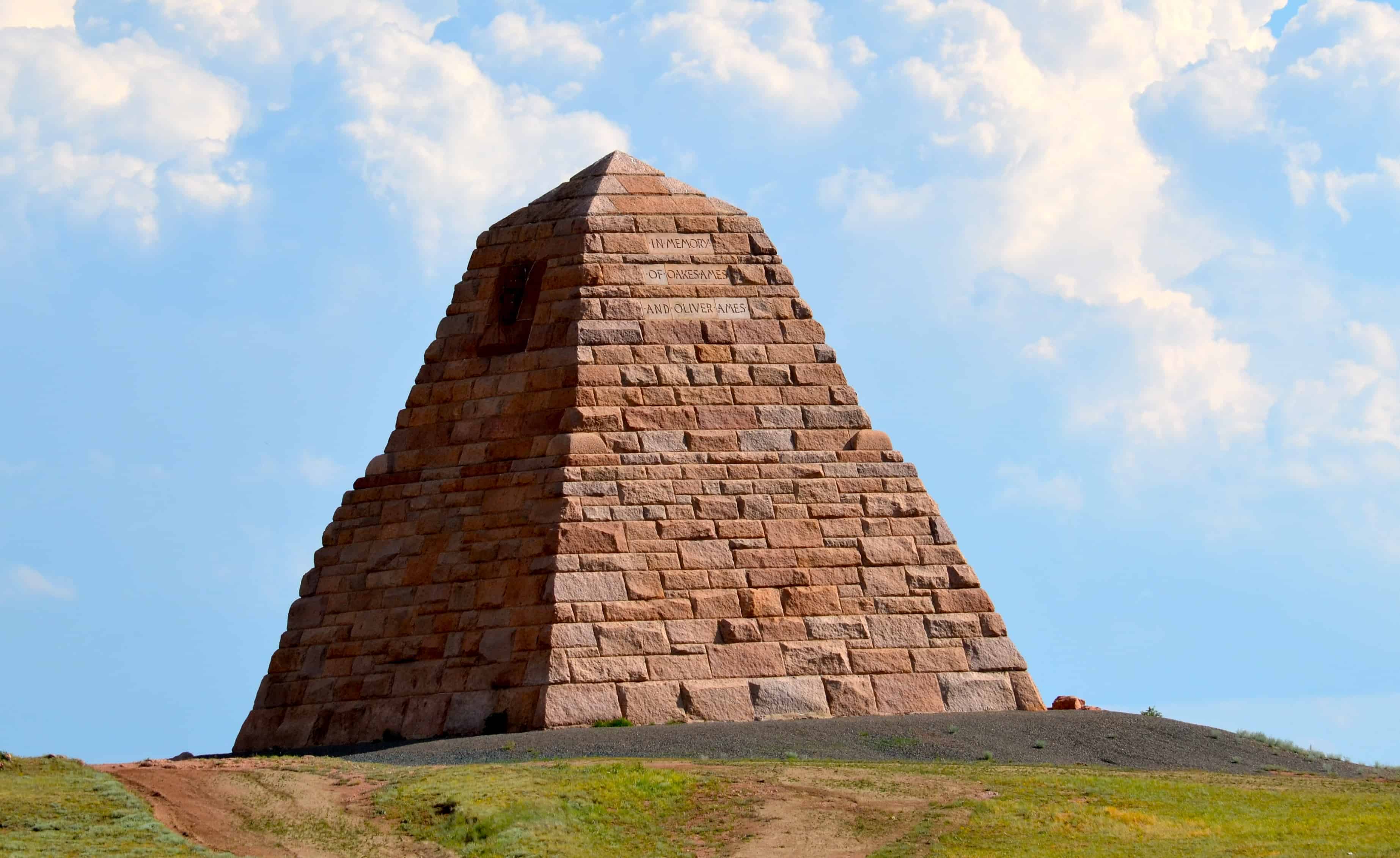
The Ames brothers, Oakes and Oliver, are credited with connecting the country by rail with the completion of the First Transcontinental Railroad in 1869. The Ames Monument marks the highest point on the original transcontinental line at 8,247 feet. The Union Pacific later relocated the tracks twice, both times further south, leaving Sherman a ghost town. The monument still stands.
We rolled into Centennial, Wyoming. The town began as a base camp for logging in the Snowy and Medicine Bow ranges while the Union Pacific and the Central Pacific were rushing to meet up. Then gold was discovered just southwest, and the Union Pacific ran a spur down from Laramie. We stopped at the local bar to ask where we might camp. (A bar owner should always know the local options for sleeping it off.) He pointed us across the street and said Jenny might let us park right outside her place. Jenny had no room, but she gave us a map and sent us up the road to an old RV site that was not currently in use. We found it, parked, and the views were breathtaking.
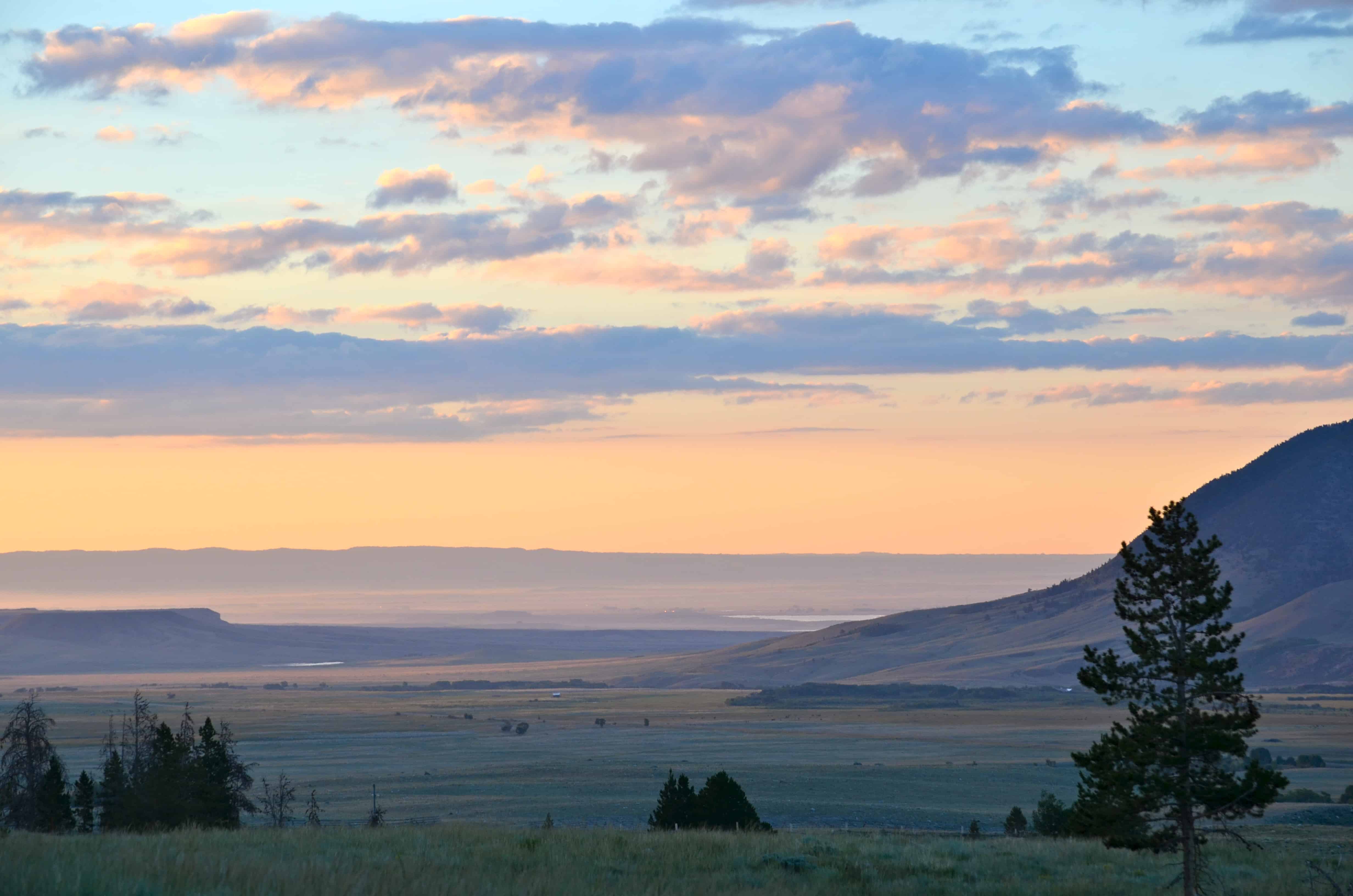
The sunrise was its own gift.
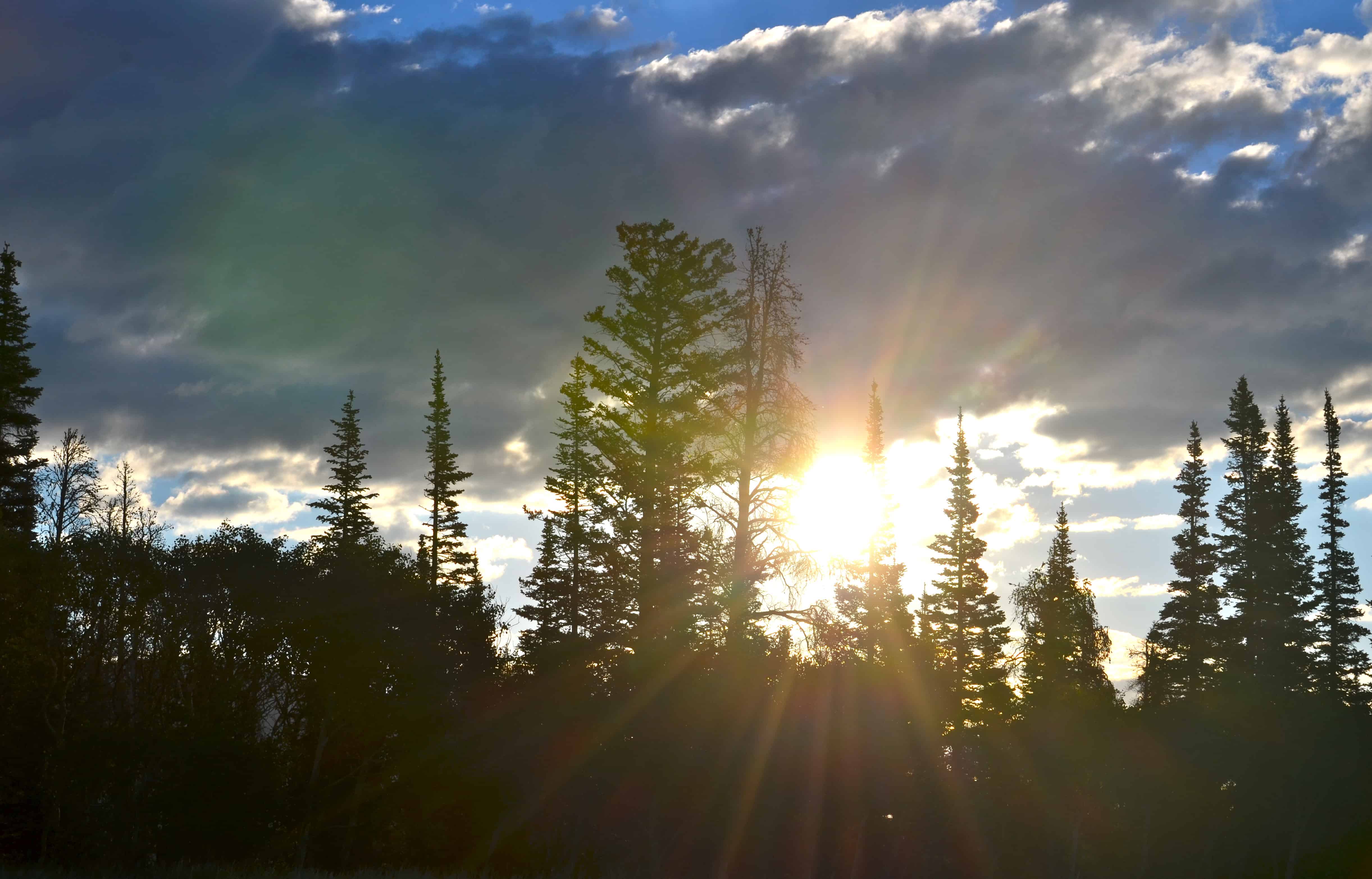
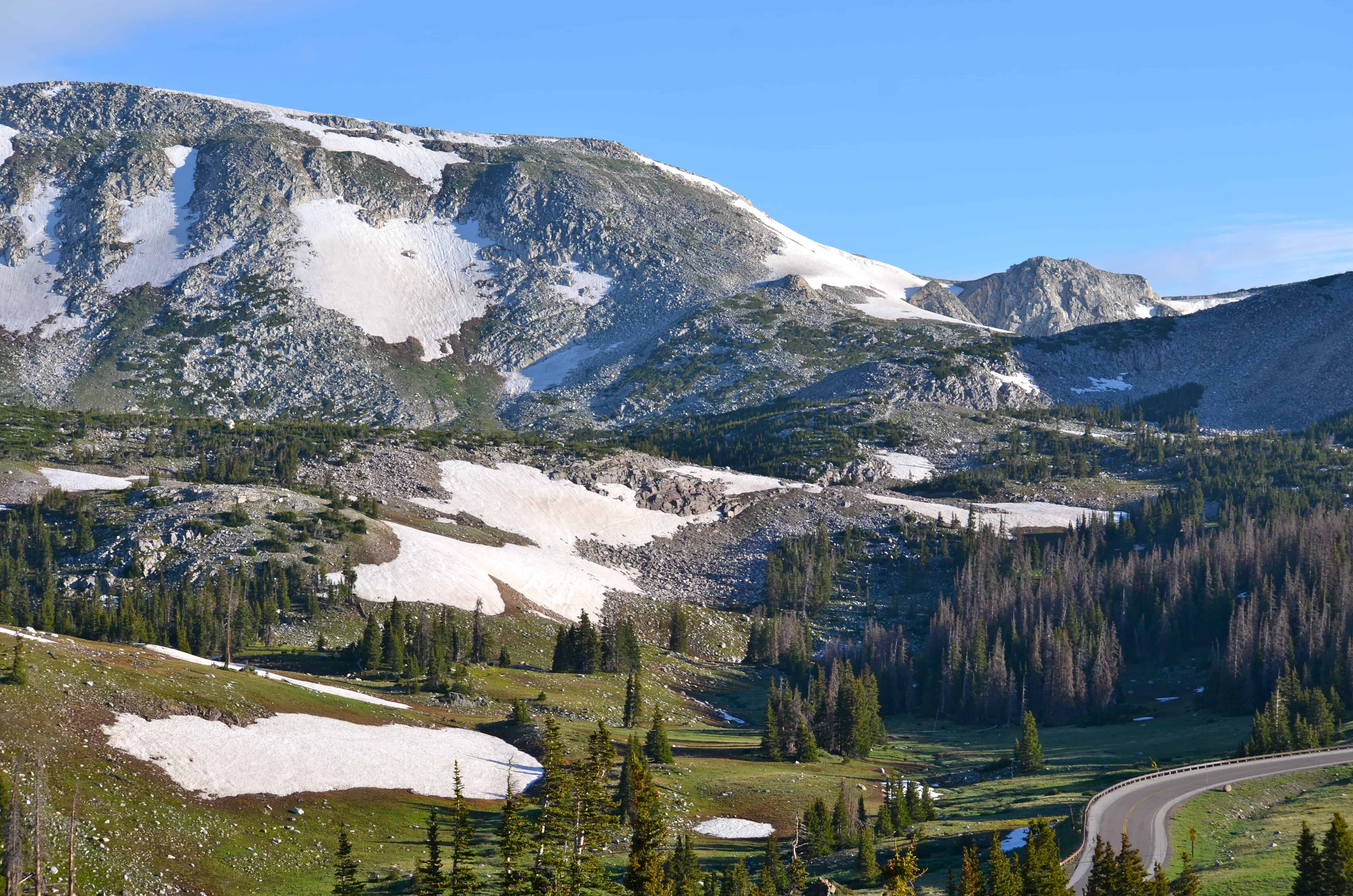
The Medicine Bow Mountains are part of the Rockies. The northern end of the range is the Snowy Range. Driving through it was one of the most beautiful stretches of road so far on this trip, unbelievably beautiful.
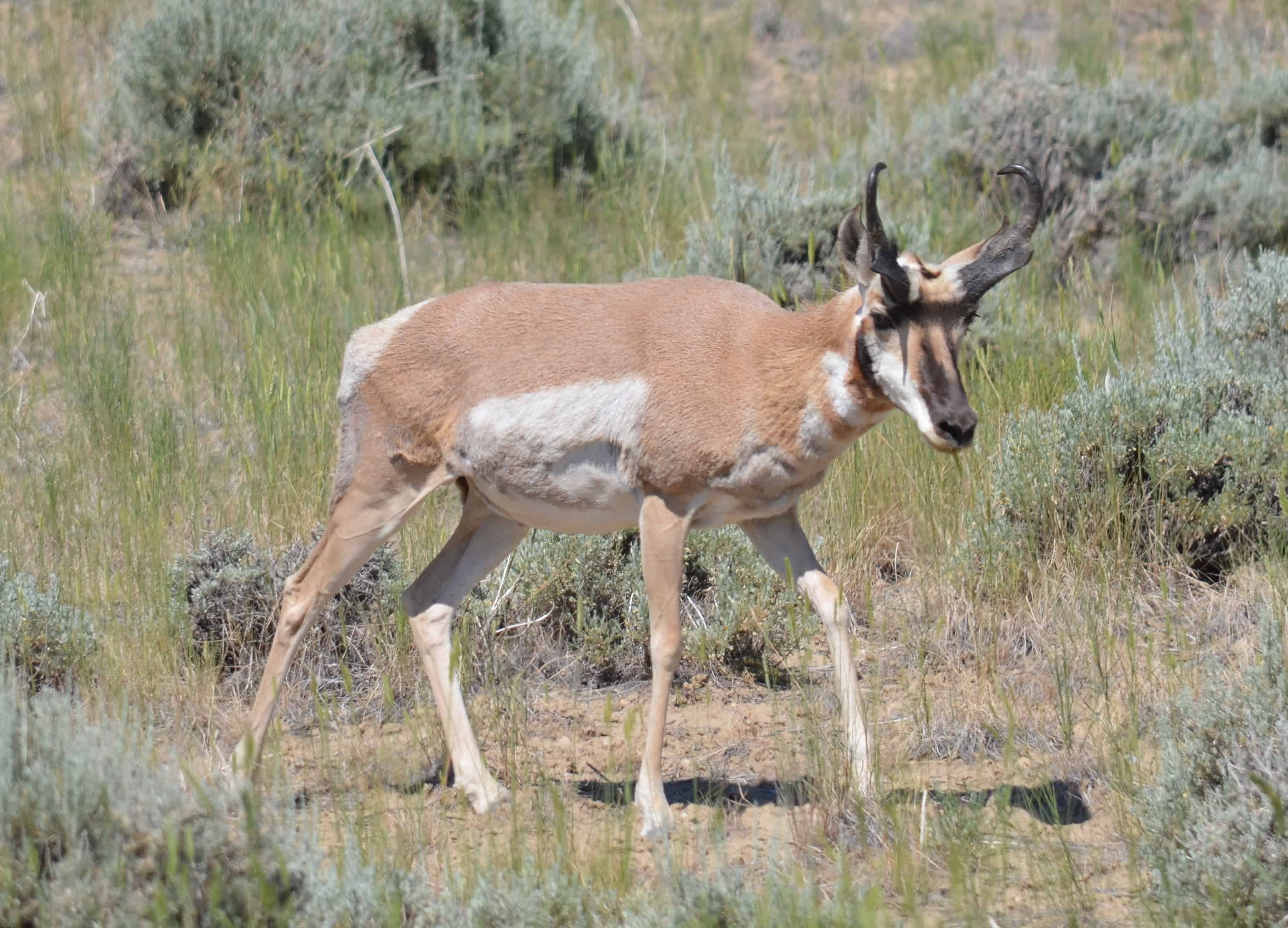
Janice looked to the left and spotted what at first looked like an antelope. As we learned later, it was actually a pronghorn, the only surviving member of a family that goes back somewhere between 11,000 and 2.5 million years. (The pronghorn is widely thought to have evolved its breakneck speed to outrun an American cheetah that has been extinct for thousands of years. It is now the fastest animal on the continent with nothing left fast enough to chase it.) What a find.
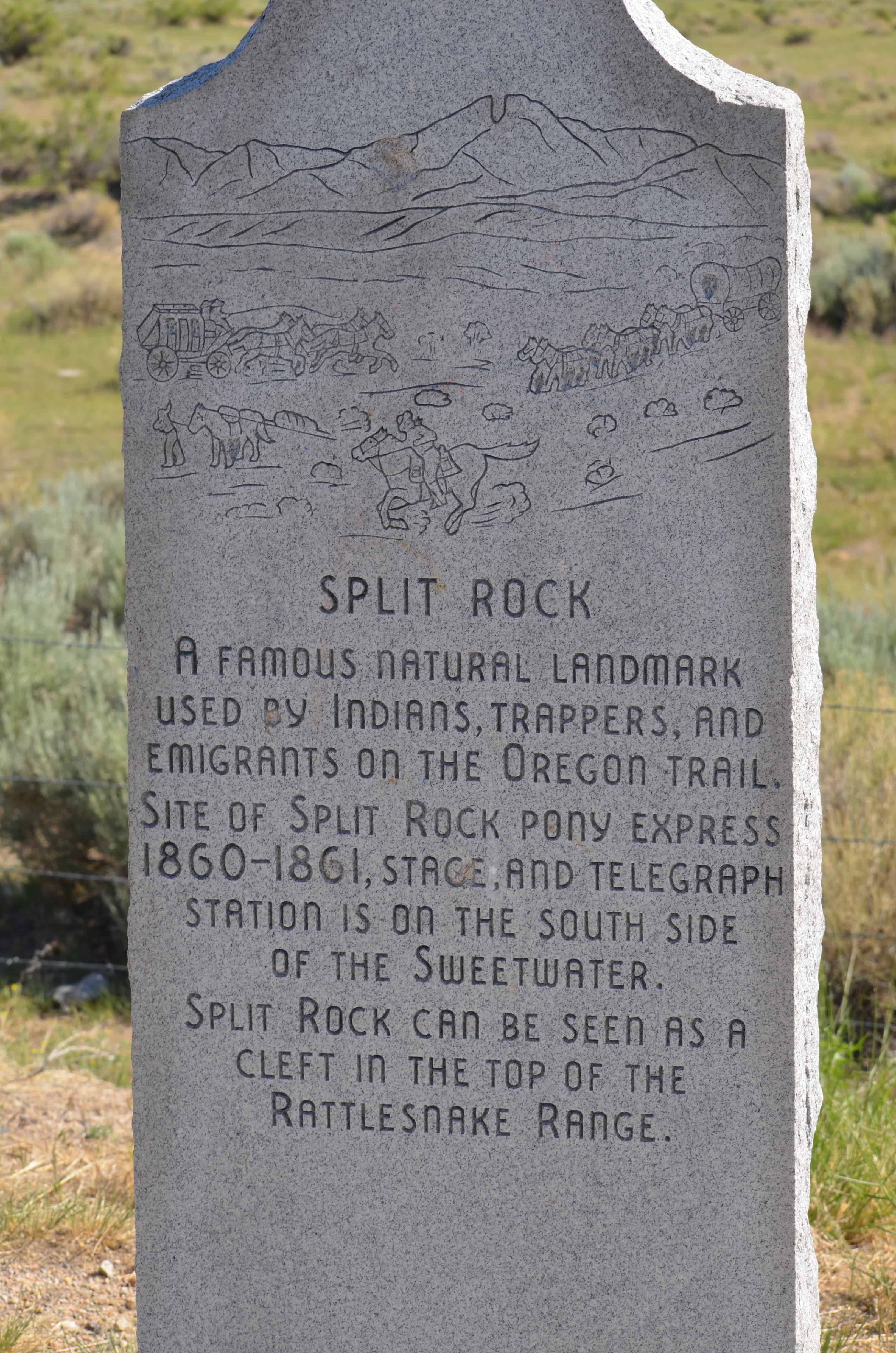
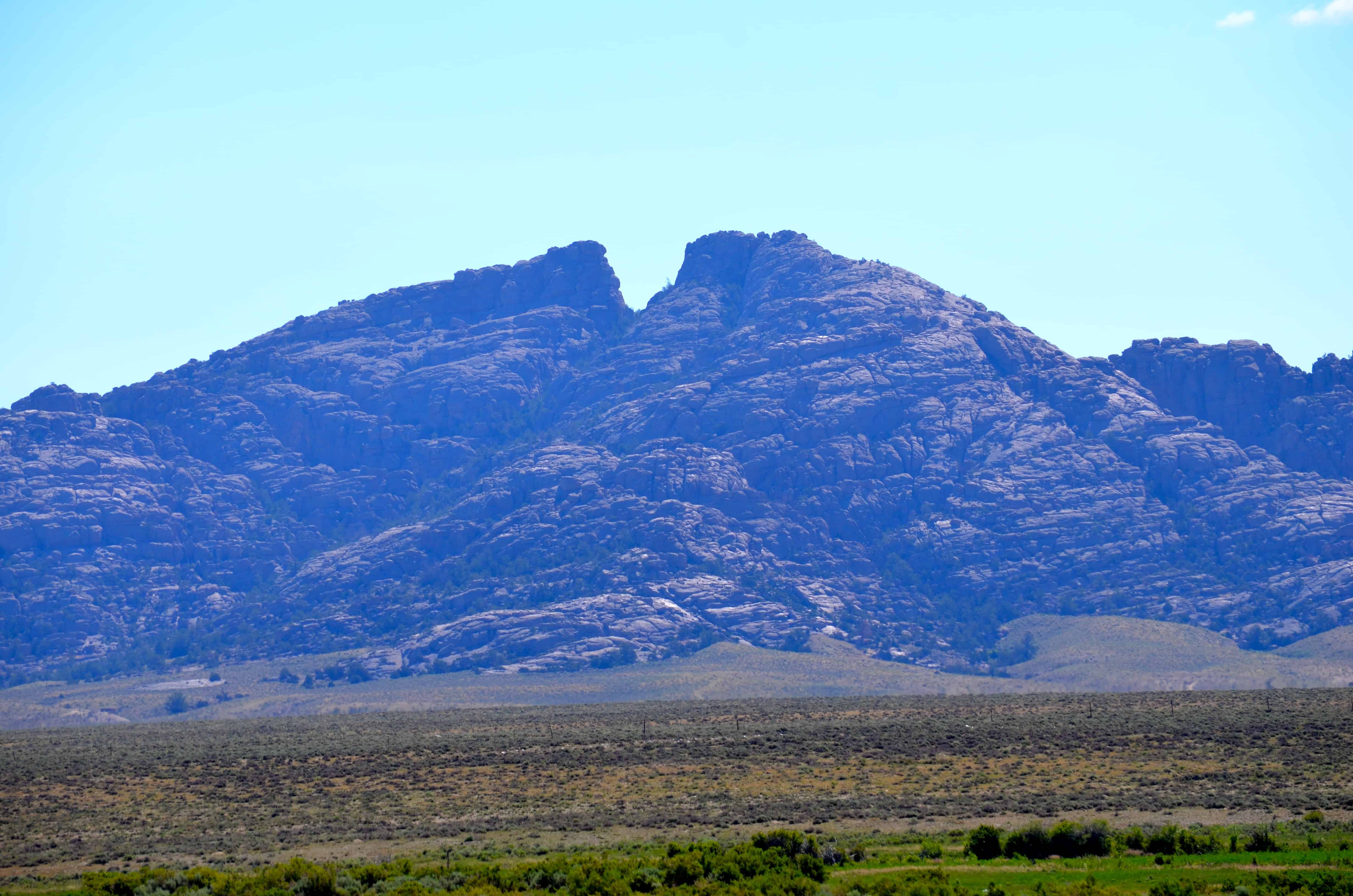
We kept passing historical landmarks. The next one was Split Rock, a landmark for both the Oregon Trail and the Pony Express.
On to Saratoga, famous for its hot springs. We followed the signs back toward the town pool and found the public springs.
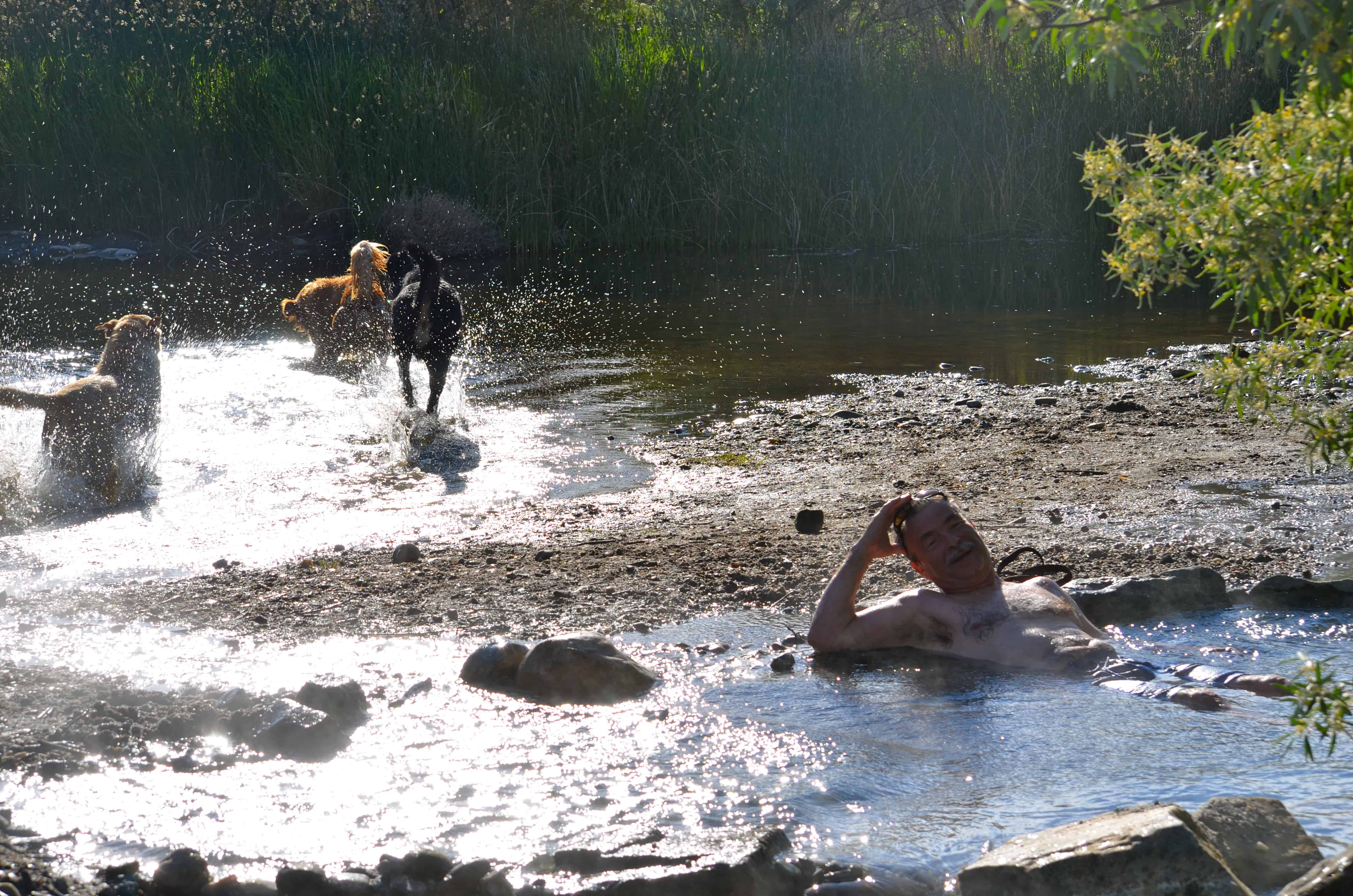
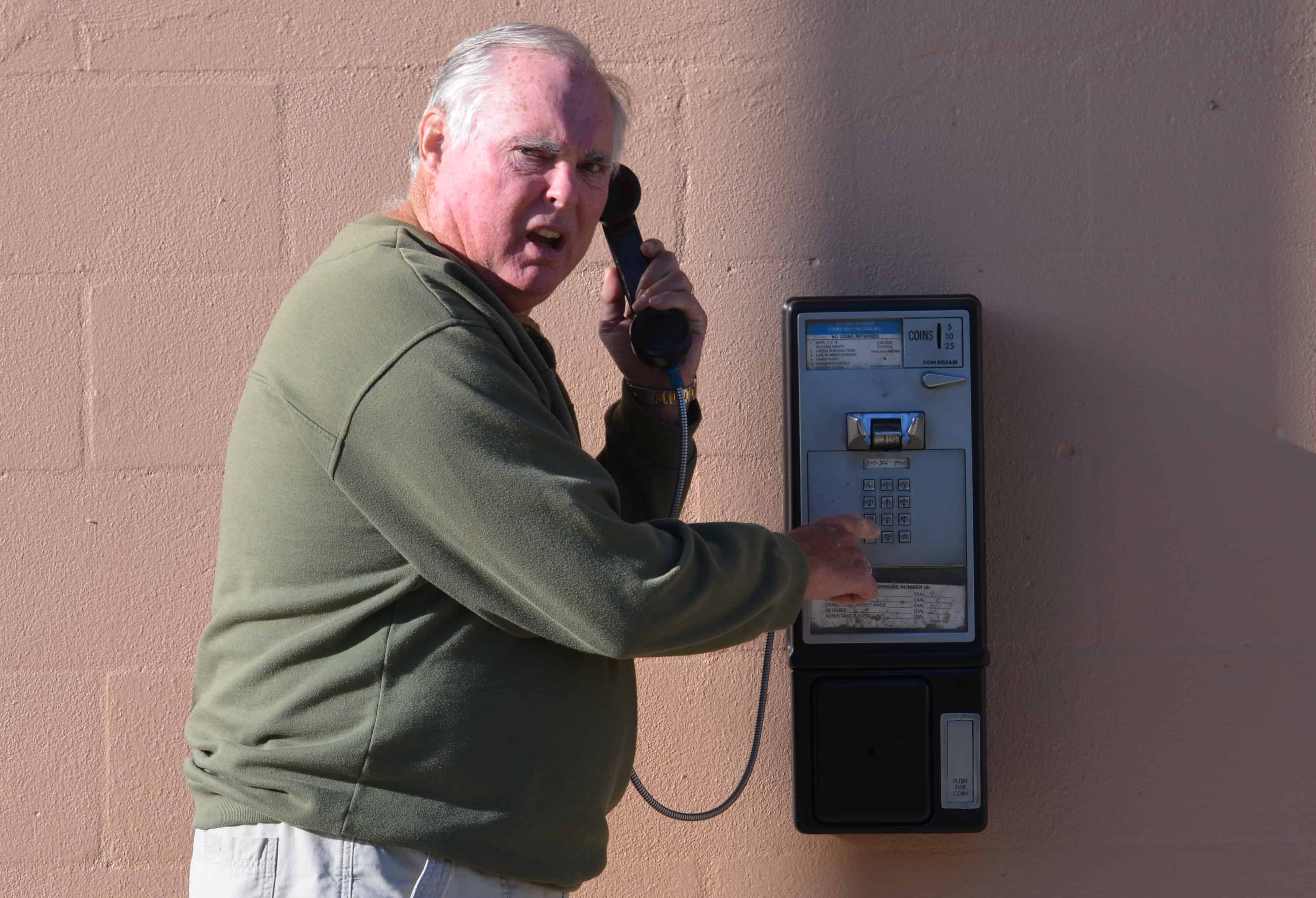
There were locals soaking in the river with their dogs. We passed. On the side of one of the town buildings John found a strange old wall-phone and tried to puzzle out how to work it.
One stop that turned out to be remarkable was the active archaeological dig and museum at Thermopolis, Wyoming. We did not get out to the dig itself, but the museum was incredible. They are well known for housing one of only twelve specimens of Archaeopteryx known to exist in the world today.
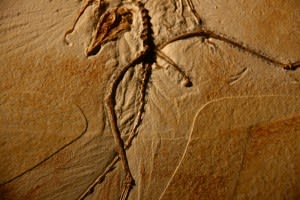
Their specimen, called the Thermopolis Specimen, is second only to the Berlin Specimen for completeness. It includes a well-preserved skull that gave scientists their first "top view" of an Archaeopteryx head.
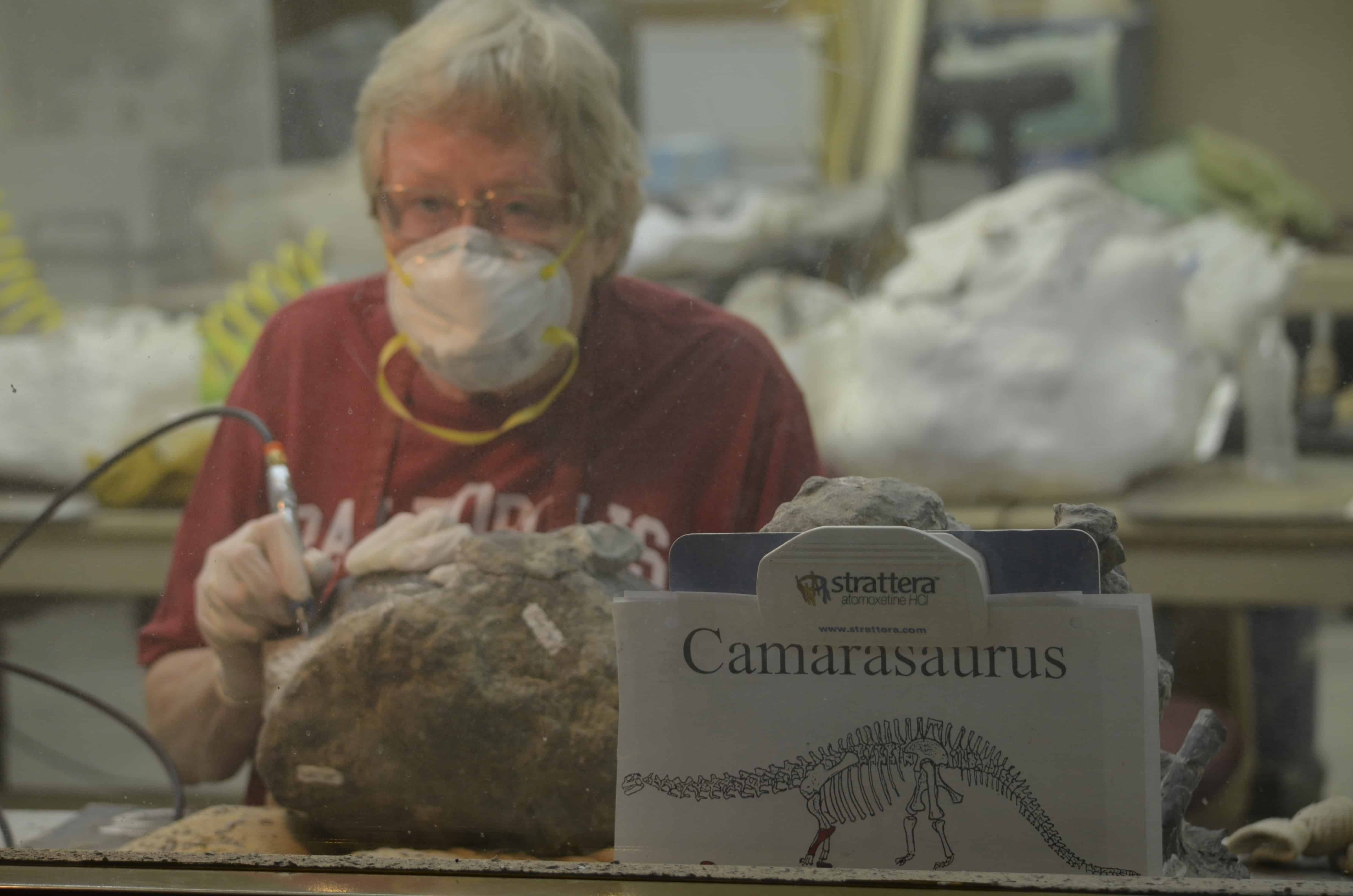
We watched through the lab windows as the team worked on specimens from the active dig. The whole museum was spectacular.
On to Cody.