Dateline May 8, 2016, The Norwegian Fjords
From Copenhagen the Norwegian Star turned north for the fjords of Norway's west coast. The morning after we sailed, the captain came on to warn us we were entering another low and would feel some waves, but after the Atlantic crossing we only smiled. We passed the wave test with flying colors.
Aalesund. Our first stop tested something else. The camera had quit on us right after Copenhagen, the mirror jammed so that every shot came out black, and there was no fixing it locally. We had been through this once before in Canada, when we dropped a camera, and once again we made a local, non-US camera-shop owner very happy. Many thousands of kroner later we had a new body that took all our old lenses, and we were back in business.
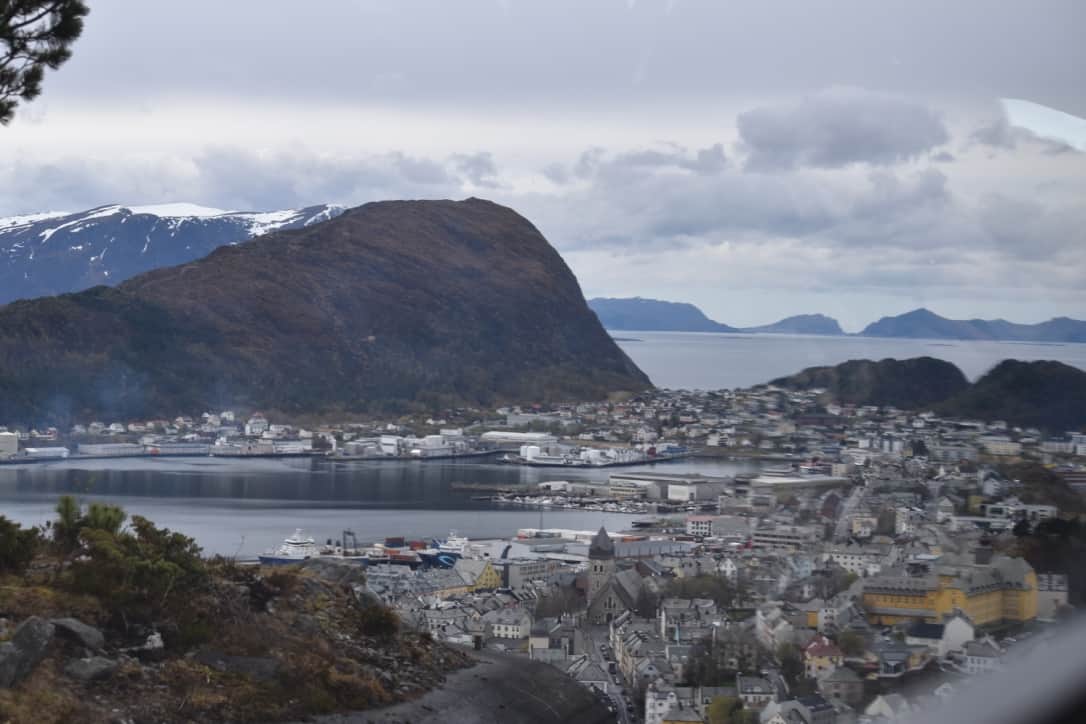
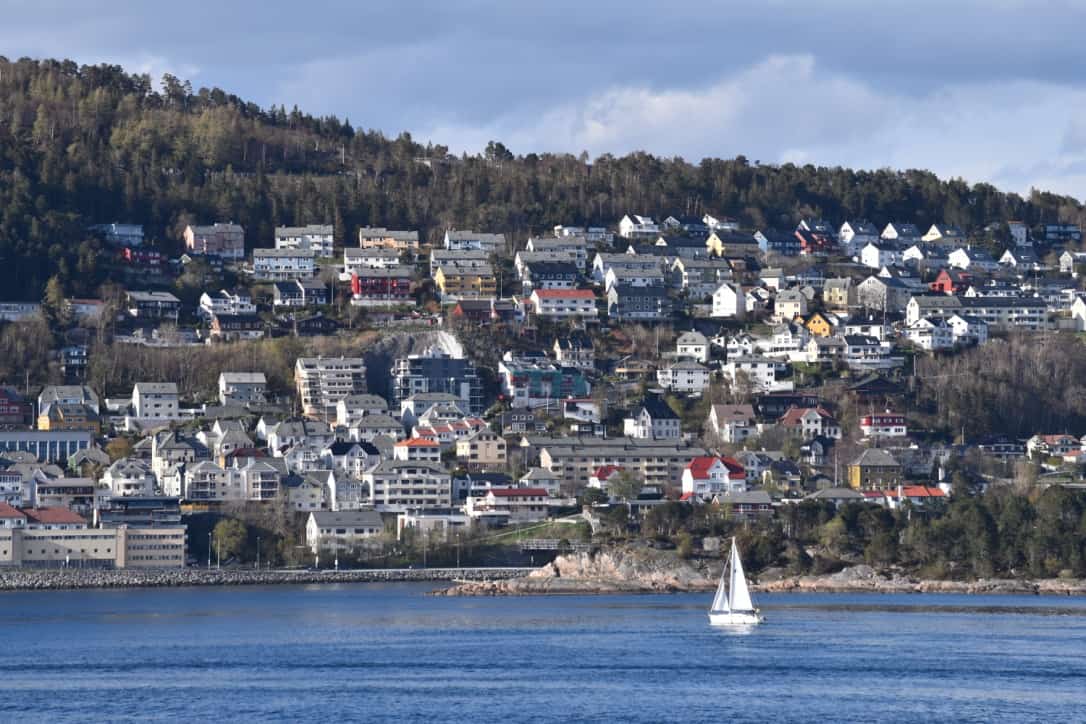
So we set off to see the town on the hop-on, hop-off bus, which carried us to the high points for views over the port and the bay. Aalesund is a handsome place, its houses painted in soft pastels up the hillsides.
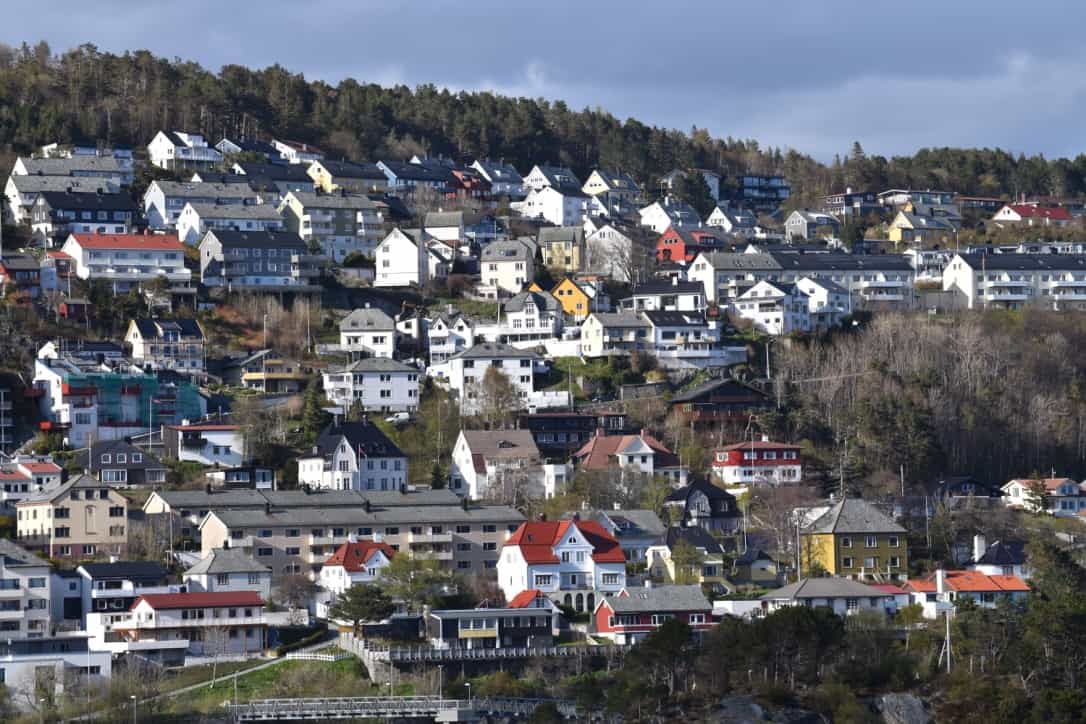
There is a reason it all looks of a piece. The town burned to the ground in 1904, a fire that began in a single business and spread on high winds, and Kaiser Wilhelm II, who had spent many happy summers there, sent the wood and materials to rebuild. The new Aalesund went up between 1904 and 1907 in the art nouveau style, and it has worn it ever since. We passed the old church, looked in on the sea aquarium, said to be one of the best in Europe, and headed back for "all aboard." An old fire boat saw us out of the harbor, shooting water high into the air, and once we cleared the bay it let off a small cannon for good measure.
Geiranger. The best of Geiranger was the arrival. We were up at four in the morning, out on the balcony in the half light to watch the cliffs slide past as the ship threaded the Geirangerfjord, one of the most beautiful fjords in the world and a UNESCO World Heritage site.
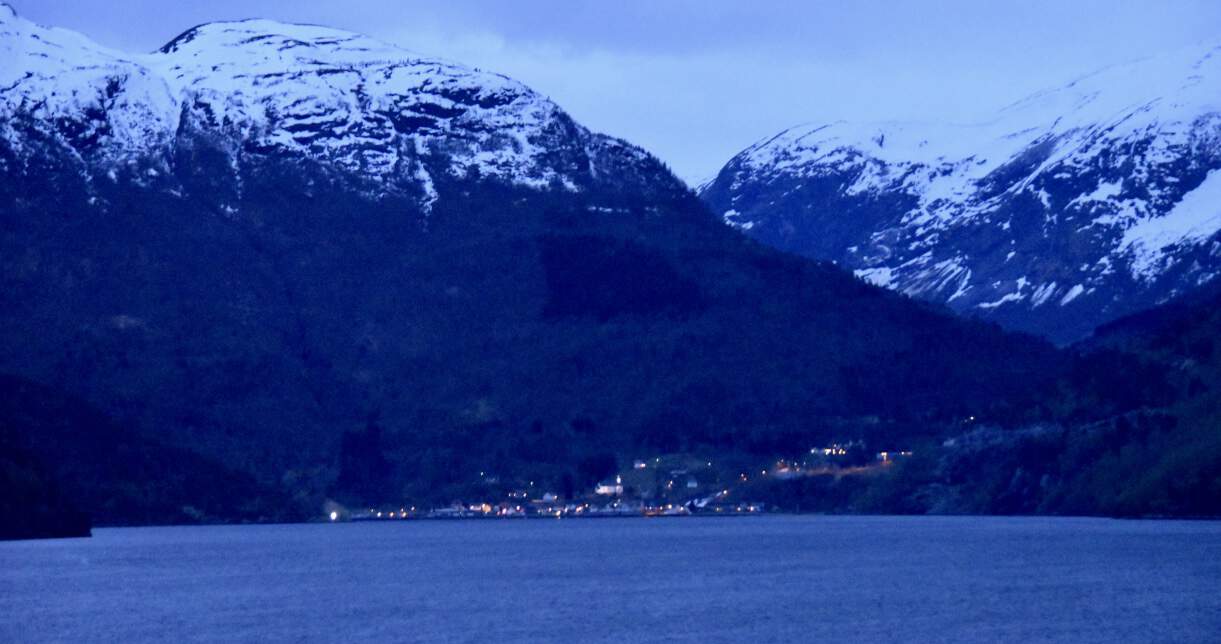
We anchored in the little harbor and took a launch ashore.
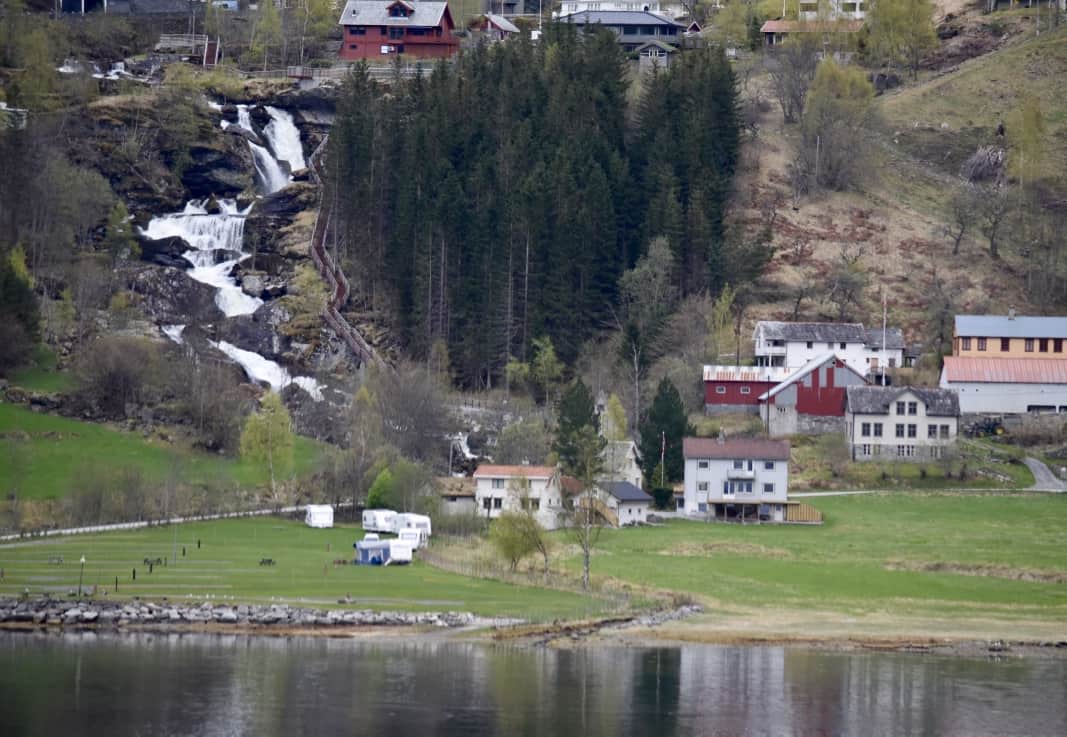
Geiranger keeps just 250 people through the year, though summer swells it past five thousand with Norwegians on holiday. Without the cruise ships, we were told, the town would have closed up long ago; tourism is what keeps it alive. The sightseeing buses climb the mountain road to around a thousand feet, turn, run back through town and up the far side to about the same height, an hour and a half of one stunning view after another.
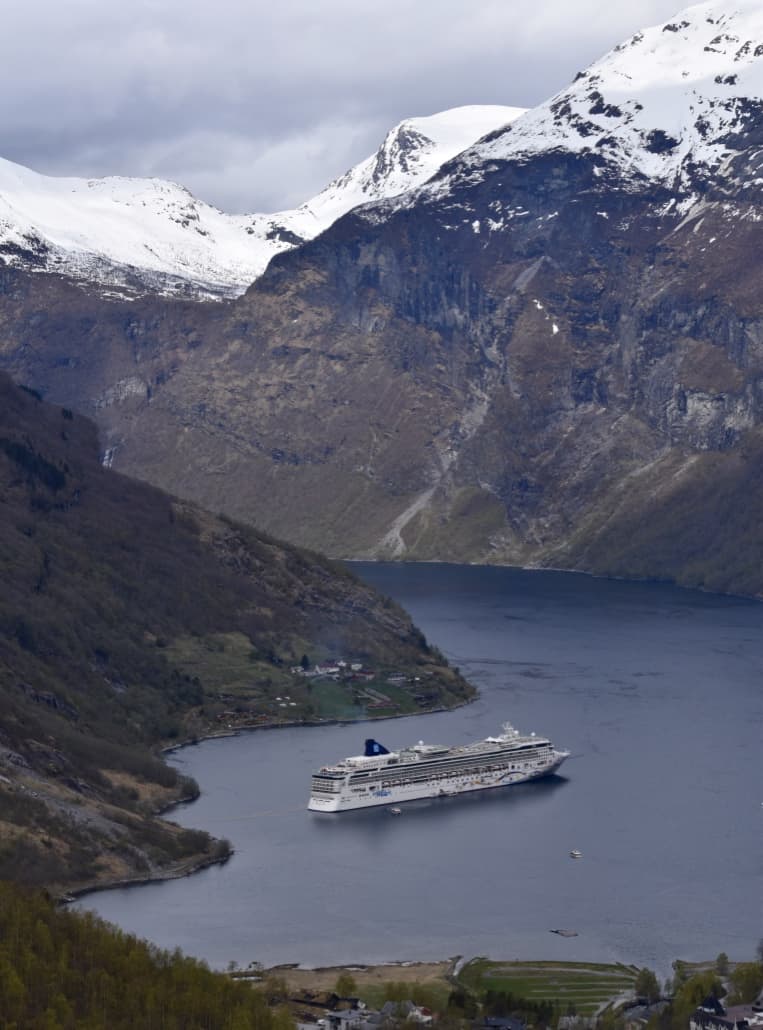
There was hiking, kayaking and boat touring on offer too, but the top of the mountain was still under twenty-one feet of snow with avalanche warnings, so we kept to the lower roads.
Flam. To reach Flam we sailed the Sognefjord, the longest fjord in the world, running two hundred kilometers inland, its shores settled since the end of the ice age some ten thousand years ago.
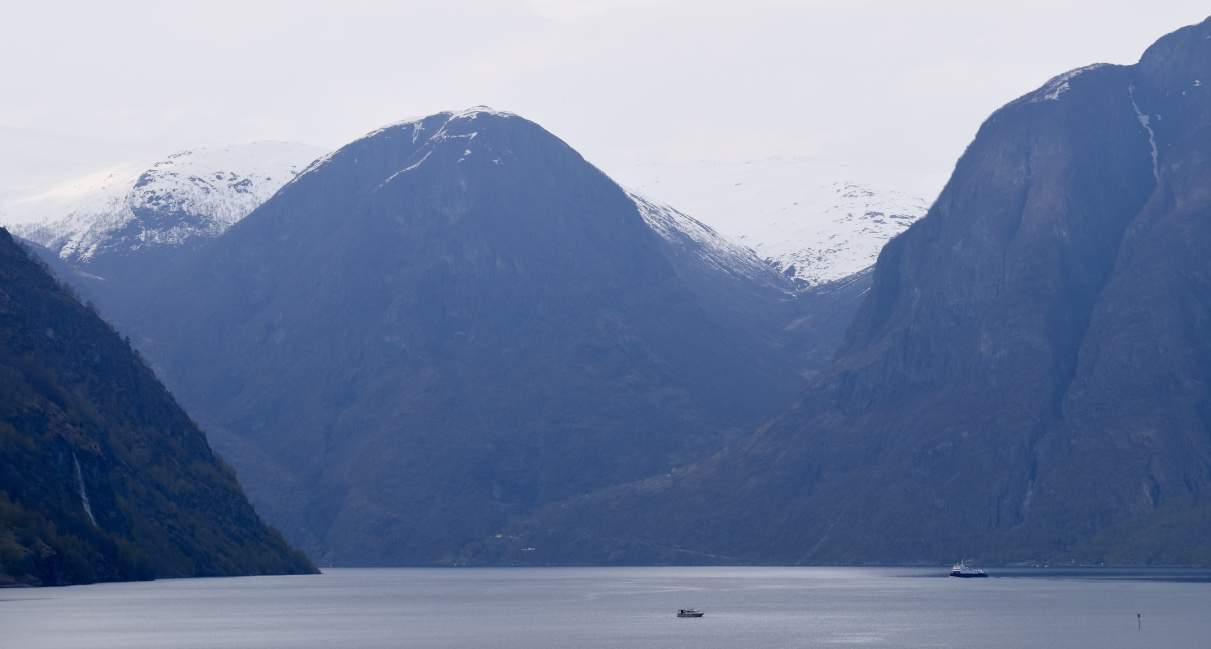
We arrived about thirty minutes late, and the captain explained why with some amusement. A lone fisherman in a skiff had planted himself square in the middle of the channel and would not budge, so a thousand-foot cruise ship had to come nearly to a dead stop to ease around him. Eventually he moved. Nothing like a game of chicken with an ocean liner.
Flam itself is a handful of shops and cafes, but it is the foot of the Flamsbana, the Flam Railway, and that is the reason to come. The line was authorized by the Norwegian Parliament in 1923, runs twenty kilometers with twenty tunnels, eighteen of them cut by hand, and climbs 866 meters on the steepest standard-gauge track in the world.
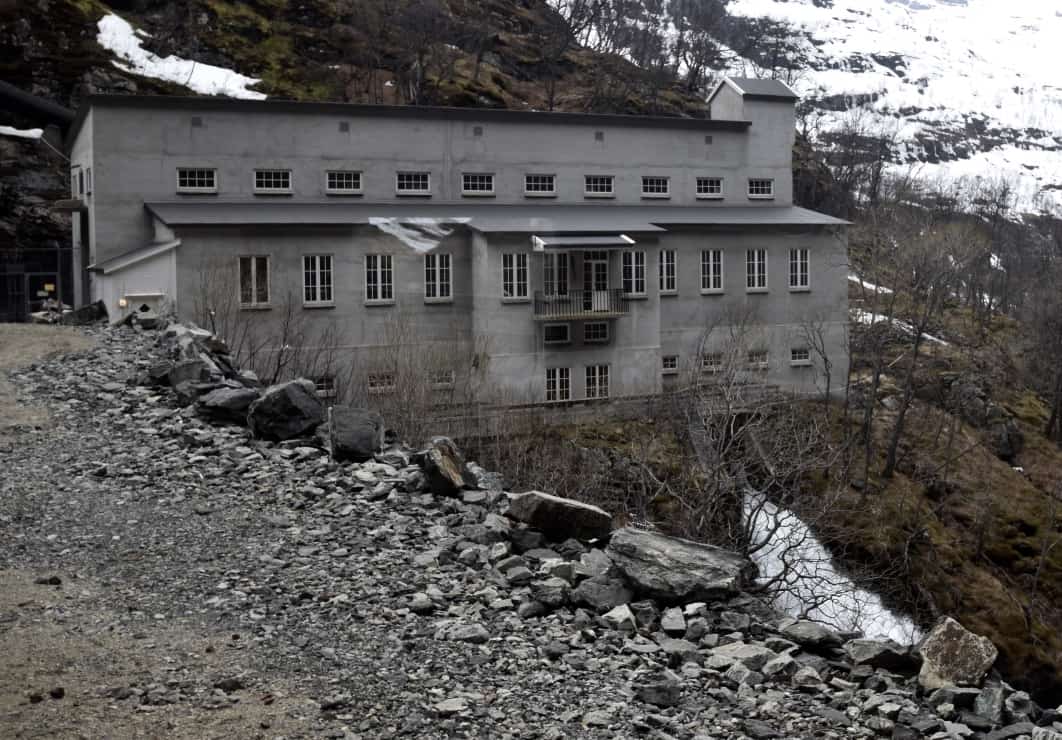
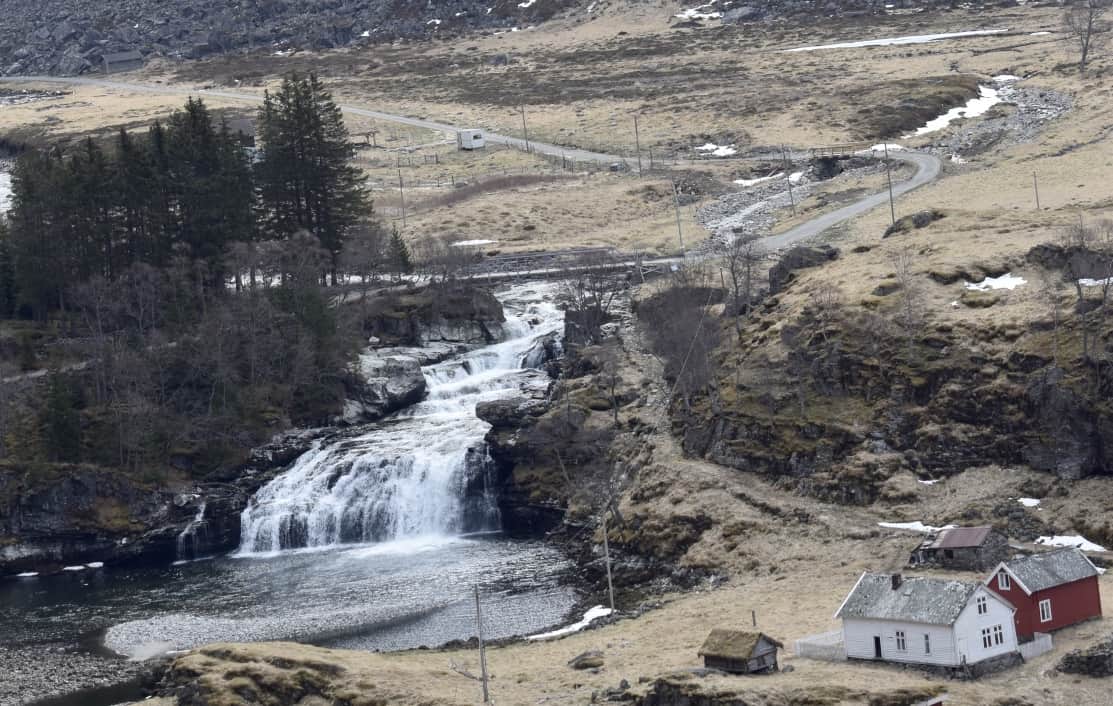
It ran on steam until 1944, when a power station was built at the Kjosfossen waterfall, whose plunge is funneled through a tunnel to drive the turbines that still power the railway and the town. The ride up to Myrdal, where the line meets the main Norwegian network, is one long parade of farms, lakes and waterfalls.
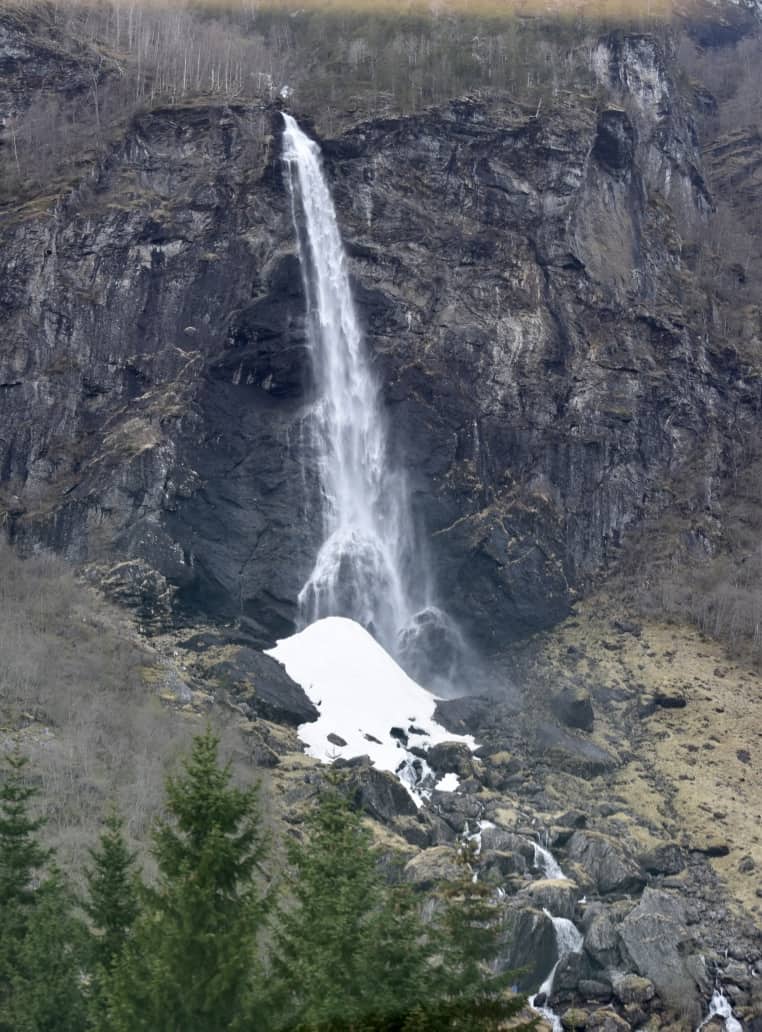
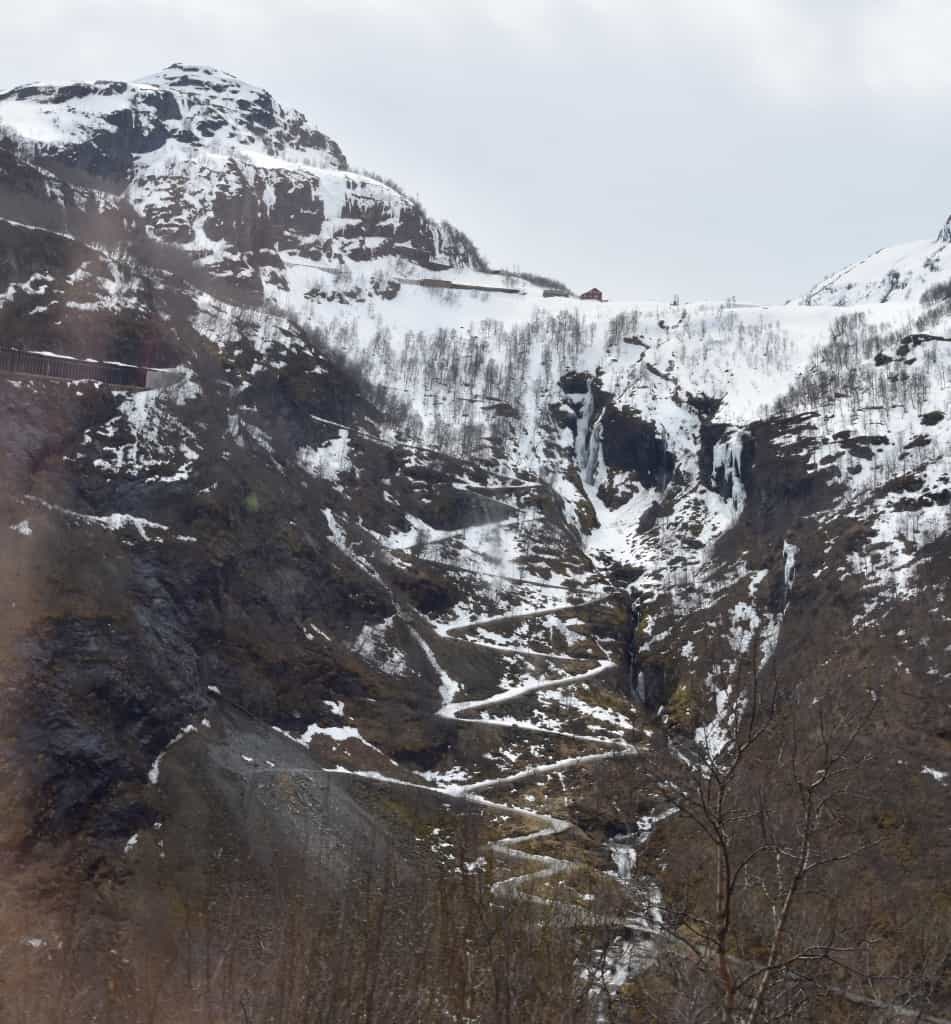
Back aboard, we sailed out of the fjord for our last Norwegian stop, Bergen.
Bergen. Once the capital of Norway and now its third largest city, Bergen is a bustling place that, like so many Norwegian towns, burned more than once. A few wooden houses from the 1600s survived or were restored, the old Bryggen wharf among them.
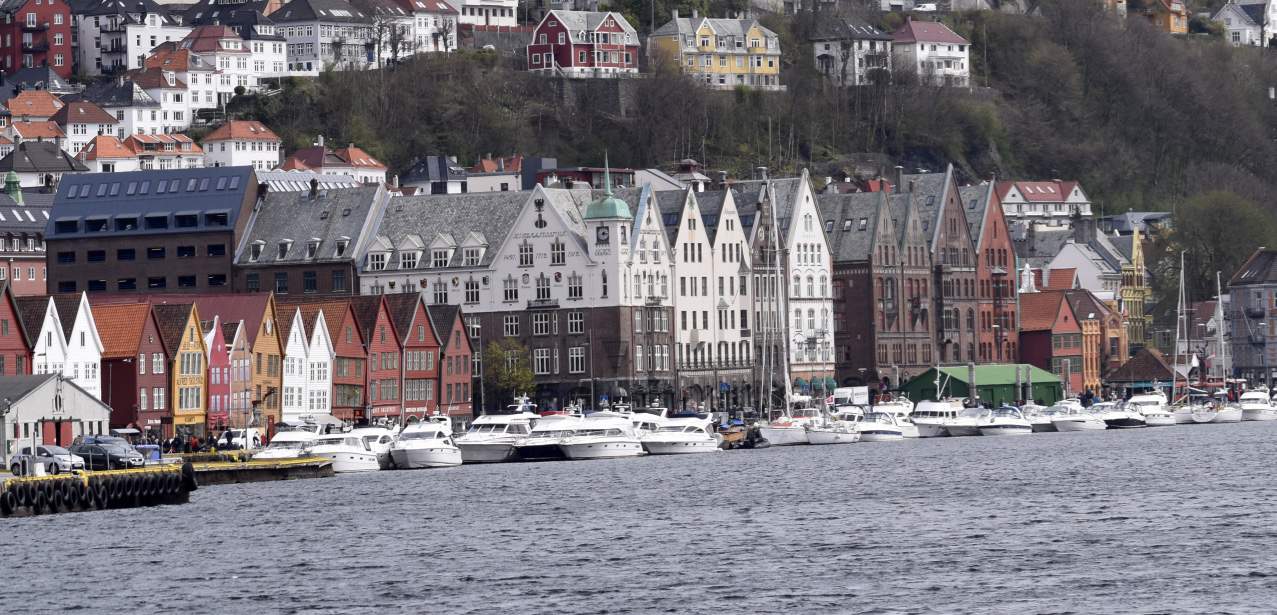
We took the local hop-on, hop-off bus, nicer and cheaper than the Grey Line coaches, which included the ride up Mount Floyen on the Floibanen funicular, built between 1914 and 1918.
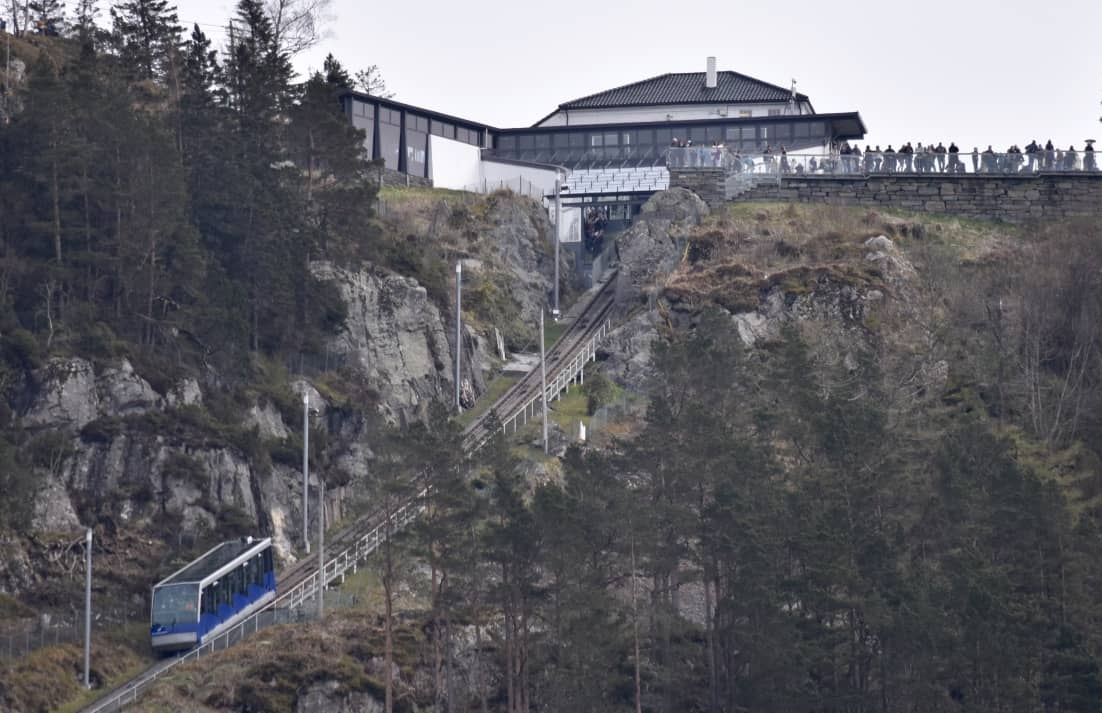
The views over the city and the bay from the top were worth every meter of the climb.
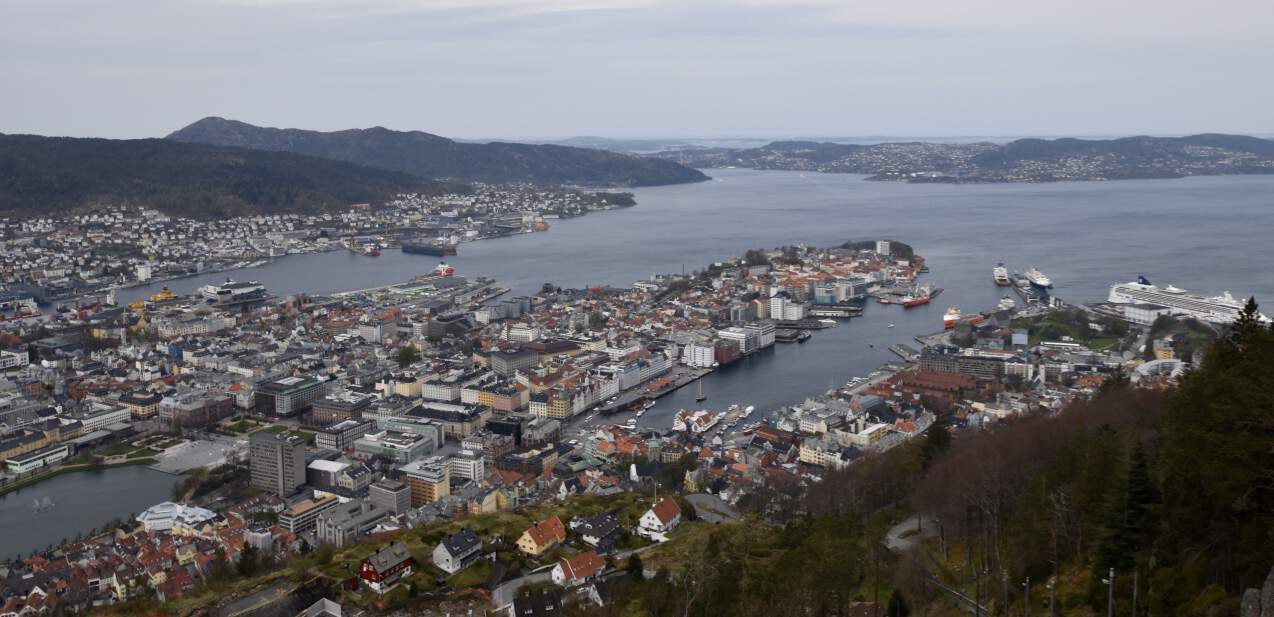
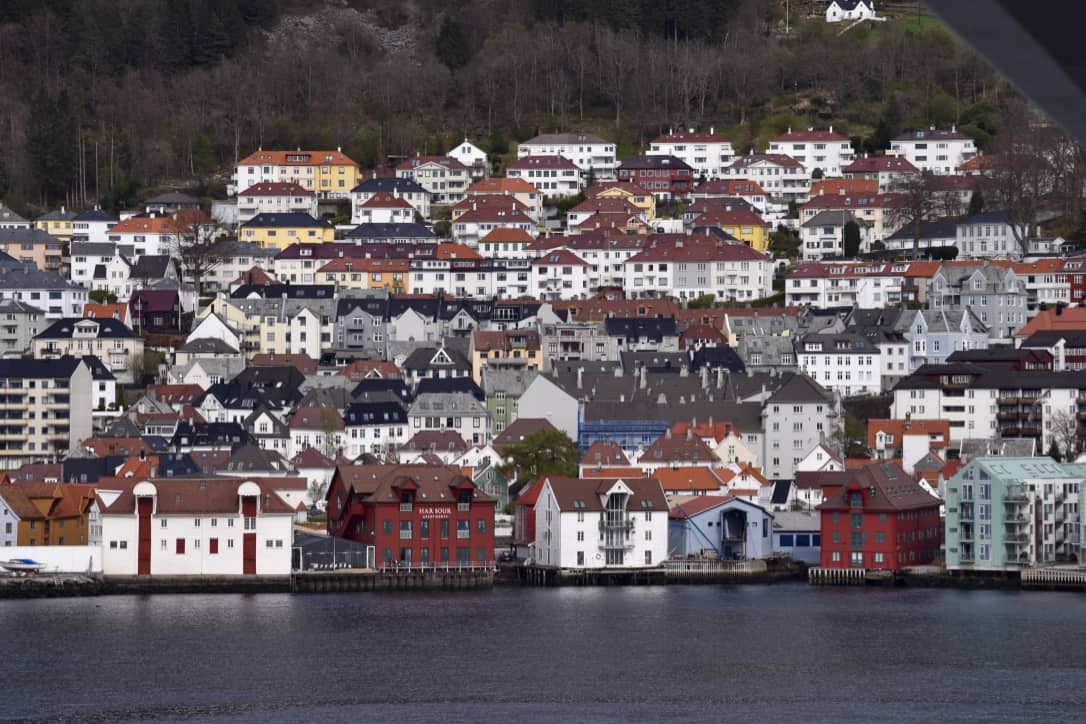
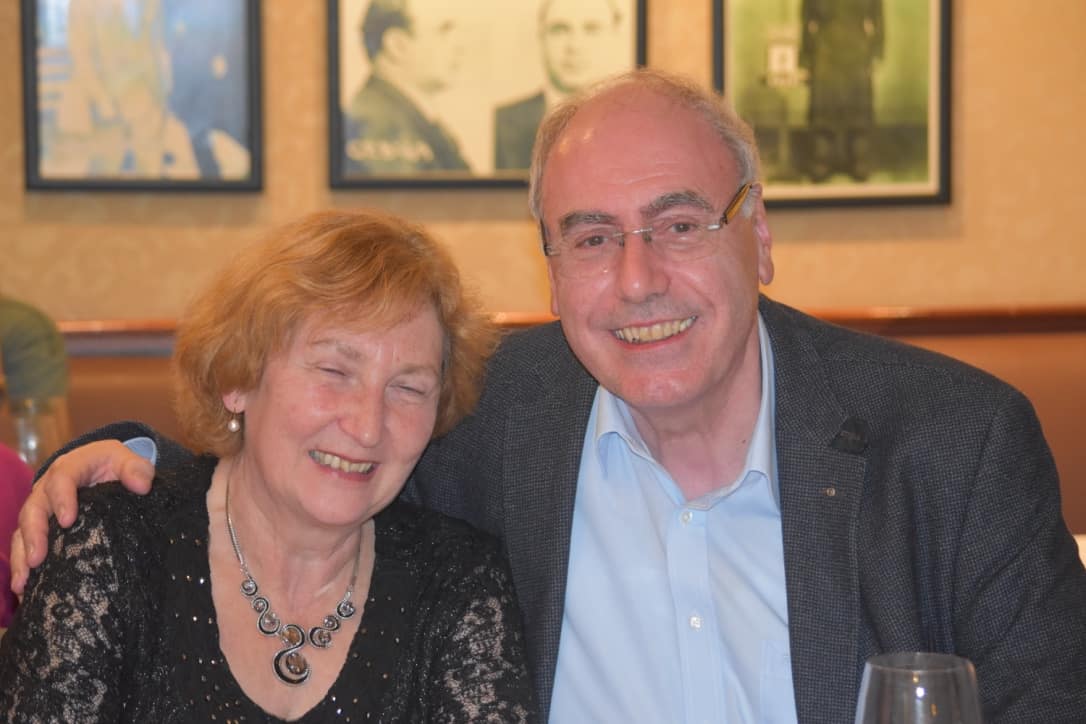
As we pulled away we looked back at Bergen and knew we would not forget it. On this leg we also fell in with another fine couple, Michael and Christina from Germany, who have friends in Florida; we hope to see them again, there or perhaps back in Germany.
From Bergen the Star set course for the Baltic, and the landfall we had most looked forward to, St. Petersburg.