Dateline May 17, 2016, The Baltic Capitals
We gave St. Petersburg a post of its own, so this is the rest of the Baltic cruise, the capitals and ports we worked in around it, beginning where every leg of this trip began, in Copenhagen.
Copenhagen. The Norwegian Star uses Copenhagen as its home port for both the Norway and the Baltic cruises, so we kept landing back there a partial day at a time, after the crossing, after the fjords, after the Baltic run. We never tired of it. It is a city of handsome old buildings and bold new ones, royal castles and easy, friendly people, and we could happily go back.
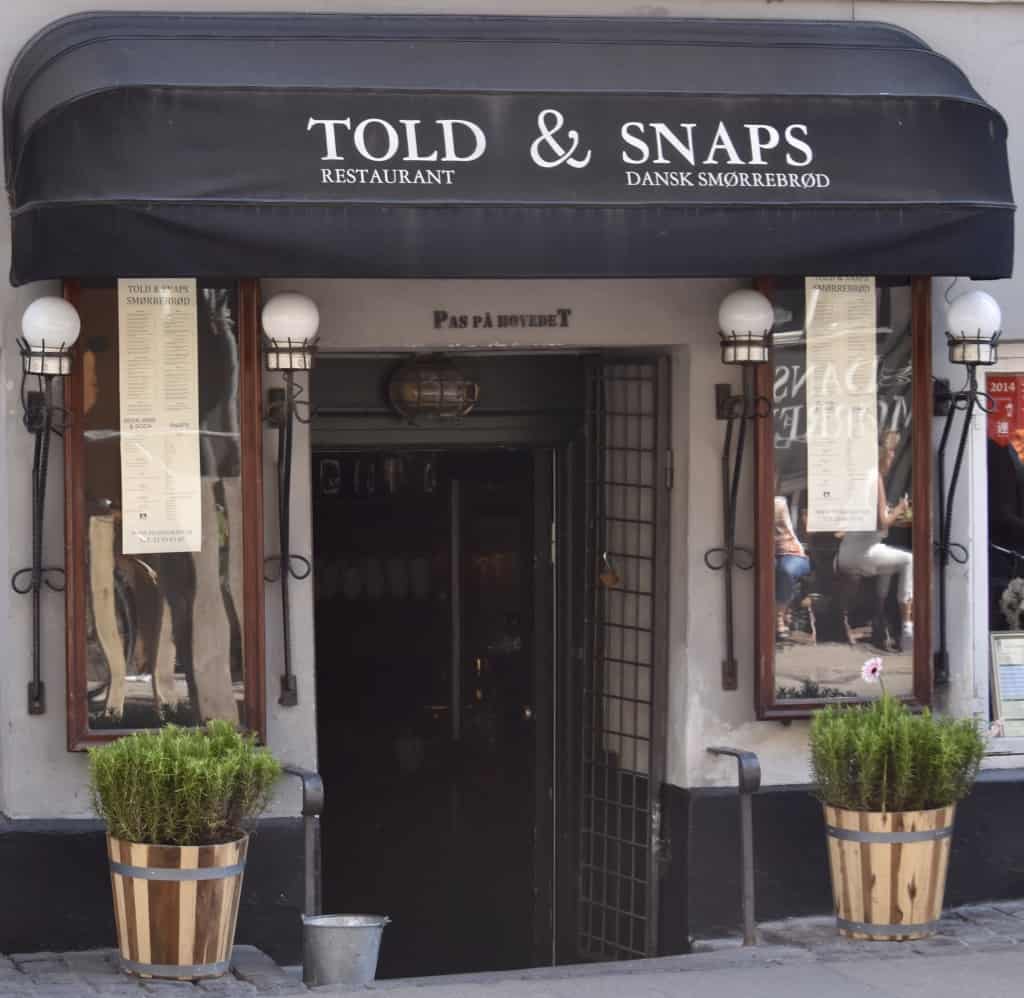
We rode the hop-on, hop-off bus to get the lay of the place, then ducked into the Ambassador Hotel to borrow the wifi and catch up. They steered us to a traditional Danish spot called Snaps, and it was a revelation. The smorrebrod come open-faced, a slice of whole-grain bread piled with whatever you choose and no lid on top. John had roast beef with a fried egg and onions, Janice had pan-fried plaice, a cold-water fish new to us, with hand-shelled Greenland shrimp. With it came four different snaps to share, a dill snaps for the fish, a blackthorn for the beef, and a couple of older ones, including a thirty-year-old.
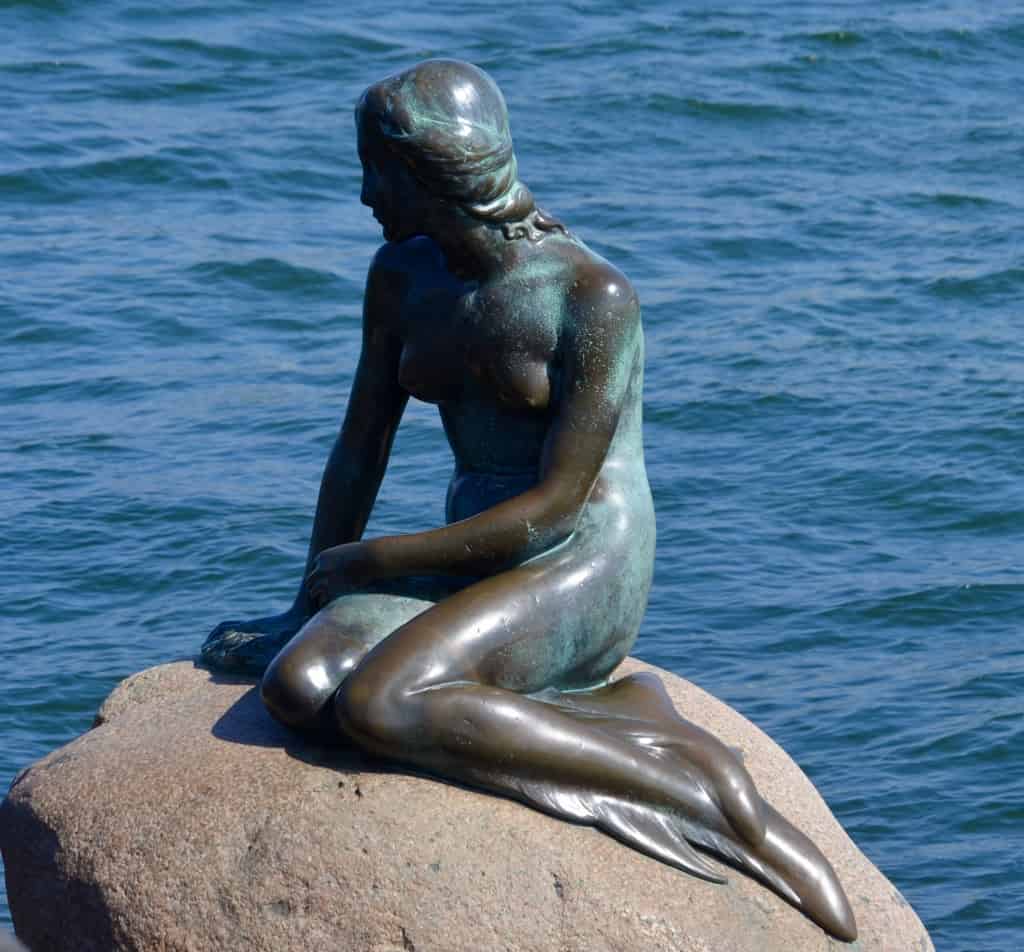
You cannot come to Copenhagen and skip the Little Mermaid, though like nearly everyone we were taken aback by how small she is. Half the fun is watching the crowd jostle for photographs and selfies around her.
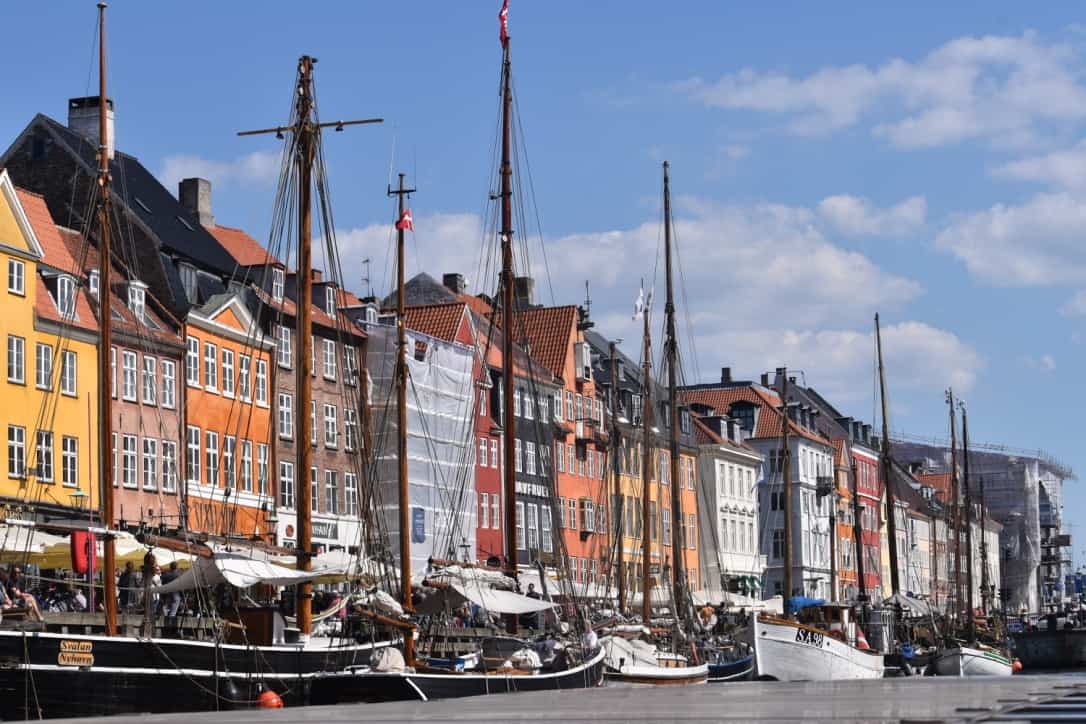
Down by Nyhavn, the old quarter that served sailors from all over the world for centuries, there is not a red light to be found anymore, just rows of lovely restaurants and shops. We took a table on the canal for tomatoes, mozzarella and antipasto, and fell into talk with two students at the next table, she from the Netherlands and he from Hungary, trading travel stories and answering their questions about America over a beer.
A canal tour rounded out the day. Our guide pointed out a district across from the center that the city once thought too far out to bother with, until it offered twelve years free of taxes to anyone who would move there; today it is the most sought-after address in town. So much for the limits of a good incentive.
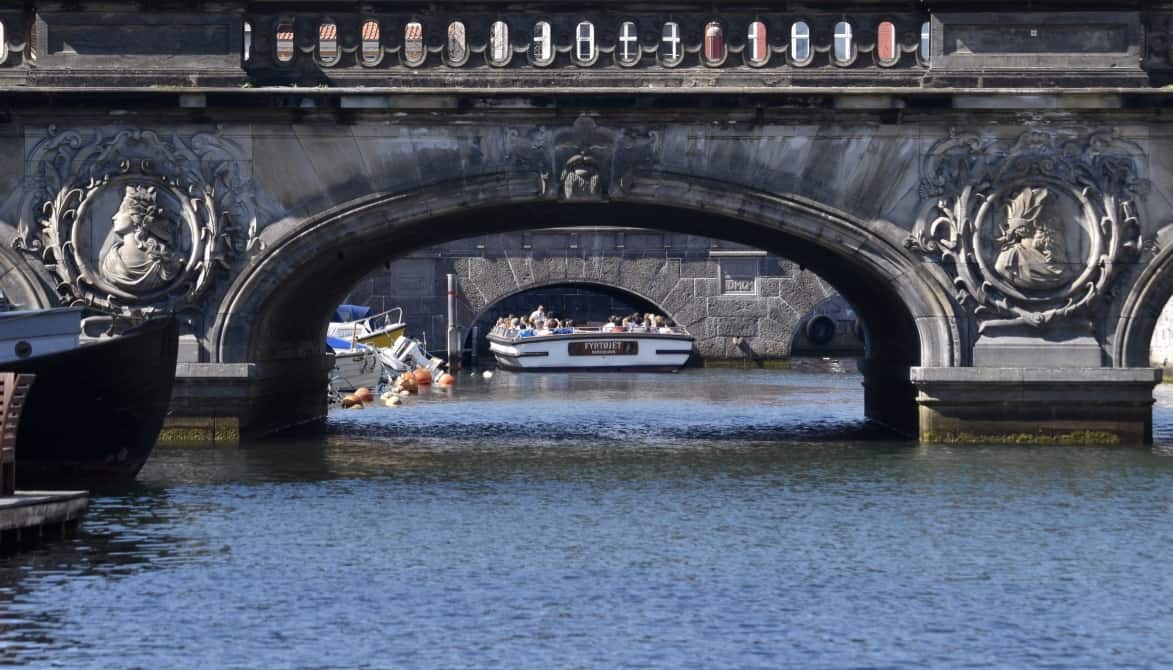
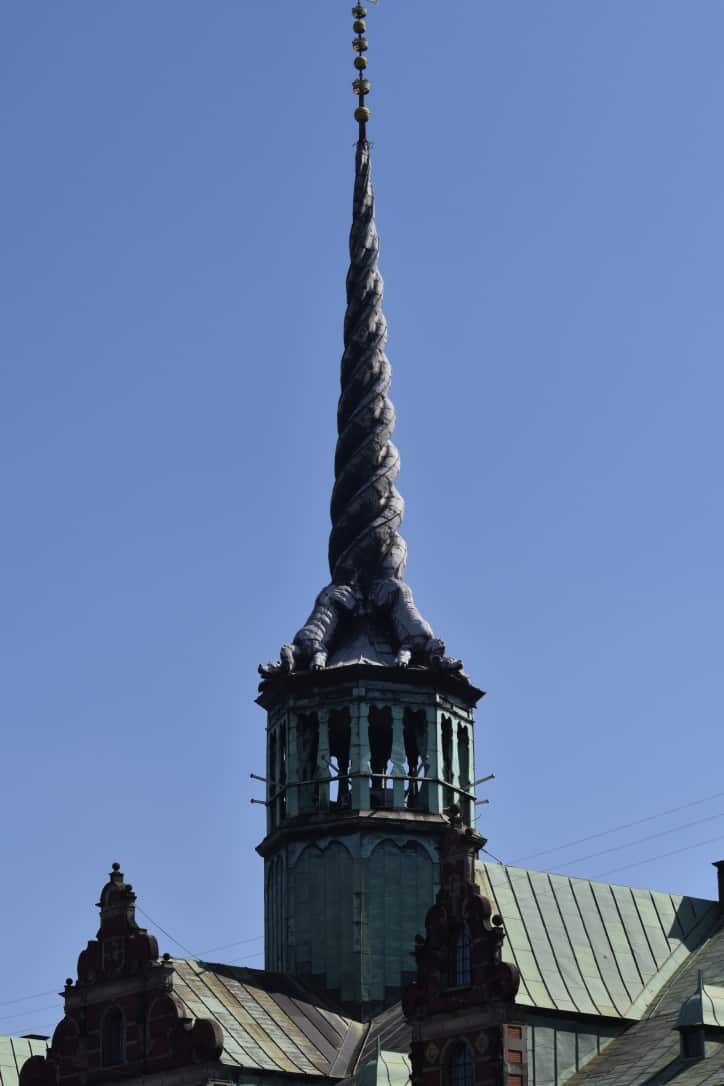
Each bridge had its own story, and we passed one rooftop shaped, supposedly, like an alligator, built back in the 1600s by someone who had never seen one and had to guess.
The guide also told us, with evident pride, how Denmark balances work and leisure, schools everyone to the same level, and arranges things so that incomes come out much the same whatever your work. We listened with interest, and admitted to each other that it was a way of seeing the world we found hard to fully understand.
One small misadventure: Janice left her jacket at the restaurant and only realized it once we were back aboard. A Skype call sorted it out, and she collected it on our last swing through Copenhagen before we left for Berlin.
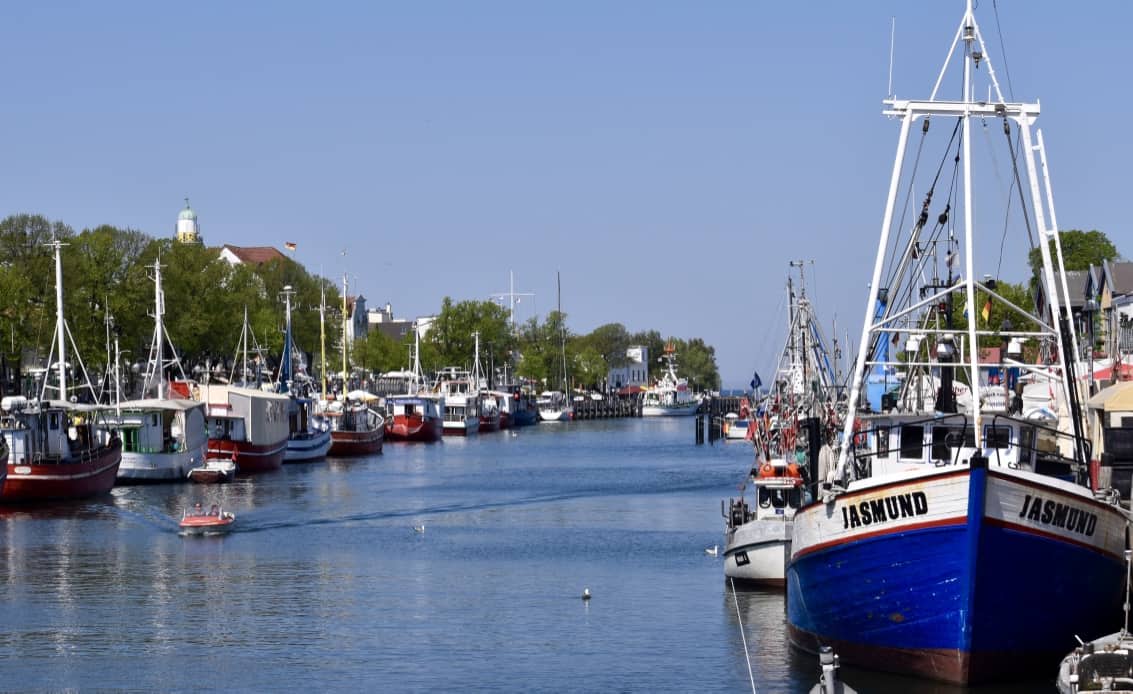
Warnemunde and Rostock. Warnemunde is a big port with the feel of a small fishing village strung along the beach on Germany's northern coast. Many aboard took the train into Berlin for the day; we held off, since Berlin was waiting for us later on the overland leg, and instead took a short train and tram to the nearby town of Rostock, a handsome place of shops and a fine old church.
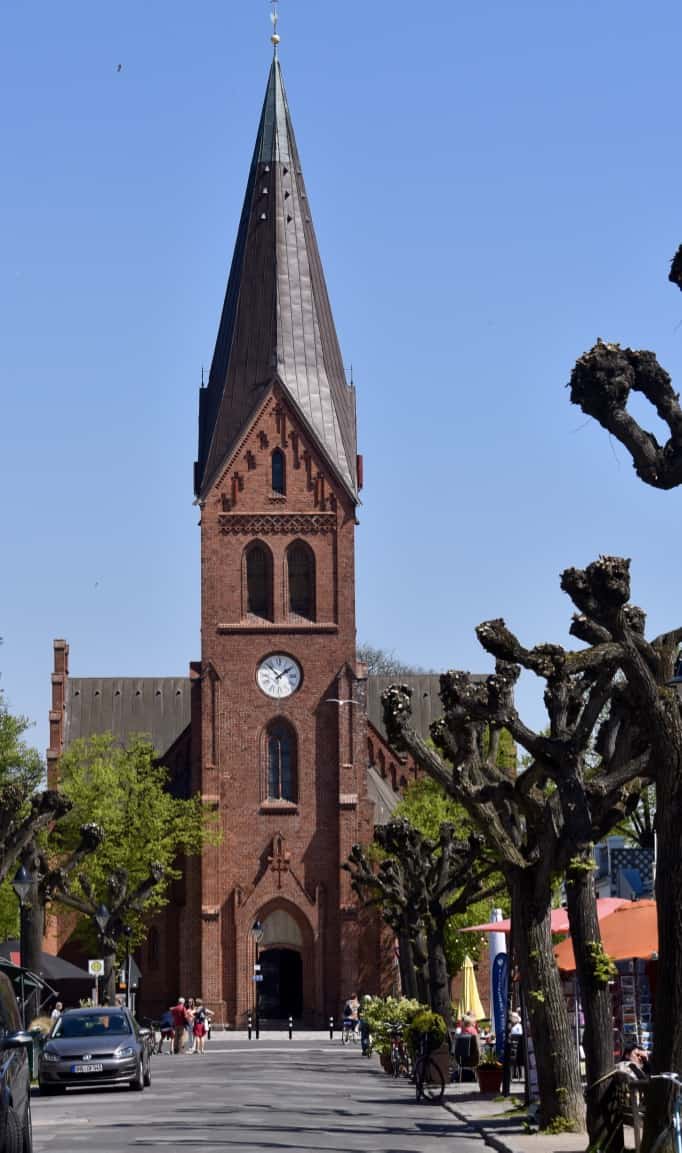
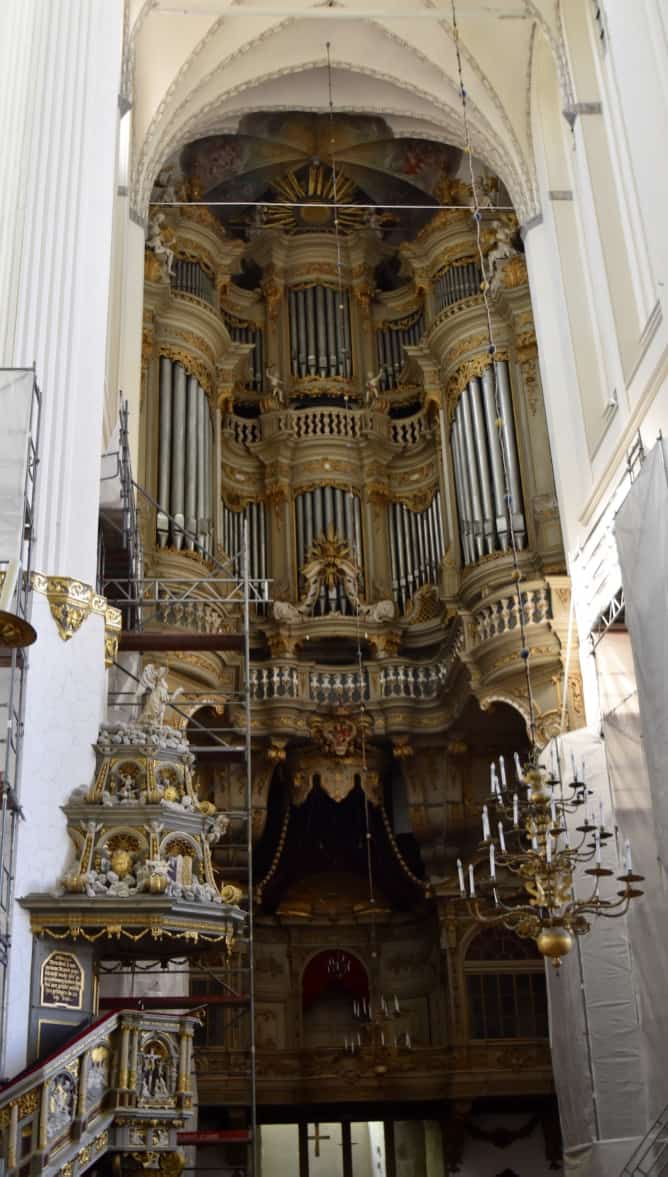
Back in Warnemunde we wandered the fishing village and its canals before returning to a very quiet ship, most of our shipmates still off in Berlin.
Tallinn. Tallinn sits on the Gulf of Finland, about eighty miles south of Helsinki, and its Old Town is one of the best-preserved medieval cities in Europe, founded in 1248 though people have lived on the spot for some five thousand years. We took a walking tour with a guide named Hilti, who had a wonderful, wry way with her country's history, how many times Estonia had been free and then lost again to one empire or another, Germans, Russians, and the rest. Once, she said, it managed to be free for all of two weeks. The Estonians never did fight their conquerors. The country has been its own again since the Soviet Union came apart, and you cannot help wondering how long that will hold.
She walked us through the upper town, where the aristocrats lived, and the lower town of the poor. The story goes that the lower town, wanting a wall between the two, talked the aristocracy into letting them build it on the grounds of keeping the goats from wandering up to eat the flowers. We have no pictures of any of it, because Tallinn is where our camera lens finally gave out for good. With only Helsinki left on the cruise, we decided to nurse it along and wait until Berlin to sort it out.
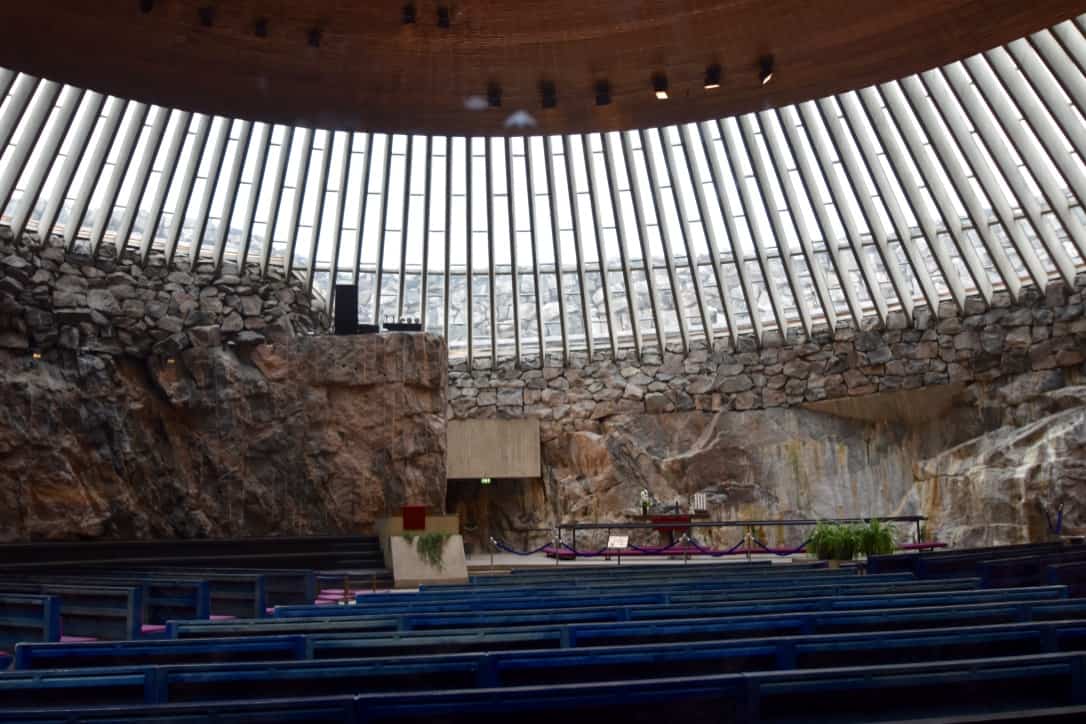
Helsinki. Janice had been to Helsinki years before for a meeting with Nokia, and remembered there not being a great deal in the city center; she was not far wrong. We toured by the hop-on, hop-off bus, with lovely stops along the water, and made a point of the Rock Church, the Temppeliaukio, hewn straight into the living rock and still very much a working church. We arrived just as it opened and had it nearly to ourselves before the crowds.
Stockholm was meant to be next, but the weather turned and the ship could not work through the narrow channel to the dock, so we turned back toward Copenhagen instead, the one stop the trip owed us and never paid.
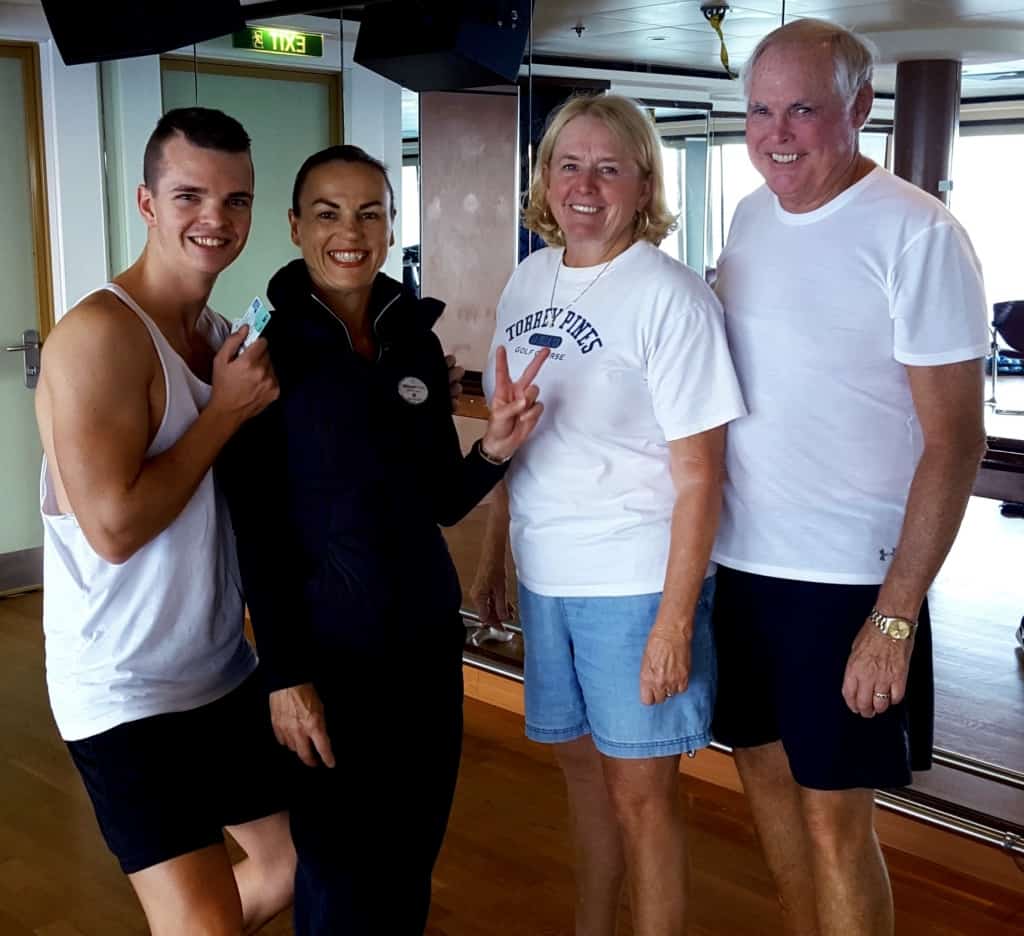
Farewell to the Star. Back in Copenhagen for a last night aboard, with Janice fighting off a bug, we took our fitness trainers, Andrea and Johann, out to dinner. They had been so good to us that we were, for once, in something like decent shape, and we left vowing to rig up our own TRX straps and find some yoga videos at home, though we knew the views would never match a sunrise over the Baltic.
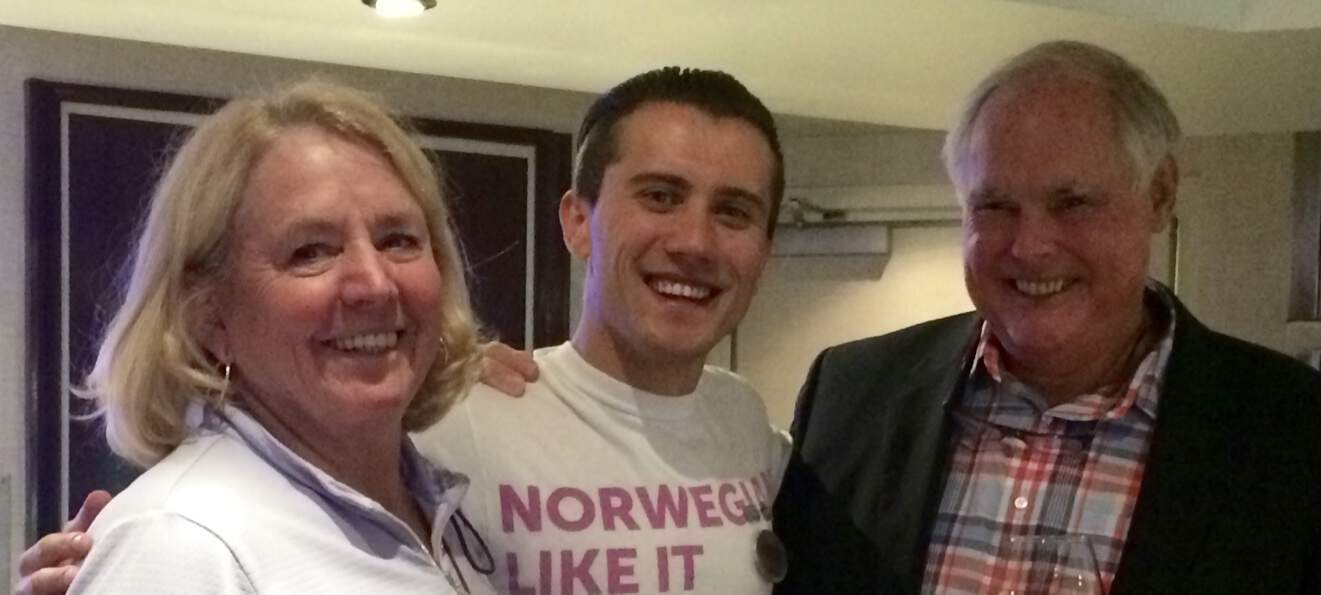
In the morning we said a fond goodbye to the Norwegian Star and to our favorite wine steward, from Macedonia.
Then we stepped off to begin the overland half of the journey, the trains that would carry us behind the old Iron Curtain.