Dateline December 10, 2016, Everglades National Park
We decided we needed a little pre-Christmas adventure, a short camping run to Everglades National Park with our neighbors Frank and Linda Ruff. Janice was already down in Fort Myers, playing in a golf tournament with the RV, so John rode down with Frank and Linda in theirs and we all met at the park.
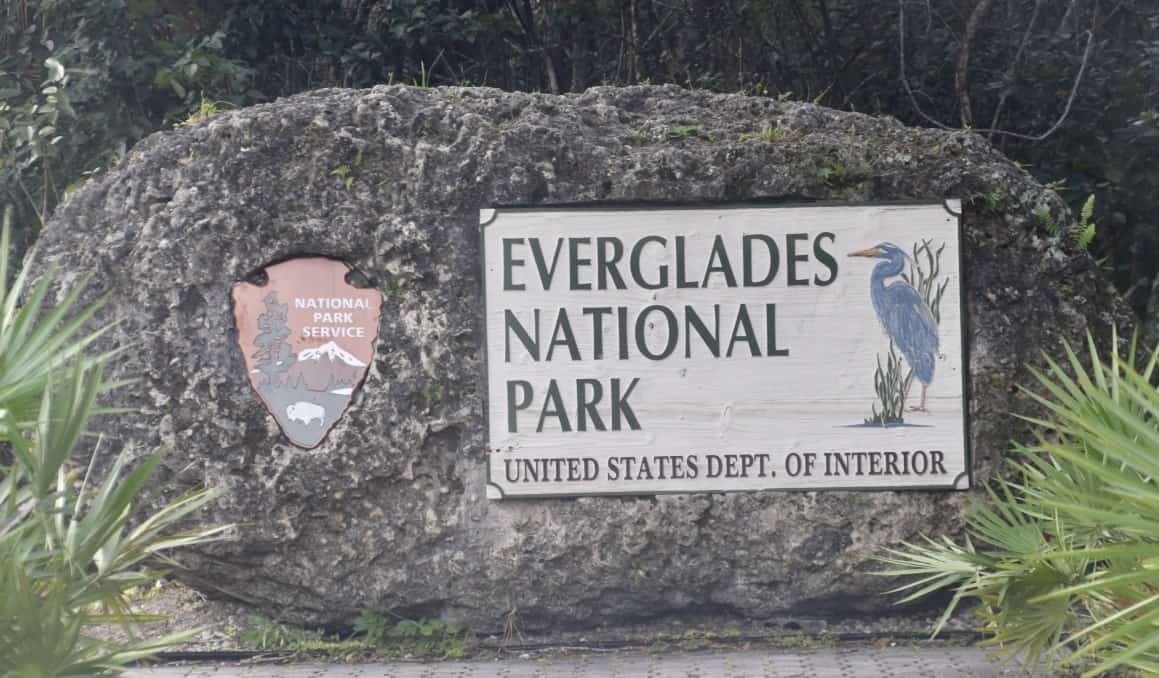
Everglades National Park covers more than 1.5 million acres of southern Florida, a wild mix of freshwater and coastal prairie, mangroves, marsh, and pine and cypress woods, along with the waters and islands of Florida Bay. Most of it is federally protected wilderness, the largest subtropical wilderness in the country. If you are ever down around Miami or the Keys, give it a day; it is a different and amazing park.
Flamingo and the mosquitoes. Janice reached the Flamingo Campground first and texted the rest of us a warning: it was a forty-mile drive from the park entrance to the campground, and a mosquito nightmare at the end of it. DEET may be a little toxic, but it is the king of the repellents and the only real choice if you would rather not be carried off. It worked, too. We suspect the mosquitoes that far out have had so little exposure to it that they are highly sensitive, though calling a mosquito sensitive does make us sound like a couple of snowflakes. We sat out a while with our drinks and then moved into Frank and Linda's RV, the bigger one with a slide-out, for a few more and a fine steak dinner before turning in.
In the morning, around 8, the power went off. A ranger came by to say the electric company was working on the main line, which had been wearing out over the years, and that they hoped to have it back by 5. He also allowed that past outages had sometimes run four days.
The osprey. We decided to get moving and headed up to the Flamingo visitor center to find out what there was to do. On the way we watched an osprey fly past with a fish in its claws, land at an enormous nest, and a moment later its mate appeared.
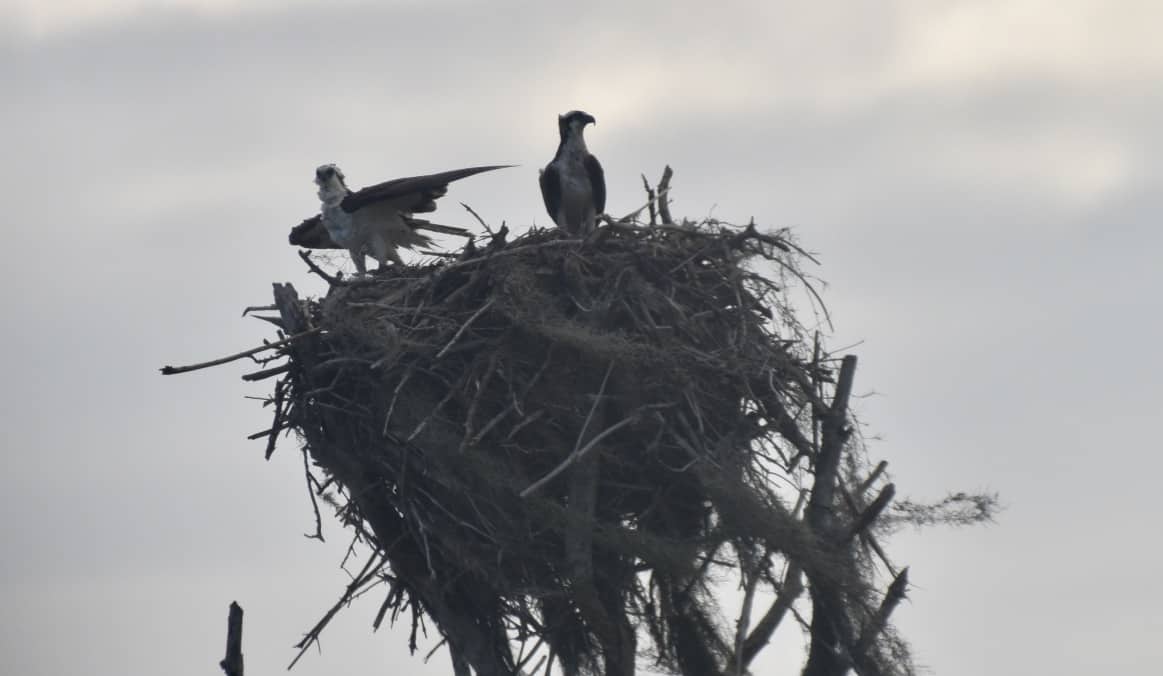
It was nesting season for the ospreys, and a fine thing to see. The folks at the visitor center warned that some of the walking paths were thick with mosquitoes and really only recommended the walk from the center back to the campground. We had plenty of DEET, so we set out to see what we could find, and there was no shortage of trails and overlooks along the way.
The coots. We stopped at a small lake where a great many waterfowl were spread across the water. It was something to watch. We learned later they were American Coots, and as we stood there they began running and flying along the surface in long lines to catch up with the main group.
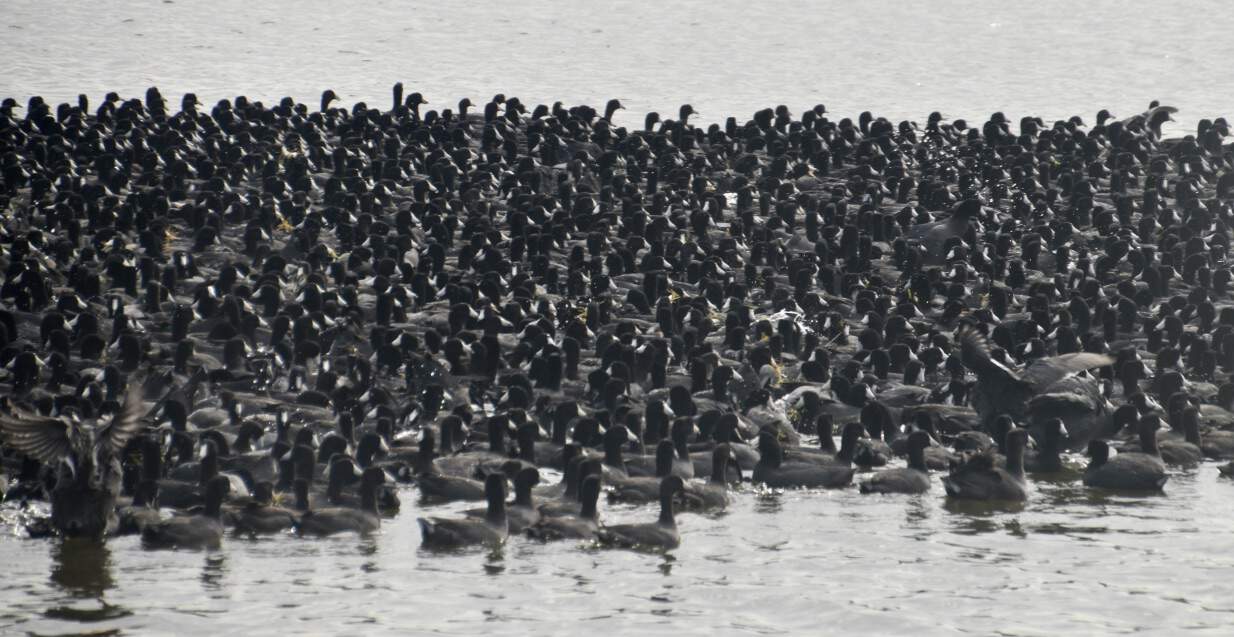
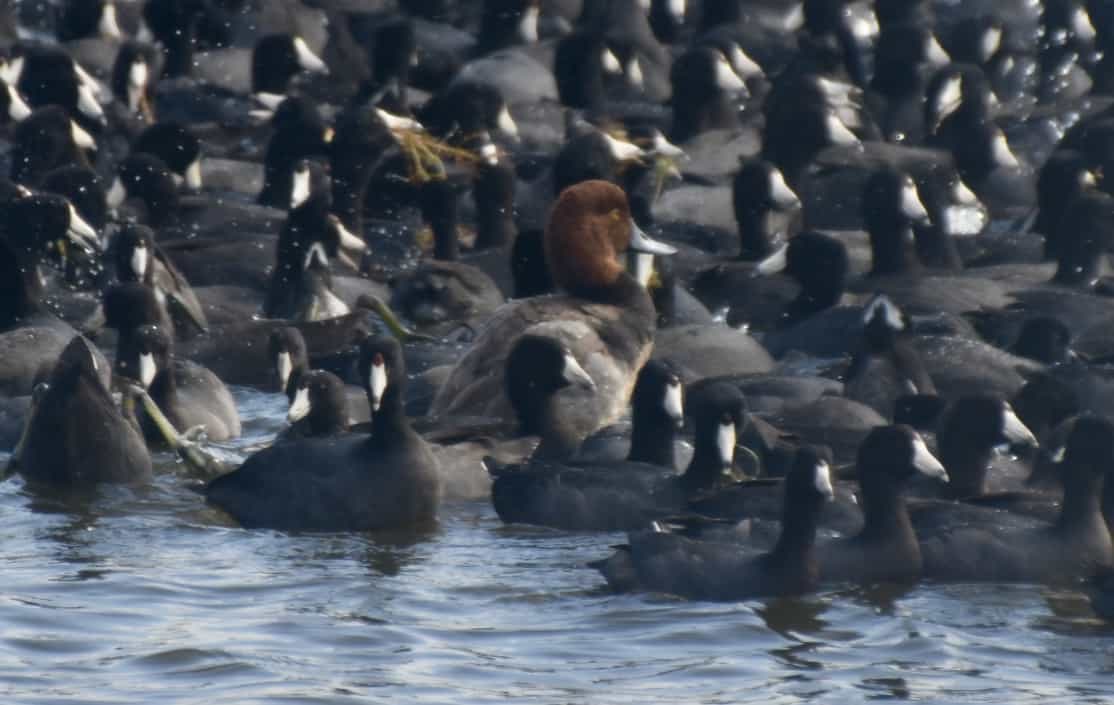
We put together a short video of it at the time, which you can watch here: https://youtu.be/74iCk7KIaxc. Before long they had all gathered into one big flock. Among them was a single male Red Headed duck, off on his own. They usually keep to pairs or flocks, so we figured something had happened to his mate. The coots did not seem to mind him tagging along.
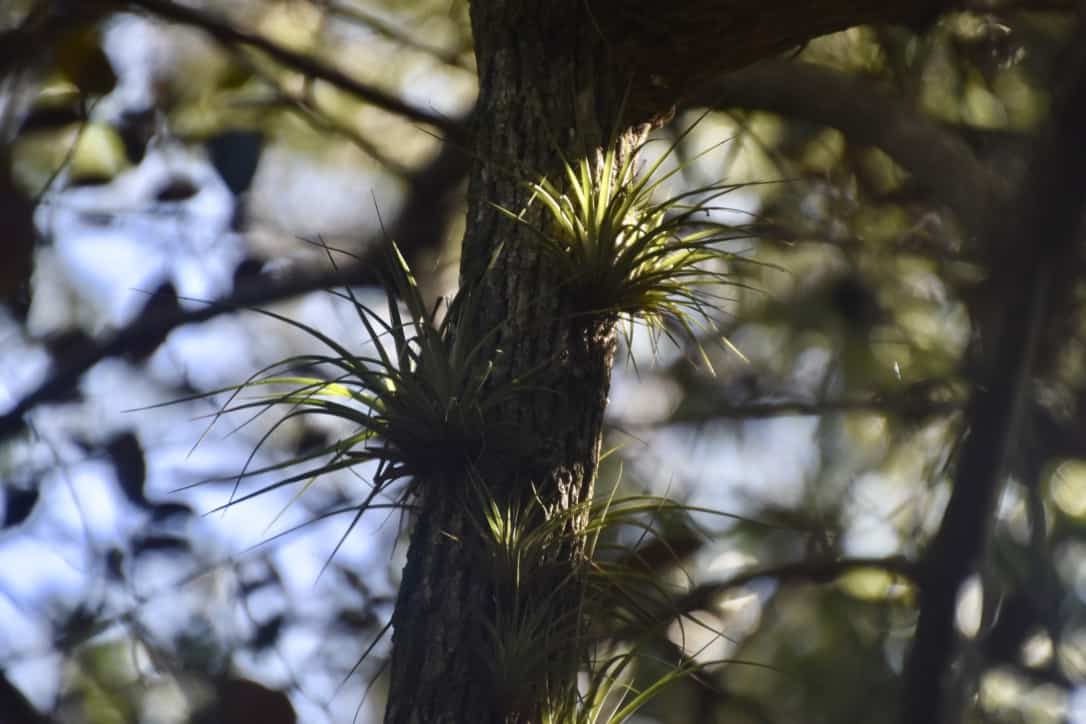
The trails. Our next stop was the Mahogany trail, home to the largest living mahogany tree in the United States. We tried for a picture, but the light would not cooperate; you will have to take our word that it is majestic. The trail was also full of air plants, some of them lovely, riding on the hardwood trees along the path.
From there we walked the Pine Island Trail. The pinelands are the most varied habitat in the Everglades, an open forest of South Florida slash pine, and the walking was beautiful. You look down and the water is flowing clear beneath you; out in the grasslands a lone tree stands with birds of every kind feeding around it.
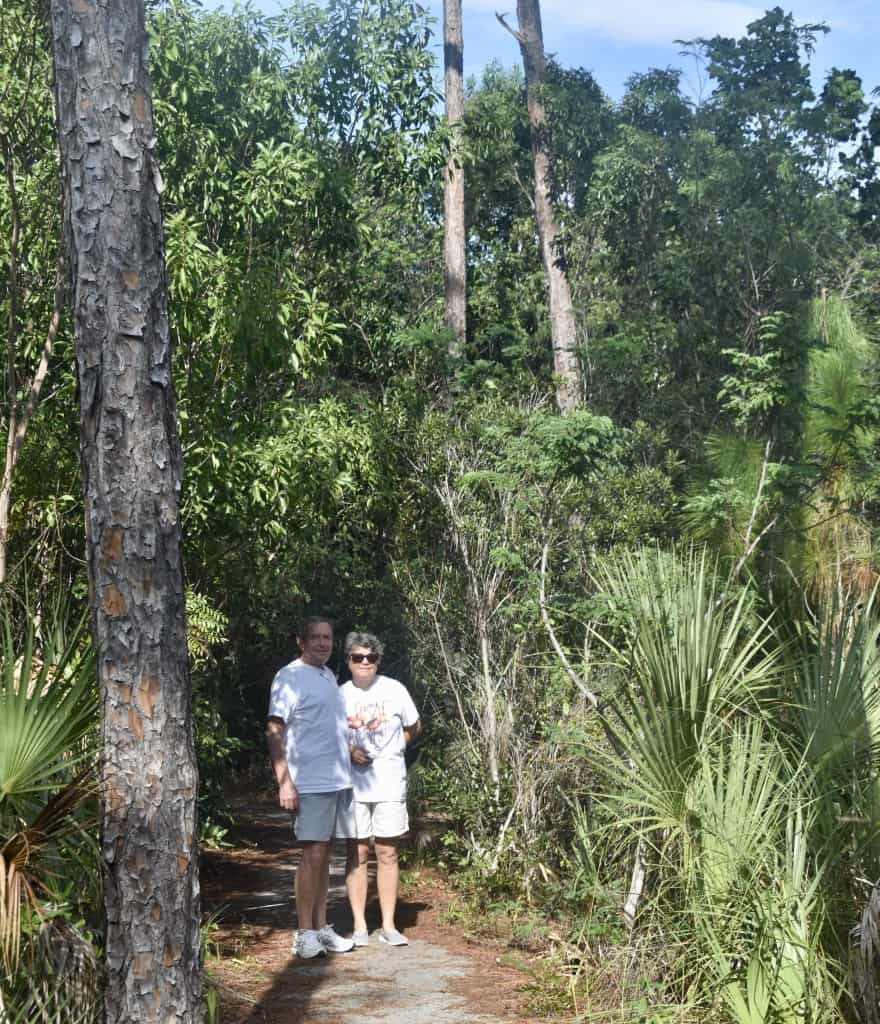
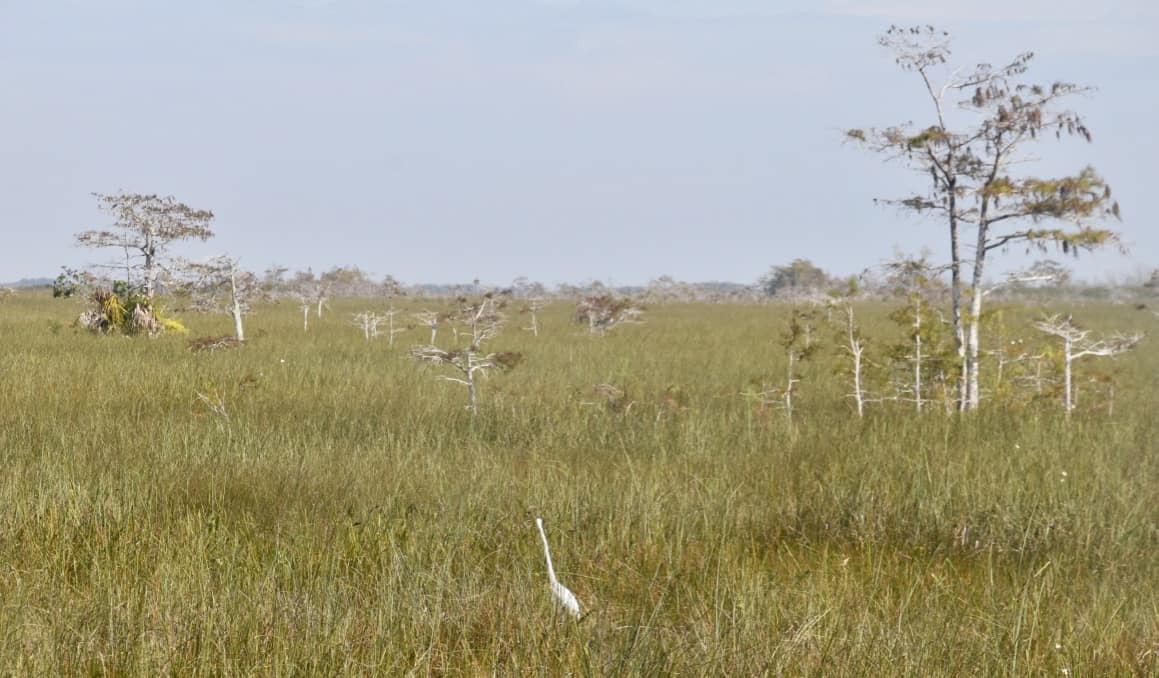
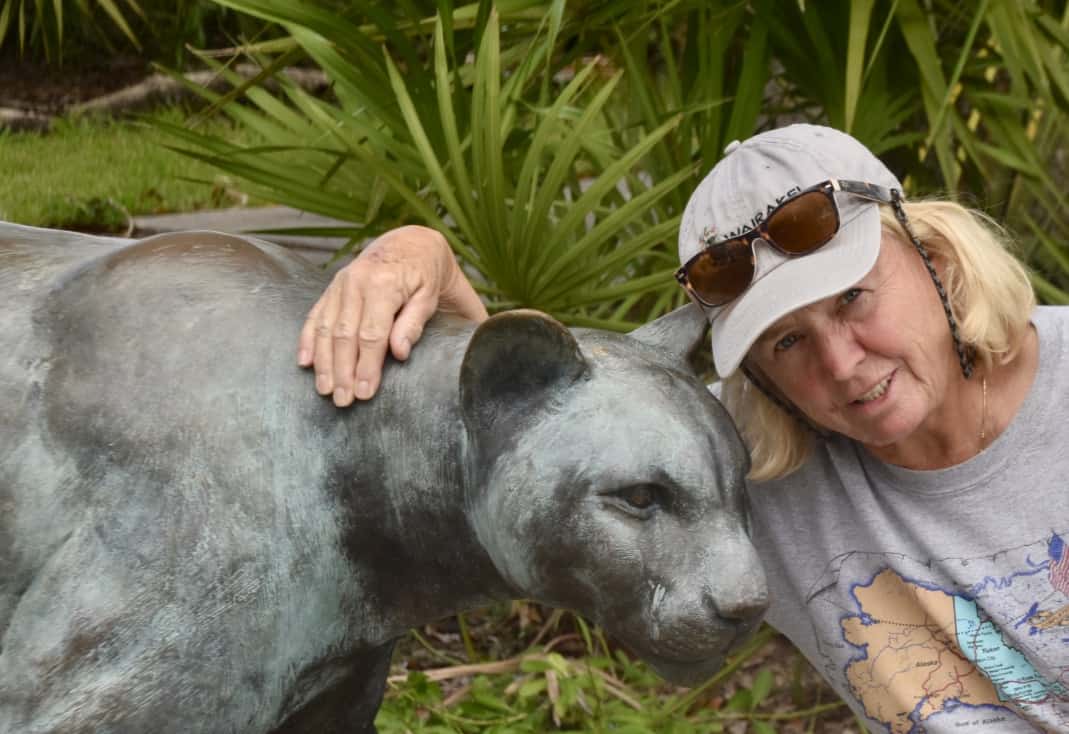
The panther and the pass. We drove the forty miles back to the main visitor center at the park entrance, where we learned about a missile base inside the park, with a tour set for the next morning, and read up on the park and its ecosystem. Before we left, we had our picture taken with a Florida panther; there are only about two hundred of them left in South Florida, and this was one we could safely get close to.
We headed into Florida City for lunch and then started back toward the campground, which meant taking on Rock Reef Pass again. As you all know, the passes in the Rockies can be treacherous, so as we came up on it we held our breath.
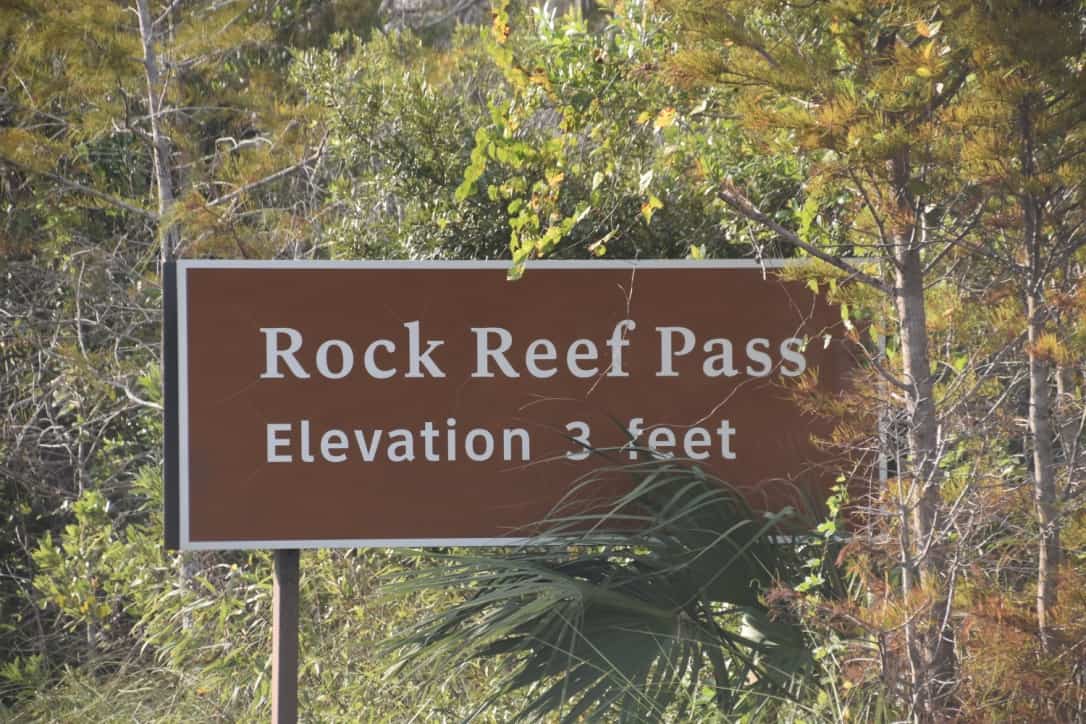
Ha. Rock Reef Pass tops out at all of three feet, a sign you pass on the way into the park.
Back at the campground we rested and then met again for drinks and dinner. We changed our plan: rather than stay the extra day, we would see the missile base in the morning and then head home, since we felt we had seen most of what the park had to show us.
The missile base. Saturday morning we packed up, left the RVs at the visitor center, and took the car Frank and Linda tow behind theirs out to the missile base. The guided tour had been moved to 2 in the afternoon, but we were free to walk it ourselves, so we did, and the history out there is something.
The park holds one of the best-preserved Cold War relics in Florida, a Nike Hercules missile site known as Alpha Battery, or HM-69, left much as it was when the Army shut it down in 1979. The Army Corps of Engineers finished it in 1964, in the tense months after the Cuban Missile Crisis, on a spot just a hundred and sixty miles from Cuba, as an anti-aircraft base.
We were lucky to find a volunteer there who told us all about it. It was one of four such sites in Florida, the last built after the crisis; the others were near Key Largo, the Krome detention center, and the Palm Beach and Broward county line. The base stayed secret until the internet mapping companies put it on their maps and people started asking what the military site was; that is when it was opened to the public. The missiles were kept in long buildings and, if it ever came to it, rolled out on tracks and pointed at Cuba. There were three of those buildings.
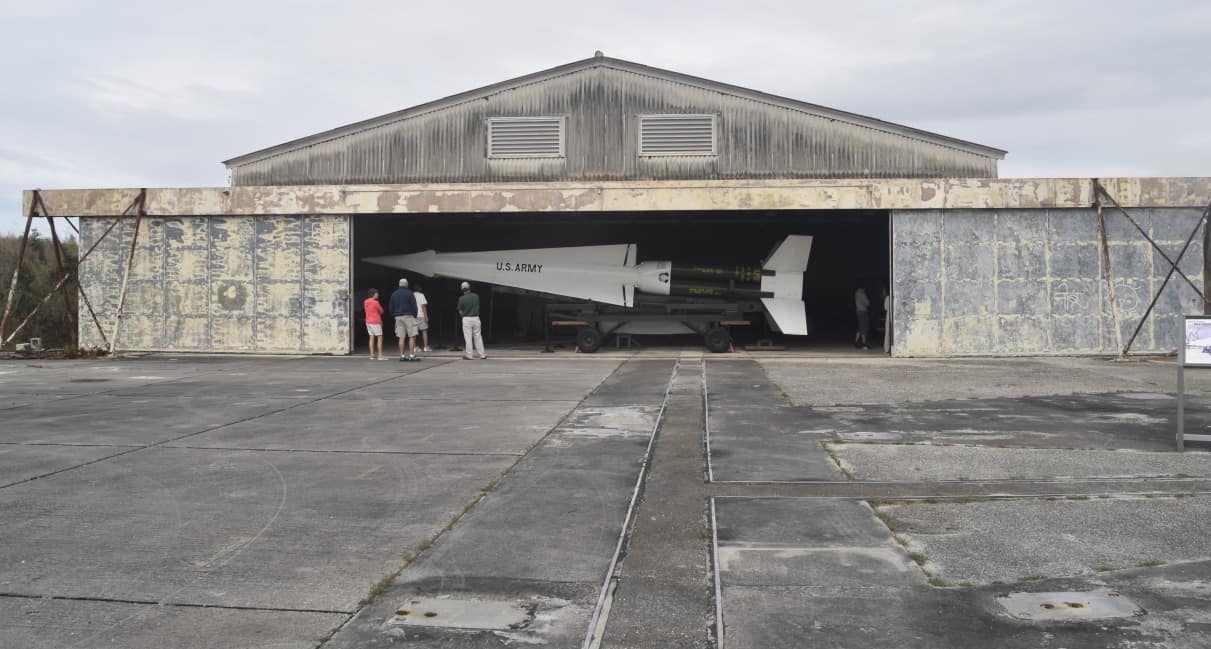
The missile you see there is the real one left at the site, restored to its original colors by a troop of Boy Scouts. Inside was the actual control system they would have used to launch it, which looks downright archaic now.
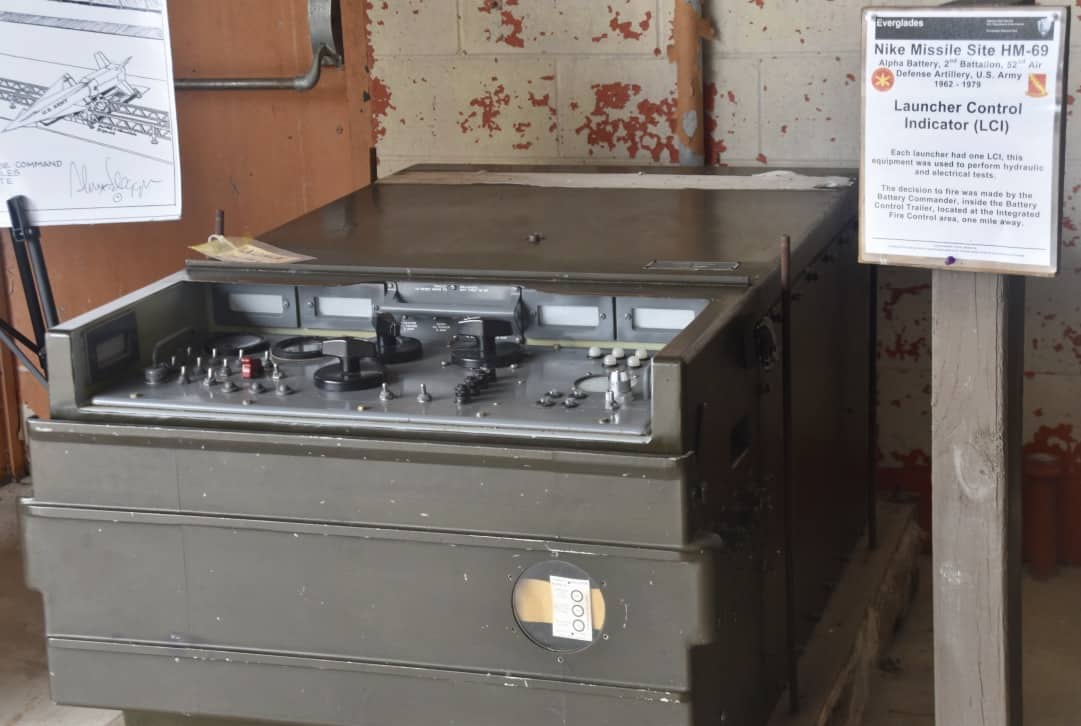
We could not get enough of it. History like that brings back the Cold War days, the drills in school where we ducked under our desks or pressed ourselves against the hallway walls. Yikes. We finished the tour, got the RVs pointed north, and drove home to Flagler Beach, another wonderful trip.