Dateline September 2, 2019, Appomattox
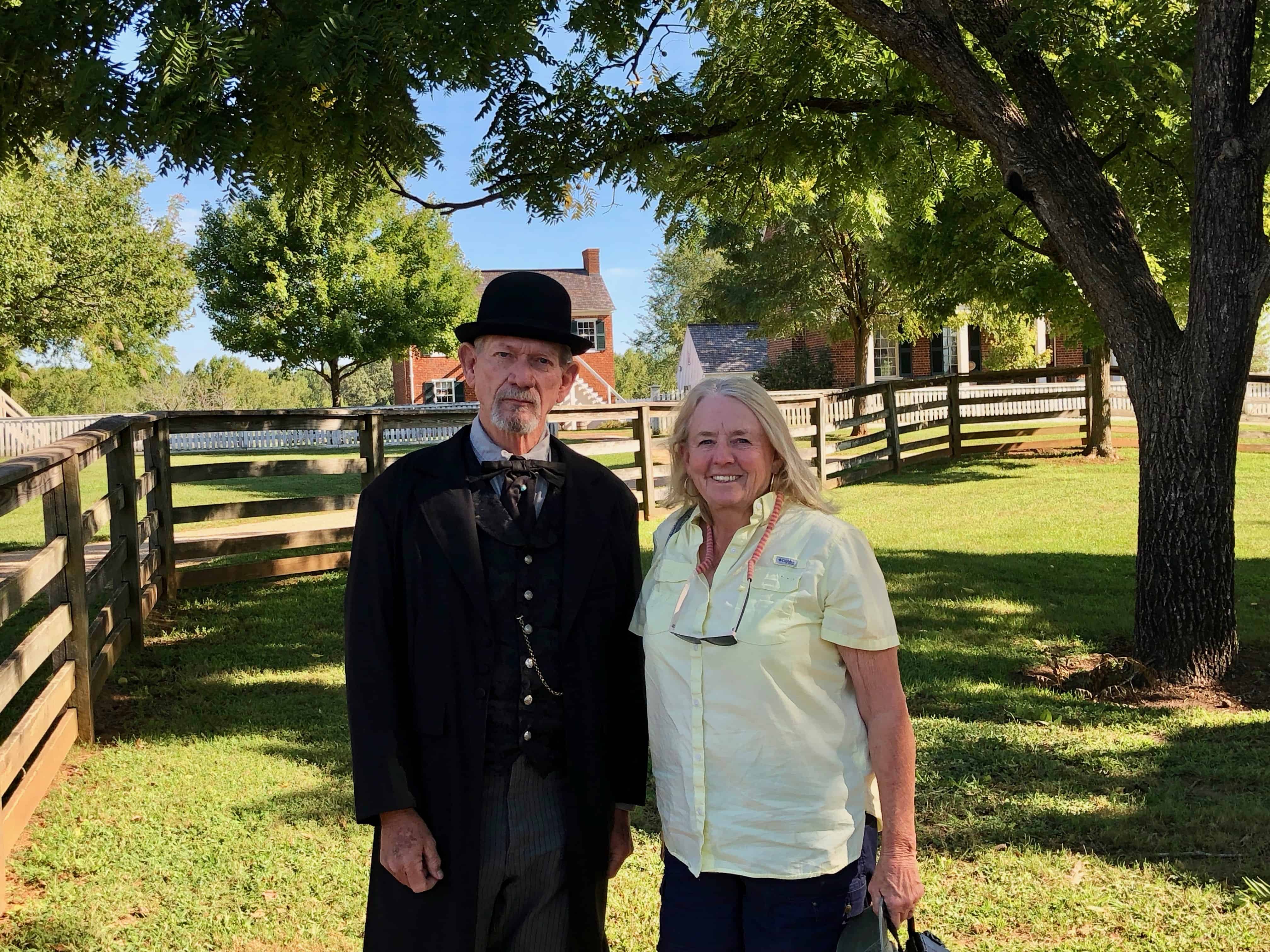
One of the great benefits of traveling in our Roadtrek is that it keeps us off the Interstate and out on the by-ways, where you do not fly by the stop that turns out to be the best part of the day. That is just what happened about nine in the morning, when we saw the signs for Appomattox. This is where Lee surrendered to Grant, the official end of the Civil War, and we decided we had to stop. What a fine surprise it was.
The surrender. Our love of history kicked in. We walked up the path to the visitor center, which is the old courthouse, and read the history set out along the walls, learning a great deal about the surrender. The man who wrote out the terms of surrender for Grant was Lieutenant Colonel Ely Parker, a Seneca.
On the morning of April 9, 1865, at the McLean House, Grant introduced his staff to Lee one by one. Among them was Parker, a Tonawanda Seneca who had served as Grant's military secretary since 1863. The story that has come down to us is that Lee, taking in the dark-featured officer in a Union uniform, paused, then put out his hand and said he was glad to see one real American there, and that Parker answered, "We are all Americans." It is a fine story, and you will find it told all over Appomattox, though it is worth saying that some historians doubt the words were ever spoken just that way and think they grew in the retelling. What is solid is this: when Grant's adjutant was too shaken by the moment to write the formal copy of the terms, the task fell to Parker, and it was his hand that penned the surrender document. He had trained as a lawyer but had been kept from the bar because, as a Native American, he was not then counted a citizen; he had studied engineering as well, and he had met Grant years before out in Illinois. After the war he was made a brevet brigadier general. His is a remarkable life, well worth the read.
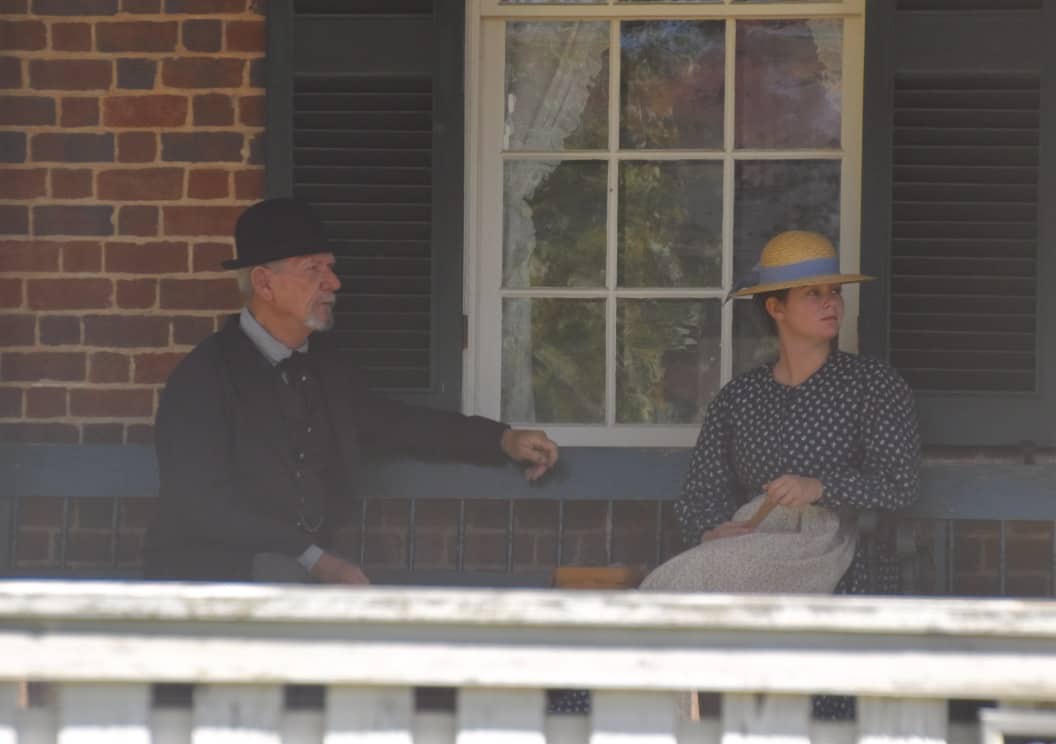
Living history. The park rangers told us about the tour, and that in ten minutes we could meet a local resident. There are costumed players around the grounds, and you are carried back to two weeks after the surrender. A ranger walked us over to the Clover Hill Tavern and introduced us as travelers in off the train, come to meet the town and hear the news of the past weeks.
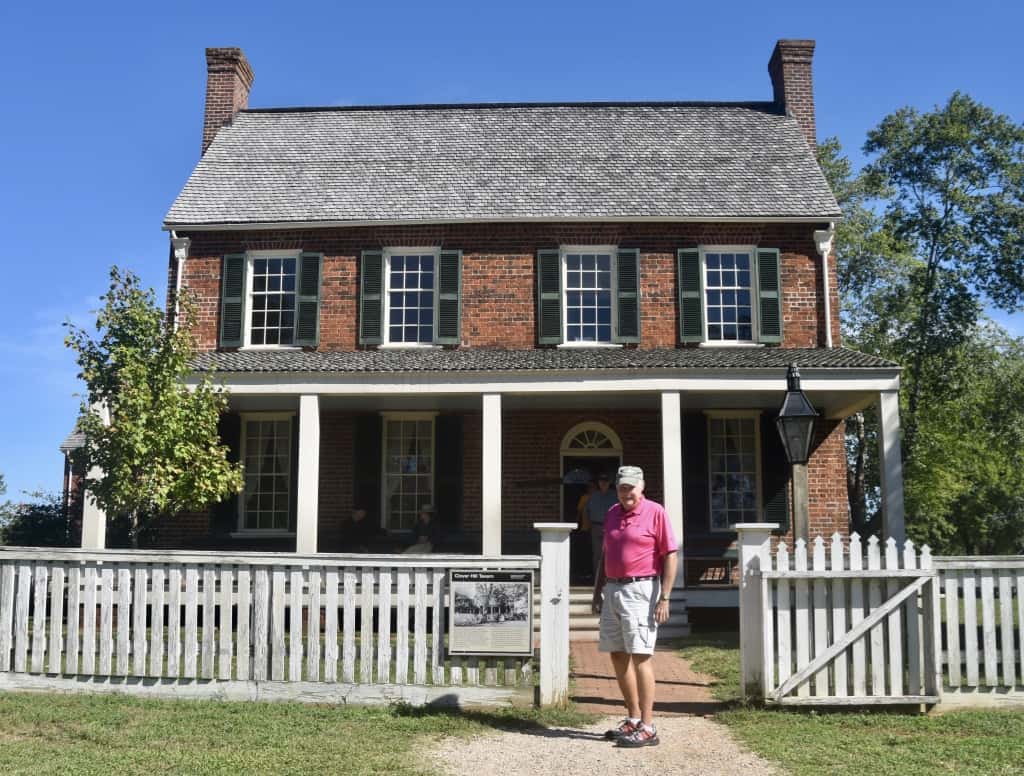
The woman on the porch was Emma Hix, daughter of Wilson Hix, who owned the tavern. We sat with her and asked our questions, and she told us the story of the past month. The fighting had been going on down by the train station, and she and her family had hidden in the tavern basement, waiting for the shooting to stop. When the Army of Northern Virginia surrendered, the terms signed by Grant and Lee over at the McLean House on a Sunday with the courthouse closed, Grant ordered rations for the half-starved Confederates, and it was here at the tavern that the parole passes were printed, some twenty-eight thousand of them, the passes that let the surrendered soldiers go home.
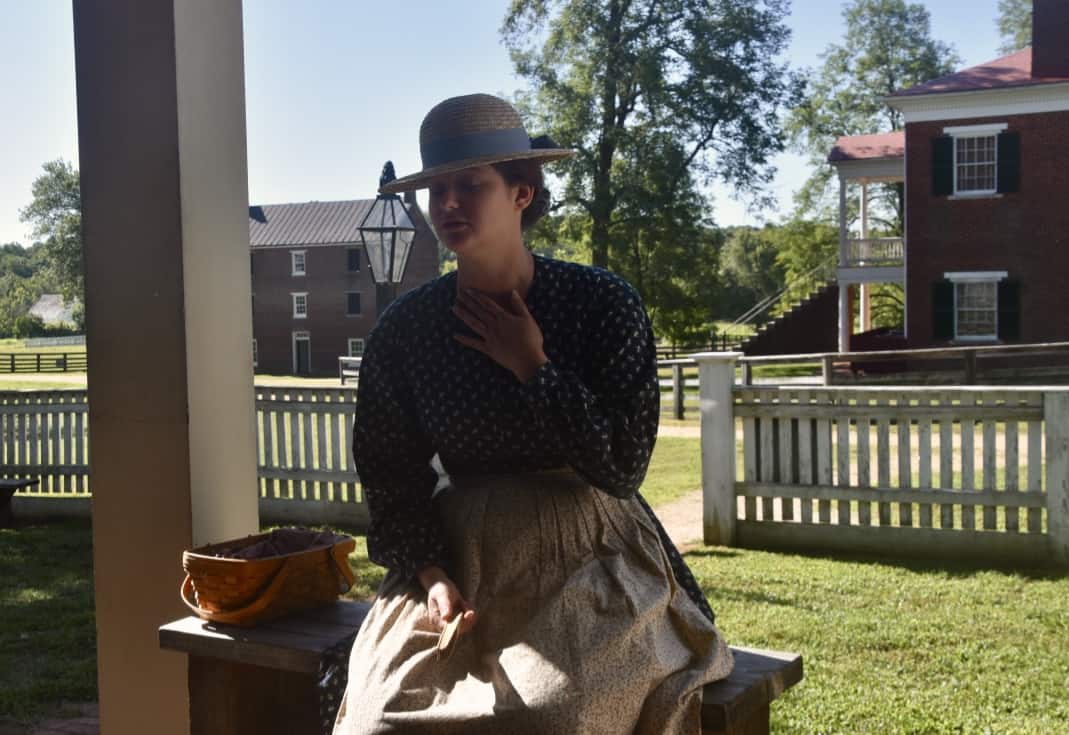
Emma said the southern ladies of Appomattox kept their distance from the Union soldiers, all but her sister. As her telling went, only about six of six hundred soldiers from Appomattox came home. She spoke of a "reckless" General Custer, who had gone to the train station and seized the food that had been gathered for Lee's army, and she said, with a look, that it would not surprise her if Custer found himself in trouble later in life. The local buildings are mostly rebuilt, the originals destroyed in the last of the war.
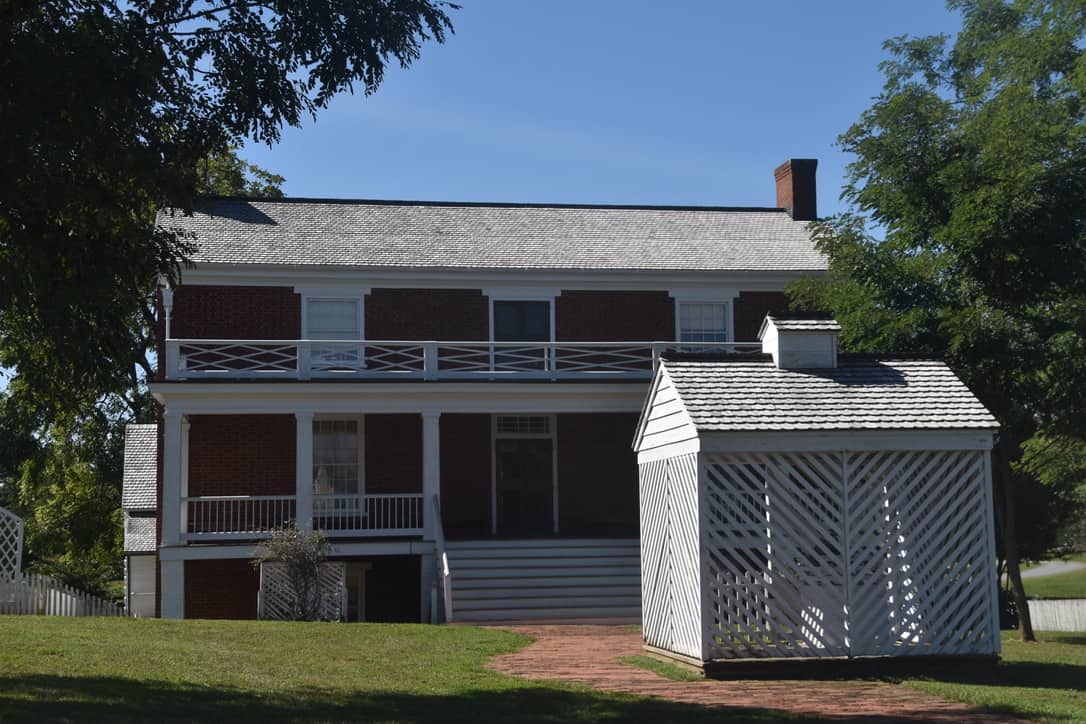
We left the tavern and walked over to the McLean House, where the surrender actually took place, and were surprised by the opulence of it. The upstairs bedrooms, where two of the owner's stepdaughters had their rooms, were large by today's standards. We walked out the back to the summer kitchen and the slave quarters. Emma made a point of the comradeship between the defeated Confederates and the Union men after the surrender; the war was over, it was time to come together, and they did. She also reminded us that Abraham Lincoln was assassinated only six days later, on April 15. We had never been taught how closely those two dates sat together. This was a terrific history stop, and it should not be missed.
We carried on along the by-ways, with one stop at Total Wine for some "commie rum," the Flor de Caña from Nicaragua. It seems only the southeast sells it in liter bottles at a good price, so we bought a liter.