Dateline February 15, 2015, Kangaroo Island, Meet the Koala
A wine stop and the road to the ferry.
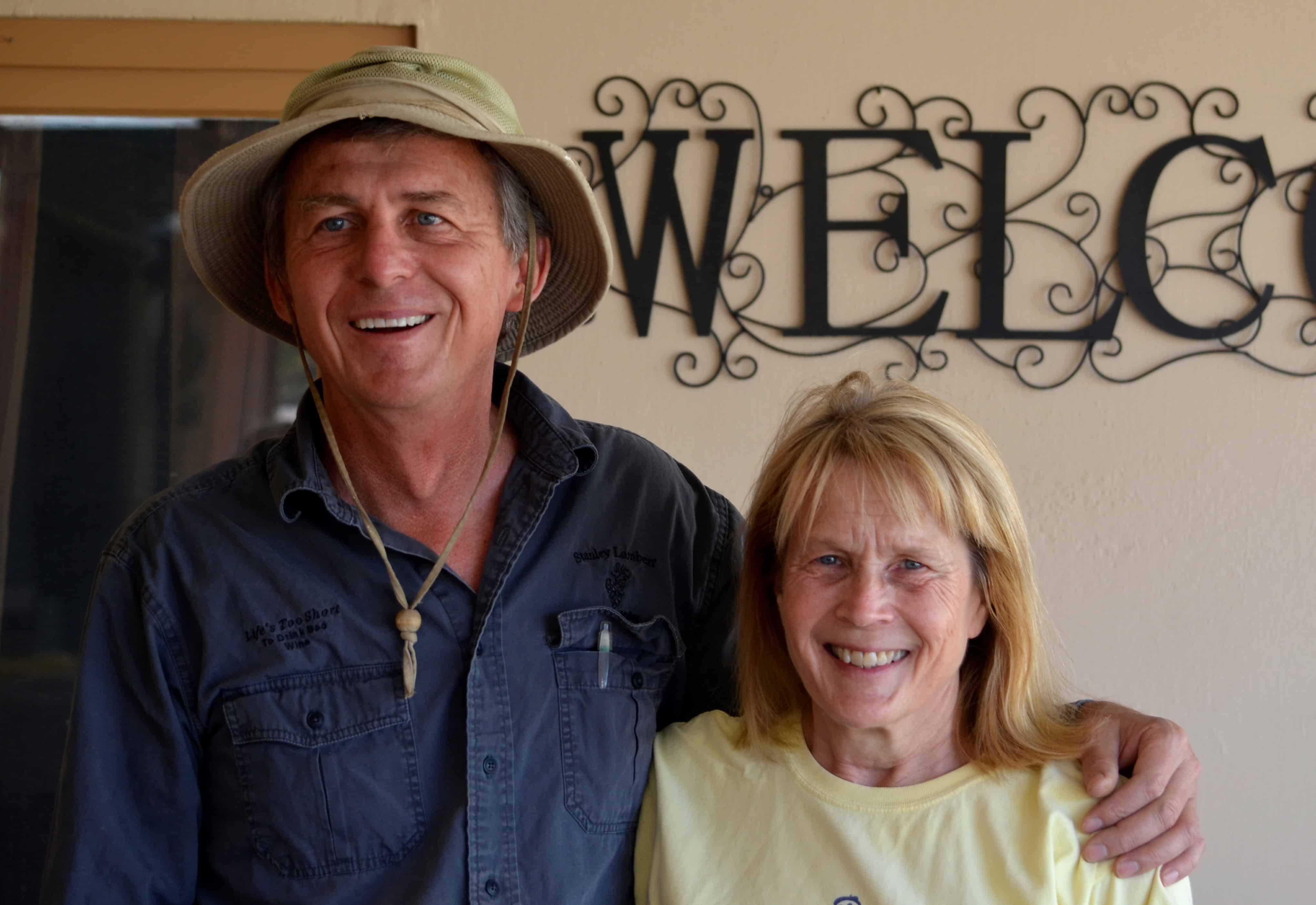
We left the Lambert Estate Retreat and headed over to Jim and Pam's house to pick up some wine for the drive on to Sydney. We bought two bottles each of the unreleased sparkling Chardonnay-Pinot Noir, the Thoroughbred Cabernet, and the Commitment Shiraz. Pam said we needed to take a bottle of the sparkling Shiraz as a gift, which made the trunk all the heavier.
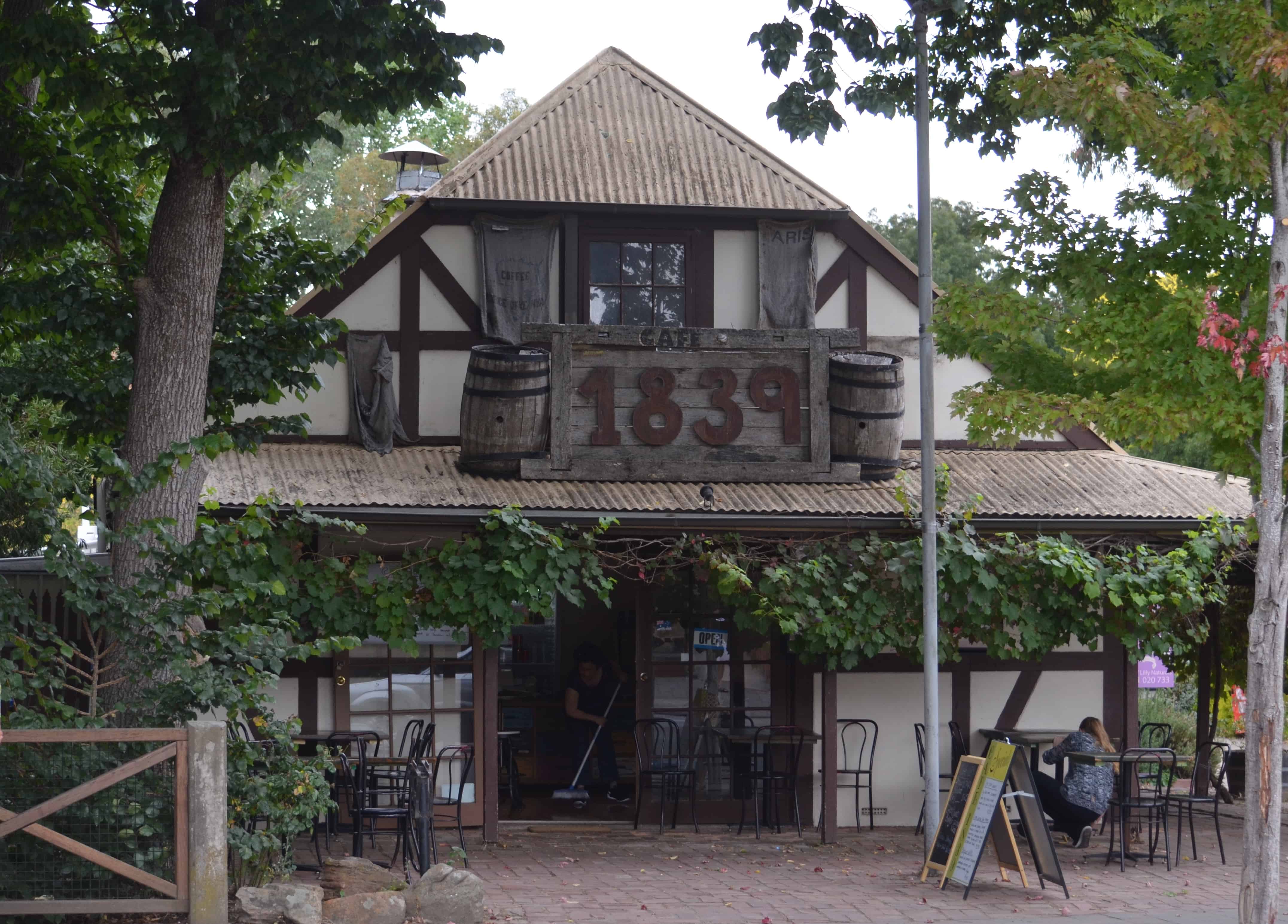
We pointed the car at the Cape Jervis ferry through the Adelaide Hills route, with a stop in Hahndorf.
Hahndorf.
Hahndorf is the oldest German town in Australia, the first town planned for non-British immigrants. Fifty-four founding families, escaping religious persecution, arrived in 1838. The ship's master, Captain Dirk Hahn, helped them secure 240 acres of land rent-free for a year, and the settlement was named for him: Hahndorf, "Hahn's town."
We stopped at tourist information and got a tip on the best local place for lunch, then strolled through the shops, candle makers, leather makers, and beautifully made German clocks.
The crossing.
Arriving at the ferry terminal, we waited to board the 4 p.m. boat. It was very cloudy, so the forty-five-minute crossing was a bit rough and there was not much to see.
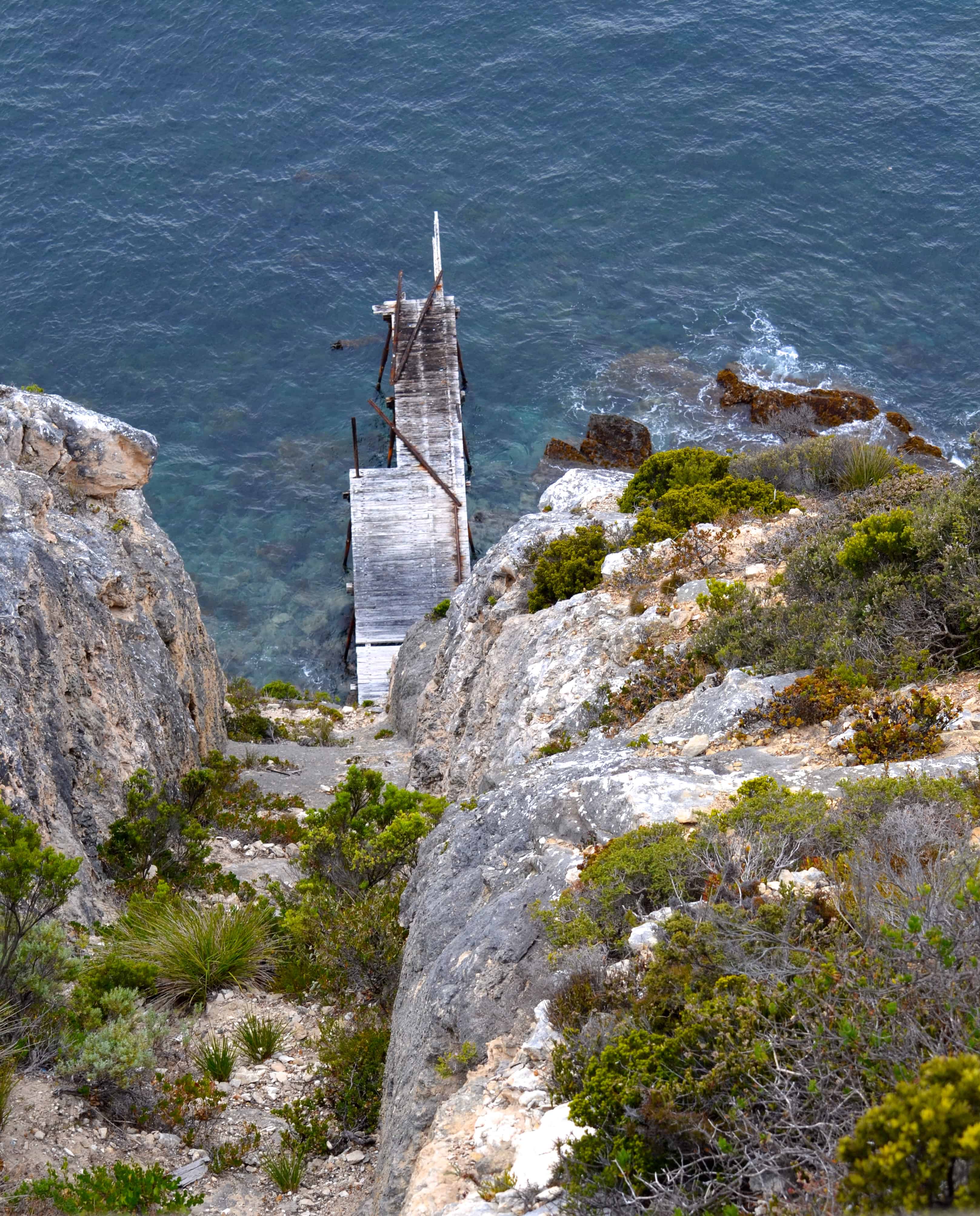
Kangaroo Island has a rich history. Matthew Flinders, the British explorer, found the island in 1802. There were no inhabitants but there was fresh food: kangaroos. The subsequent arrivals took up whaling and sealing, at one point almost exhausting the whale population. At different times the English, French, and Americans were in charge of Kangaroo Island. The Americans left after repairing their ship, which is how the American River got its name. There were many shipwrecks around the coast, particularly at Cape du Couédic, where a lighthouse was eventually erected. The Cape du Couédic light was not started until 1909. The materials, and later the goods for the keepers, were supplied from nearby Weirs Cove. At first they were carried ninety meters up the cliffs. In 1907 a flying fox was installed.
Penneshaw to Kingscote.
We arrived in Penneshaw and headed to Kingscote, where we would be staying for the next two nights. Much of the road was lined with eucalyptus and gum trees.
At the motel, we decided to sit outside our room with cheese, sausage, and drinks for dinner. We finished the four open bottles from our first night at Lambert Estate, which led to additional wine and a few more drinks. A gentleman staying in the room next door came out when he heard the laughter and joined in. His name was Terry Modern, from Victor Harbor, about an hour from Cape Jervis. He was on the island with a number of his mates for the Kangaroo Island Cup Carnival, three days of horse racing and parties. We had a great time talking across countries about each other's politics. Same bullshit, it turns out.
Parndana, and the kangaroo enclosure.
The next morning we met for breakfast about 8:30 and headed to our first stop, the Parndana Wildlife Park. The night before, a French Canadian group had told us how wonderful it was, so we were primed. We paid a small admission and went straight to the kangaroo area, where visitors can go inside a fenced enclosure with the kangaroos. It was a blast.
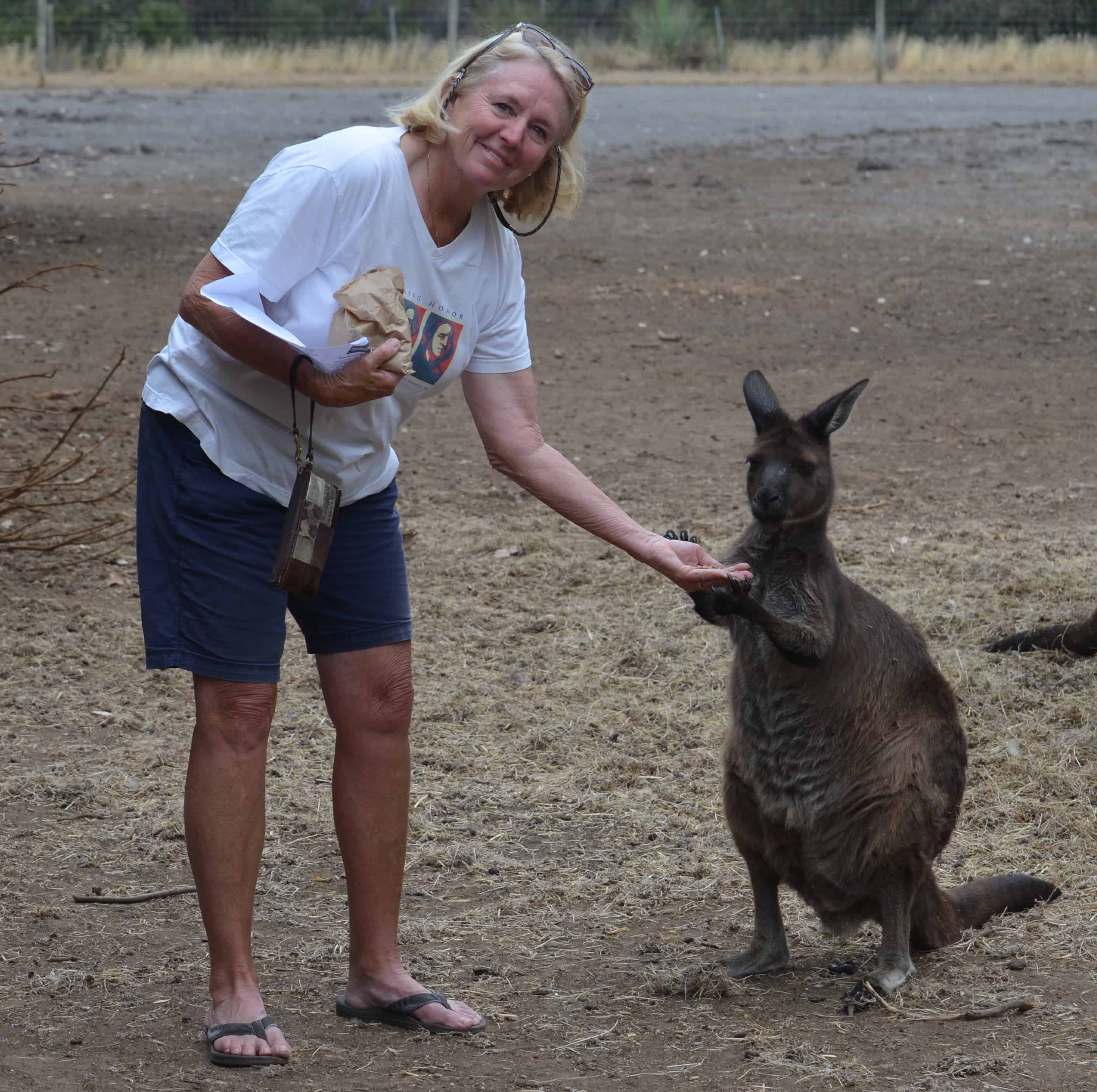
The Kangaroo Island kangaroos are smaller and darker in color than the ones on the mainland.
Meeting the koalas.
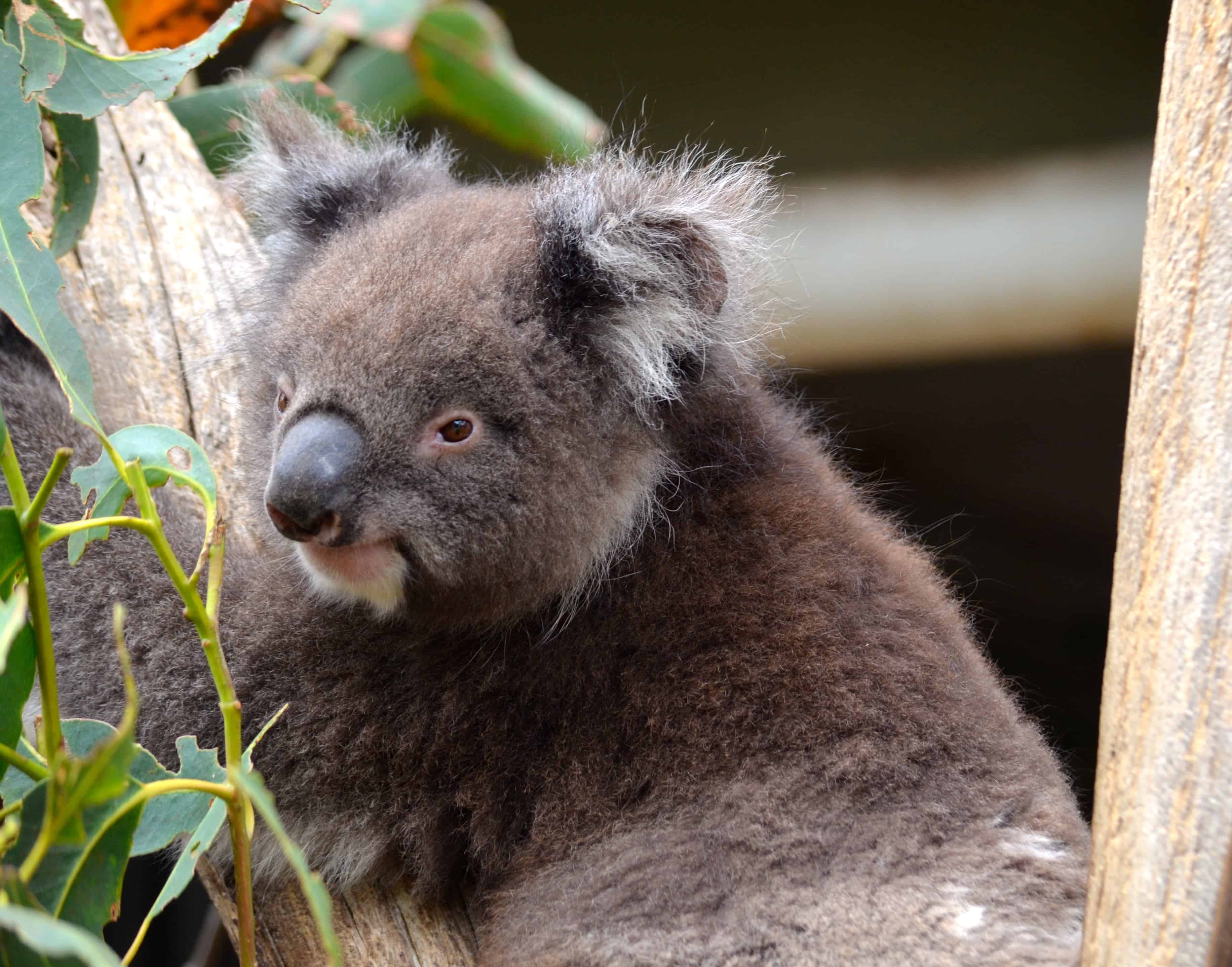
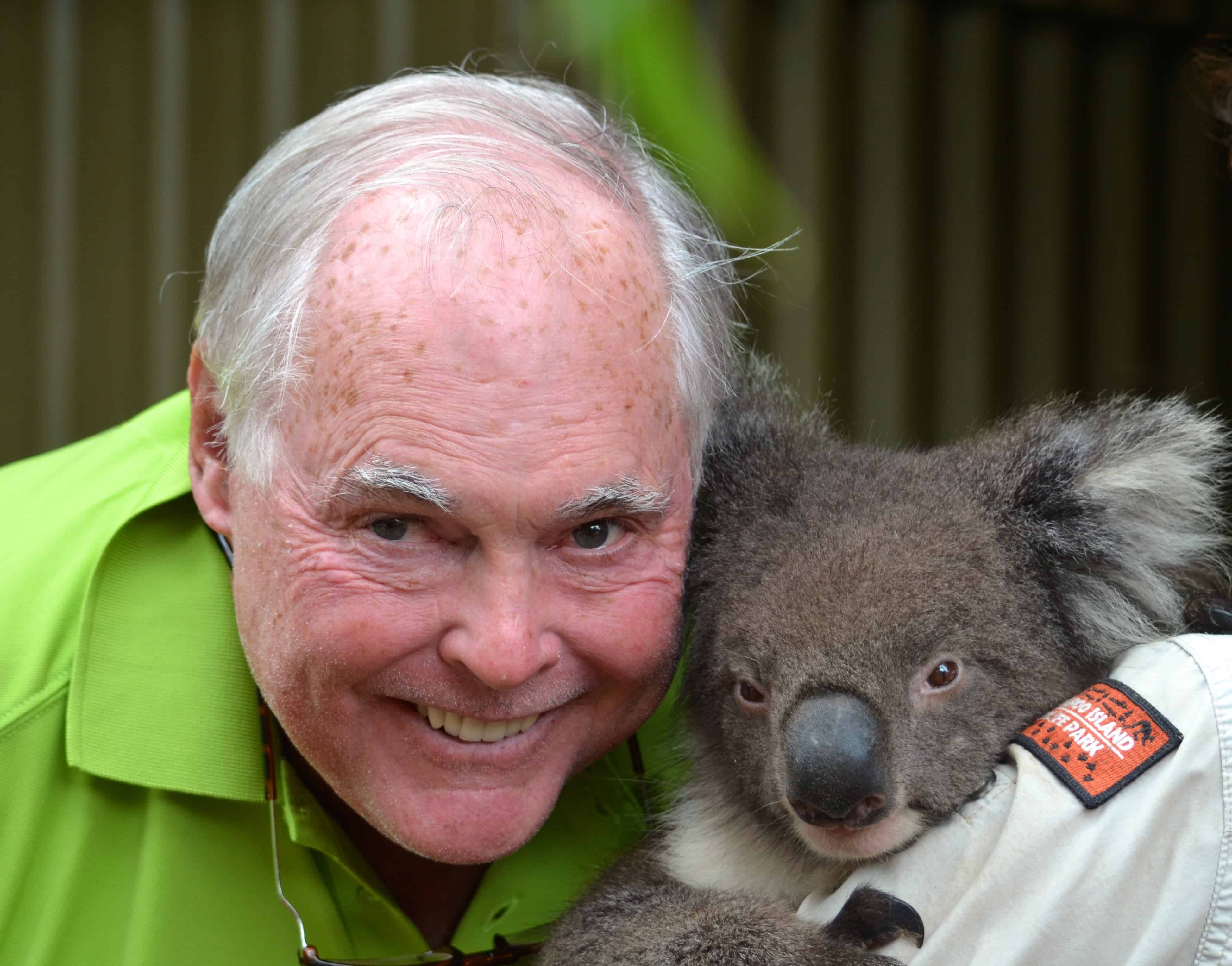
At 11 a.m. they allowed the visitors into the koala area. All the koalas were sleeping.
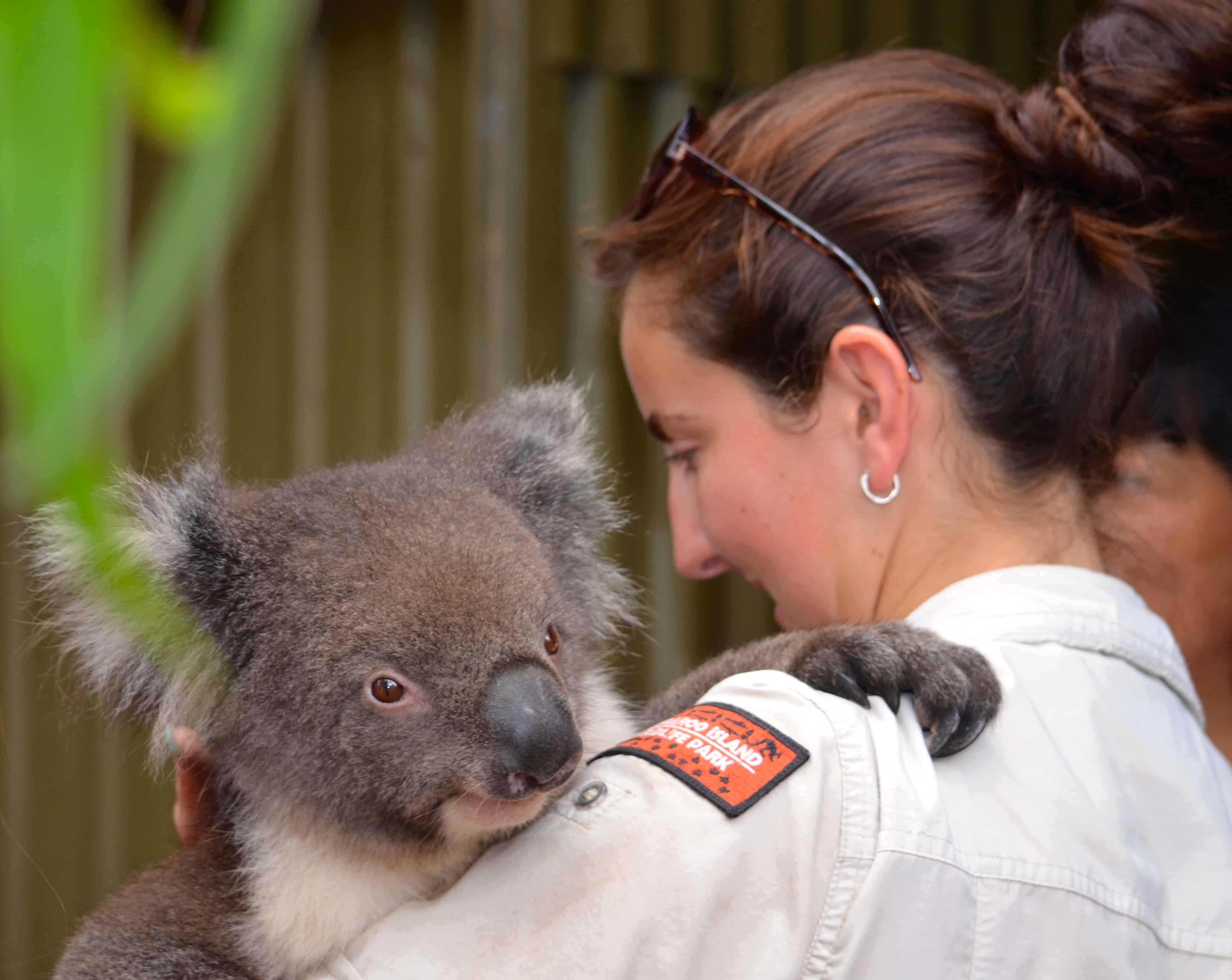
Dana, the owner and a wildlife conservationist, took the time to walk us through the small fuzzy mammal. As most know, the koala is a marsupial, which means the baby is born and then carried in the pouch. After giving birth, a female koala carries her baby in her pouch for about six months. When the infant emerges, it rides on its mother's back or clings to her belly, accompanying her everywhere until it is about a year old.
These plump, fuzzy mammals are "cute as a bear," but they are no relation to bears. They are related to kangaroos.
Today, the natural predators of the koala do not make a significant impact on wild populations. The real threats are drought and disease. There are four common koala diseases caused by the chlamydia organism: conjunctivitis (which can cause blindness), pneumonia, urinary tract infections, and reproductive tract infections, the last of which can cause female infertility. Dana is working with other scientists in Australia to try to breed an immunity. On Kangaroo Island there are about sixteen thousand koalas; ten thousand have been sterilized to control the population, because the island can only support about that many with the foliage available.
Koalas are not native to the island. About a dozen were brought across many years ago, and at one point there were as many as twenty-six thousand. Koalas live twelve to eighteen years in the wild, and longer in captivity, because they are not stressed by the constant search for food.
The koalas at the center are rescues. The two eighteen-month-old "bears" we met had been brought to the center when they were found. Either their mothers had been killed or they had been abandoned. Dana raised them herself, in a burlap bag to simulate the pouch, with special formula. They think she is their mother.
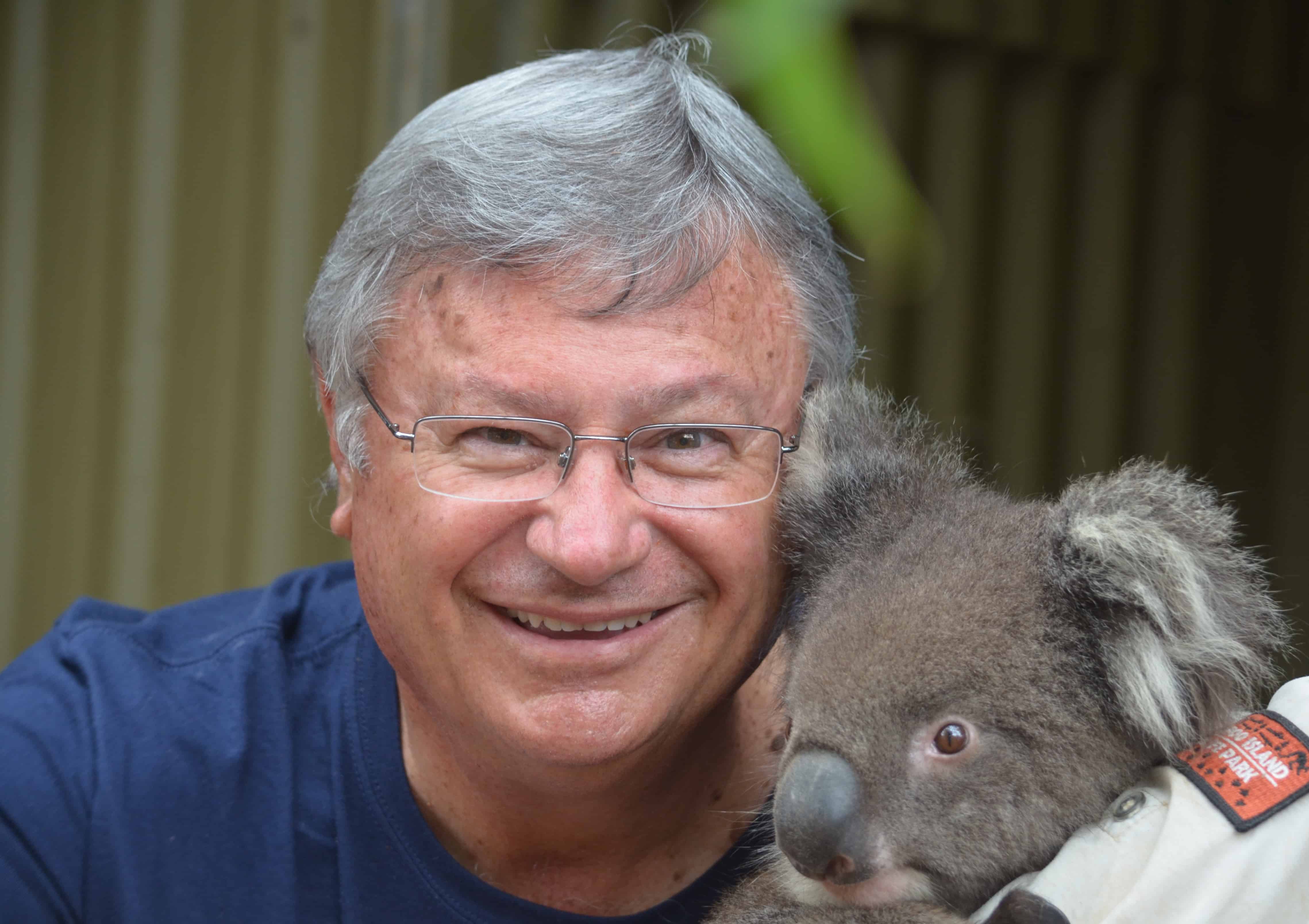
Dana also told us about kangaroo families. A family of kangaroos is called a mob. Each mob has a single breeding male, a number of females, and the joeys. Another male may be allowed in the mob as long as he does not try to breed with the females. After feeding some of the kangaroos, we left the center.
The drive south.
Driving around Kangaroo Island, you have to be careful not to hit the wildlife, mainly kangaroos and possums. The driving itself is monotonous, to say the least. It all looks the same, with very little signage, or any homes or farms visible from the road.
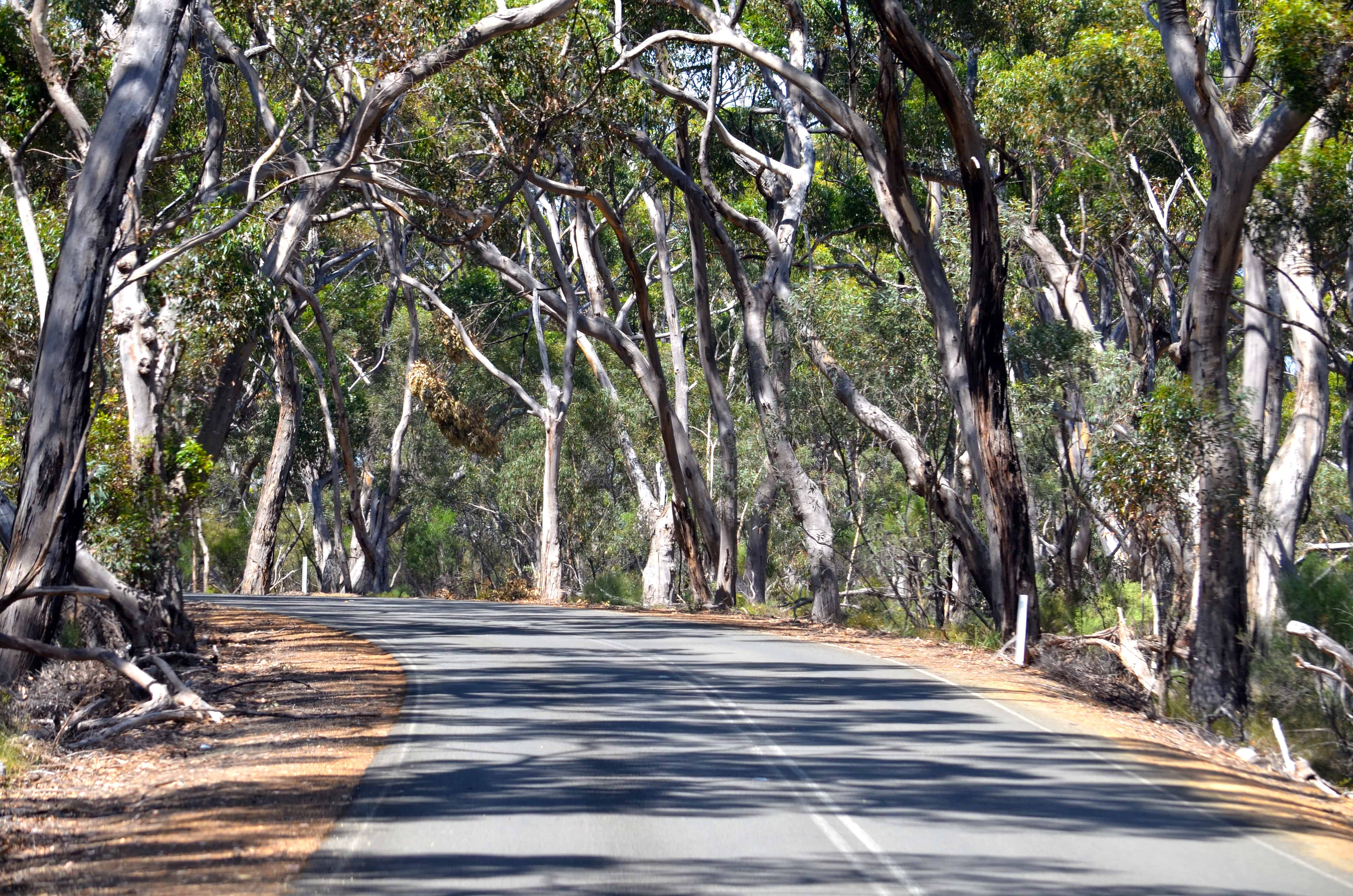
We arrived at the Flinders Chase visitor center to register for the drive out to Admirals Arch, Weirs Cove, and the Remarkable Rocks. When we got out of the car there were a number of koalas in the trees right above us. Quite a sight.
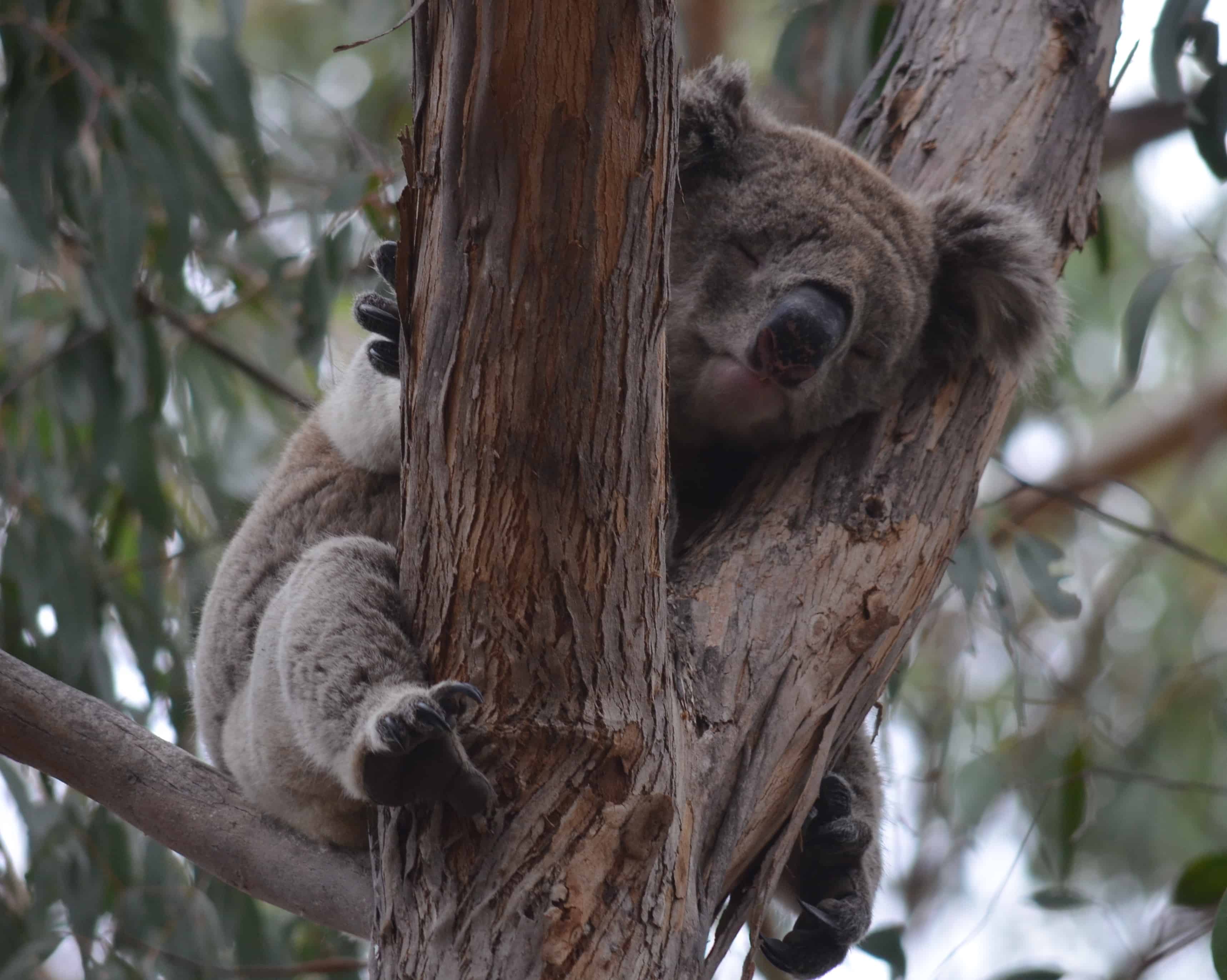
We grabbed a bite to eat and started the drive down to the south coast. It was a long drive, but well worth it.
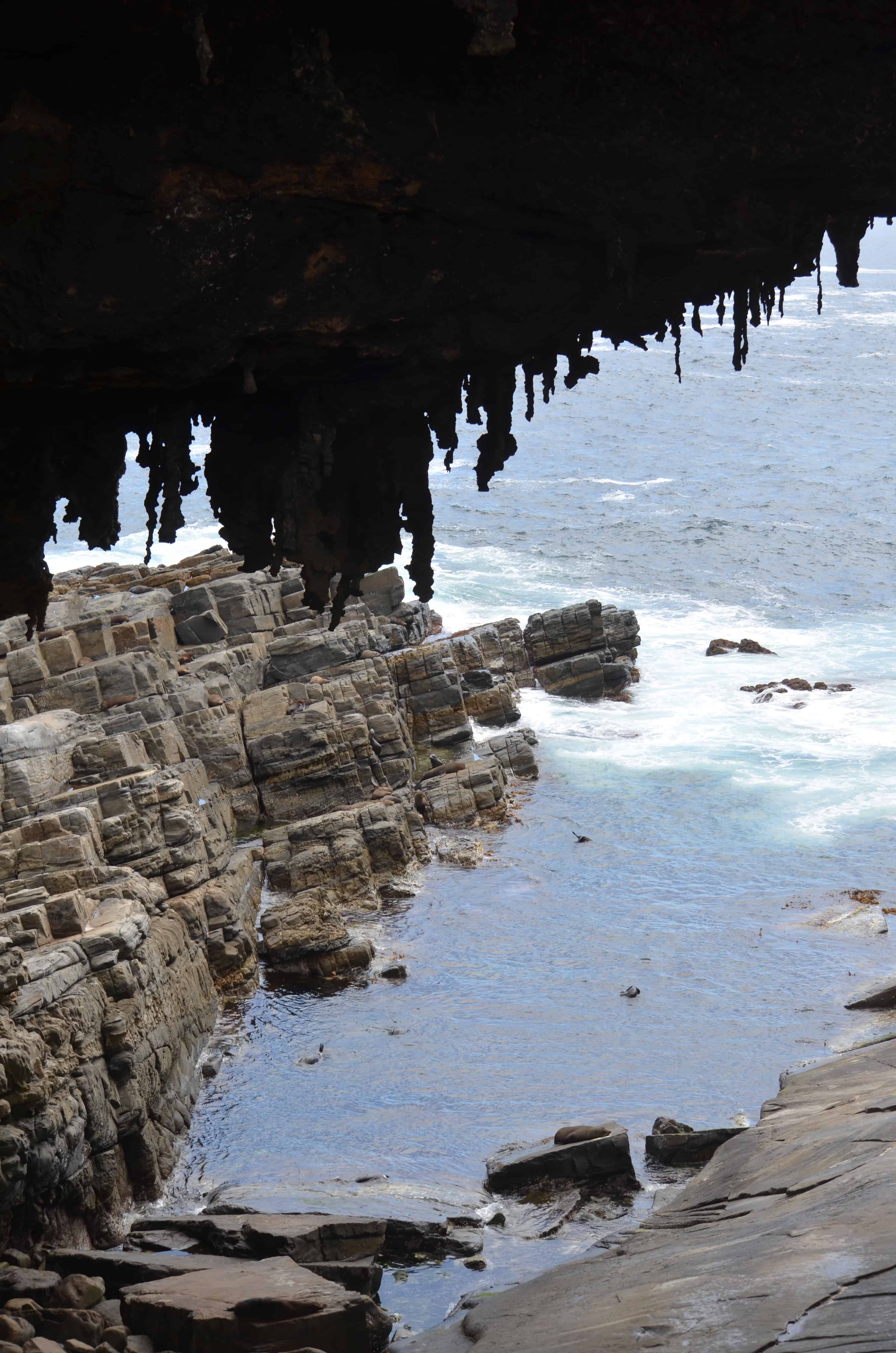
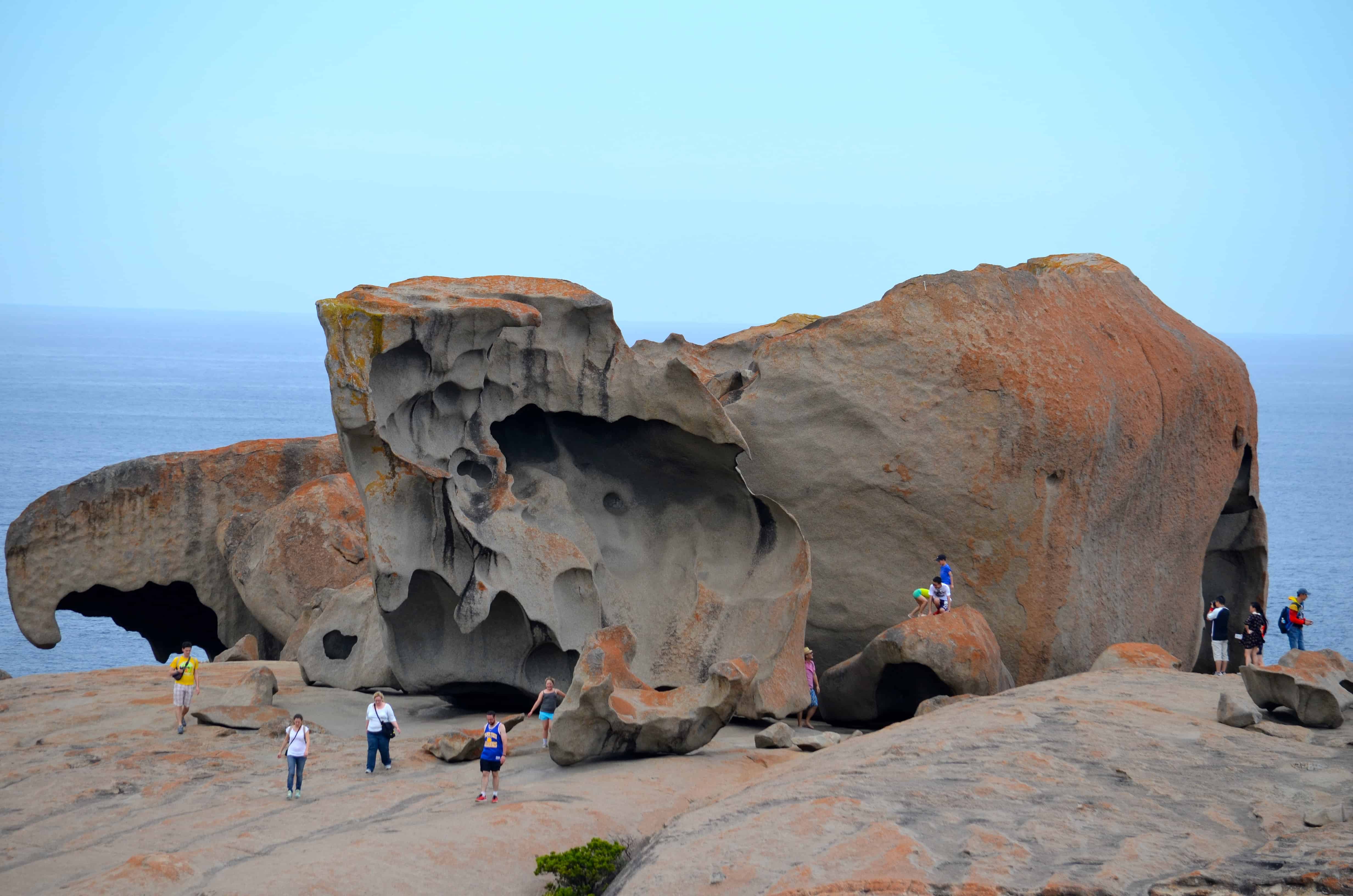
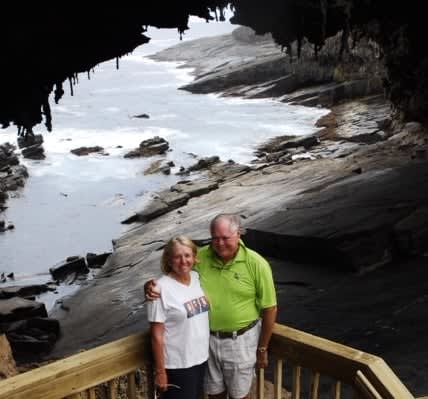
The rocks were unlike anything we had seen and the arch was magnificent.
Evening with Terry, and the ferry home.
We started back to the motel, stopping at the grocery store for cooked chicken and bread for dinner, then back to the room for wine and food. Terry joined us again for more conversation and drinks. A fun evening.
We got up early the next morning, had some breakfast, and headed back to Penneshaw to catch the ferry to the mainland, on the drive to Robe.