Dateline February 26, 2015, The Great Ocean Drive
Heading east.
As we left Port Fairy we knew we were close to starting one of the most beautiful drives in the world. John and Janice had done the drive in 2009; this was Pete and Bunny's first time. There is more to it than fabulous beaches, cute towns, and spectacular views of the rocks and cliffs. There is also a remarkable history behind the road itself.
The Great Ocean Road is a permanent memorial to those who died fighting in World War I. Carved out of the cliffs, it winds around the rugged southern coast. Built by returned servicemen, it was a huge engineering feat that ended decades of isolation for Lorne and the other coastal communities. Survey work began in August 1918 and thousands of returned soldiers descended on the area to start work. It was back-breaking work, with no heavy machinery to help. Only picks, shovels, and horse-drawn carts.
The first stage, linking Lorne and Eastern View, was completed in early 1922. Over the next decade, the trust continued its work linking Lorne with Cape Patton and Anglesea, while the Country Roads Board built the Cape Patton to Apollo Bay link. On November 26, 1932, the route was officially opened by the Lieutenant Governor, Sir William Irvine. It was a sight to see: a procession of forty cars, with schoolchildren lining parts of the route.
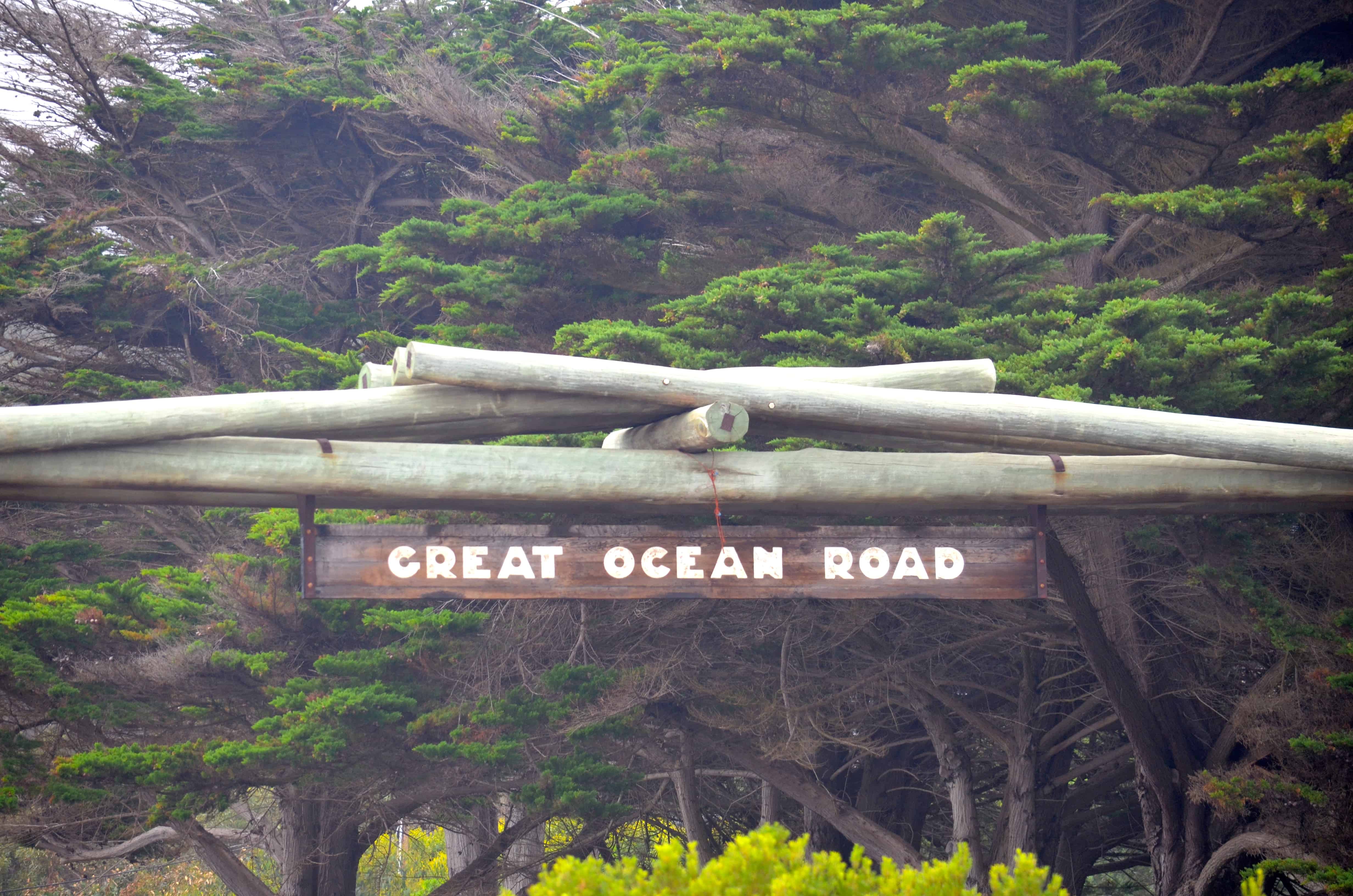
Road travelers during the early years paid a toll at gates at Eastern View, where a memorial arch was erected. Drivers paid two shillings and sixpence, passengers one and six. The toll was abolished when the Trust handed over the road as a gift to the State Government on October 2, 1936.
The stops.
We drove toward Apollo Bay, which would be our overnight near the end of the drive. The stops were frequent, each one better than the last.
The first was Bell's Beach, the famous surfing beach. We watched many boys and girls out there, some learning, some already on their way.
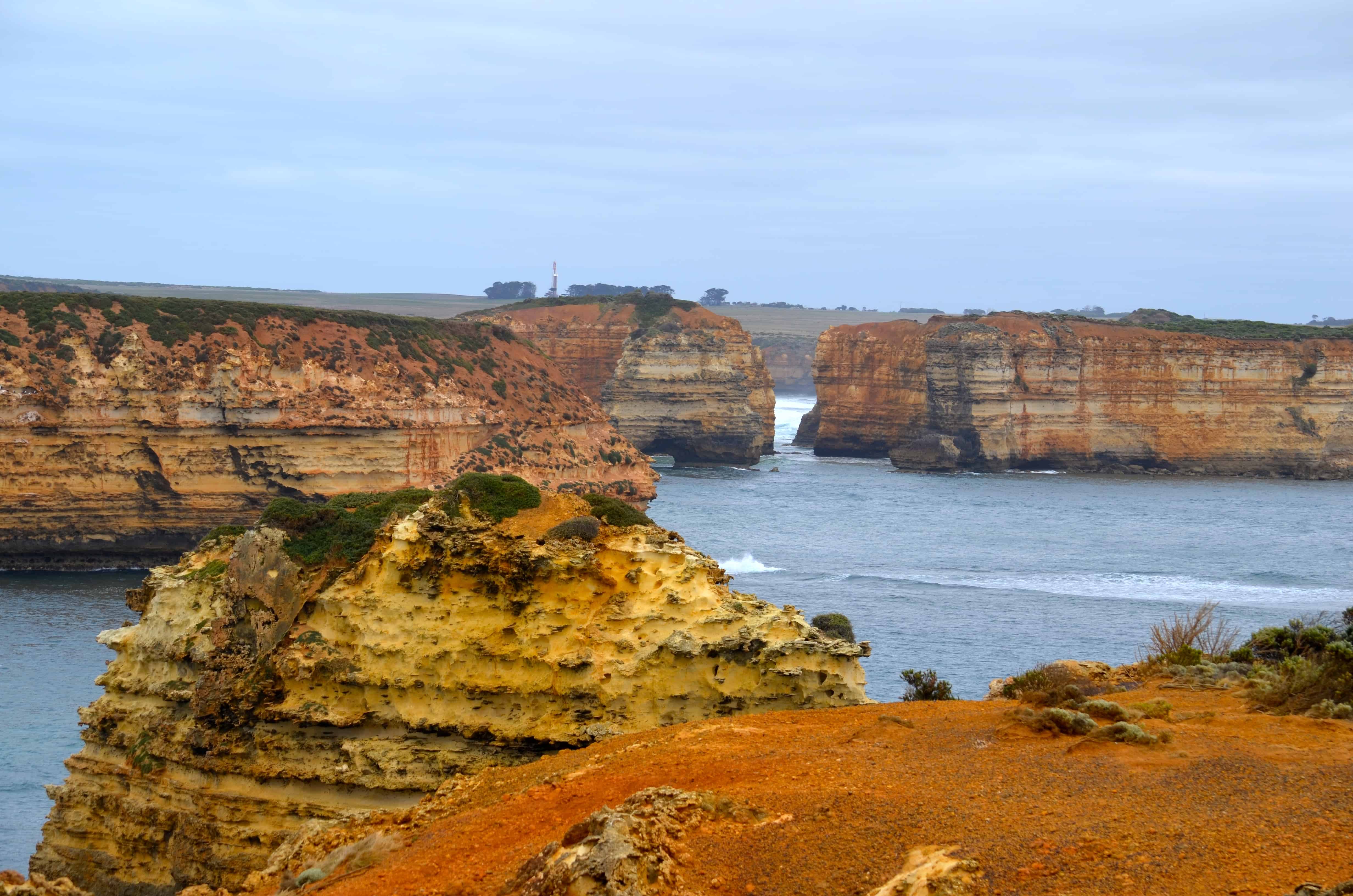
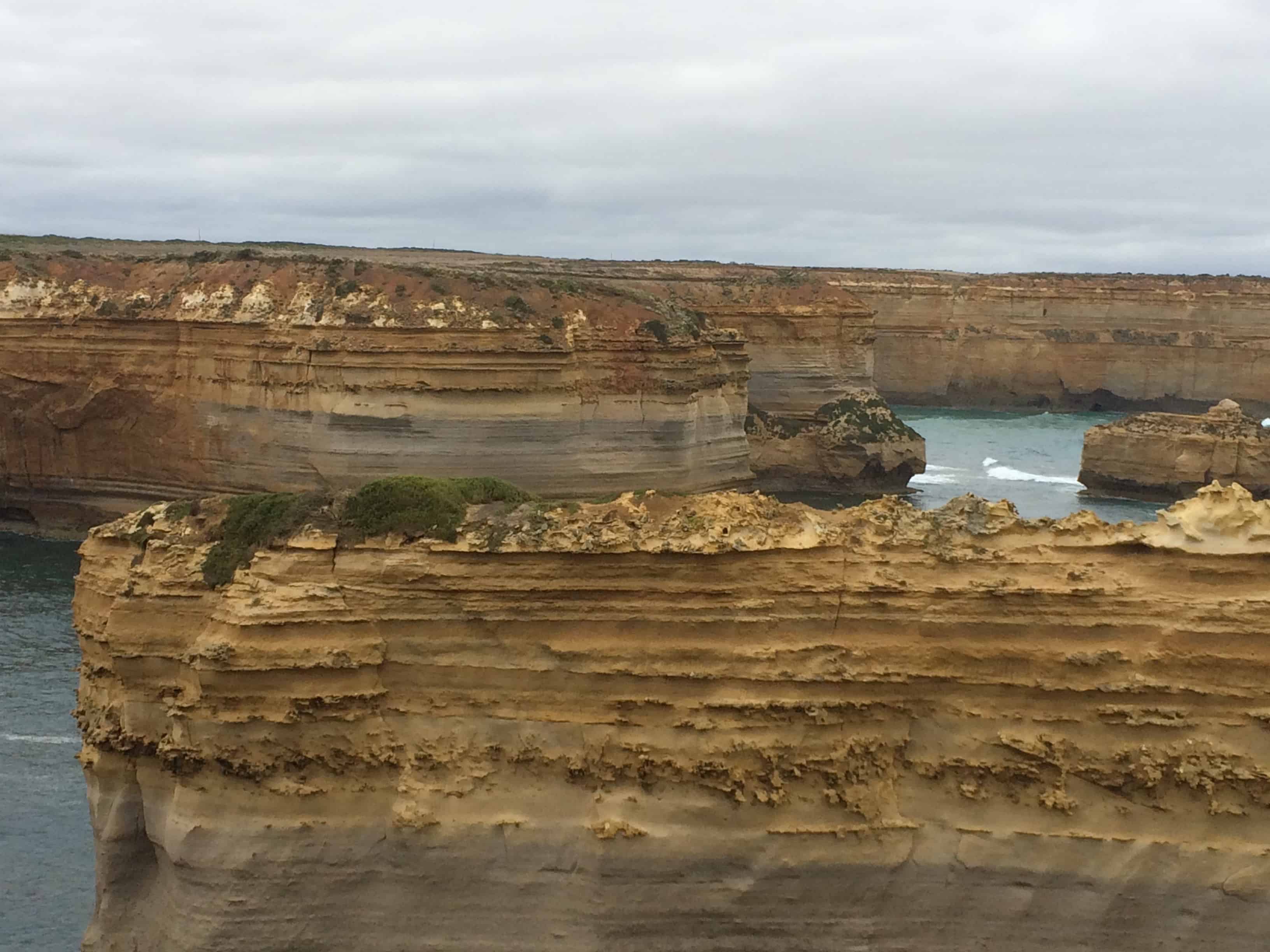
Our next stop was the Bay of Islands, with its beautiful rock formations.
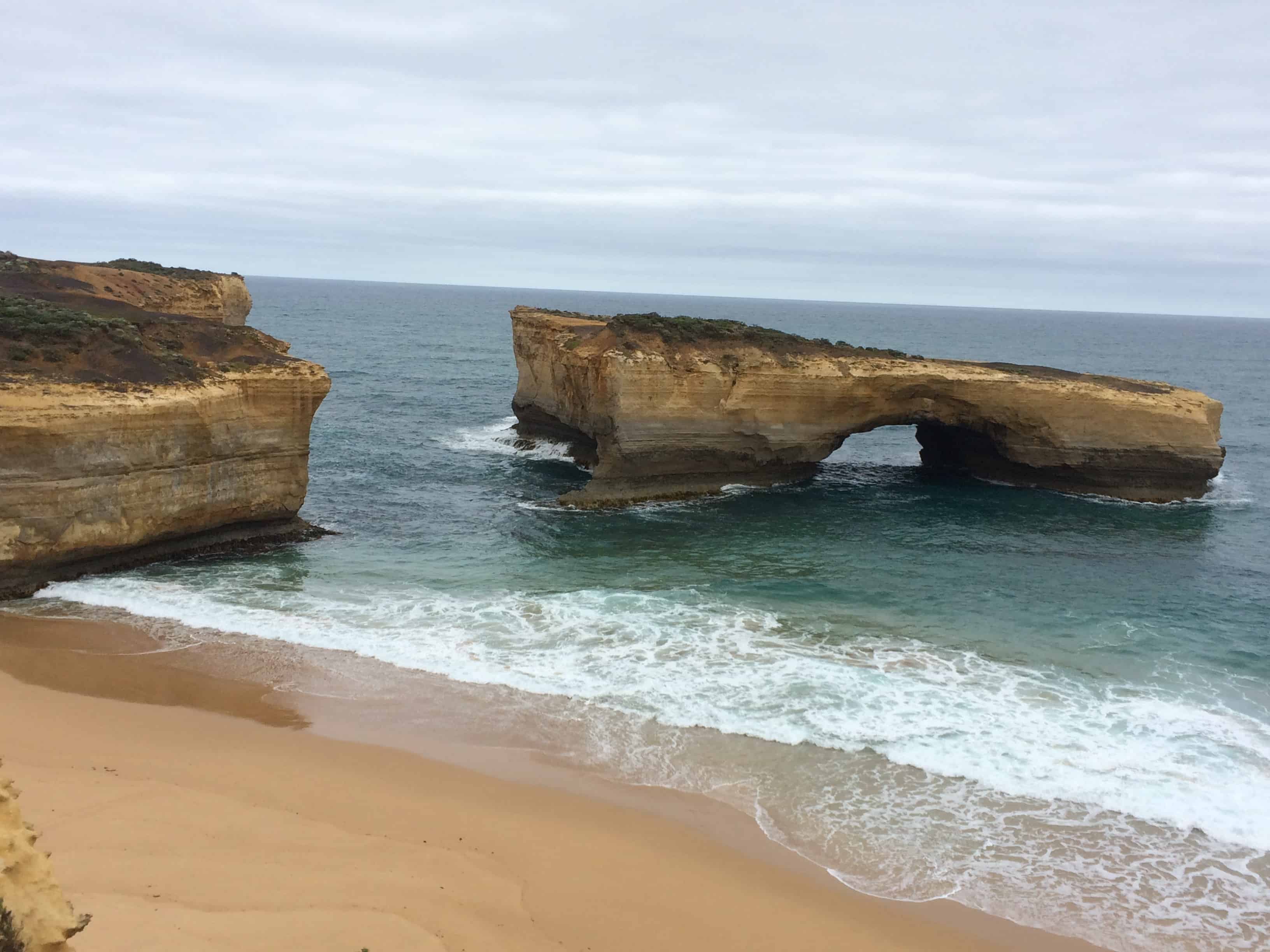
Then London Bridge. The formation had been attached to the mainland until 1990, when it broke off. There were some tourists on the other side at the moment it gave way, and they had to be rescued by helicopter. No injuries.
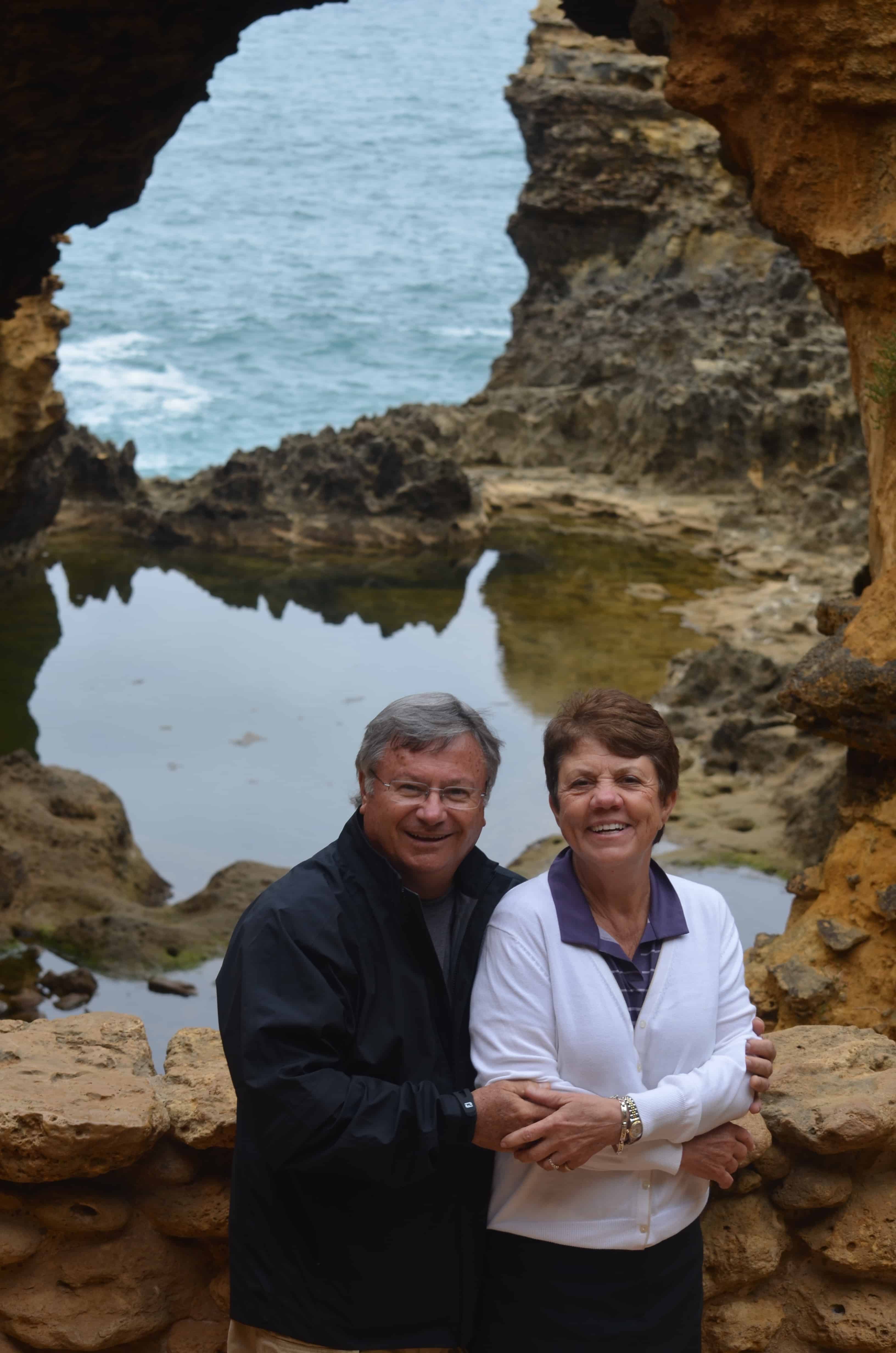
The Grotto.
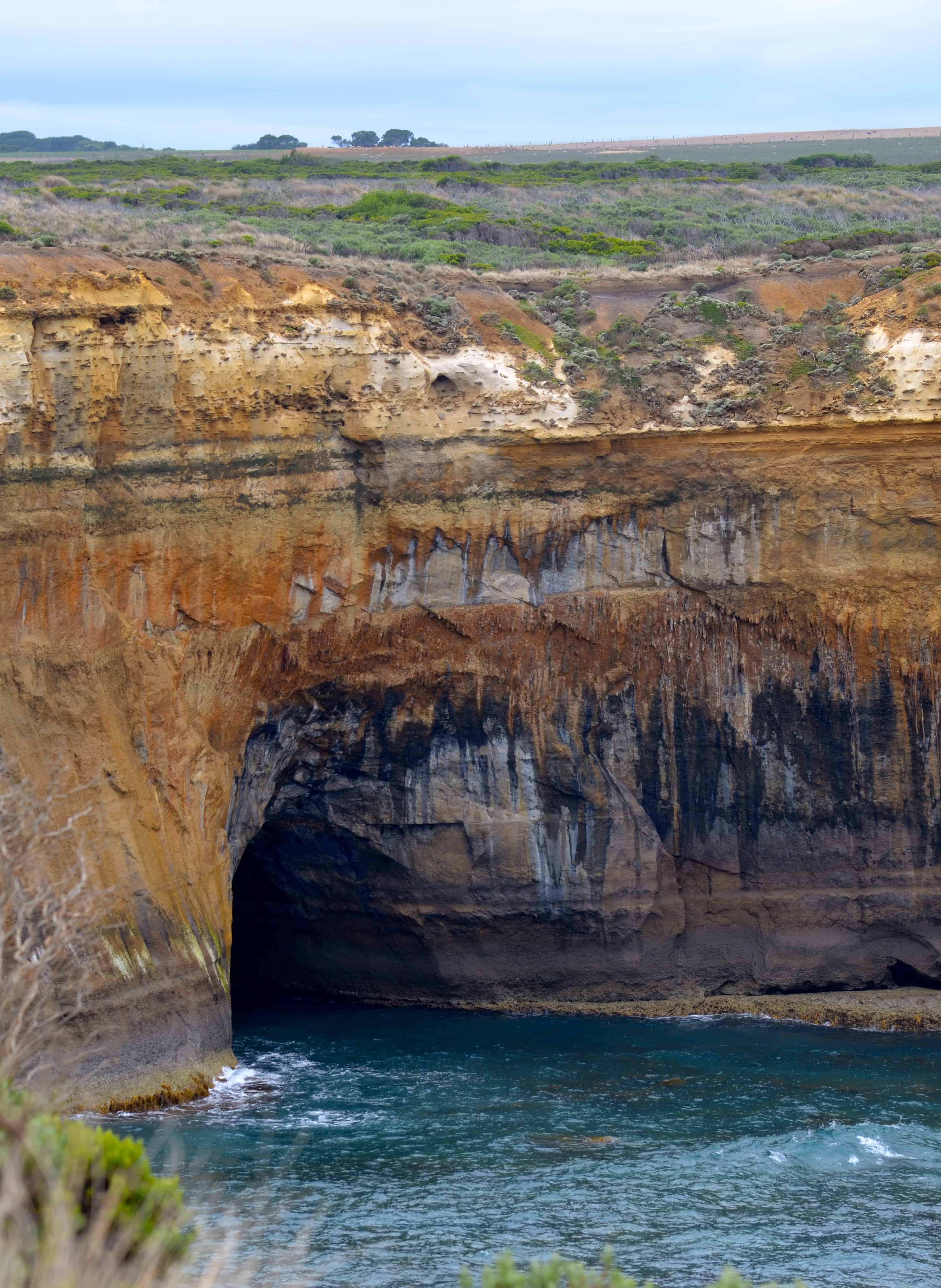
The Grotto is one of John and Janice's favorites. You walk down to where the rock has been carved out by the sea and you get a beautiful view at ocean level.
The Twelve Apostles.
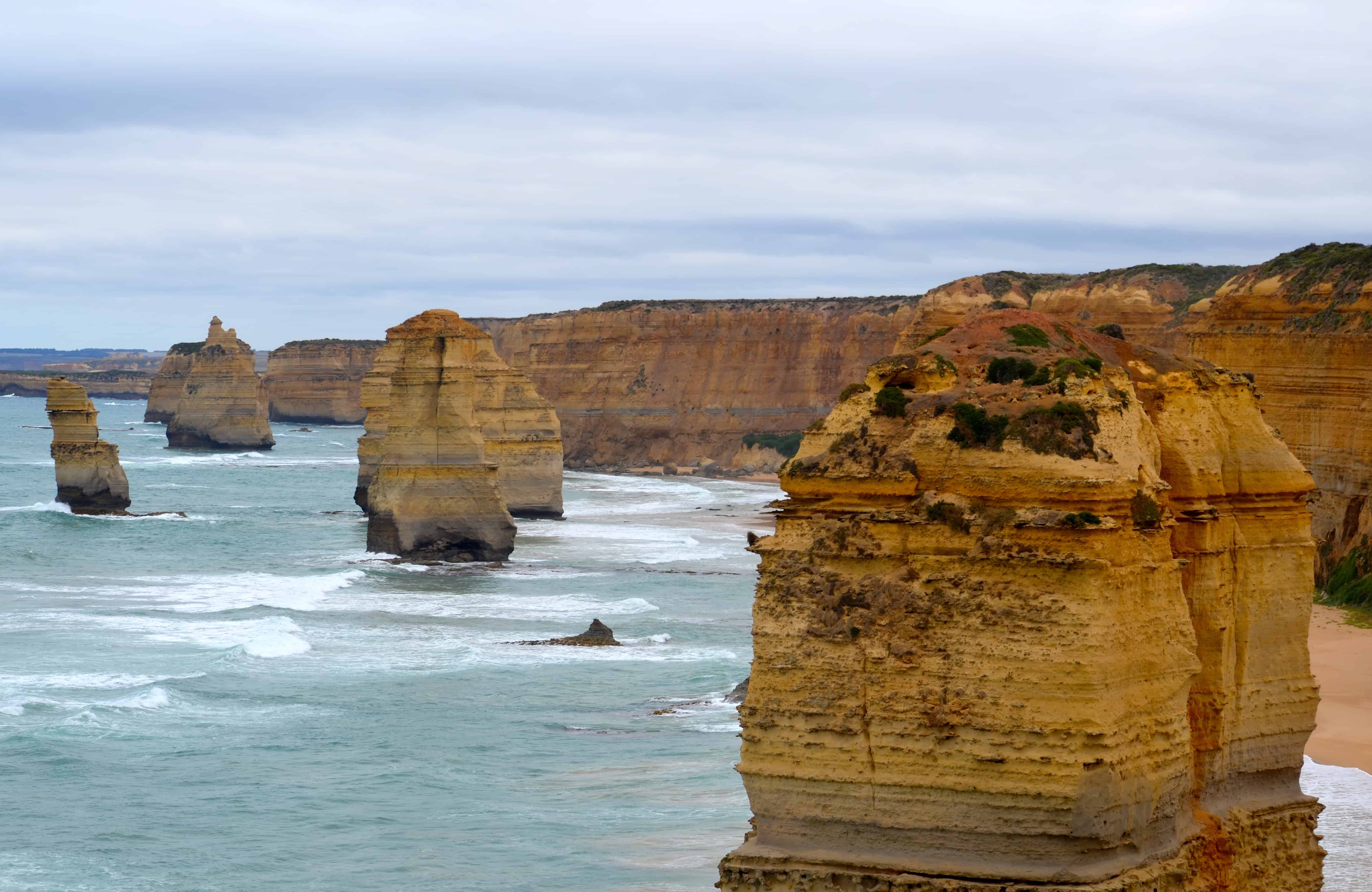
The next stop was the famous Twelve Apostles, a collection of limestone stacks just off the shore of the Port Campbell National Park.
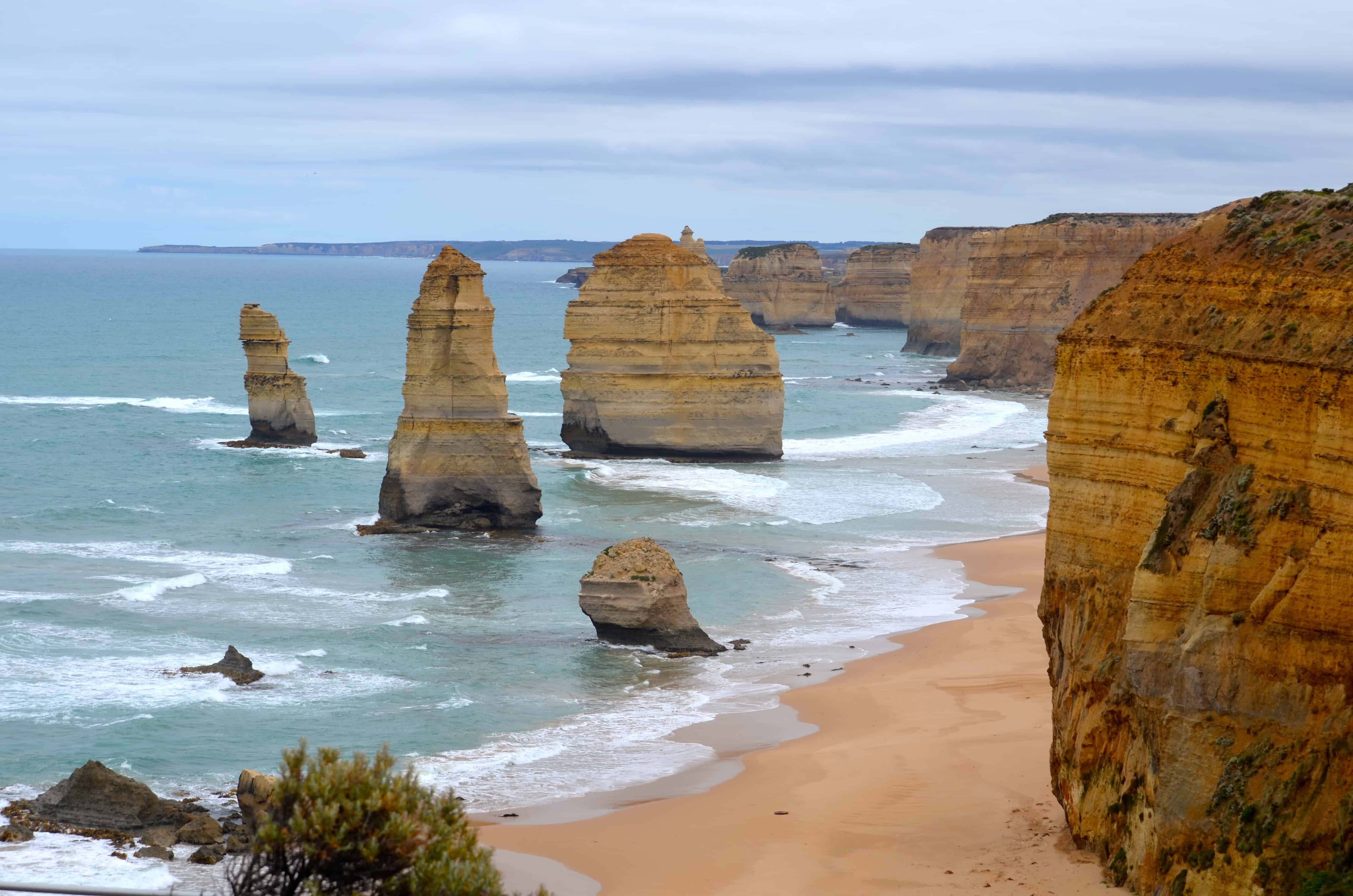
A small historical aside, because the math here is glorious. There were never actually twelve. There were only ever nine stacks. The name "Twelve Apostles" was a marketing rename in 1922, by people who thought the previous name needed an upgrade. The previous name, we promise we are not making this up, was the Sow and Piglets. One of the nine stacks collapsed in 2005, leaving eight today. So the total has gone, in a hundred years, from "Sow and Piglets" (zero) to "Twelve Apostles" (nine) to today's eight standing stacks. Truth in advertising clearly was not the priority. The views are still magnificent.
A few more pictures from the rocks and the coast:
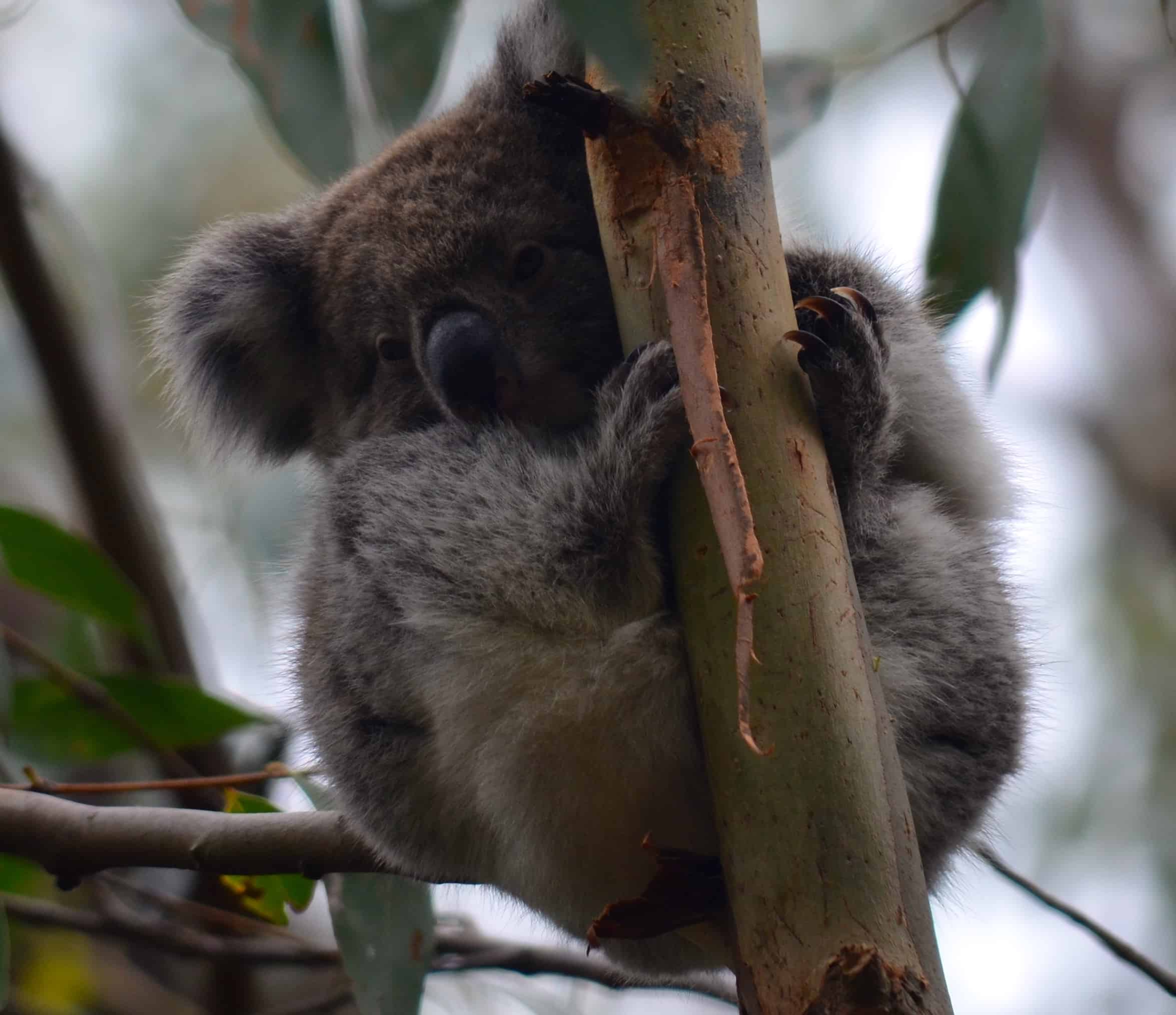
Otway, and the koala that did not disappoint.
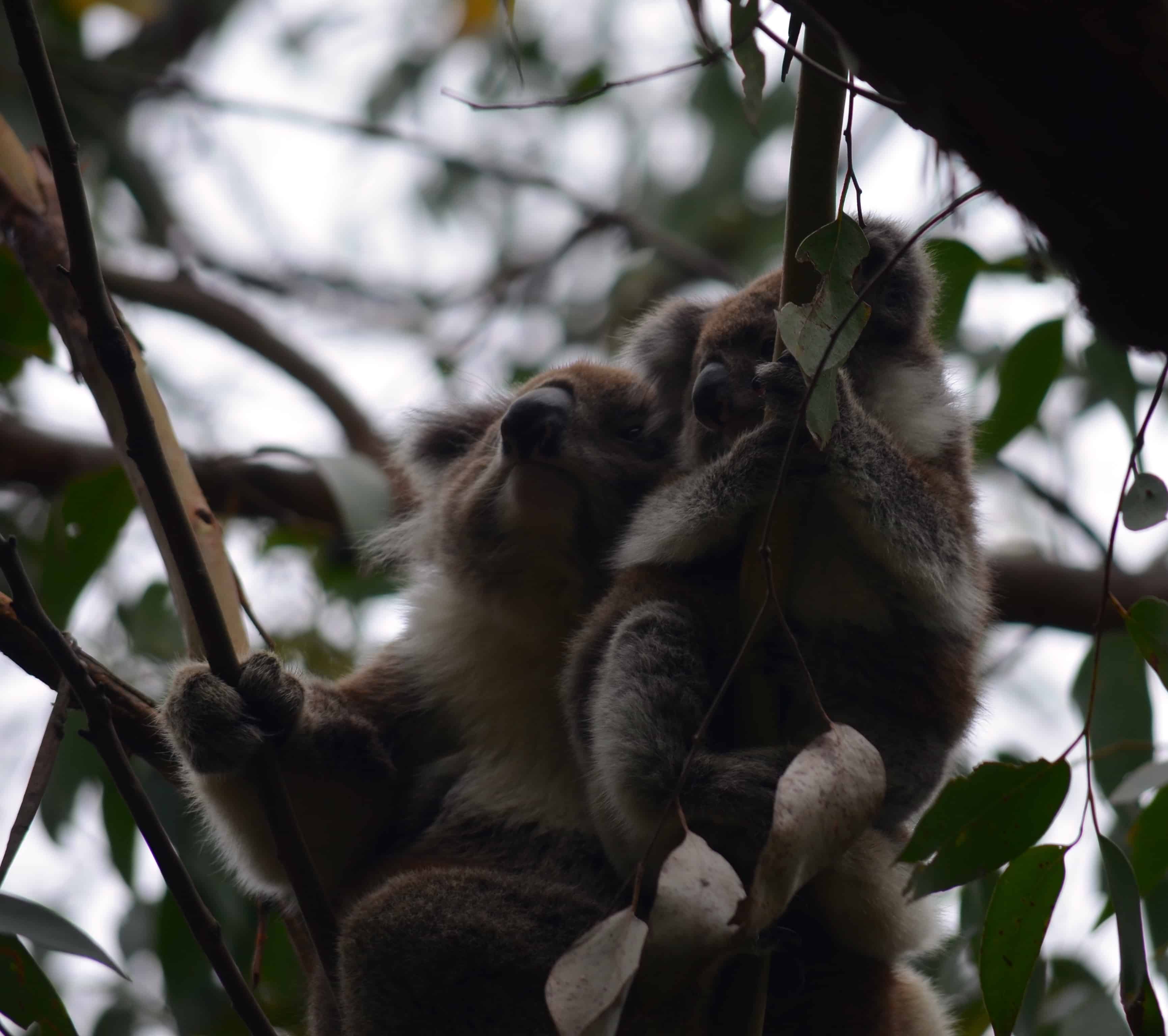
We drove on to the Otway Lighthouse in the Great Otway National Park. This park has many koalas in the trees, and on this drive we saw something we had never seen before. A mother koala was sitting on a branch, and her baby came out of the pouch onto her back. Mom held the baby for a while, and eventually it climbed off onto its own small perch in the tree.
Apollo Bay.
We continued to Apollo Bay to find lodging. The volunteers at the "I" booth were very helpful and made us a reservation up the road at a motel. In the meantime we arranged to eat at a local Italian restaurant, Casalingo, when it opened at 5:30. Great food and a good end to the day. We drove the ten minutes to the motel and crashed for the night.
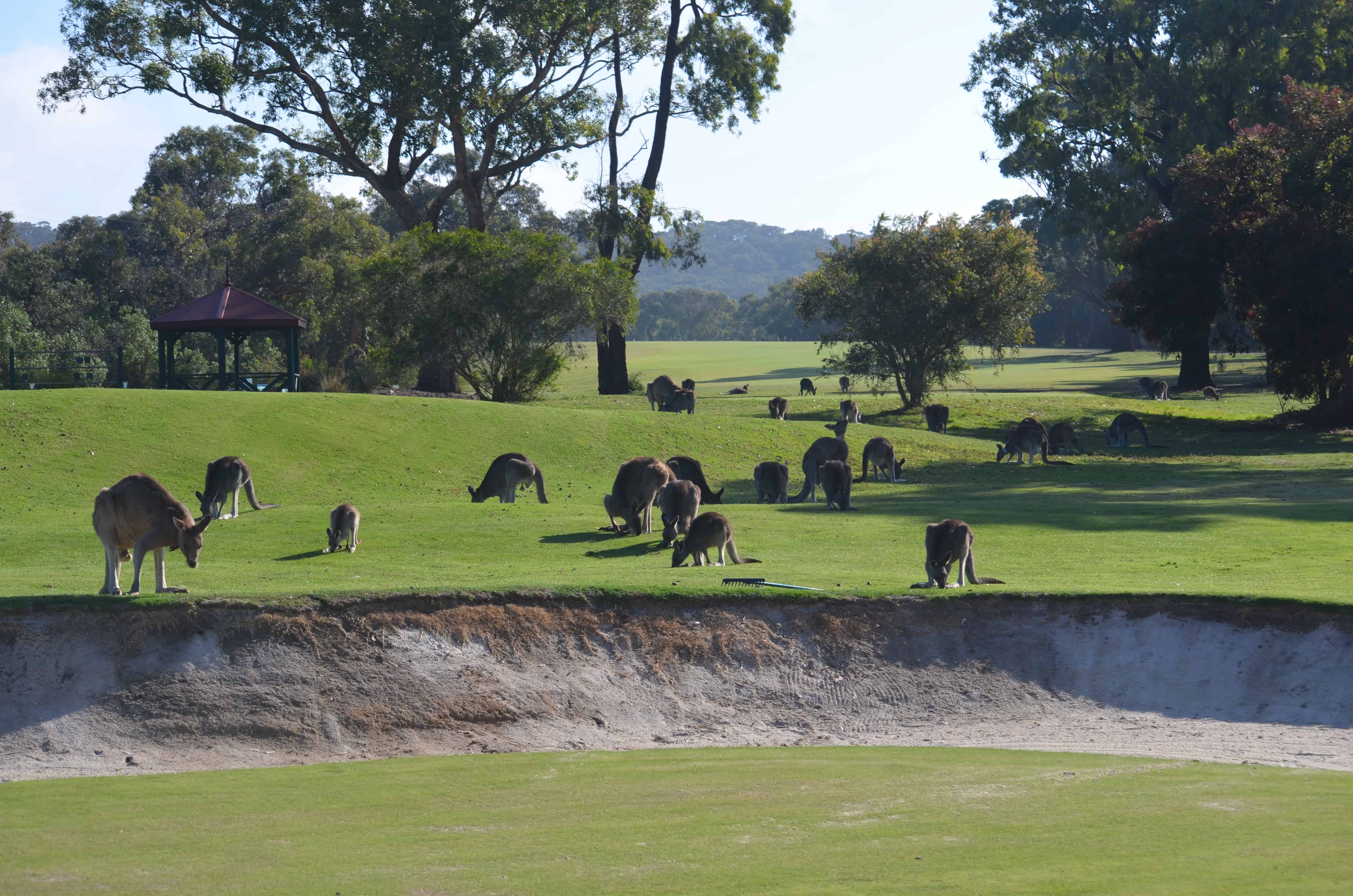
Morning would bring us to Anglesea Golf Club.