Dateline June 8, 2016, Pompeii and Herculaneum
Our one full day based in Sorrento we gave over entirely to Pompeii and Herculaneum, and thanks to our guide it turned out to be one of the finest days of the whole trip.
Pompeii. We rode the bus up to the train station and took the Circumvesuviana to Pompeii, where we met our guide, Rosanna. She gave us the first fifteen minutes on the city's long story, the Greeks and the local tribes who held it before Rome finally took it in, and the way she told it set the stage for all that followed.
She made the place come alive in front of us. Pompeii sat on the sea, with its port right at the city gate, so people coming off the ships bathed before they were allowed inside, and then passed a run of food shops to eat after the journey.
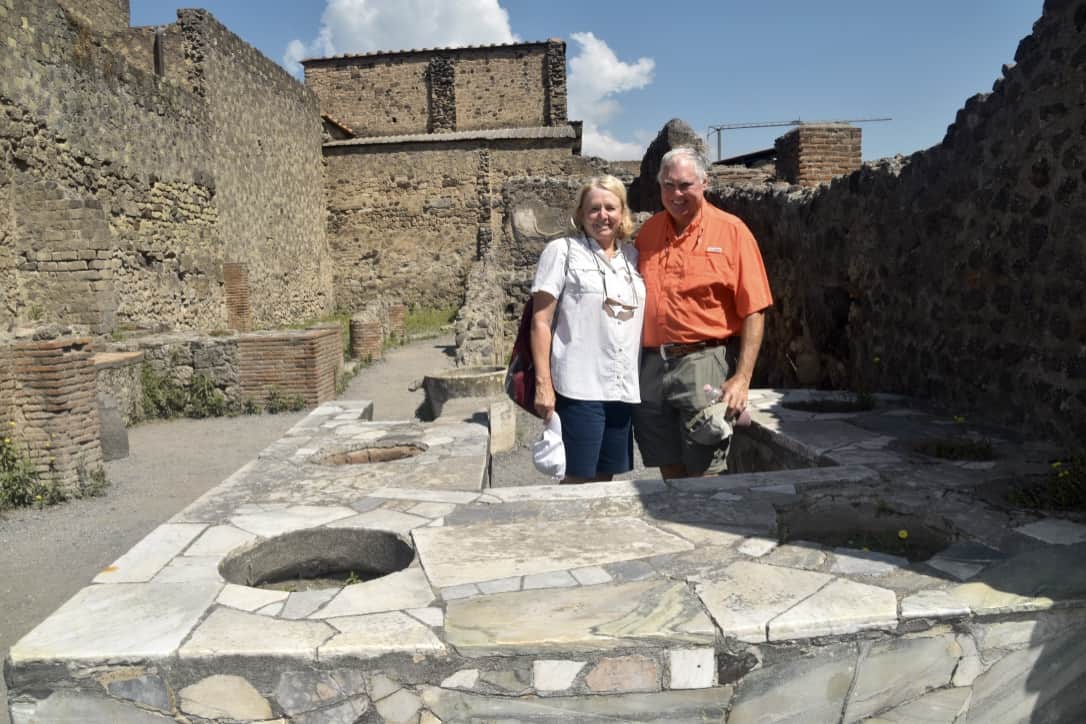
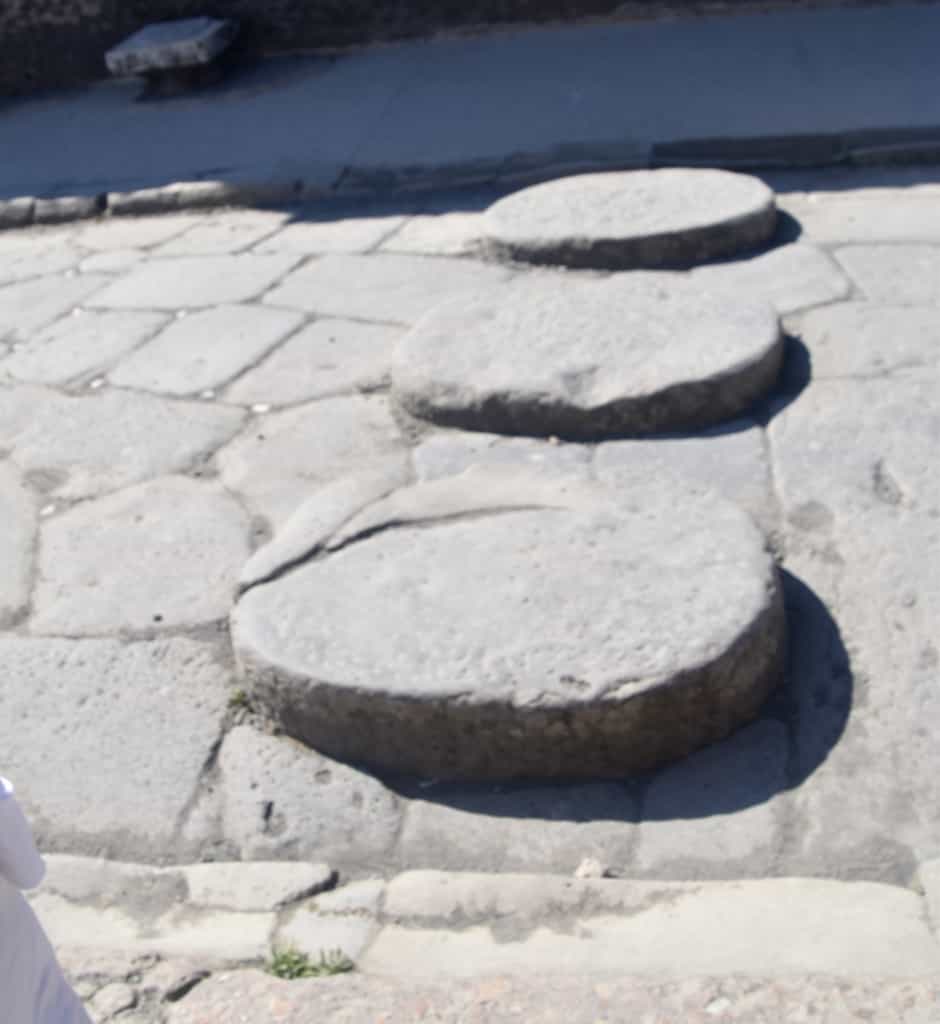
It is strange to learn the city is no longer on the water at all; the eruption shoved the ground up into a hill, and the sea now lies half a mile to a mile off. As you walk the streets you can still see the ruts the wagon wheels wore into the stone, and the lead pipes that carried water from the aqueduct to public fountains. There were more than two thousand shops, two hundred bakeries, and the whole city covered some hundred and forty acres. At the crossings, high stepping stones let people cross without stepping into the street.
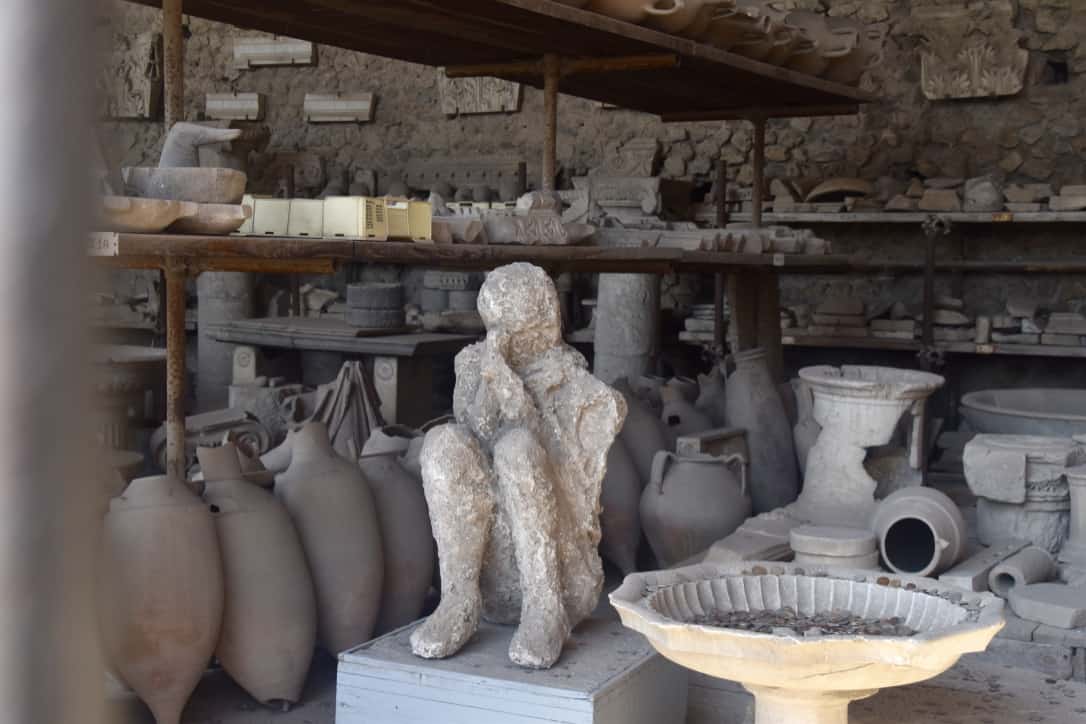
The fountains were marked with little pictures rather than words, because most people could not read. Pompeii was first stumbled onto in the 1700s, when the finders mostly carried off the marble; the serious excavation came in the 1800s. As the diggers worked down through the hardened ash, they kept finding hollow pockets, some with bones inside. The ash had set hard around each body, and as the body decayed it left a perfect mold of itself. Someone realized that filling the hollow with plaster gave back the exact shape of the person at the moment of death.
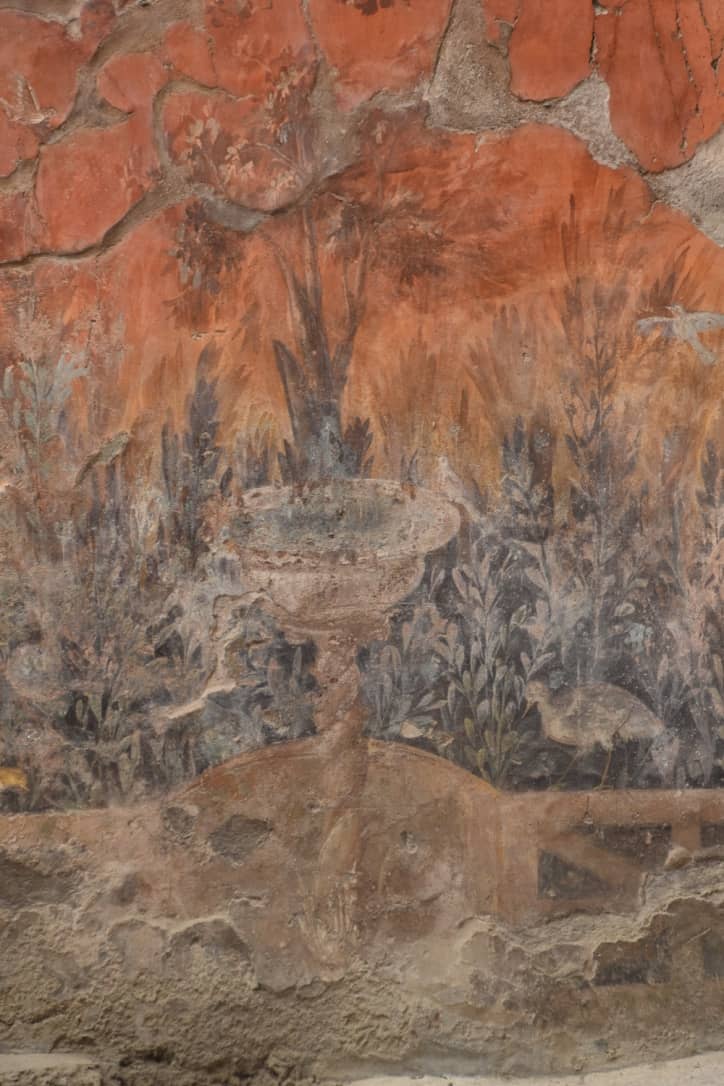
Most of what stands in place now is a copy; the originals are in museums, most of them in Naples. The large theater, cut into a natural hillside in the second century BC, seated around five thousand. And the walls still hold some of the largest surviving collections of Roman painting anywhere.
Herculaneum. From there we went to Herculaneum, which had been more of a resort for the wealthy, its buildings larger and finer, with fewer shops. Much of the old city lies under the modern one, so only so much can be dug, but small tunnels have reached down to it.
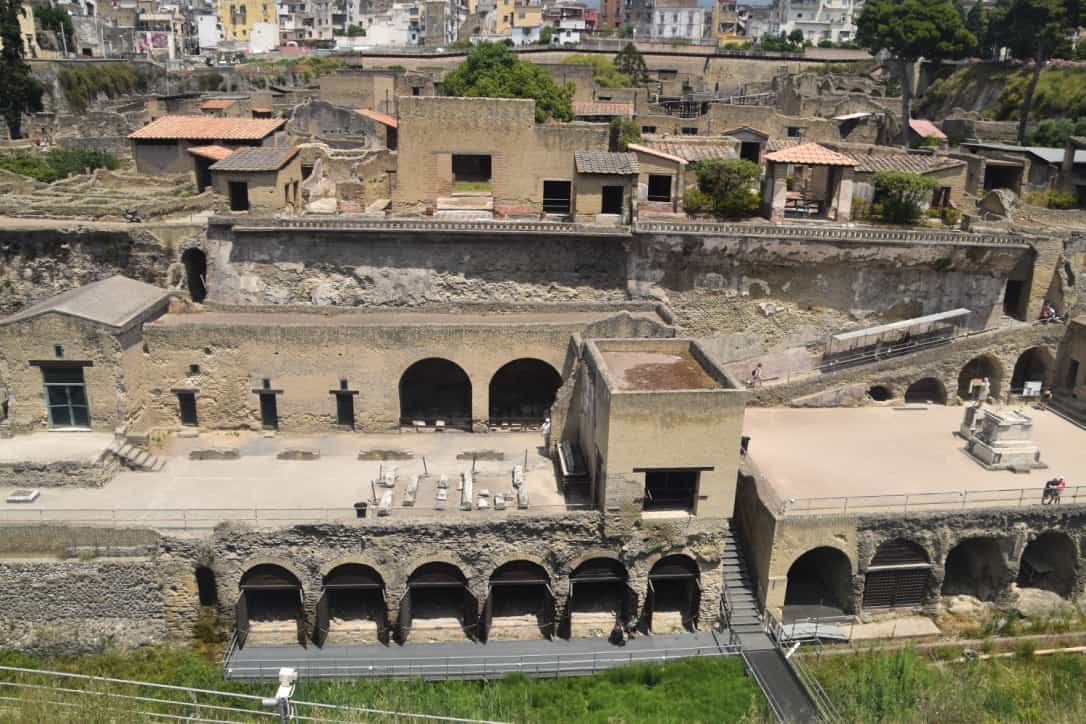
It too sat on the sea before the eruption, as you can tell from the boat houses, and one of Rosanna's own university professors was among those who excavated them. Inside them they found many of the dead.
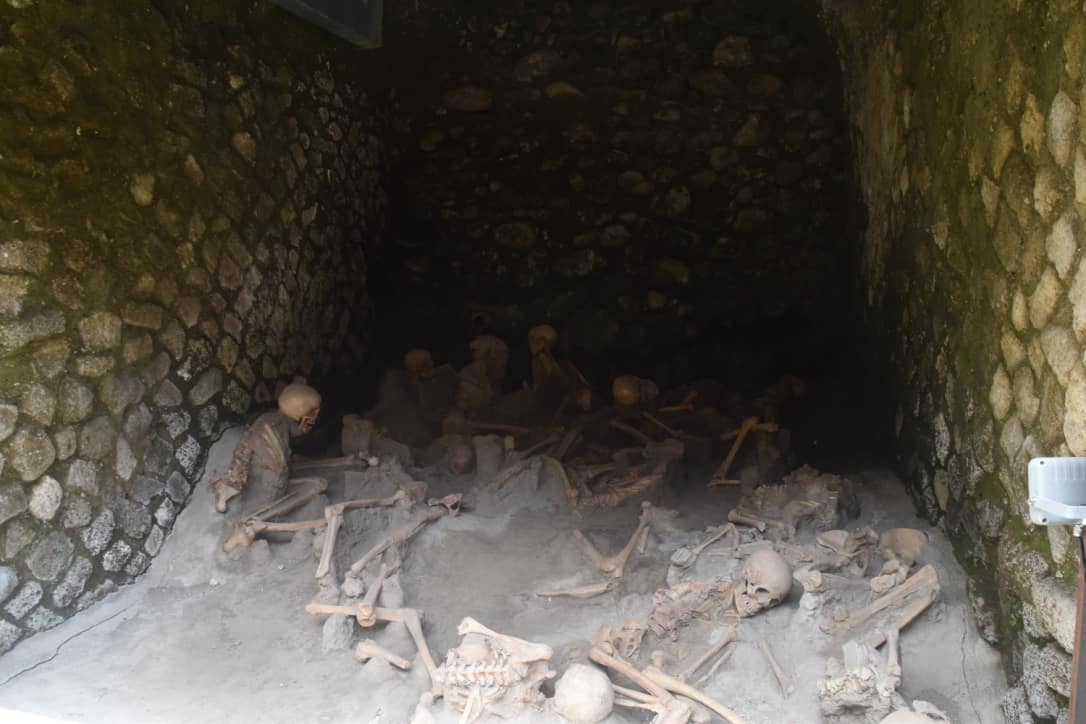
Rosanna showed us the frescoes still bright on the walls, the mosaics, even original wood that survived the eruption.
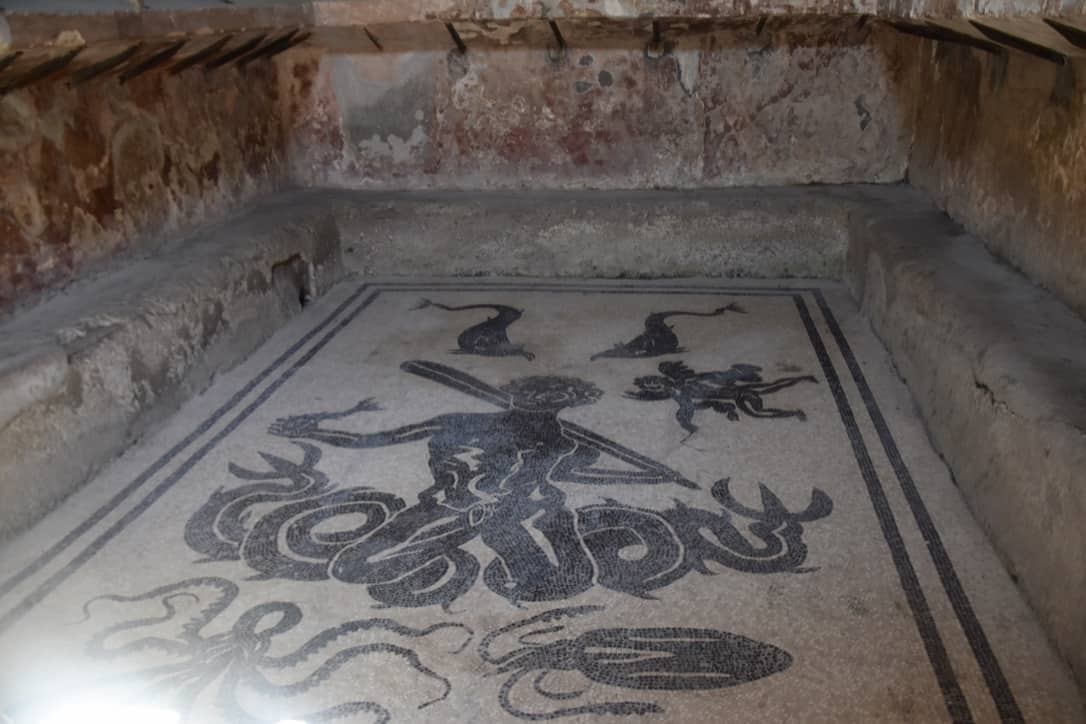
What stays with you is how well these people lived, the cleanliness, the running water in the homes, the sewers, all of it two thousand years ago. It is thought that somewhere between ten and twenty-five thousand people died at Pompeii and Herculaneum.
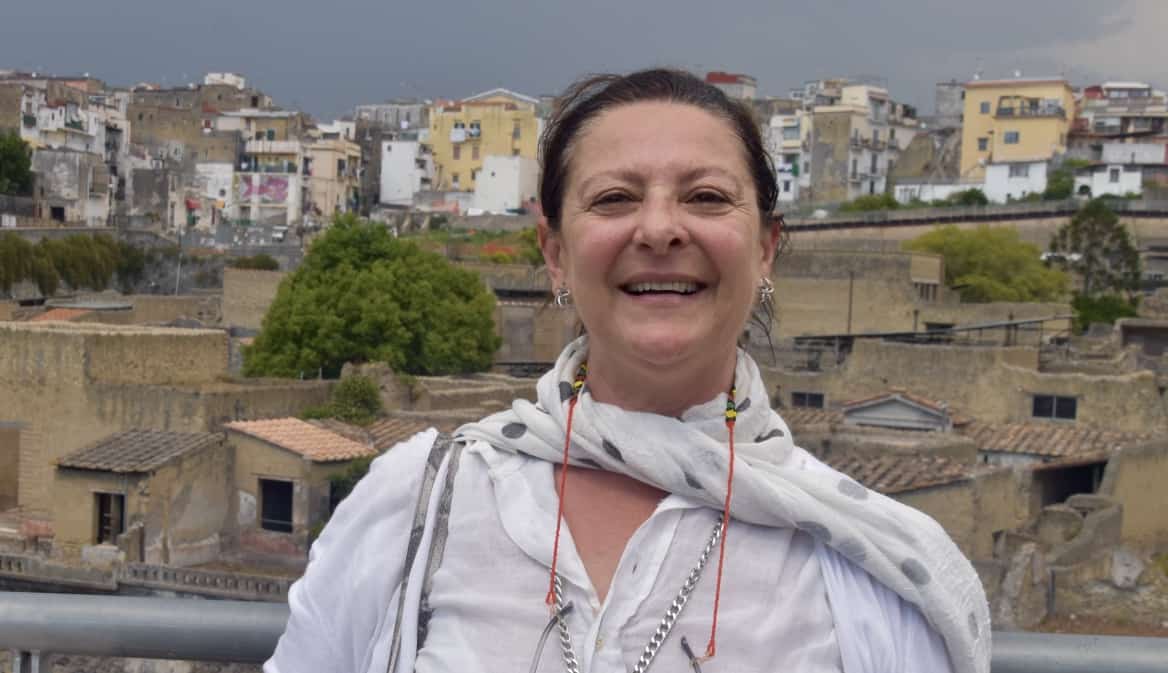
Rosanna. We have taken a great many tours over the years, and this was one of the very best. If you are headed to Pompeii, ask for Rosanna from Tours of Pompeii.
That evening we rode back down to Sorrento and had dinner at the little cafe right by our apartment, full of a day we will not forget.