Dateline June 12, 2016, Athens
Athens opened the last leg of our journey, the part we would spend at sea.
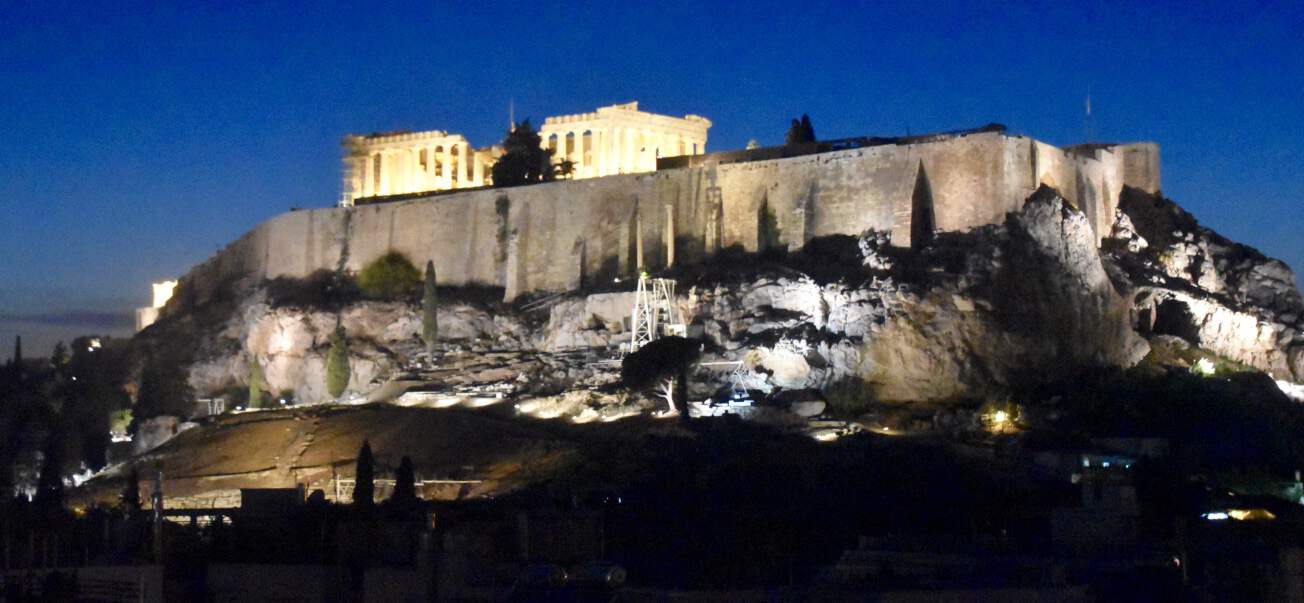
Below the Acropolis. We landed from Rome and rode the metro to the Athens Gate Hotel, in a perfect spot just below the Acropolis and right across from the Temple of Zeus. The first day we wandered the town, found a small restaurant for a wonderful dinner, and afterward took a glass of wine up to the hotel roof. The view of the Acropolis lit against the night sky was spectacular.
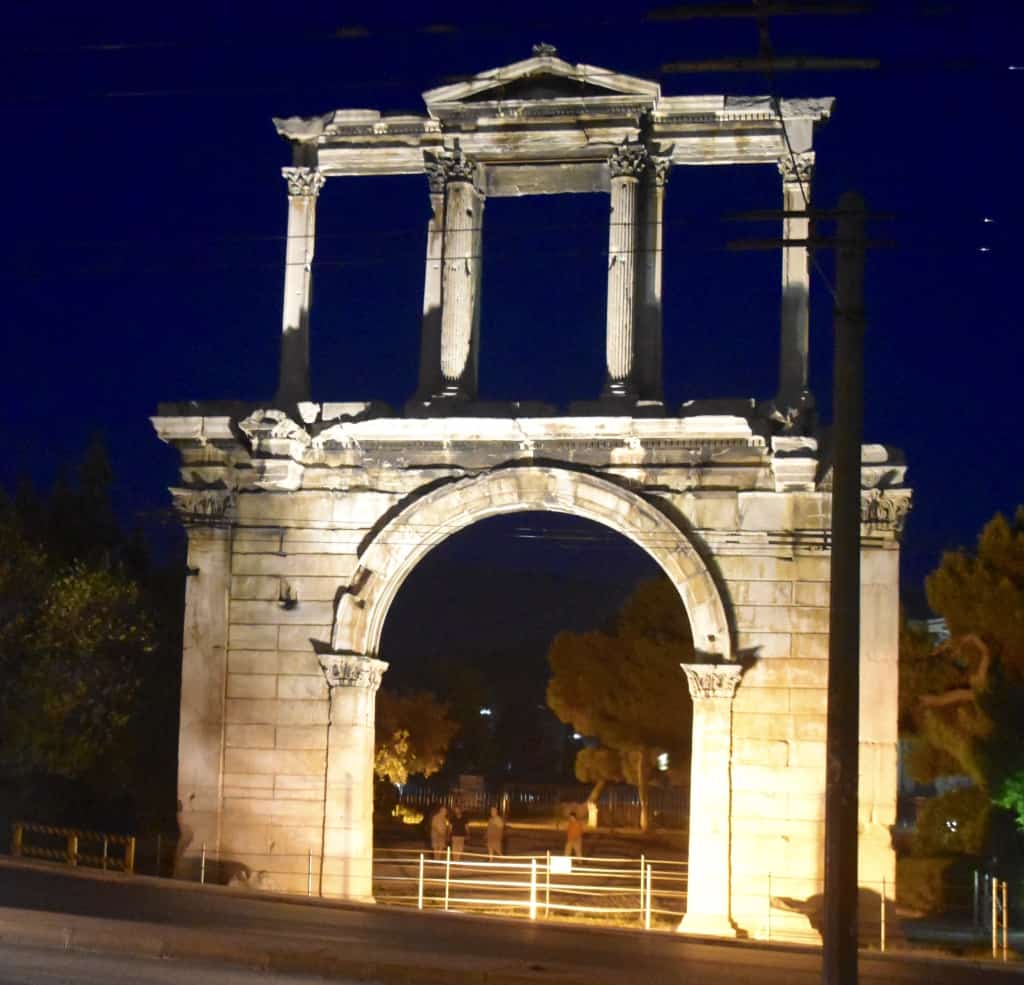
Across from the hotel stood the Arch of Hadrian, a great gateway not unlike a Roman triumphal arch, raised around 131 AD to honor the emperor and to mark the way from the old city to the temple of Zeus.
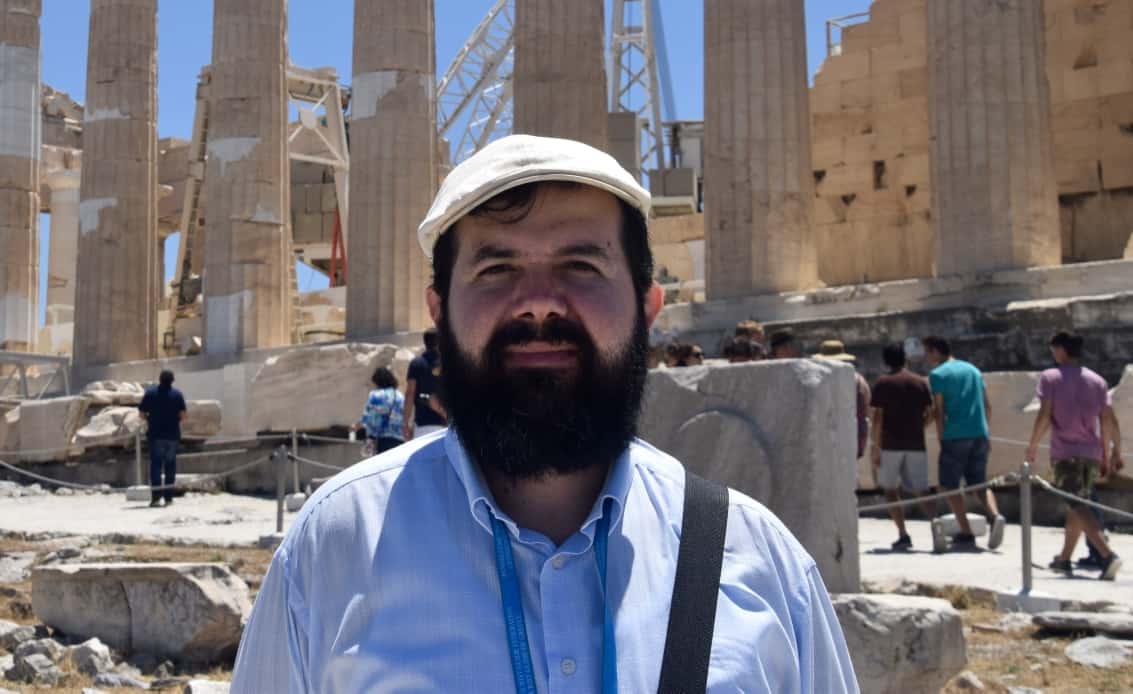
The walking tour. The next morning we joined Athens Walking Tours, and our guide, Stavros, was wonderful, full of the history and the story of the place. He had grown up in the Greek islands and come to Athens to be a guide, not his first choice of work with the economy the way it was, but he does it beautifully.
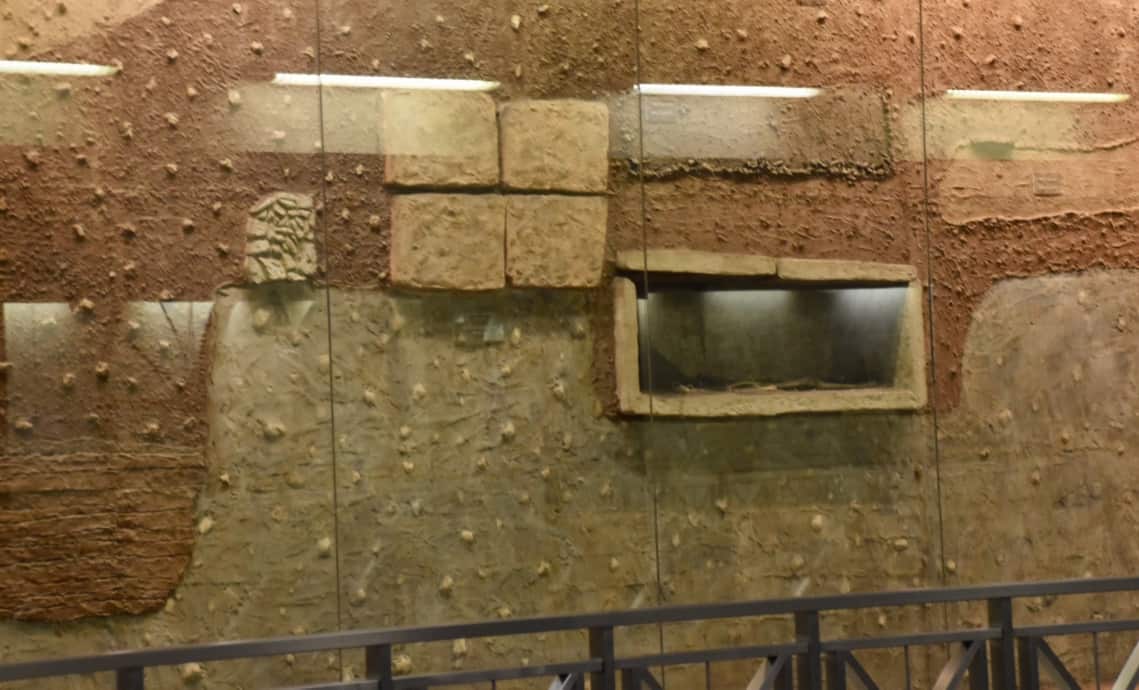
We met him down in the Syntagma Square metro station, an odd place to start until you see why. When they dug the subway, archaeologists worked alongside the engineers for years, in what became the largest excavation in the city's history, and turned up tens of thousands of artifacts. Now the station doubles as a museum, with the layers of Athens, Byzantine, Roman, Greek, prehistoric, all shown off behind glass.
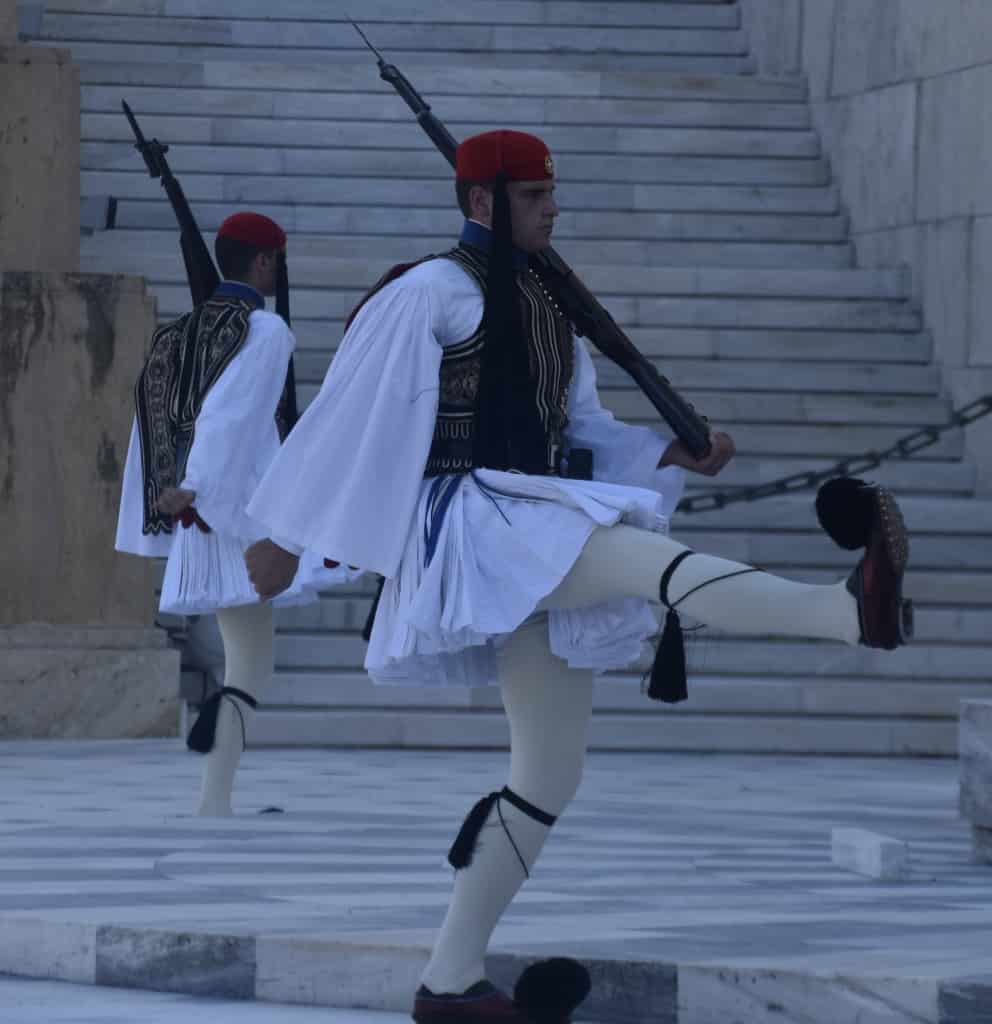
From there we went to the changing of the guard at the Tomb of the Unknown Soldier in front of Parliament. The guards, the Evzones, are hand-picked: under twenty-five, over six foot two, of spotless character, and, it must be said, a good-looking lot. They stand an hour at a stretch, always in pairs to keep their movements in step.
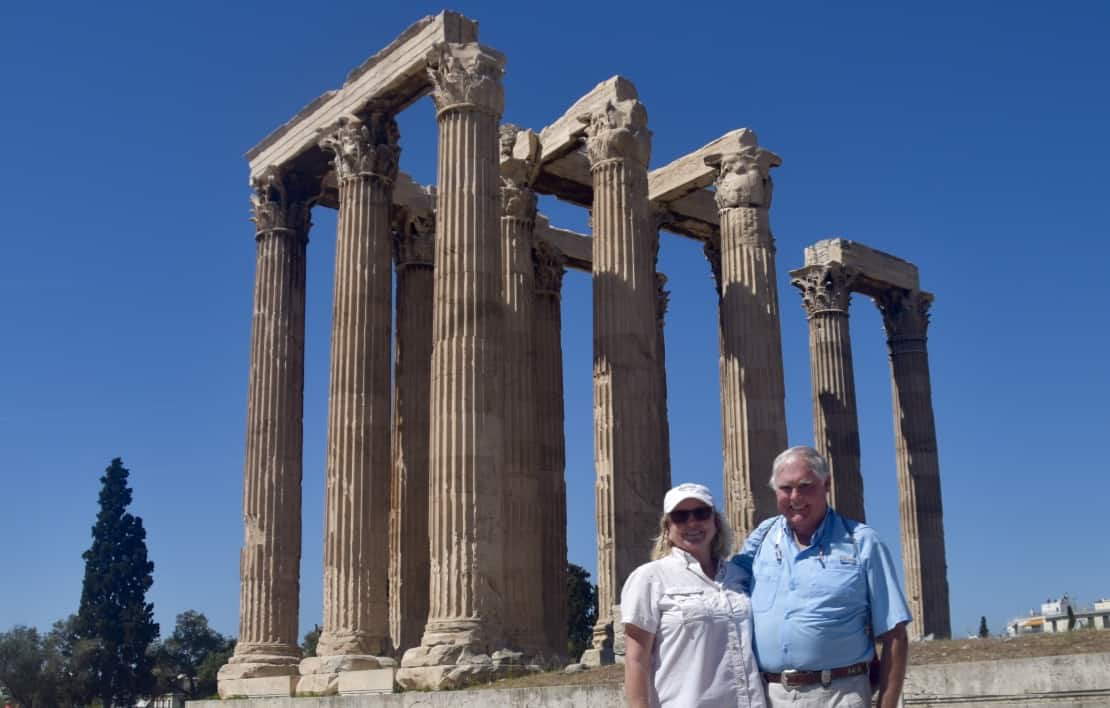
Then we walked to the Temple of Olympian Zeus, just across from our hotel. It was begun in the sixth century BC and not finished until Hadrian's day, by which time it was the largest temple in Greece. Of its original hundred and four Corinthian columns, fifteen still stand, and a sixteenth lies just where it fell when a storm toppled it in 1852.
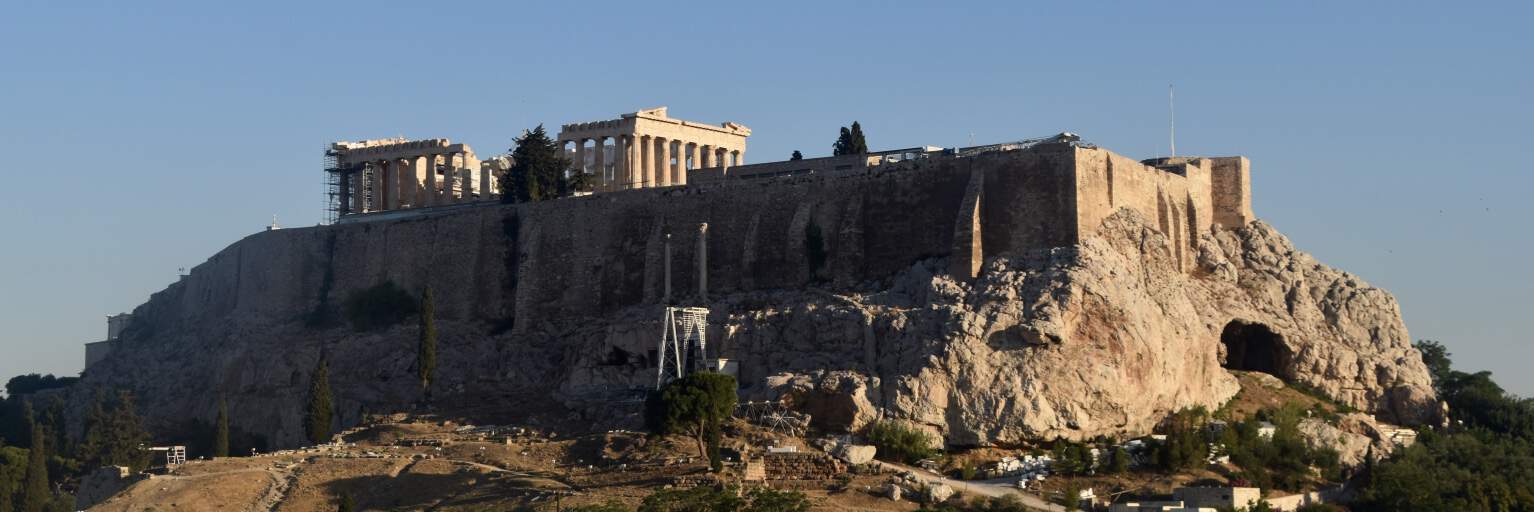
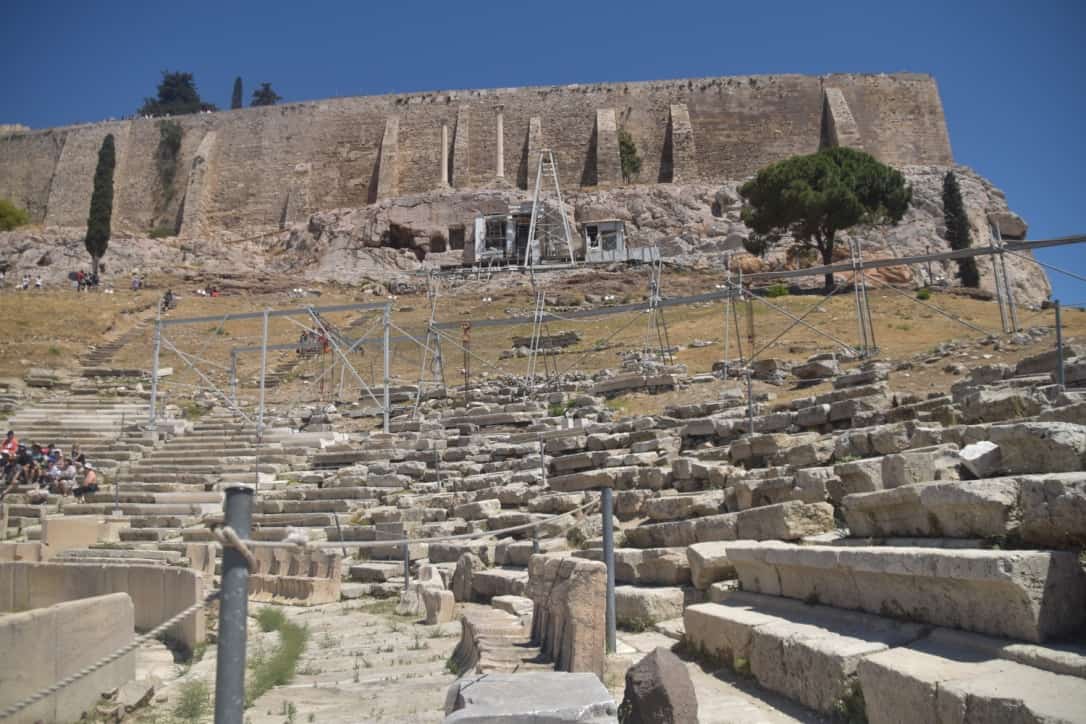
The Acropolis. Then came the long walk up to the Acropolis, which sits on a flat-topped rock some four hundred and ninety feet above the city.
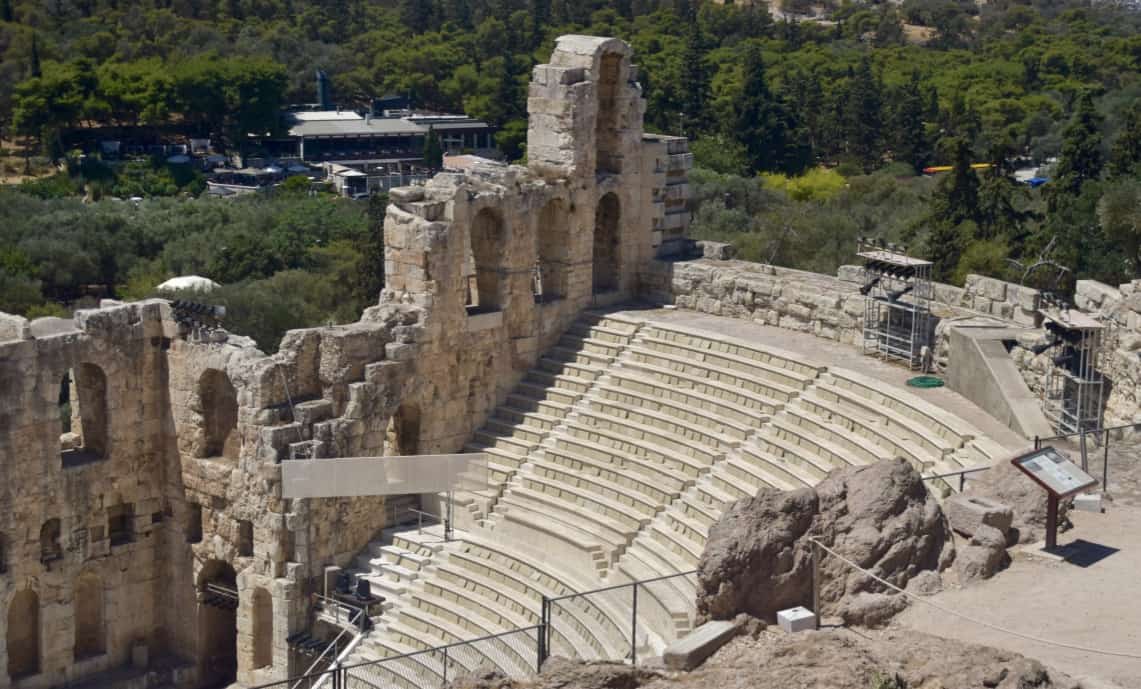
At its foot is the Theatre of Dionysus, the god of plays and of wine, the first stone theatre ever built, cut into the rock, seating as many as seventeen thousand, and said to be the birthplace of Greek tragedy.
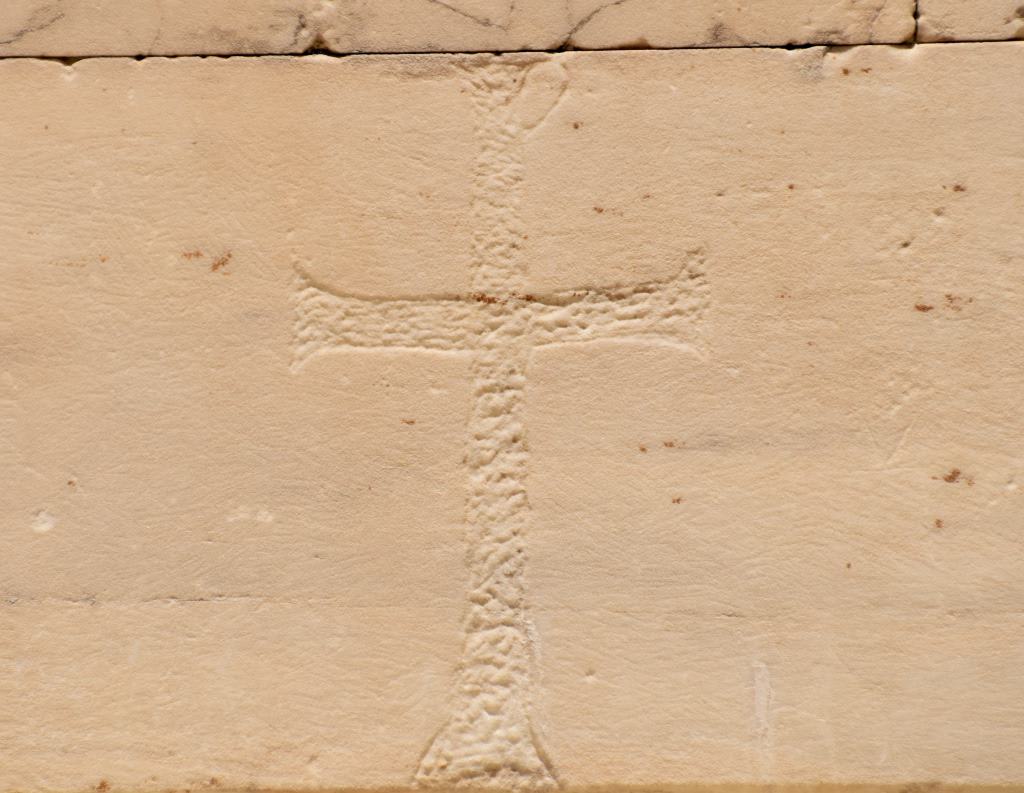
The climb looked beyond us at first, but Stavros set an easy pace with stops to catch our breath, and brought us up the back way, where the oldest ruins stand. Much of what you see is restoration, begun in 1975 and nearly finished now, but here and there an original stone still carries its old carvings, including a simple cross that says more than its size would suggest.
You can only stand there and try to imagine what it once was.
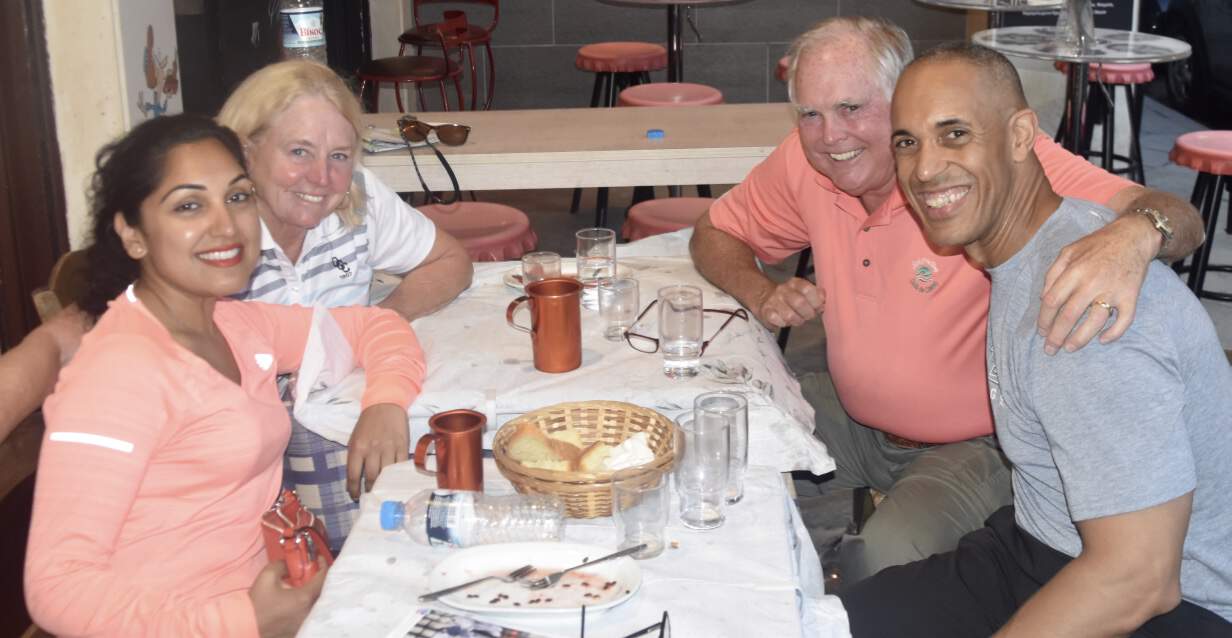
Plaka. With the tour done we headed into the Plaka district for lunch, the old neighborhood that wraps around the foot of the Acropolis, busy with restaurants and cafes and little shops. After a rest at the hotel we came back to Plaka for dinner at a small family place called Aspro Alogo, where eating felt like sitting down with the family, the Greek wine and the after-dinner shots and all. We had the good luck to be seated next to an American couple, Cathy and Dino, two doctors who had met in the Army, she now a trauma surgeon in private practice and he a cardiologist still serving, stationed in Germany. We talked and drank and ate the evening away, met them again the next night, and mean to see them down the road, in Germany or Florida.
To the ship. The next day, holding mostly to our rule against taxis, broken a few times, we found that the local bus 40 would carry us to the port and our last cruise. It was an easy forty-five minutes, with only a kilometer's walk at the end to reach the ship.
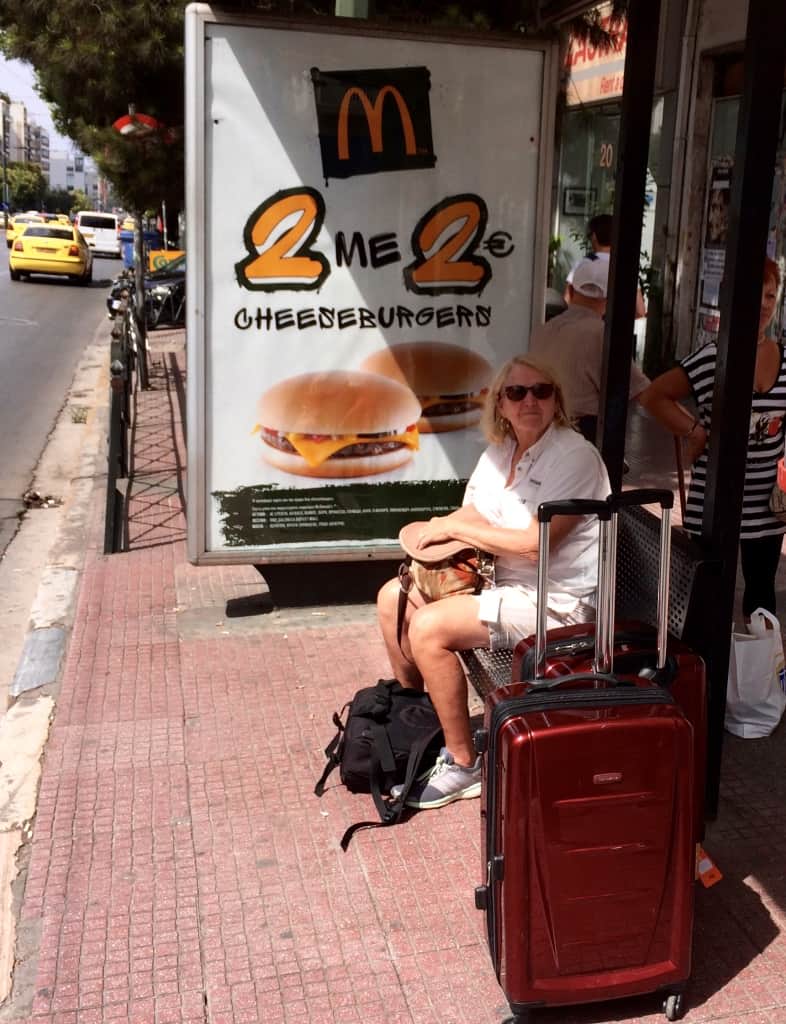
We laughed the whole way about this being our last great drag of the luggage. From here on we would stay put, unpacked, for twelve days at sea.