Dateline November 11, 2022, Athens and Ephesus
With the land half of our journey behind us, we flew from Cairo to Athens to begin the part we had been planning for years, a cruise from Greece the whole length of the Mediterranean and the Red Sea to Dubai.
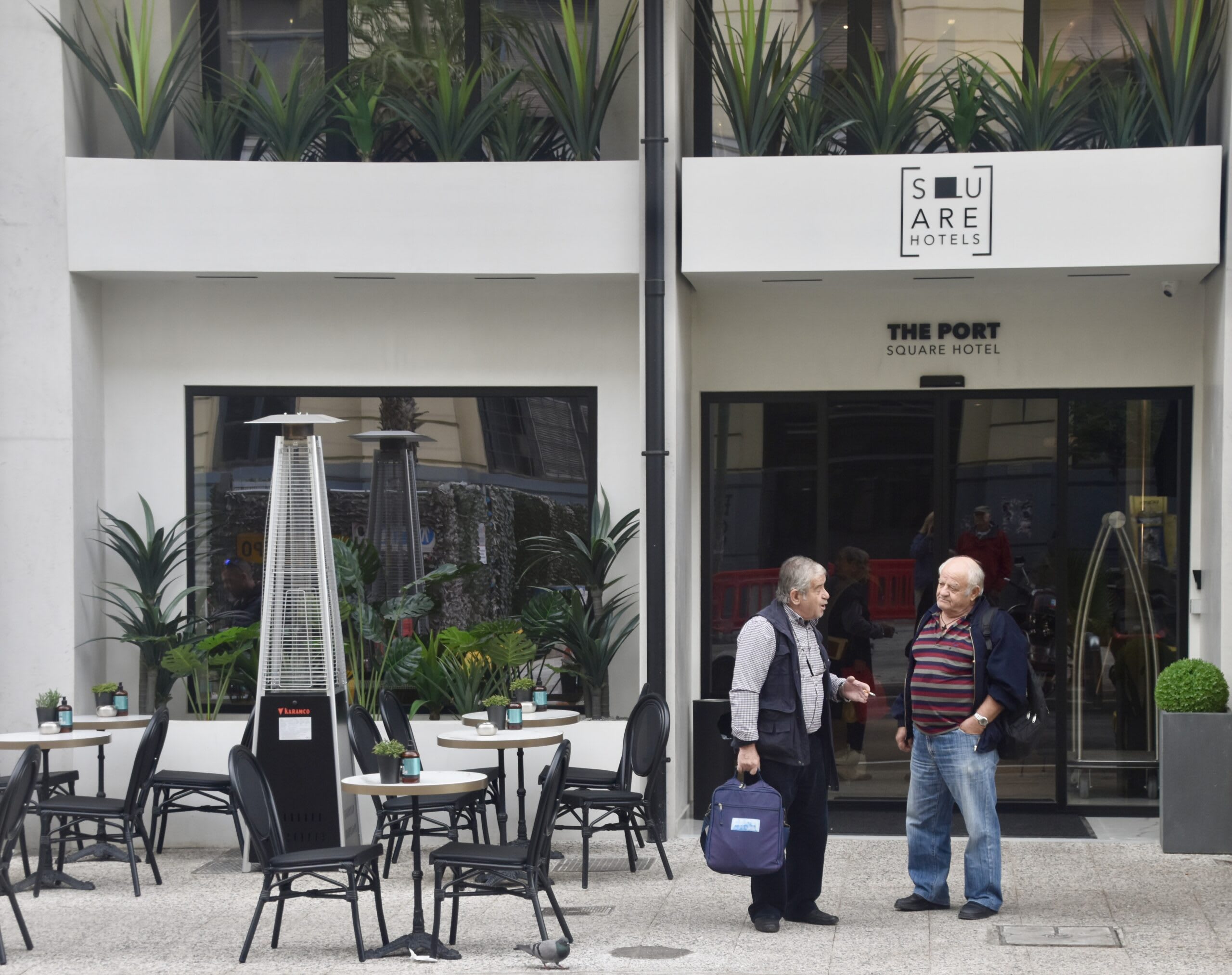
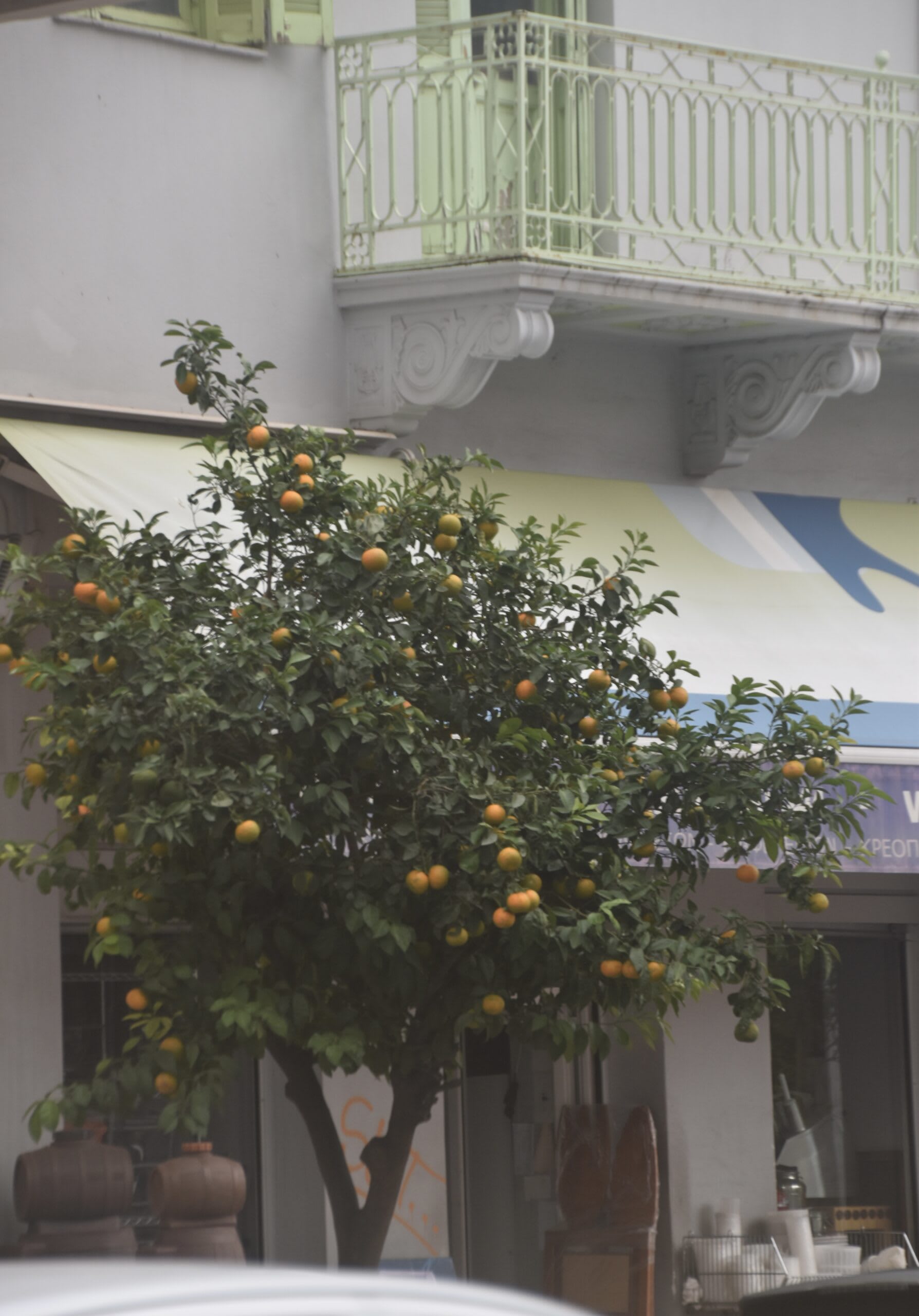
Piraeus. We chose to stay out by the port at Piraeus rather than in Athens itself; a marathon that weekend had made getting in and out of the city all but impossible. The streets there are lined with what look like orange trees, and they are, after a fashion, but the fruit is far too bitter to eat. The Greeks use the green fruit or the peel for preserves, though it takes boiling two or three times, throwing away the water each time, before enough sugar can make it palatable. We did not bring any home. Our hotel, the new and comfortable Port Square Hotel, had a fine restaurant of its own, and we spent two pleasant days walking the port before boarding.
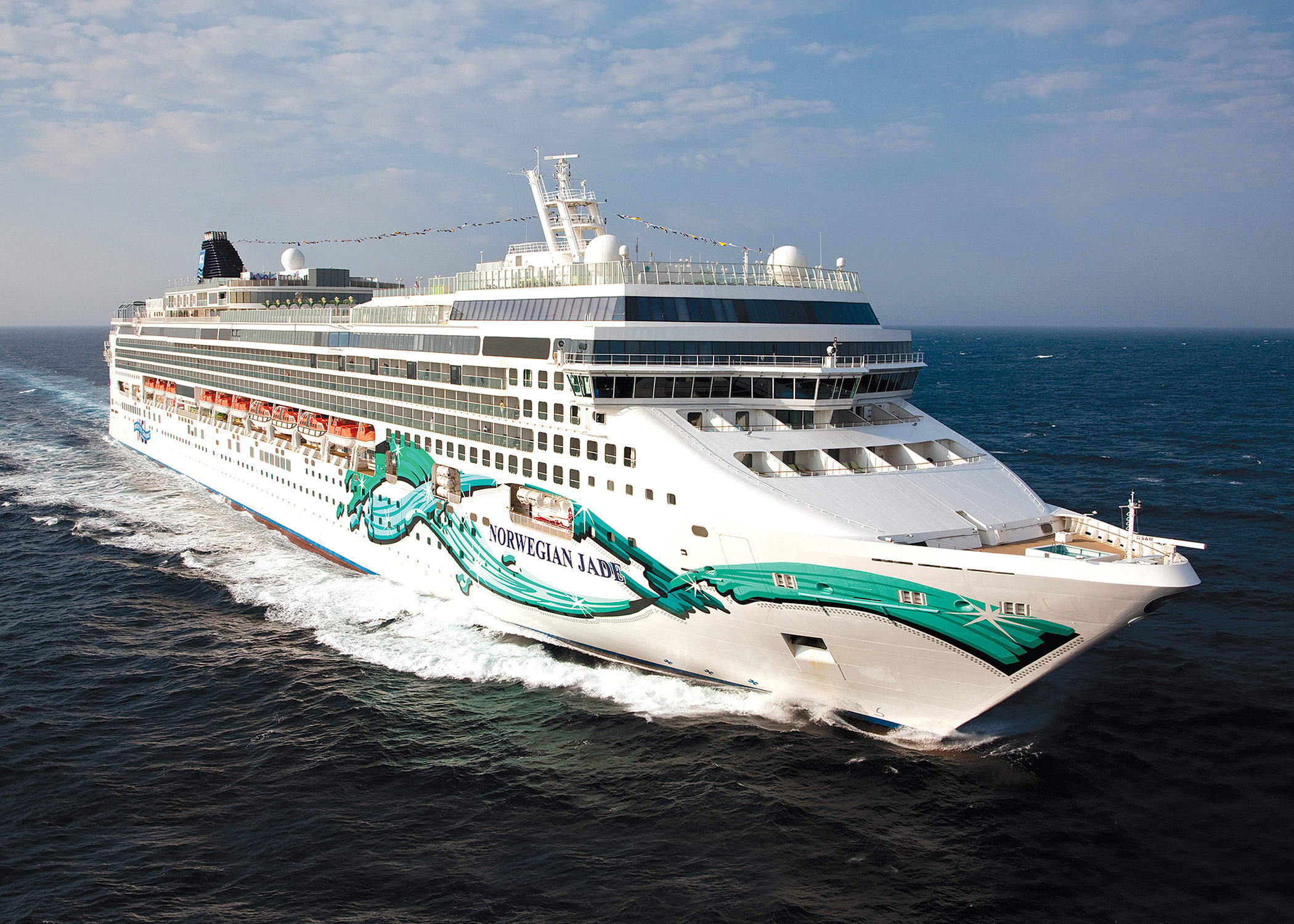
Aboard the Jade. We boarded and found our stateroom. We had sailed this ship before, the Norwegian Jade, through the Panama Canal; she is one of the smaller ships in the fleet, carrying about two thousand, and we had perhaps fifteen hundred aboard. We slipped out early that evening, bound for our first stop, Kusadasi in Turkey.
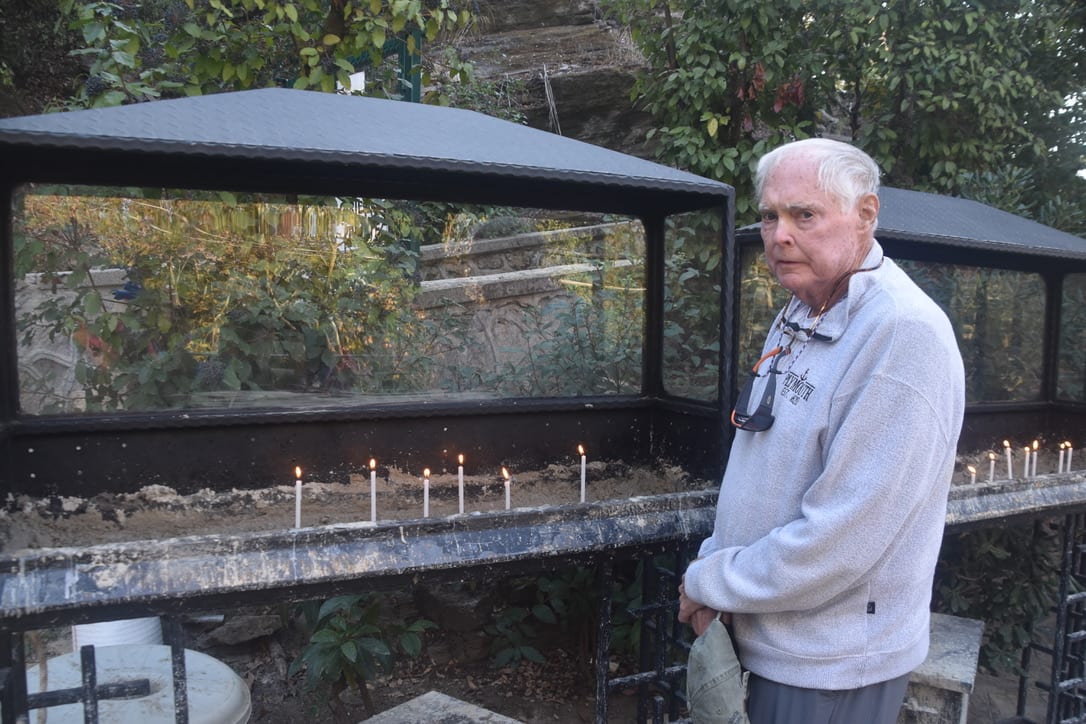
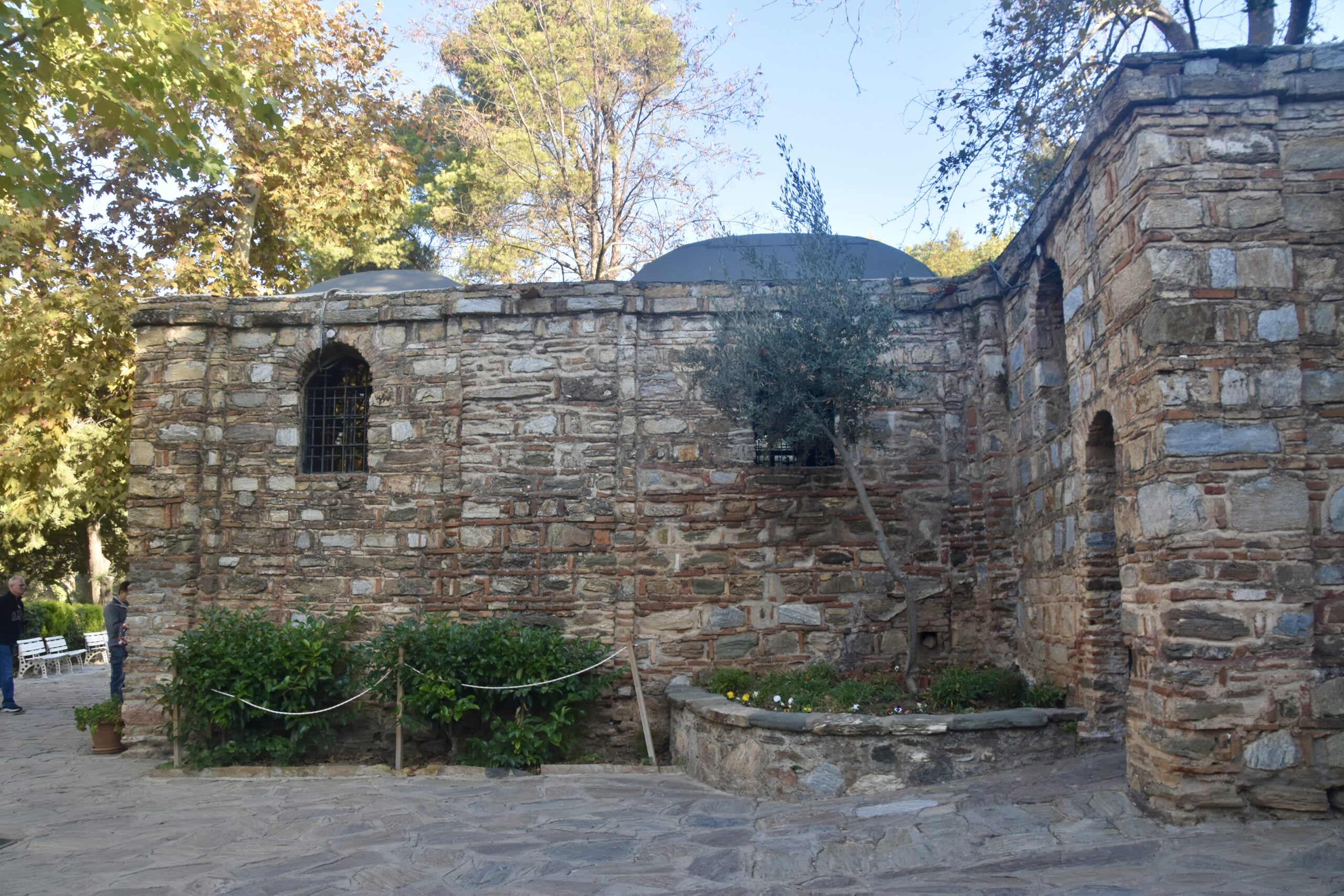
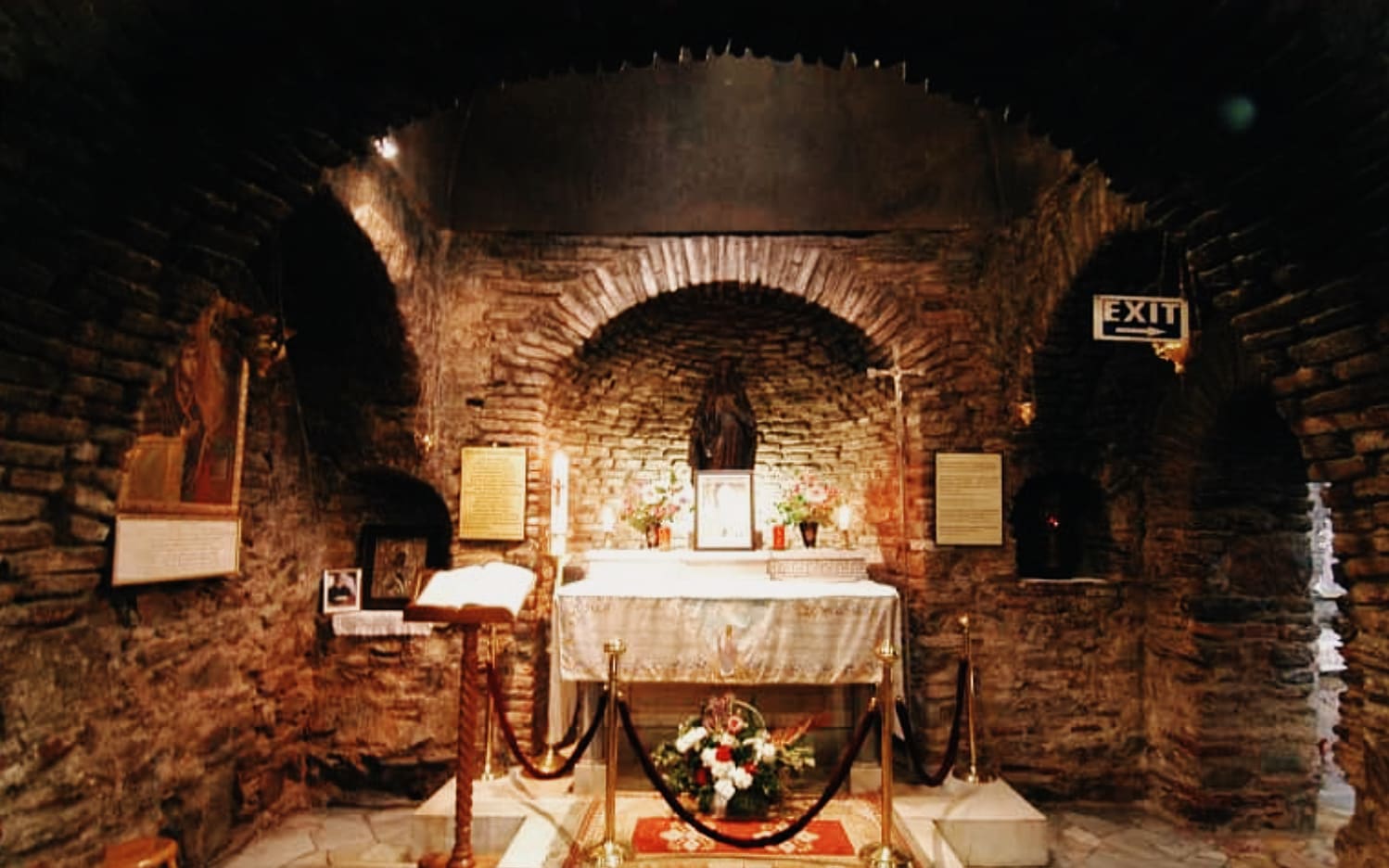
Mary's House. At Kusadasi a guide met us at the ship, and we drove first to Meryem Ana Evi, the House of the Virgin Mary, reaching it ahead of the tour buses. By old and cherished tradition, Mary spent her last years here, on a hillside outside Ephesus, in the care of the apostle John, to whom Jesus had entrusted her from the cross. The little house is now a chapel. We walked through it, past the altar, and lit a candle, a quiet and moving moment, of a piece with what we had felt at Bethlehem and the Church of the Holy Sepulchre years before. More than one pope has affirmed the belief that John brought Mary to this place, and that from here she was taken up to heaven.
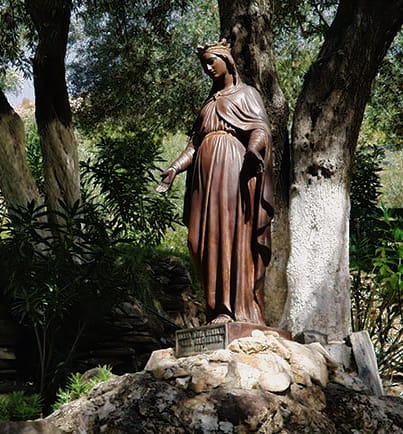
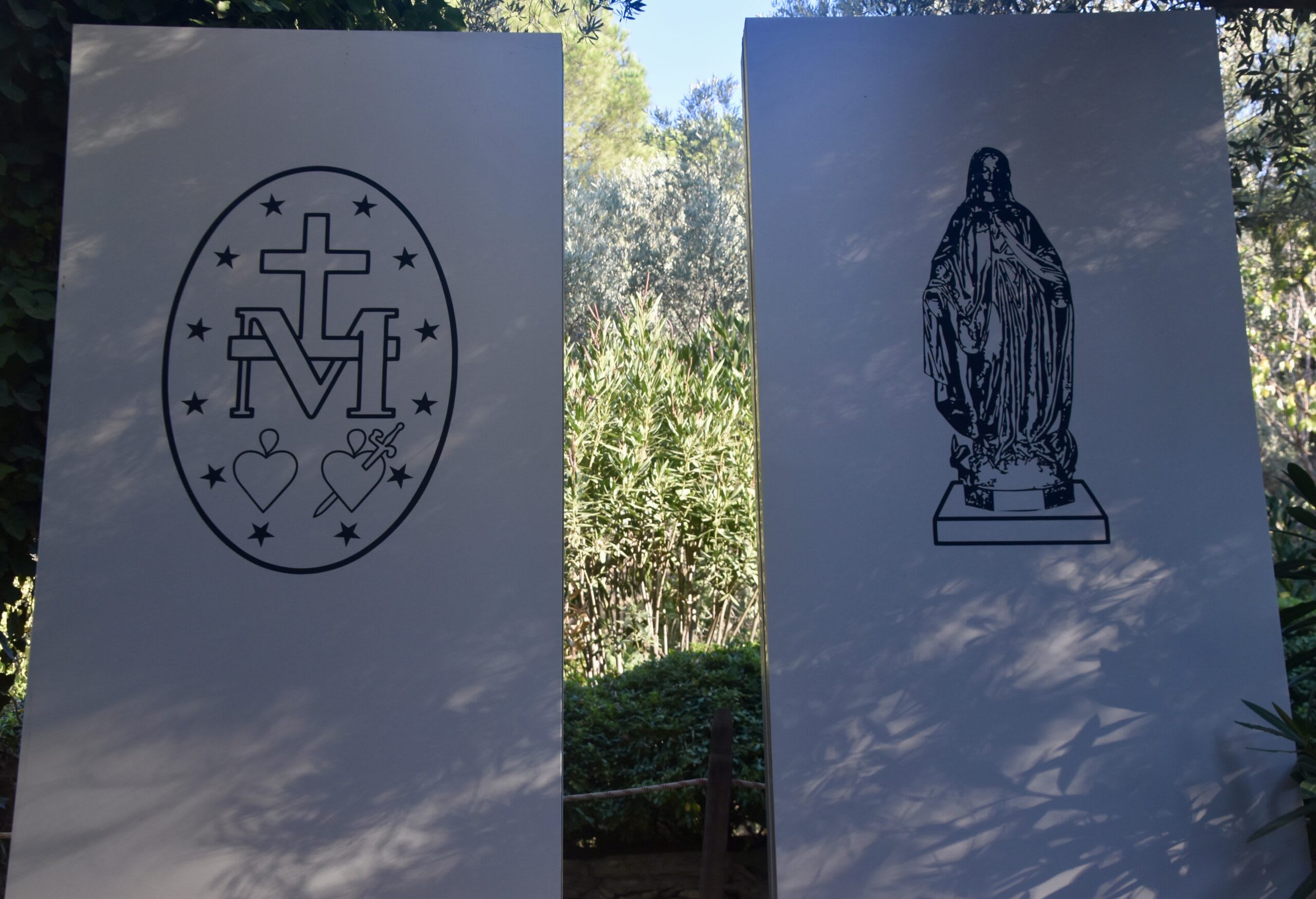
At the chapel stand two painted panels of Marian devotion. One is a figure of Our Lady; the other shows the design of the Miraculous Medal, the letter M beneath a cross, and below it the Sacred Heart of Jesus crowned with thorns beside the Immaculate Heart of Mary pierced by a sword, the whole ringed by twelve stars. By Catholic tradition the medal dates to 1830, when the Virgin appeared to a young French nun, Catherine Labouré, in Paris and asked that it be struck; it has been among the most beloved of Marian devotions ever since.
Little is recorded of John's later years, or of Mary's; what is certain is that Paul preached here for some three years in the mid-fifties, and that Ephesus became one of the great centers of the early Church.
Ephesus. From there we drove to Ephesus itself, a UNESCO site and the largest ancient ruin we have ever walked. People had lived on the spot since about 6000 BC; the Greeks built the city, and the Romans made it one of the greatest in the Mediterranean, a port of perhaps a quarter of a million, second only to Rome.
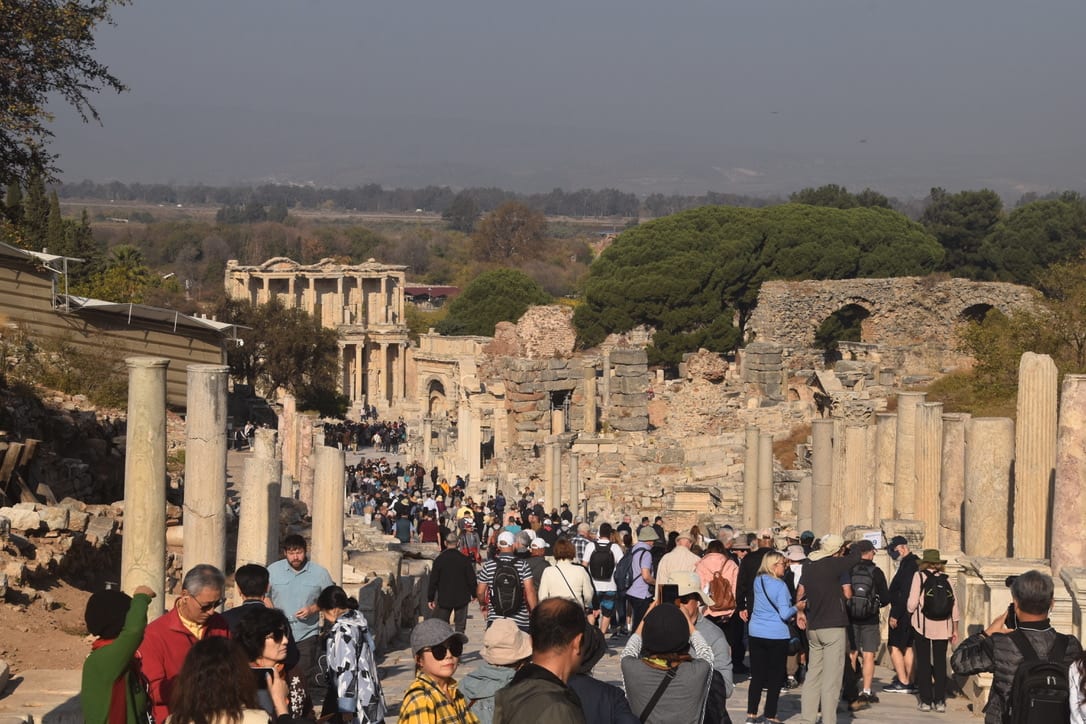
The Library of Celsus. The grandest thing still standing is the Library of Celsus, built around the year 117 to honor a Roman proconsul, who lies buried beneath it. It once held some twelve thousand scrolls, and its towering facade was pieced back together by archaeologists in the 1970s.
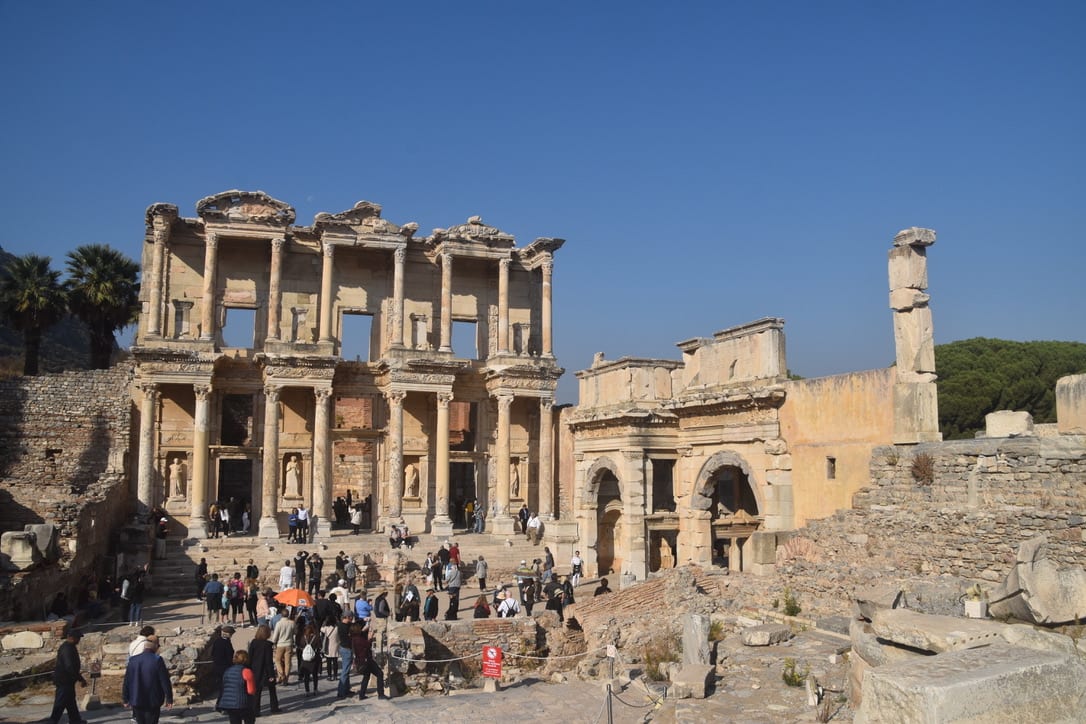
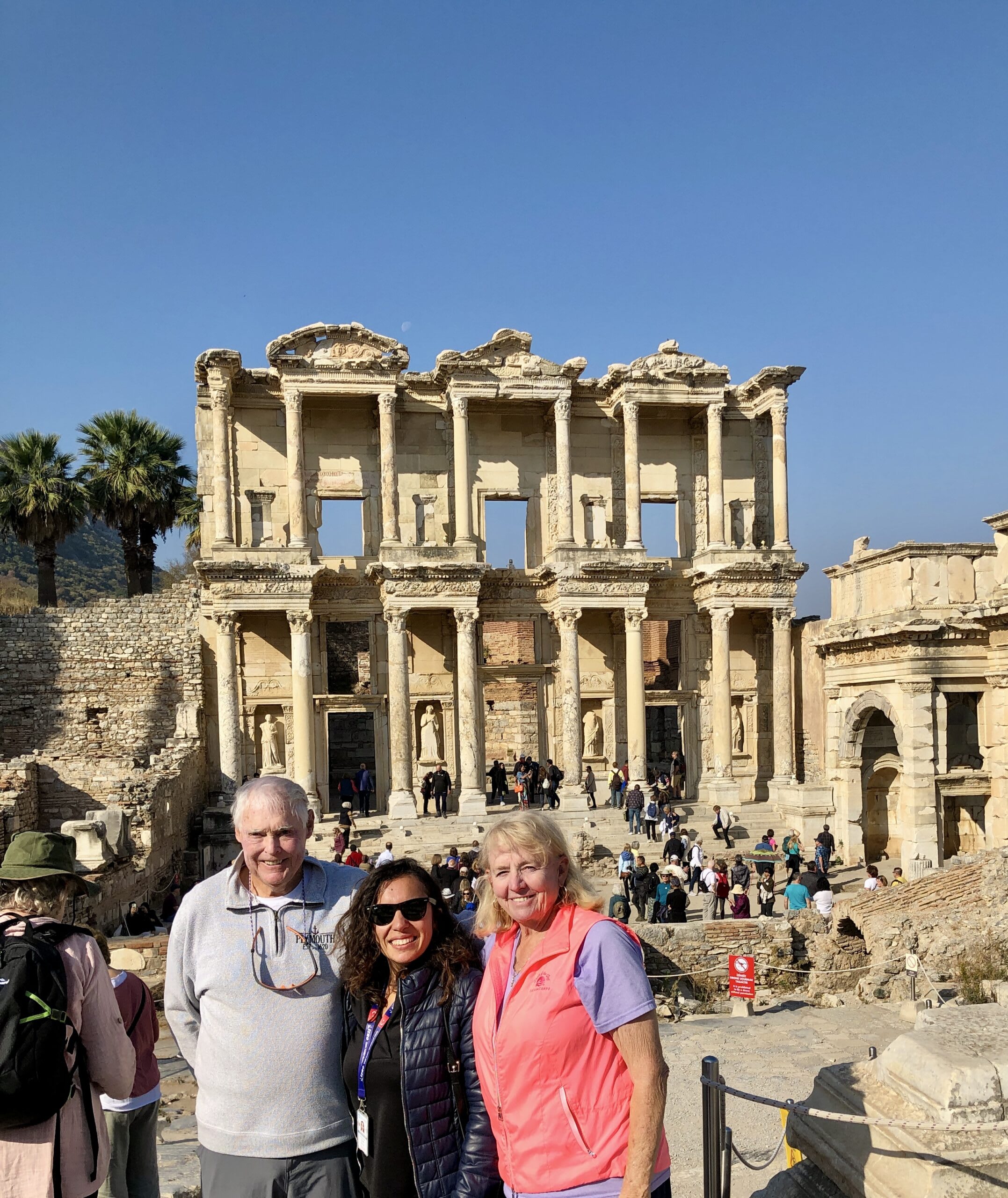
The guides love to tell that the building across the way was a brothel, reached by a tunnel under the street so that a man could tell his wife he was only going to the library. A fine story, and we had our doubts.
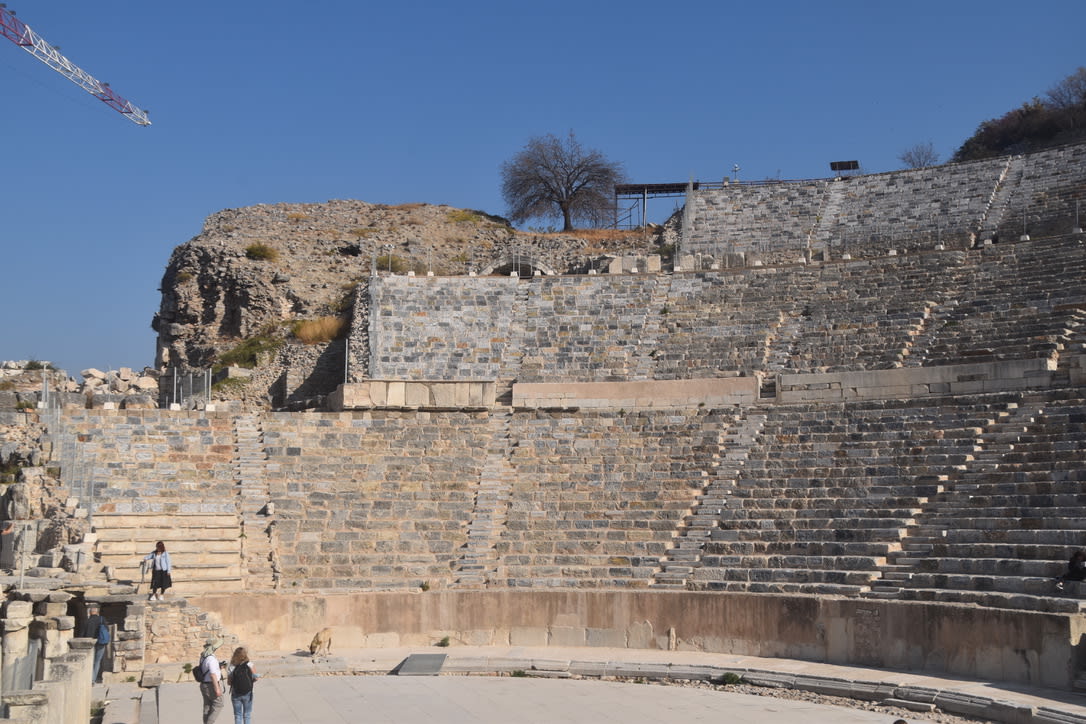
The theater. Down the marble street stands the great theater, cut into the hillside to hold as many as twenty-four thousand, the largest of the ancient world. It was here, the book of Acts tells us, that the silversmiths who made their living from little shrines of Artemis raised a riot against Paul, afraid his preaching would ruin their trade, chanting "Great is Artemis of the Ephesians."
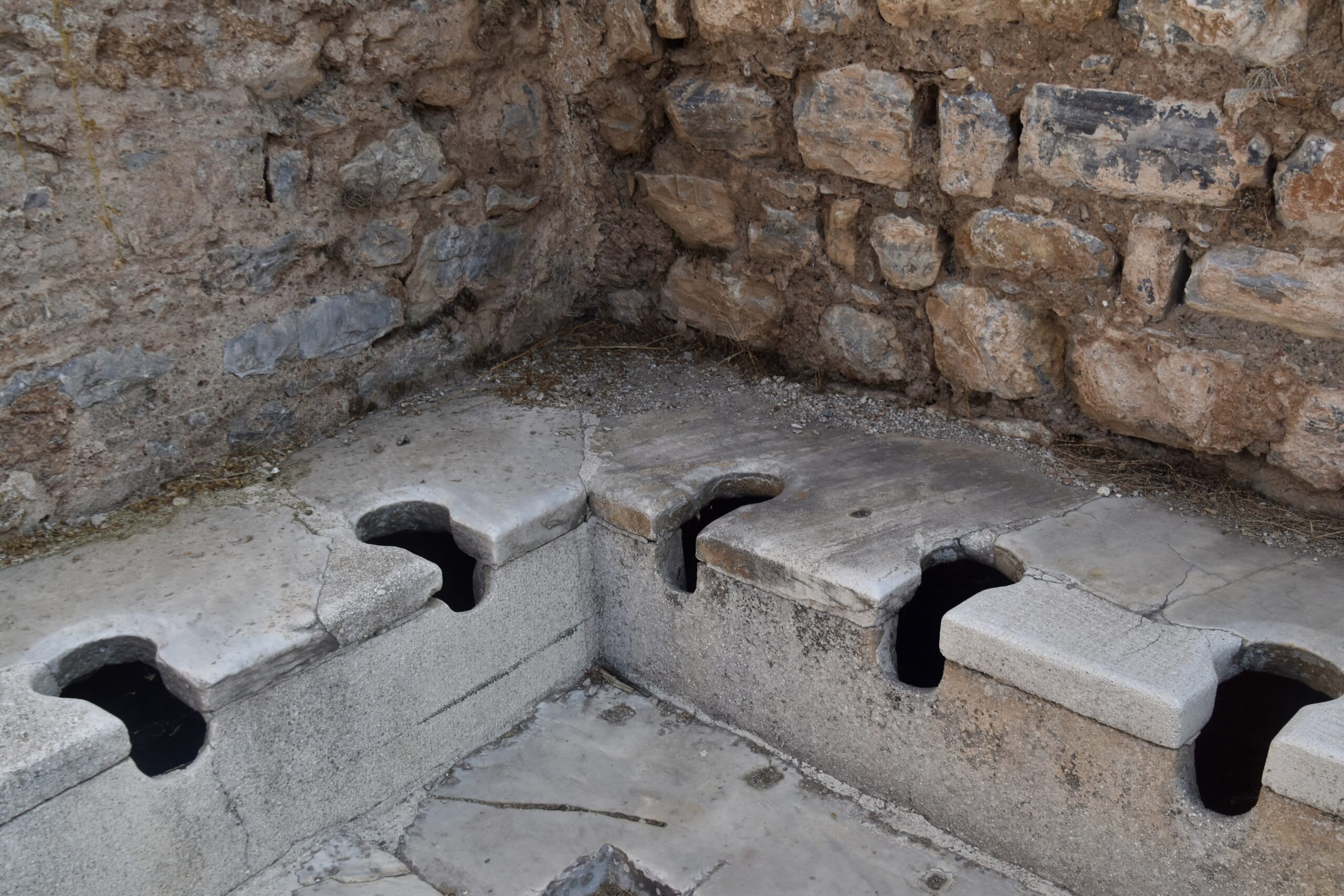
The everyday city. Further along were the public latrines, a long row of stone seats set side by side over a running sewer, which tells you as much about a city as its temples do.
There is more carved stone here than we could take in, the agora, a winged Nike, the Fountain of Trajan.
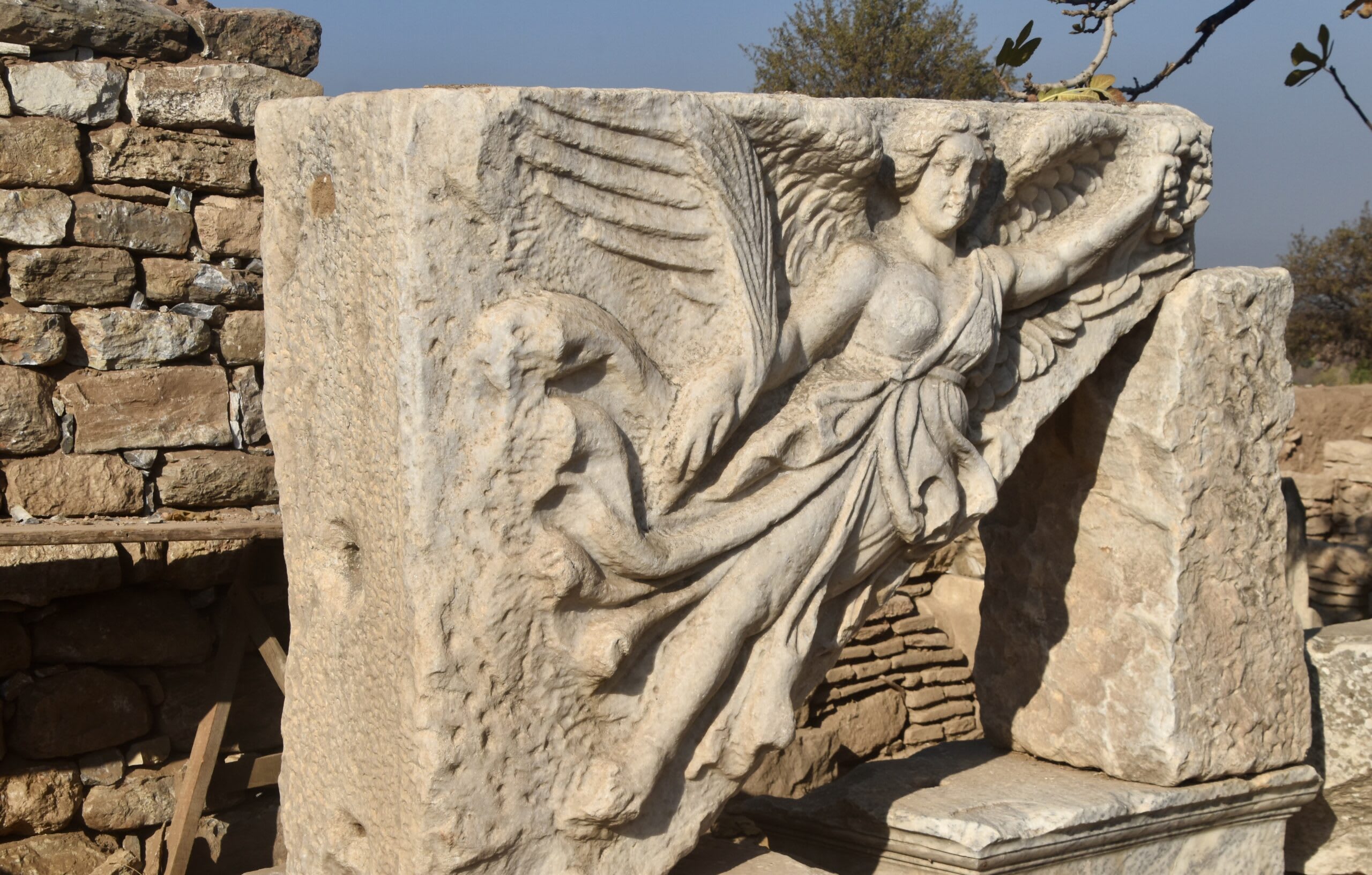
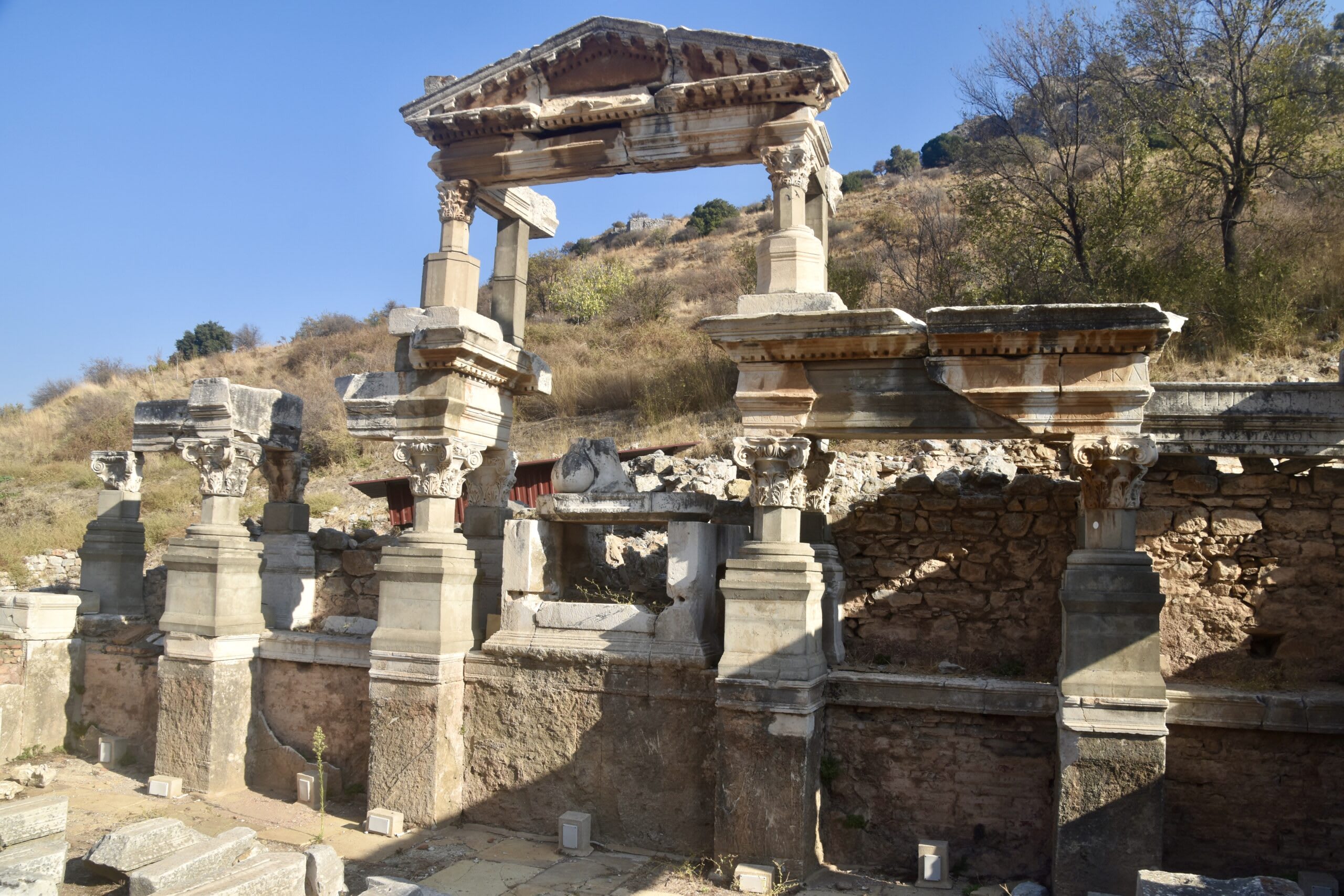
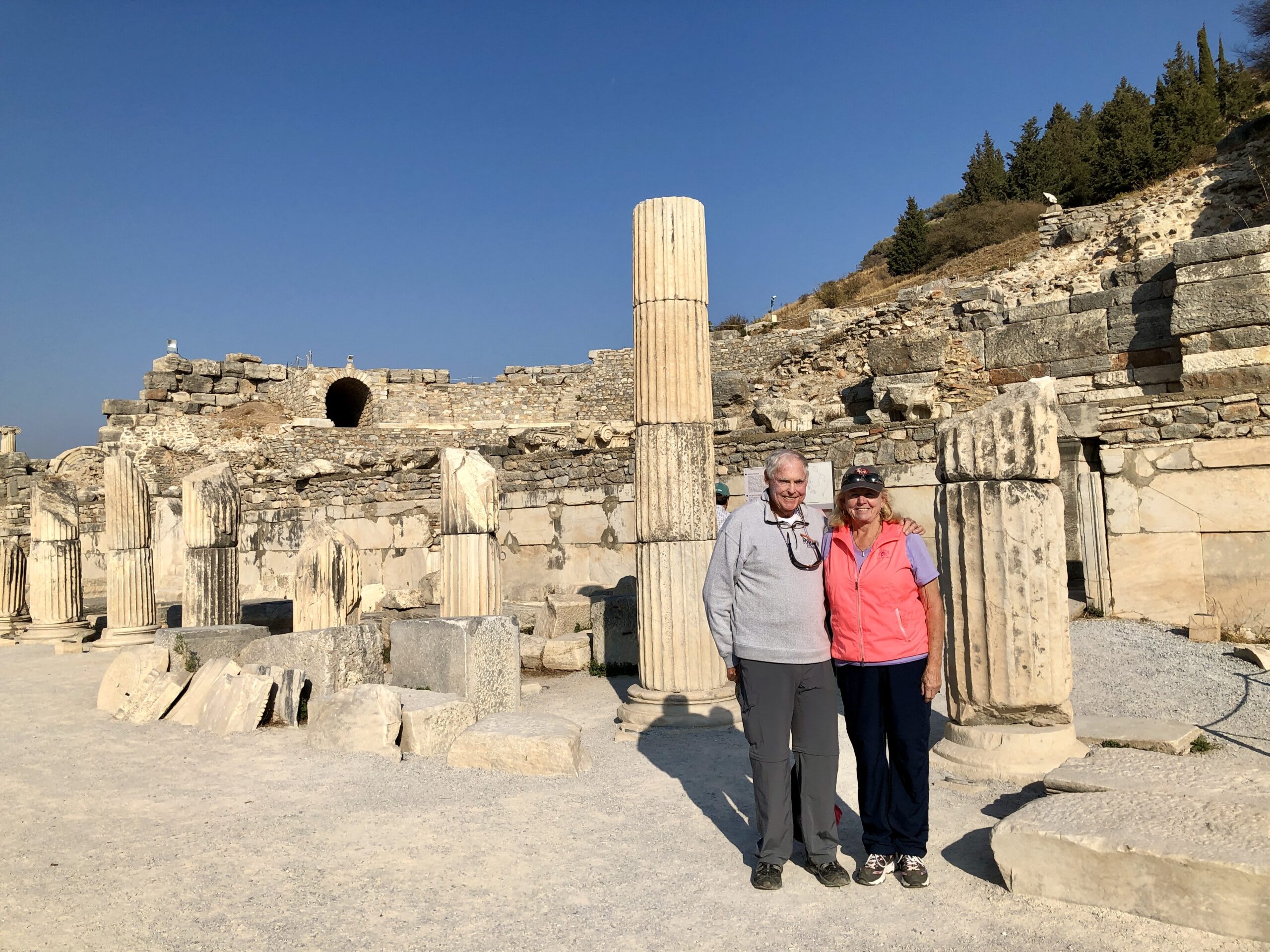
When the harbor silted up, the city lost its reason to be and slowly emptied. What is left is the grandest ghost of a city we have ever seen.
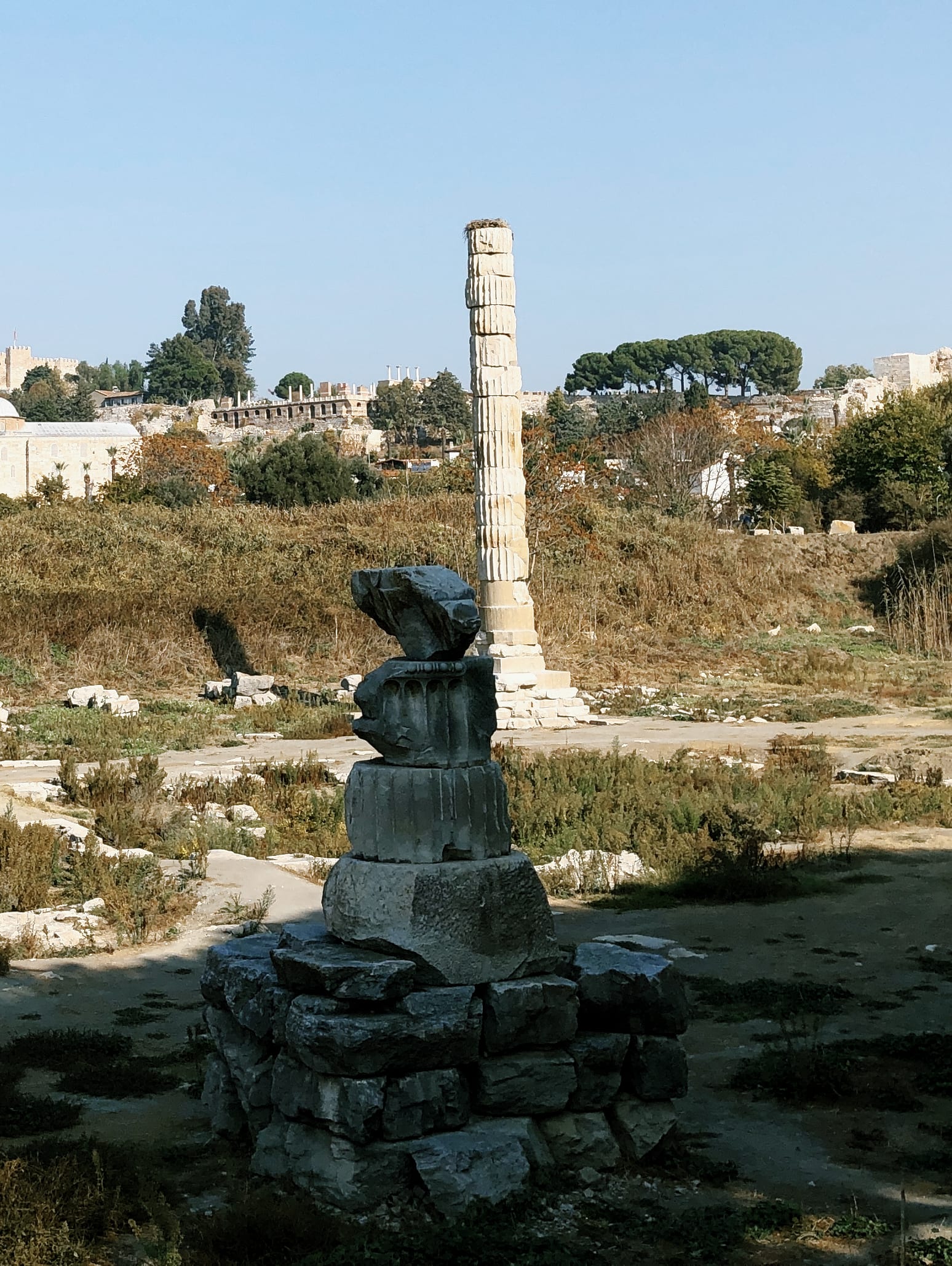
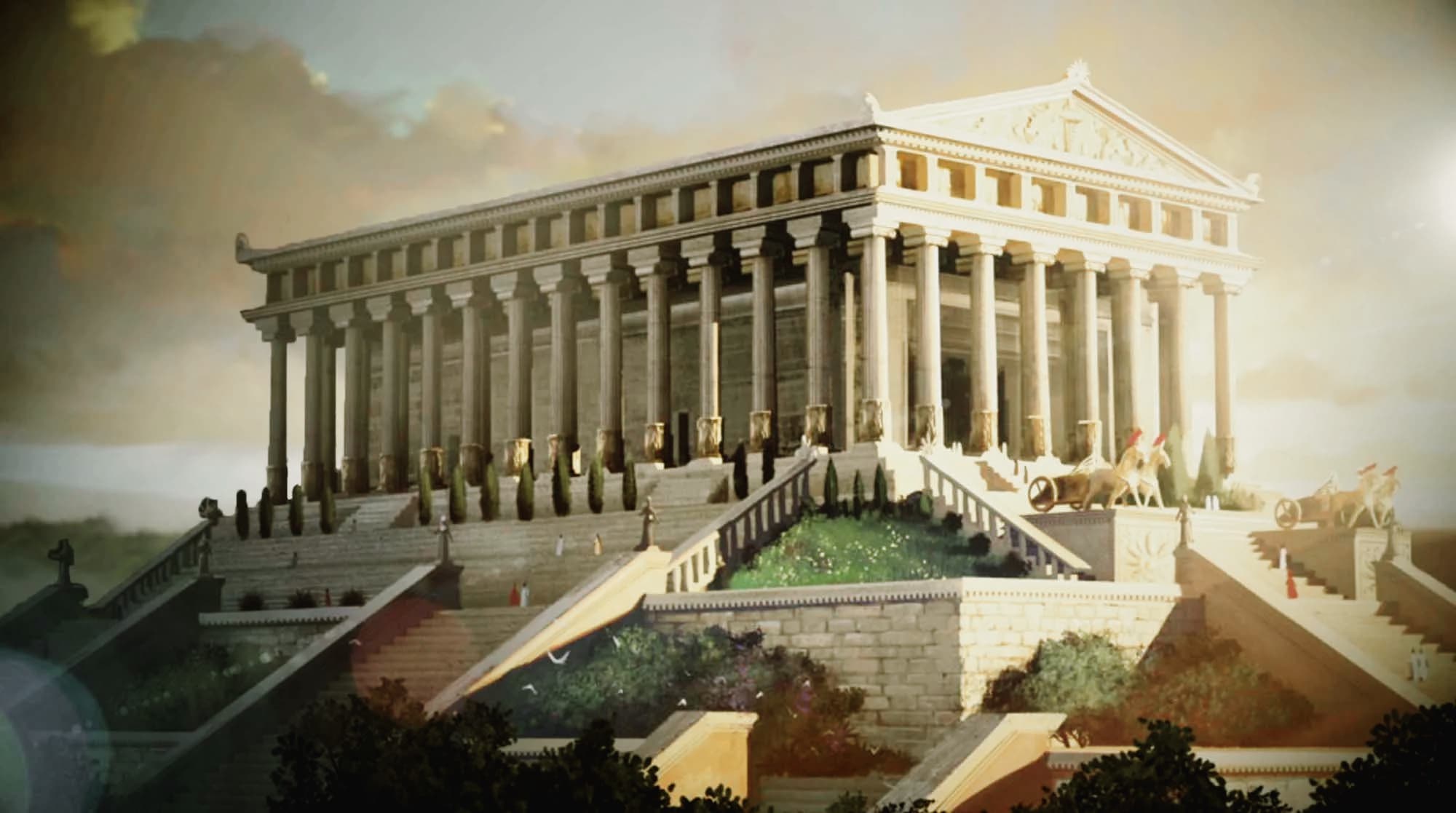
The Temple of Artemis. Last we came to what little is left of the Temple of Artemis, one of the Seven Wonders of the ancient world and, but for the Great Pyramid, the only one the ancients would still recognize, if barely: a single column standing in a marshy field. The temple that Croesus of Lydia built around 550 BC was burned in 356 BC by a man who wanted nothing more than to be remembered for it, on the very night, the story goes, that Alexander the Great was born. They built it back grander still, four times the size of the Parthenon, with a hundred and twenty-seven columns sixty feet tall, until the Goths sacked it in 262 and, with the rise of Christianity, it faded into history, its stones carried off for other buildings.
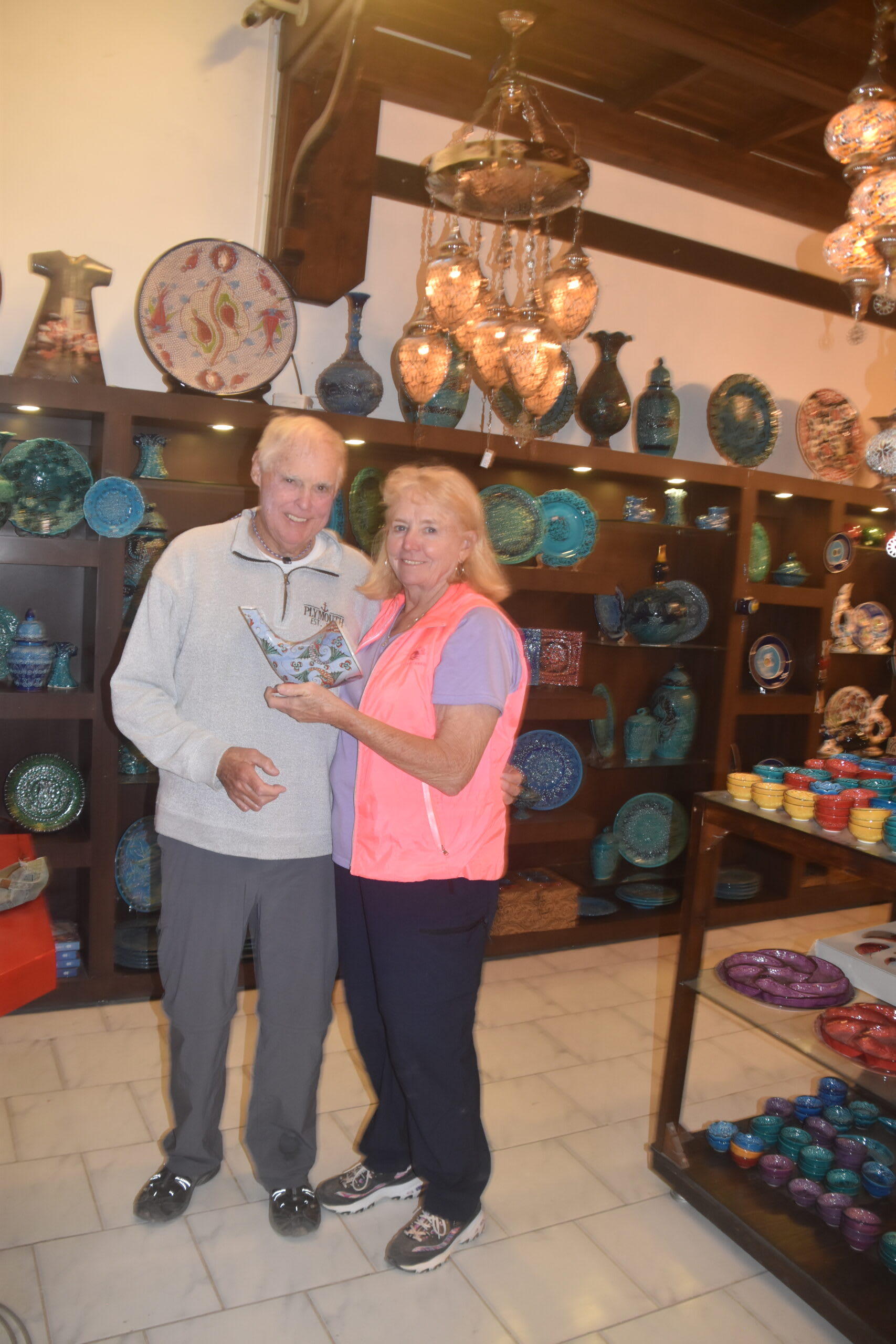
A pottery shop. As always, the guide brought us to a local artisan, a pottery house called FIRCA; we had had our fill of carpets in Istanbul back in 2016. They showed us how the pieces are made, and one in particular delighted us, a pottery gramophone: set a phone in the back of it and it throws the sound beautifully. It sits on our mantel now.
We returned to the Jade that evening, full of Saint Paul and Saint John and the Virgin Mary and the sheer scale of the ruins, and sailed on for Haifa.