Dateline June 17, 2016, Nazareth and the Sea of Galilee
We reached Haifa early on Friday, June 17th, for a three-day stay. Back when Israel was to be only a two-day stop, we had booked a driver for the Saturday and the Sunday, which left the Friday wide open. After a good deal of back and forth we settled on Nazareth, where, in a manner of speaking, it all began.
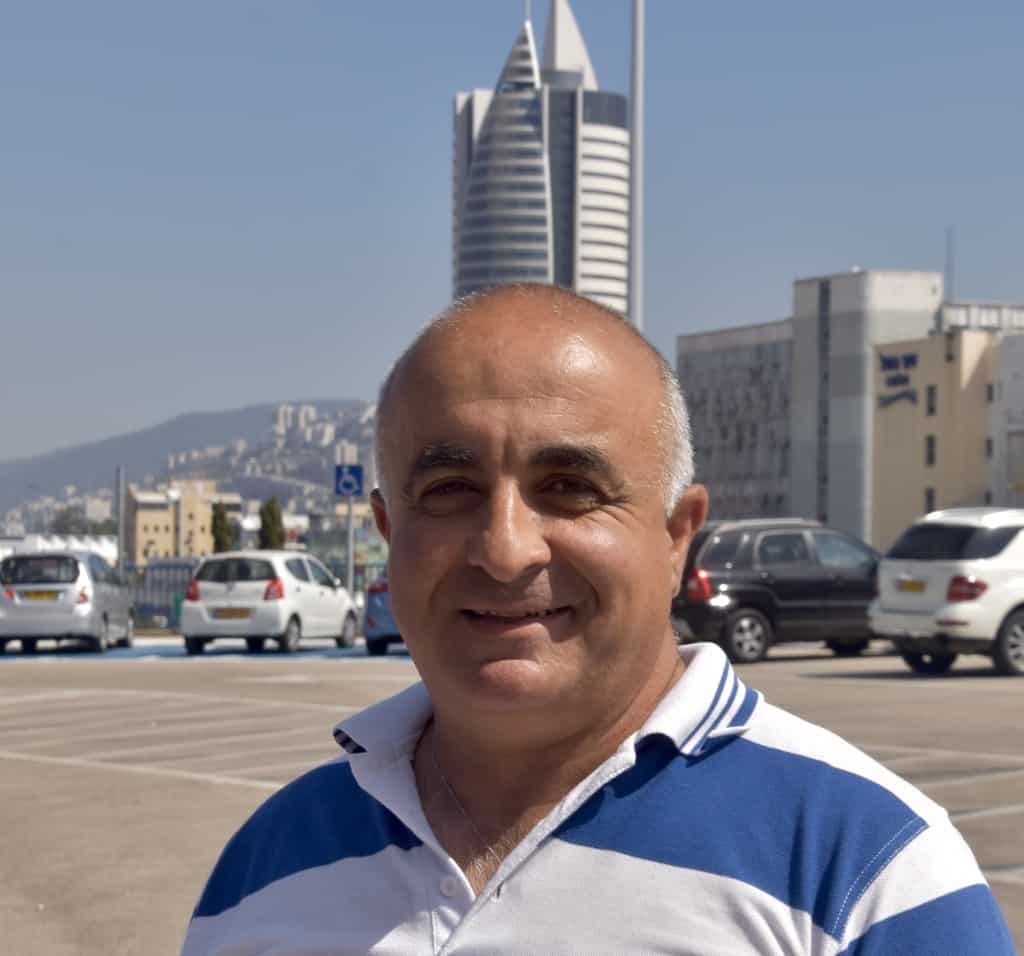
We had such a good time with Gordon and Karen in Santorini that we talked them into coming along. The plan was the public bus to Nazareth and then on toward the Jordan River and the Sea of Galilee, about an hour out. We never caught that bus. On the way to the stop, taxi drivers kept trying to wave us in, and we kept waving them off, until one fellow stopped and took a few minutes to walk us through what the bus day would really look like. It sounded like a long ordeal, and knowing now what we learned later, it would have been. He offered a fair price to drive us instead, so we went to Plan B and never regretted it.
Nazareth. Our driver, Haim Koren, took us first to Nazareth. There are nineteen Churches of the Annunciation in the town; Haim brought us to the two most visited. The Catholic Basilica of the Annunciation stands over the cave thought to have been Mary's home, and the Greek Orthodox church stands over the spring where, by tradition, she first heard the angel Gabriel's voice.
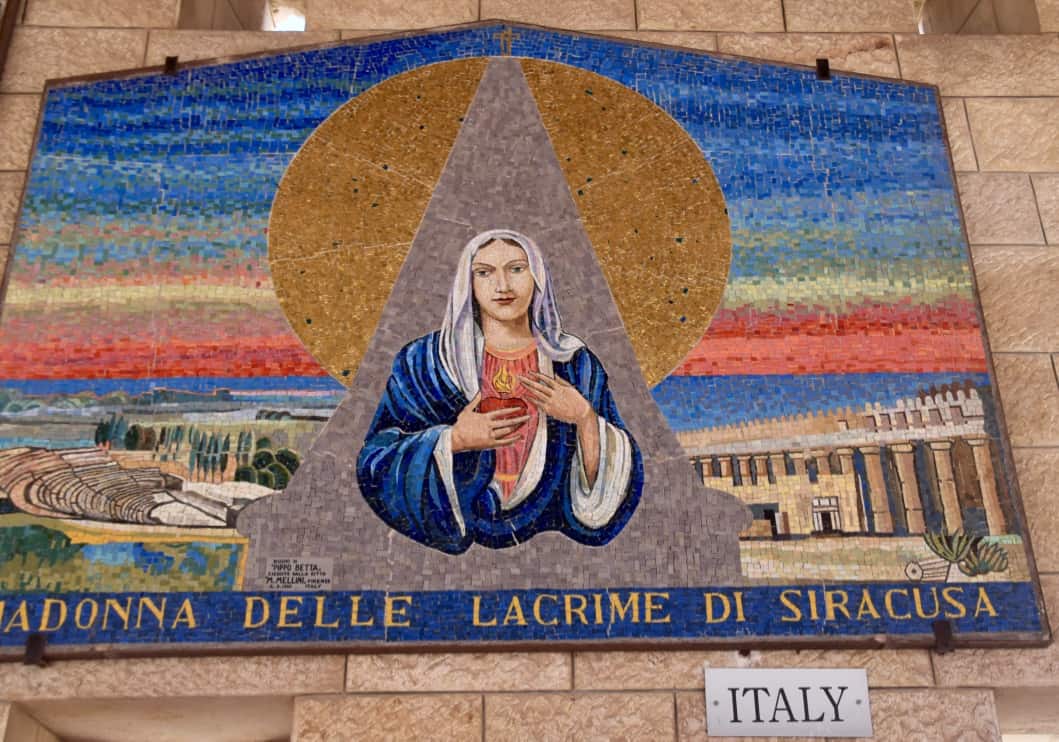
Outside the Basilica are mosaics sent from countries all over the world, each one made for this church.
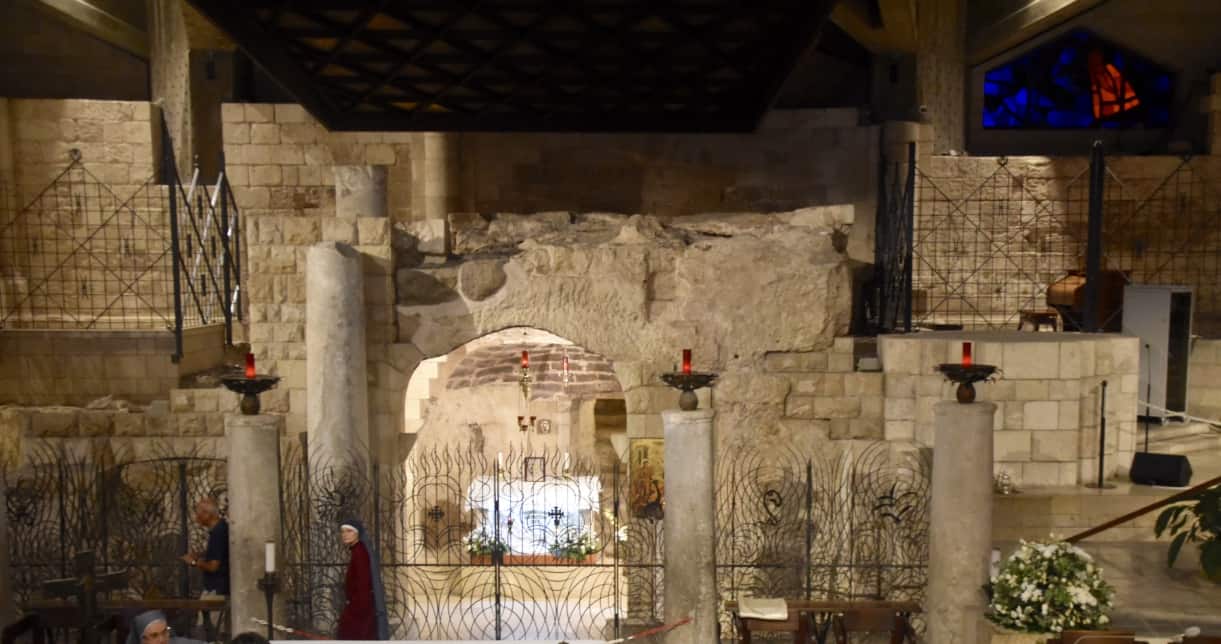
Inside, a lower level holds a sunken grotto said to be the cave where Mary lived. The present basilica went up over those remains beginning in 1966, and it is the largest church building in the Middle East.
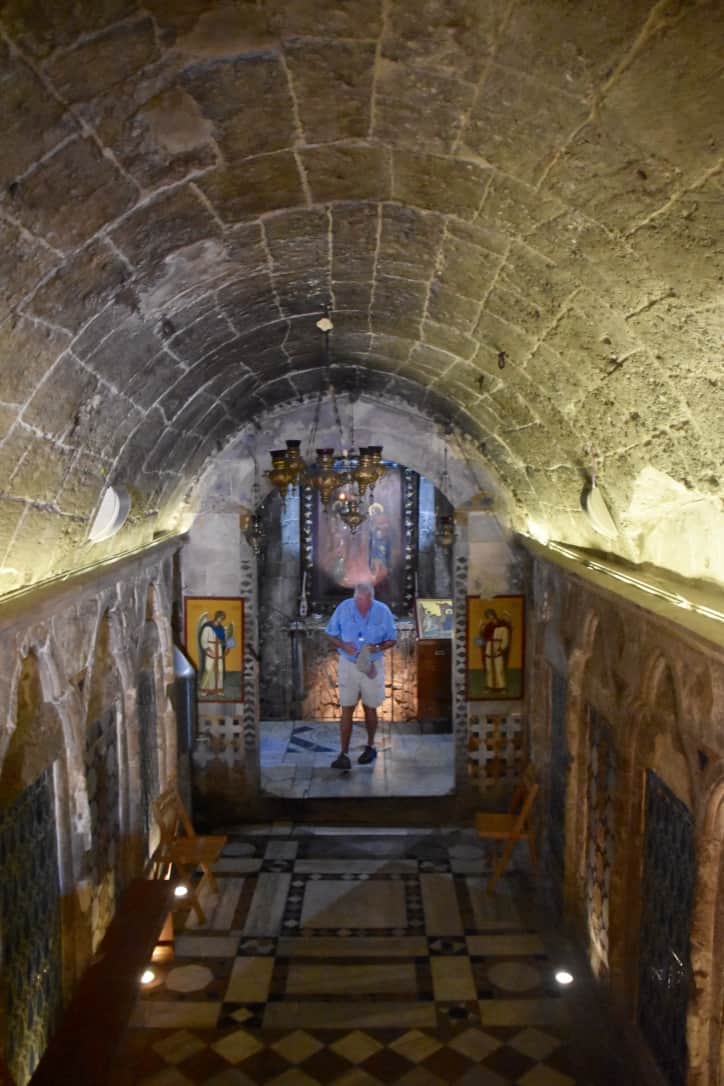
The Greek Orthodox Church of the Annunciation, also called St. Gabriel's, was first built in Byzantine times, raised again during the Crusades, and once more in the eighteenth century under Zahir al-Umar, the Arab governor of Galilee. It stands over an underground spring where, by Orthodox tradition, Mary was drawing water when the angel came to her. The spring still runs inside the church and once fed Mary's Well, a hundred and fifty yards off. It was our first lesson in how many places here lay claim to the same holy moment, each one sure it is the true one.
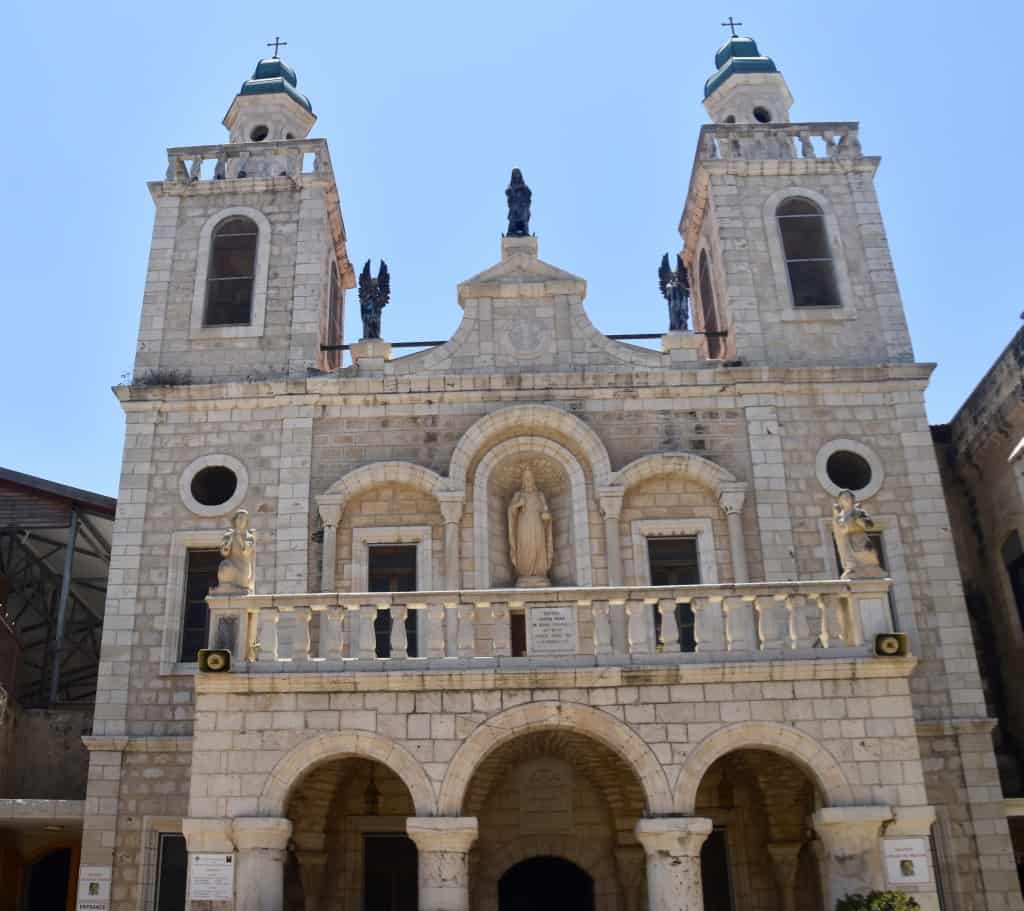
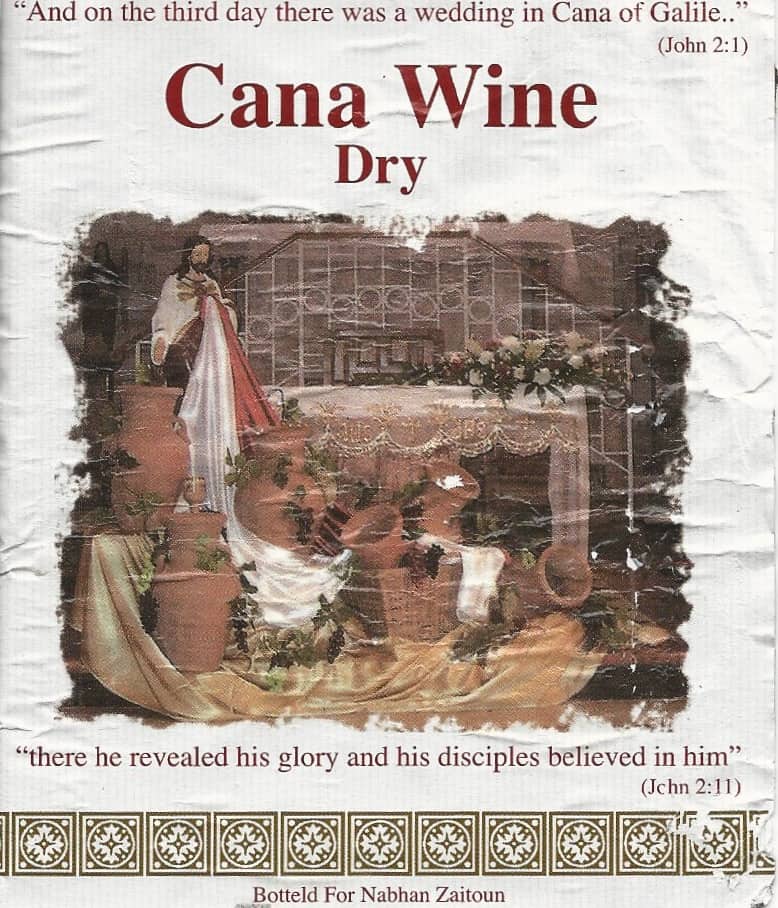
Cana. A few miles on, at Cana, Haim showed us the Wedding Church, which marks the spot where, the story goes, Jesus worked his first miracle and turned water into wine at a wedding feast after the wine had run out.
Across the street a shop sold Cana wedding wine, run by an Arab Christian family. They told us, with some sadness, that the news back home makes it sound as though the Arabs and the Jews are forever at each other's throats, when the truth they live is a quieter one: neighbors, working side by side. The wine, for the record, was good.
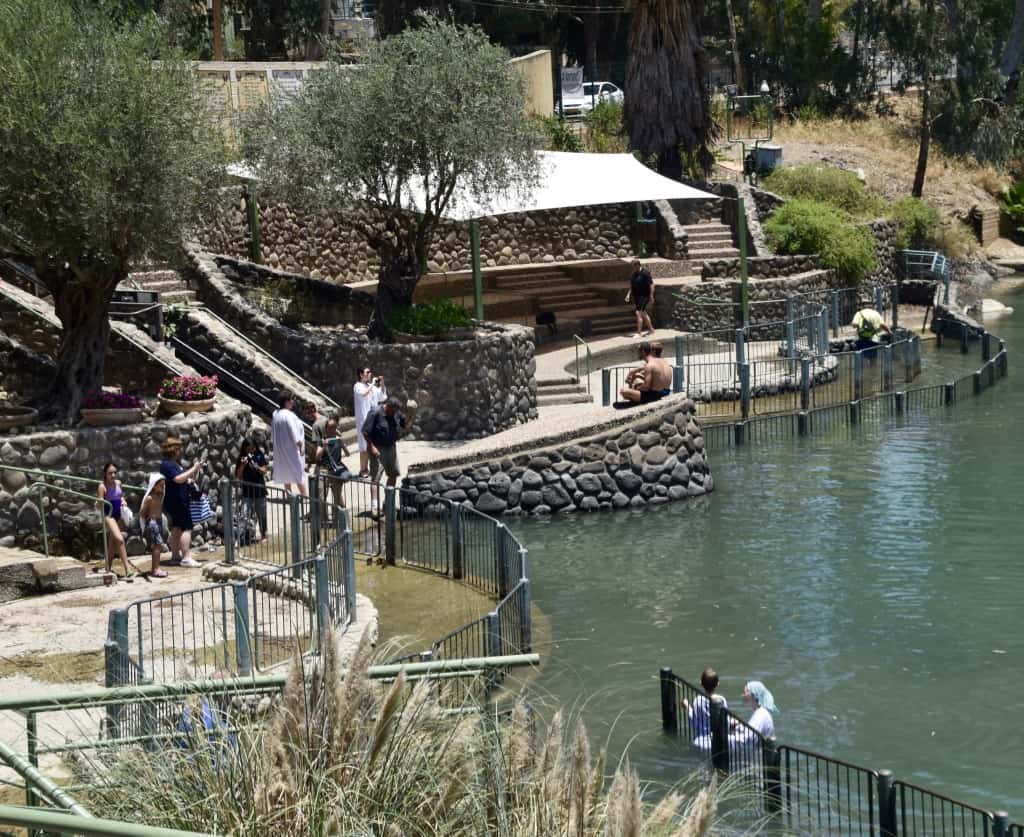
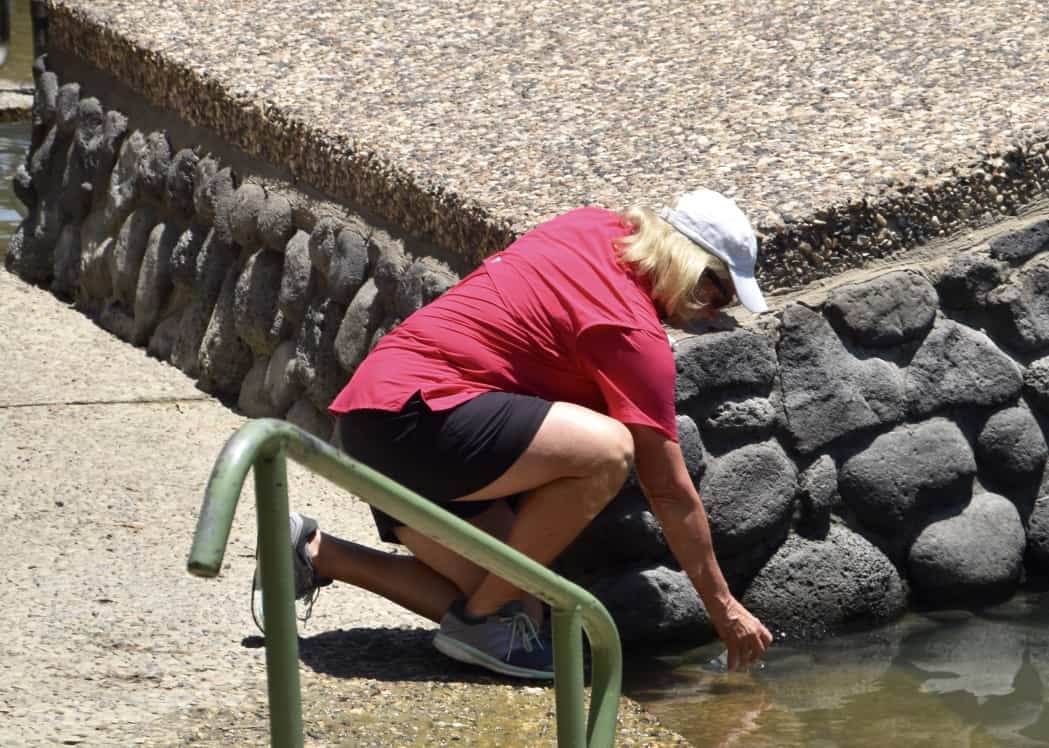
The Jordan and the Sea of Galilee. Haim drove us on to the Sea of Galilee and to Yardenit on the Jordan River, where John the Baptist is said to have baptized Jesus. We thought about being baptized ourselves, but there is no clergy on hand; you can pay your way into the water and, more or less, baptize yourself. We passed on that, filled a little bottle with river water from the ones they provide, and picked up a few gifts to carry home.
Then up to Tiberias, an old city on the lake that has grown into a modern resort, with restaurants lining the water. The four of us found a Lebanese place, ordered local beer and a fine meal, and lingered a good while before heading back to the ship at Haifa for the night.