Dateline June 18, 2016, Masada and the Dead Sea
The next morning a new guide picked us up around 8:30 and drove the two and a half hours south to the Dead Sea. The first stop was Masada.
Masada. The fortress of Masada was built around 30 BC by King Herod, a builder with few equals. He set a palace into the side of a steep, flat-topped mountain, its sides falling away on every hand, with the desert spread out to the west and the Dead Sea to the east.
When the great revolt against Rome began in the year 68, a band of Jewish zealots took the site and made it their last stronghold. In 72 the Romans laid siege, and reached the top at last by raising an enormous earthen ramp against the western face. In 73, rather than fall into Roman hands alive, the 960 men, women, and children at the summit chose to die by their own hand. What they did left a long story of courage and martyrdom behind it. Herod's own house sat on a terrace a level below the peak.
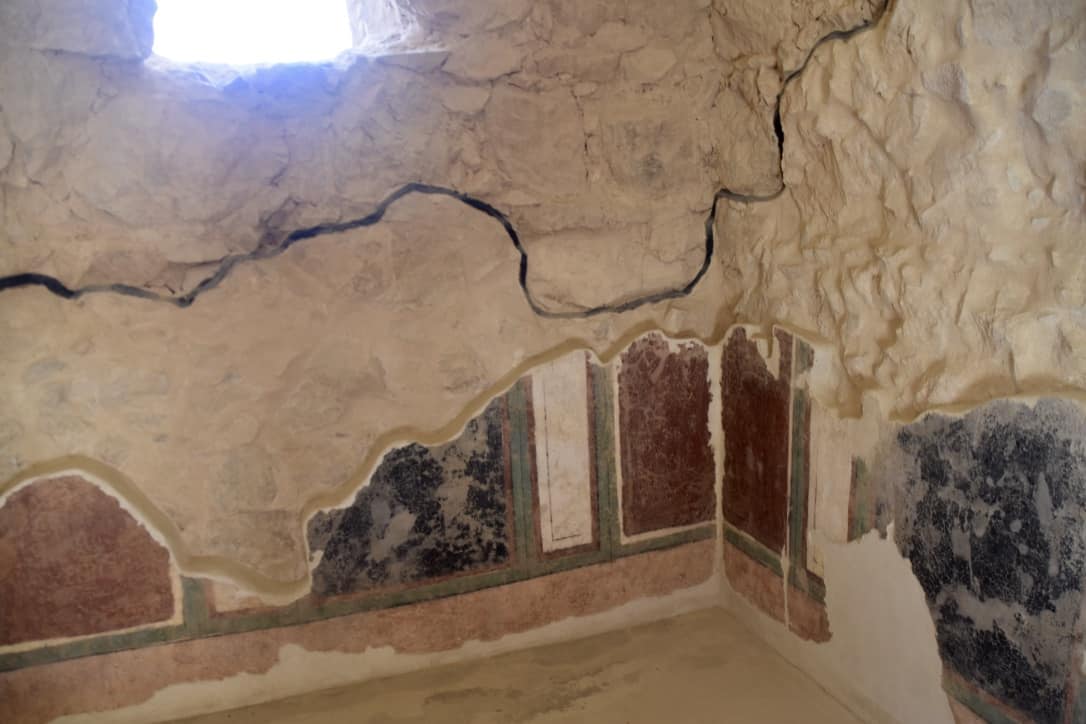
The ruins have been restored, and a black line runs along the stone to mark the work: below the line is what was dug out, above it what was rebuilt. There were paintings still on the walls and mosaics still on the floors, kept whole across the centuries.
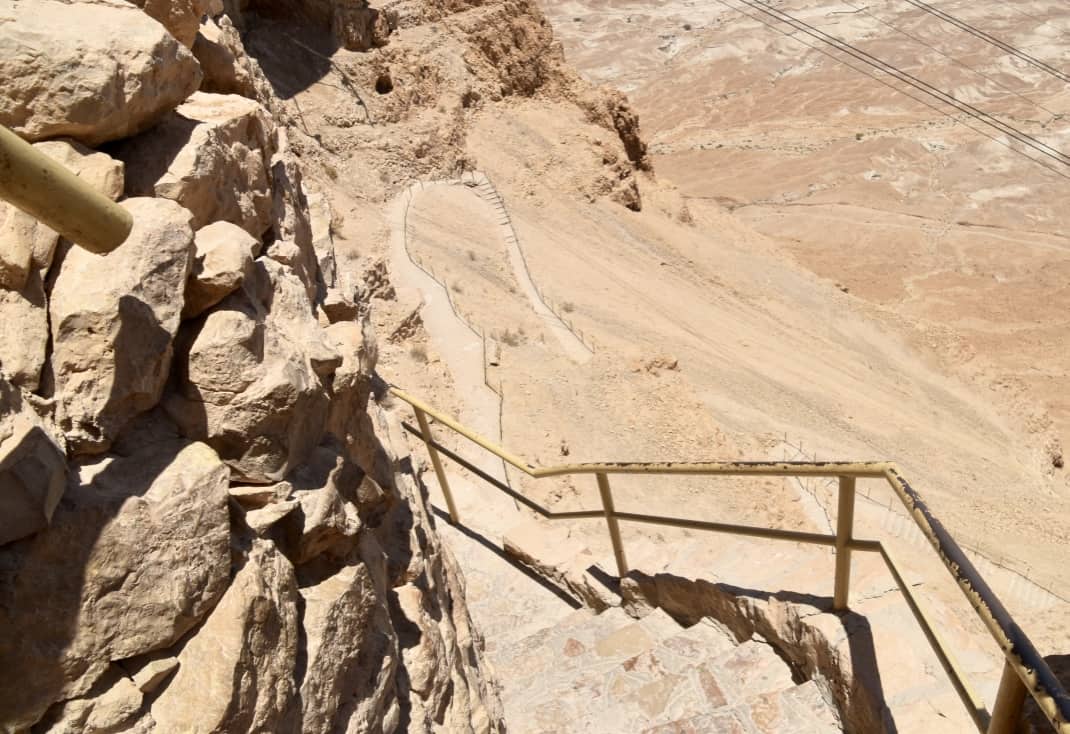
You can reach the top by climbing the winding snake path or by riding the cable car. We took the cable car, up and back, and felt no need to apologize for it.
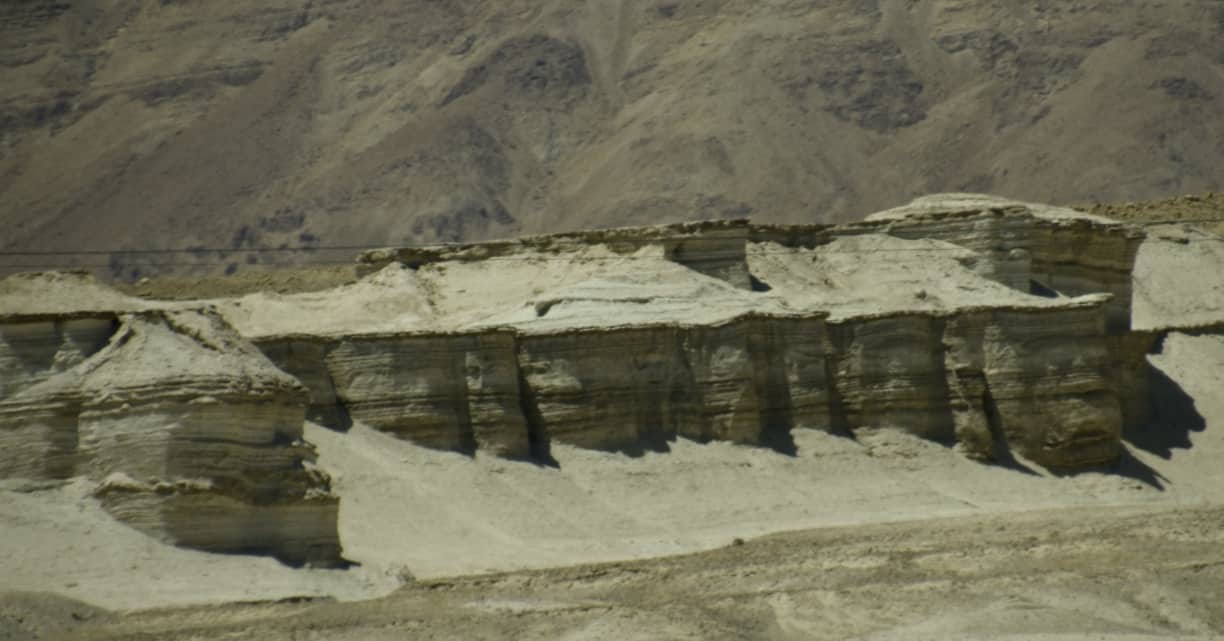
The Dead Sea. With Masada behind us it was time for the thing you cannot skip, a swim in the Dead Sea. We grabbed lunch first, then joined a few thousand of our newest friends for a dip. Muddy, rocky, and crowded, all three.
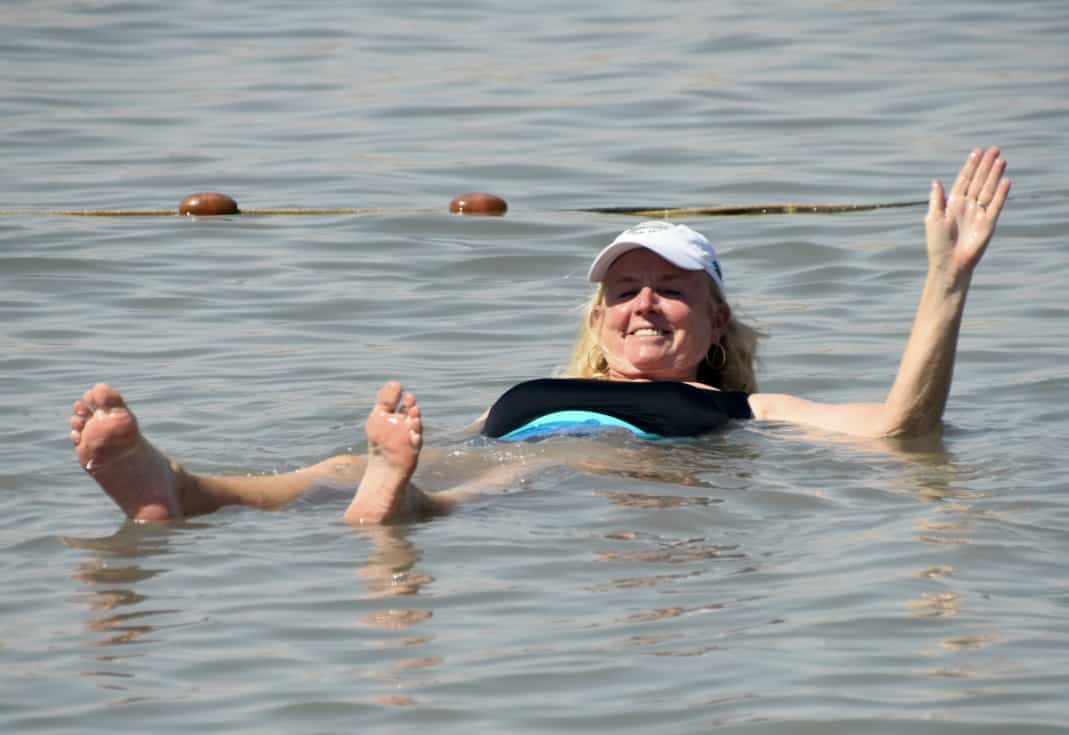
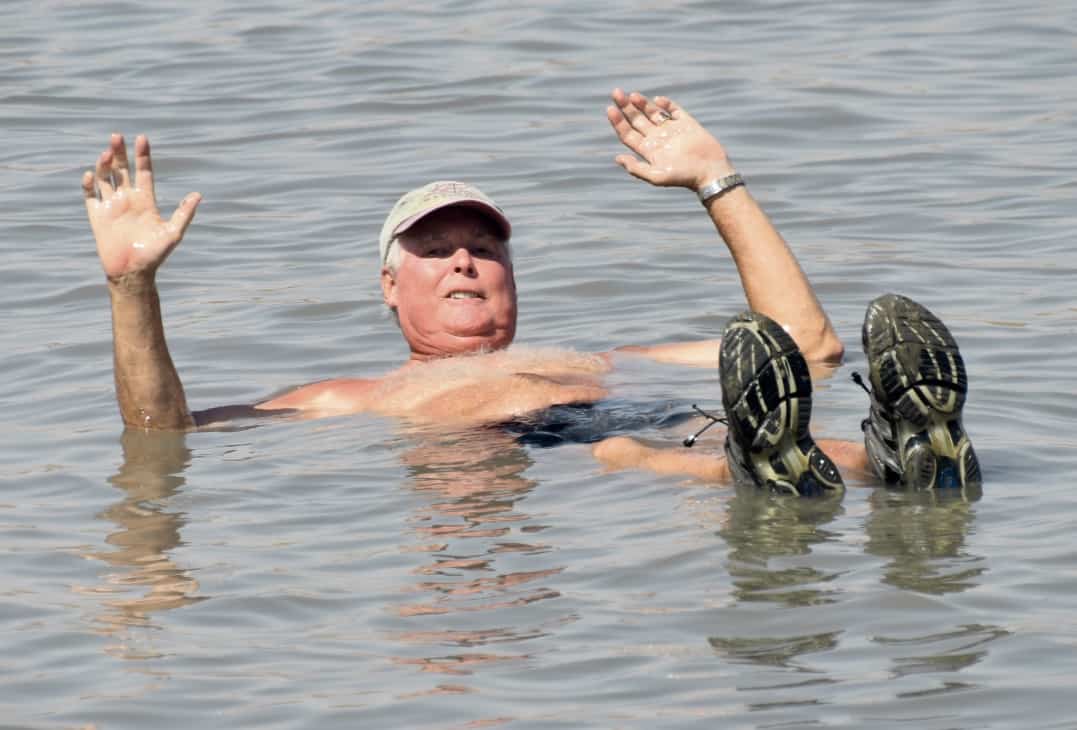
All you can really do is float on your back for a few minutes, and then you are done. Shower, dress, and say goodbye to one more item checked off the must-do list. We were glad we did it.
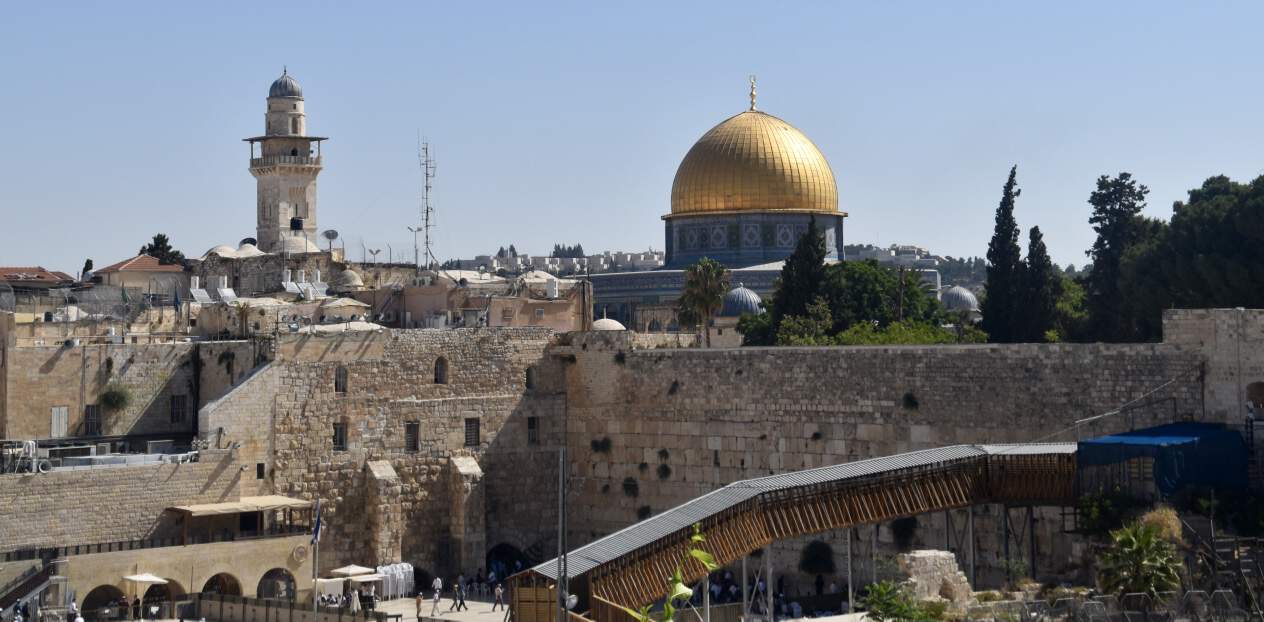
Jerusalem for the night. Rather than make the five-hour round trip back to the ship at Haifa, we drove up to Jerusalem to stay the night, at the Sephardic House hotel, tucked into the very heart of the Jewish Quarter of the Old City. The house once served the Spanioli Jews as a place of study; the courtyard level, now a patio, was set aside for widows and orphans, and the upper floor held the school. A Jewish school still stands beside the hotel. We had just enough time to clean up and head out for dinner.
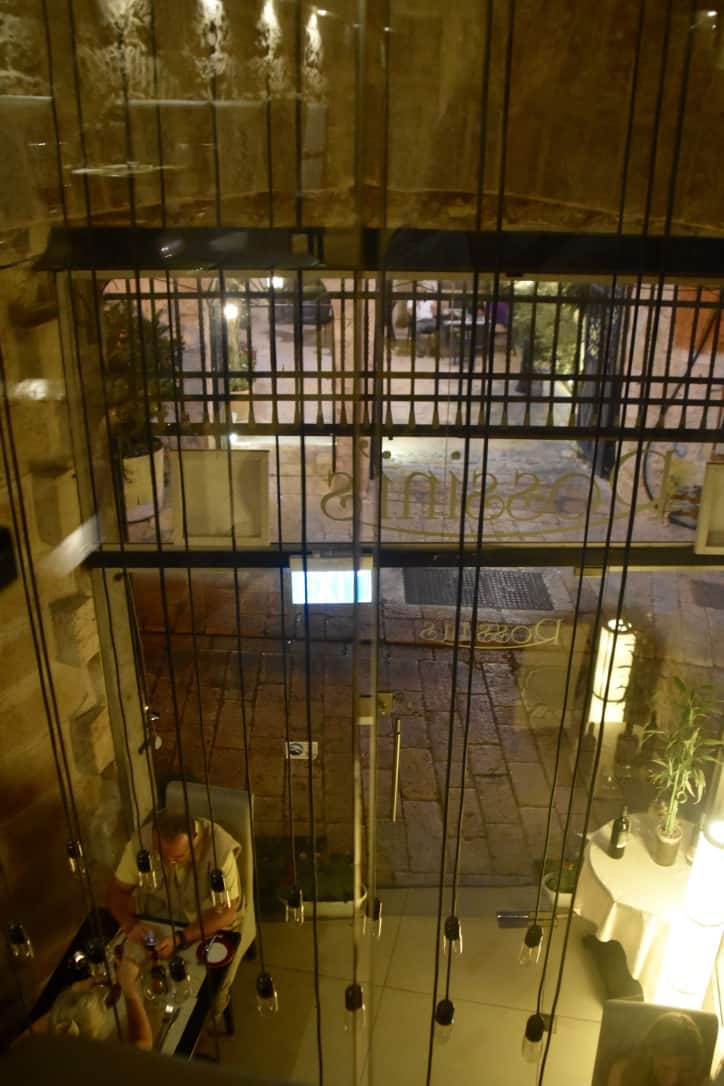
It was Saturday, so the Sabbath ran until sundown. The young woman at the front desk handed us a card for a restaurant over in the Armenian Christian quarter, not far off, and we walked from the Zion Gate toward the Jaffa Gate to find it. We stopped at a place that looked right and were shown up to the second floor. We ordered the local wine, which was very good, and went over the menu, surprised to find a Palestinian plate of the day. We asked the owner whether the restaurant was Palestinian; it was, he said, and he a Palestinian Christian. We had a fine talk with him and a lamb shank that was wonderful.
Walking back, we passed many people heading home now that the Sabbath had ended, among them men in tall fur hats. These are shtreimels, worn on the Sabbath by many married Hasidic men, and, our guide told us, far from cheap. Back at the hotel we handed the desk our card from the evening, and learned we had gone to the wrong restaurant. The young woman, Armenian Christian herself, was none too pleased we had eaten at a Palestinian Christian place. It was our first glimpse of something we would see again and again here: that the divisions do not run only between the great faiths, but right down the middle of them, in Israel and far beyond it.