Dateline July 12, 2018, Herbert Hoover
We have spent many happy hours over the years in the presidential libraries, and this summer we worked one more into the route: the Herbert Hoover Presidential Library and Museum, out at his birthplace in West Branch, Iowa. We came away with a question the museum itself seems to want you to ask. Here was a brilliant manager, a wizard of logistics, one of the most effective humanitarians who ever lived. How did we come to remember him as a failure?
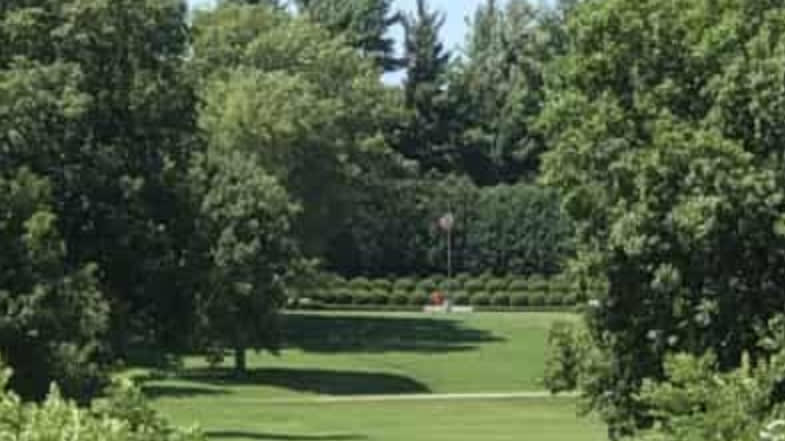
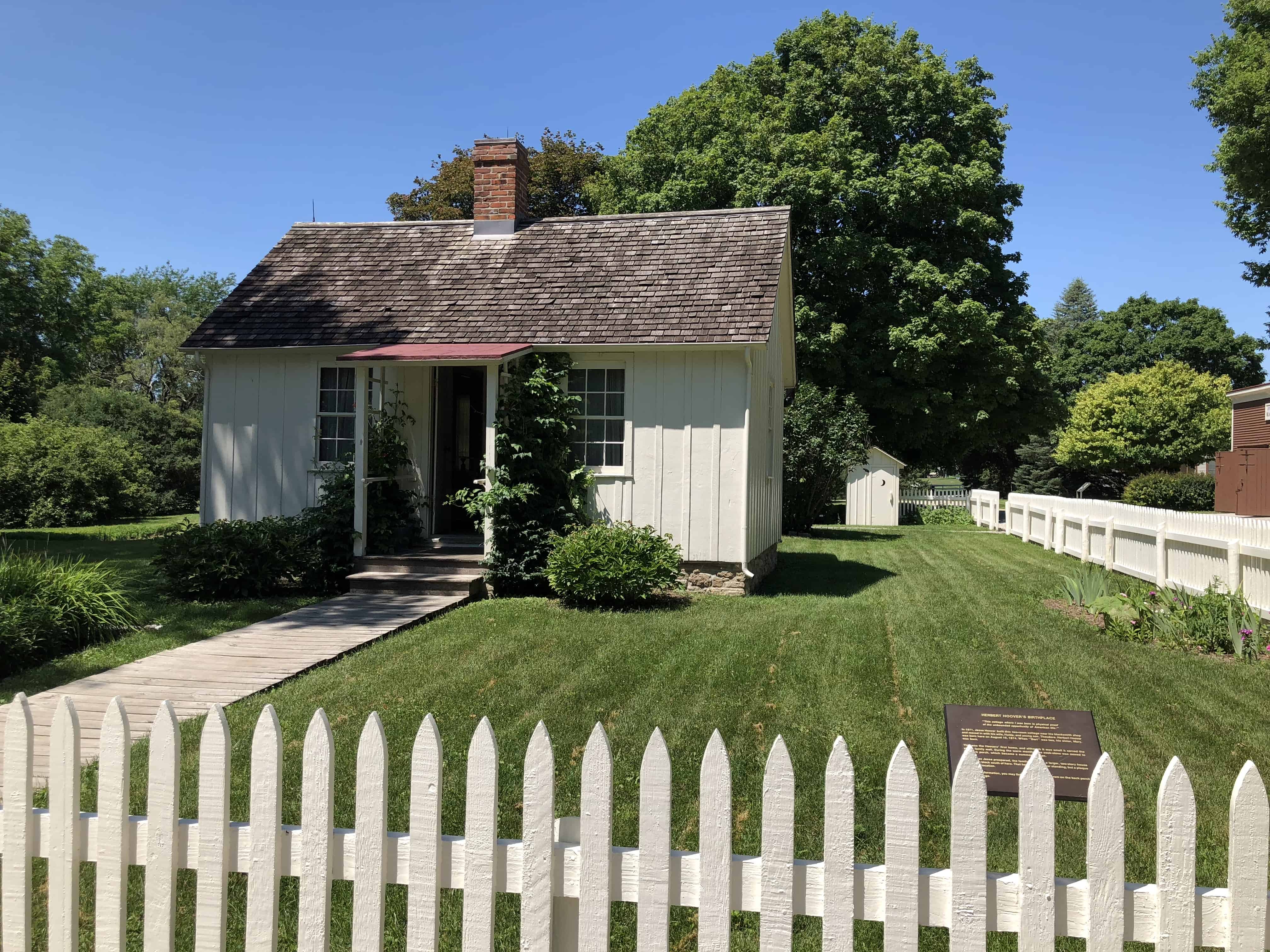
A quiet place. The grounds are about as peaceful as a place can be. They hold the tiny cottage where he was born, his father's blacksmith shop, and the old Friends Meetinghouse where he went to school, for the Hoovers were Quakers, with a newer Meetinghouse nearby. Hoover had a hand in planning the library himself, and he asked that the view from the back porch of his birthplace look out, unobstructed, to the spot where he would be buried.
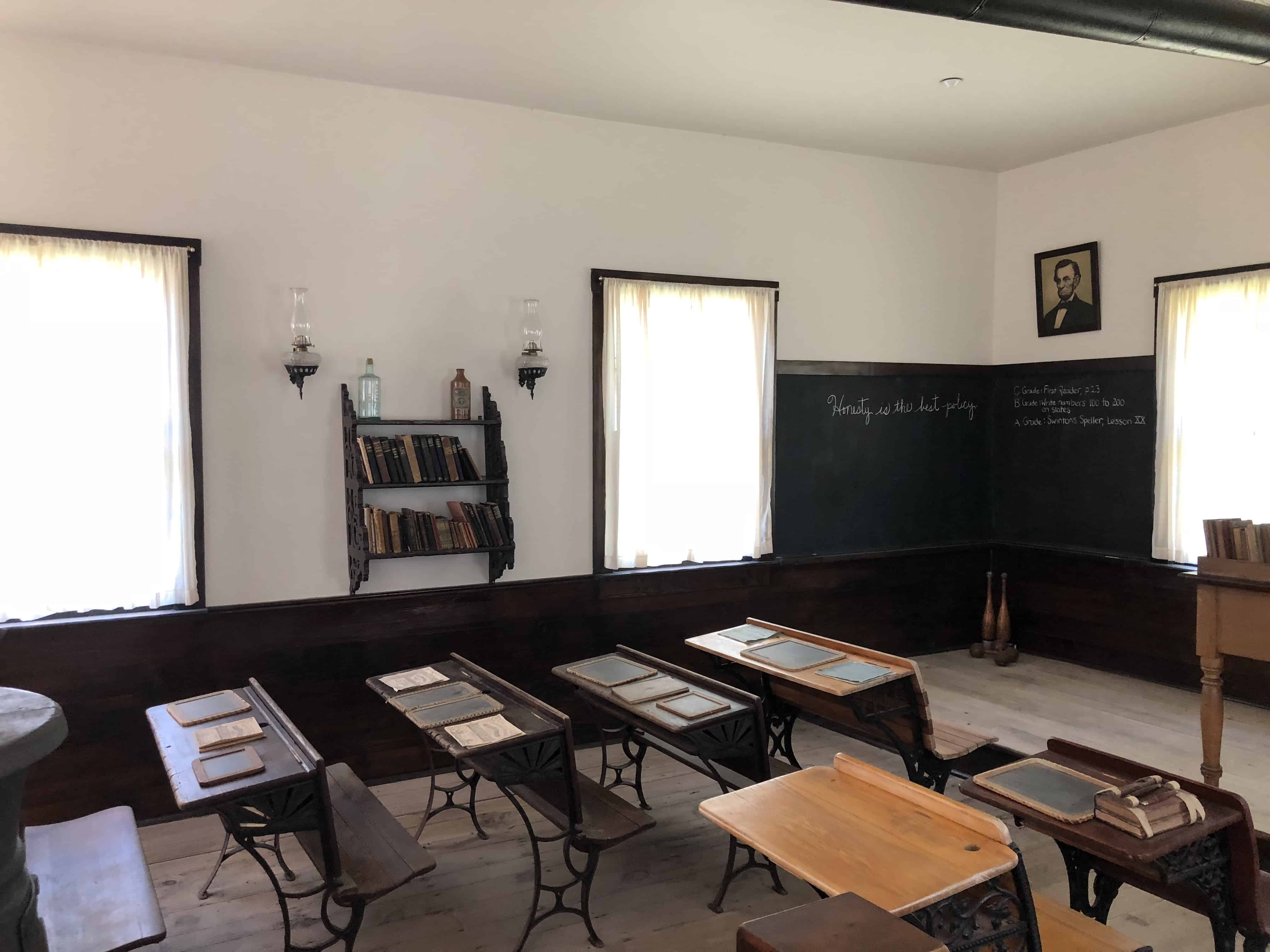
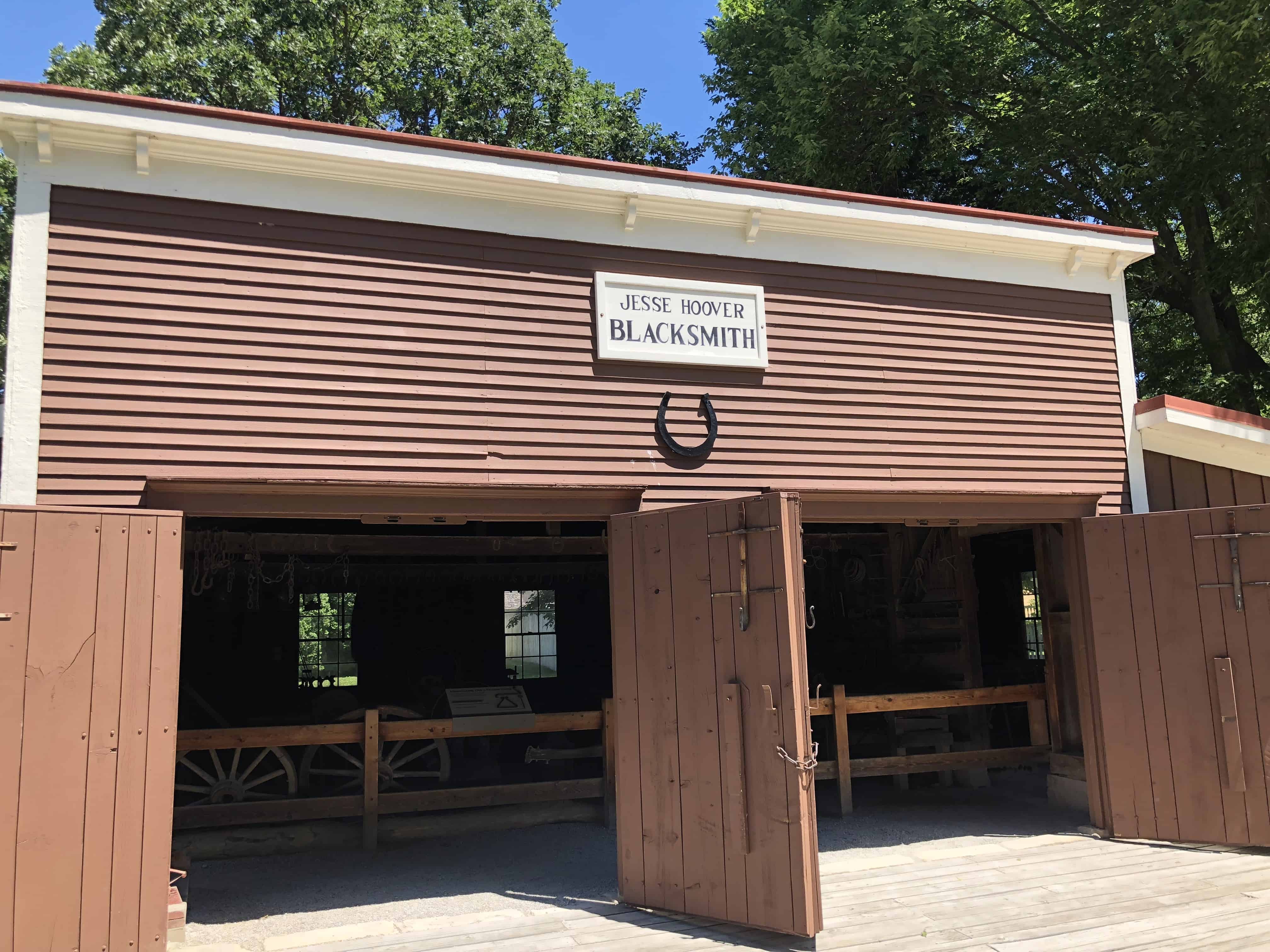
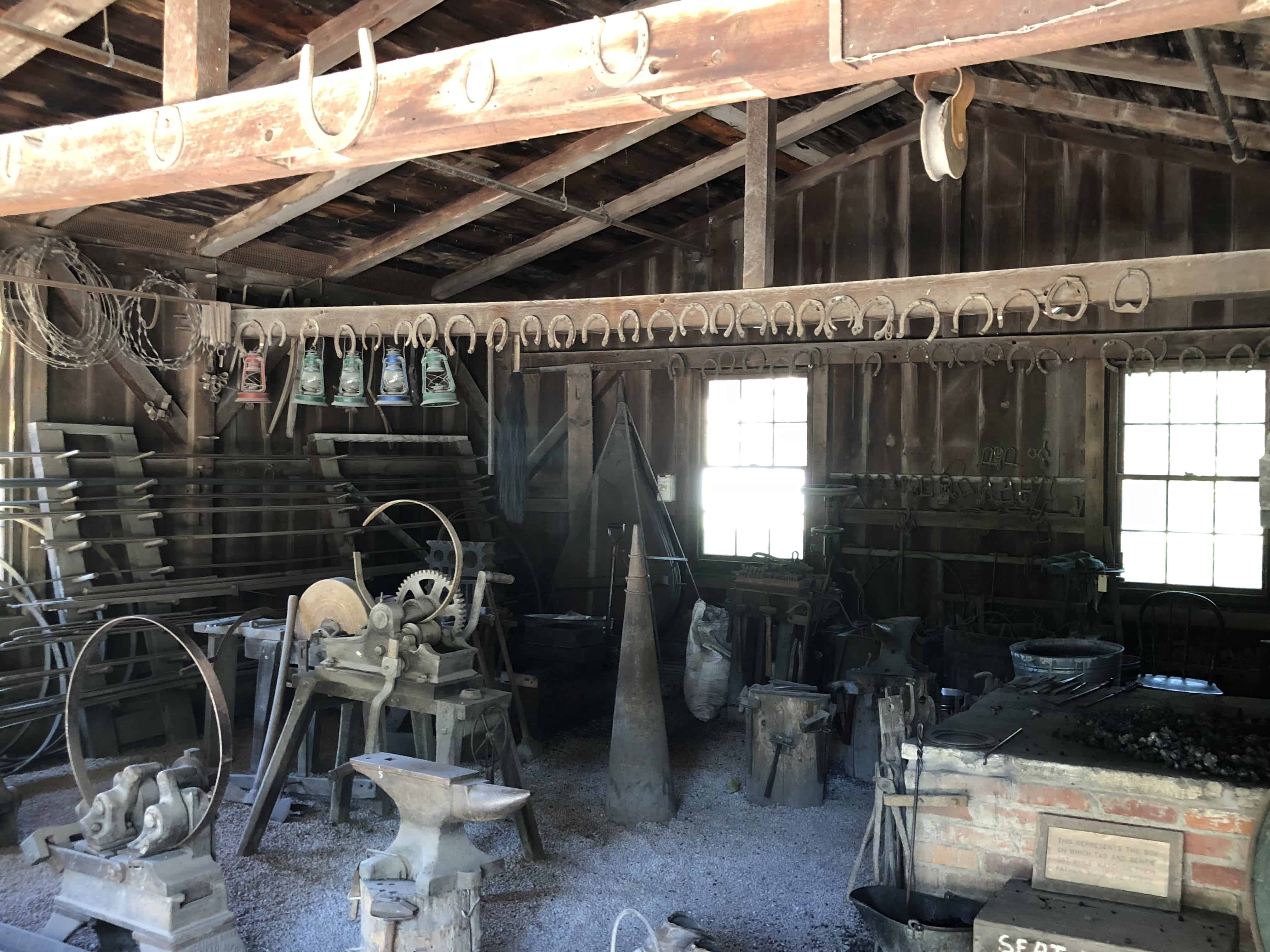
Because the history we are taught in school is so compressed, most of us file Hoover away as the president who was at the wheel when the country drove into the Great Depression, and a good many people blame him for it, though he had been in office only nine months when it hit. So we want to tell the rest of the story, the man as a humanitarian who reached directly into millions of lives, not just the man in the White House.
The world he was born into. It is worth remembering how hard ordinary life was when Hoover came into it. A history of those years describes most homes before the turn of the century, the rich excepted, as dark and barely heated, smoky from candles and oil lamps, and, worst of all, without running water; every drop for cooking and washing had to be hauled in by hand, and every drop of waste hauled back out. That was the America of 1874.
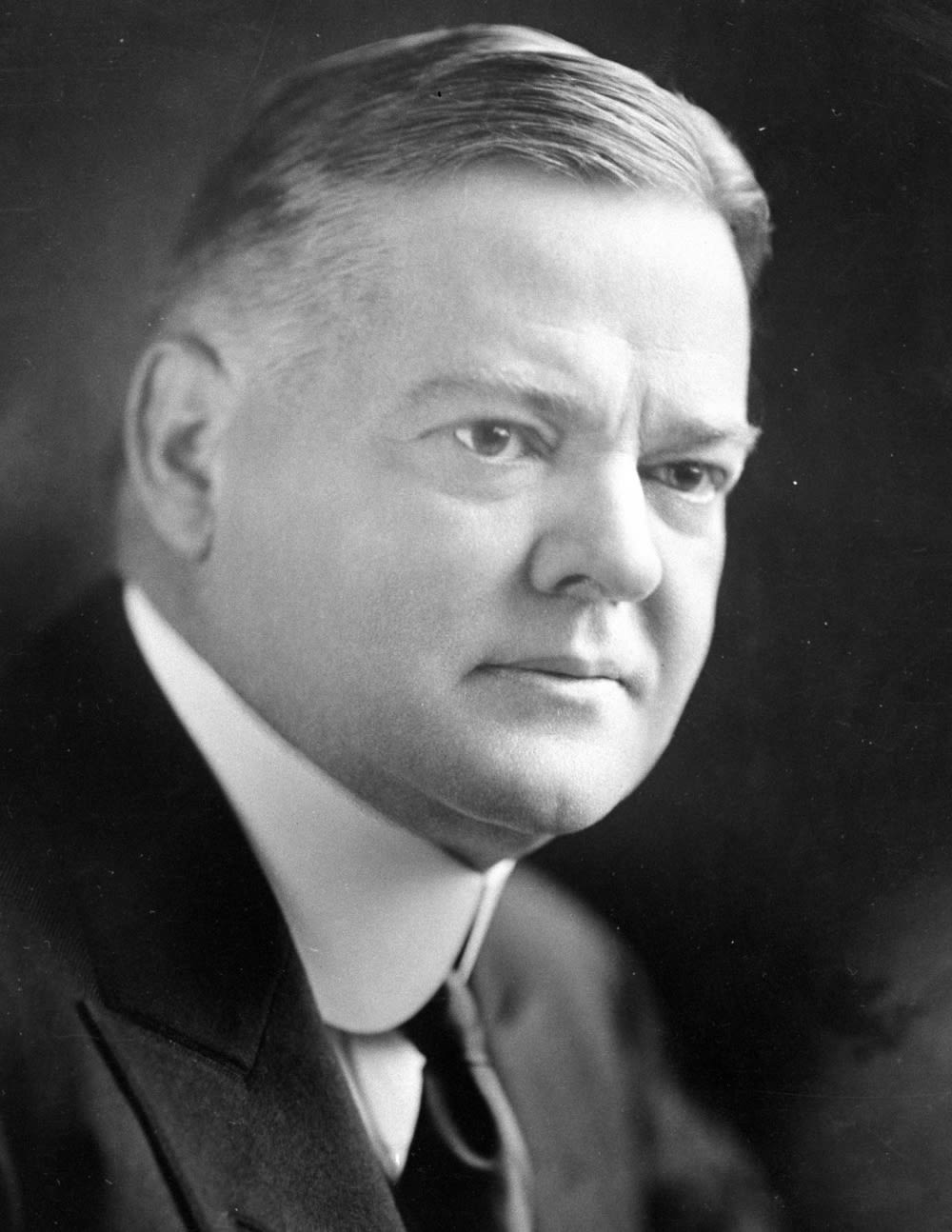
A Quaker orphan. He was born in West Branch in 1874, the middle child between an older brother, Theodore, and a younger sister, Mary, to Jesse Hoover, the village blacksmith, and Hulda Minthorn Hoover, a seamstress and a recorded minister among the Friends. His father died when he was six and his mother when he was nine, and the orphaned children were parceled out among relatives. At eleven, Herbert rode the train west to Oregon to live with his mother's brother, and there he stayed for six years, leaving school at fourteen to clerk in his uncle's real estate office.
Stanford and the mines. A growing interest in geology sent him to sit the entrance exams for the very first class at Stanford, in 1891, and there at last he was happy. He read geology under John Casper Branner, the man who found bauxite in Arkansas, threw himself into student government, and ran the baseball and football programs besides, and in his senior year he met Lou Henry, who would become his wife. He graduated in 1895 into the long shadow of the Panic of 1893 and took what he could get: mucking in the gold mines of Nevada City for two dollars a day. The story goes that, only twenty-one and looking younger, he grew a beard and bought a tweed suit to interview with a London mining house, landed the job, and was sent off to run gold mines in Western Australia, where he struck a vein that made the company a fortune. He came home just long enough to marry his Stanford sweetheart.
The firm next sent the Hoovers to China, where they lived from the spring of 1899 to the late summer of 1900, and where they rode out the Boxer Rebellion. He ran the great Kaiping mines as chief engineer and went on, over the next twenty years, to mend badly run mines all over the world and become a very rich man, known in the trade as the doctor of sick mines.
The great humanitarian. What lifted Hoover from rich engineer to household name was his own idea. When Belgium fell to the Germans early in the Great War, he appointed himself, with scarcely any official standing, to feed it, the whole of it, some seven and a half million people, and to keep feeding it indefinitely. The food came largely from America, was gathered in London, and then had to cross the Channel into territory held by a nation Britain was at war with. He borrowed money to buy it before any government would back him, and he talked writers like George Bernard Shaw and Thomas Hardy into lending their names to the cause. In an age that worshipped great organizers, here was a man turning that gift not to building a fortune but to keeping a nation alive.
When America entered the war in 1917, Hoover became the nation's food czar, head of the Food Administration, steering the country's food supply and a campaign to coax everyone into saving and going without. He worked easily with President Wilson, and the whole country came to know his name. After the war he ran the American Relief Administration, feeding the broken countries of central and eastern Europe, the defeated Germans among them, and, in 1921, the famine-struck people of Bolshevik Russia, over the loud objections of Senator Henry Cabot Lodge and other Republicans. That famine took some six million lives. Asked whether he was not simply propping up Bolshevism, Hoover gave the answer we love him for:
"Twenty million people are starving. Whatever their politics, they shall be fed!"
The next summer the Soviet writer Maxim Gorky wrote to thank him, and his words stand for a great many:
"Your help will enter history as a unique, gigantic achievement, worthy of the greatest glory, which will long remain in the memory of millions of Russians whom you have saved from death."
Secretary of Commerce. Warren Harding made him Secretary of Commerce in 1921, and he held the post through Harding and Coolidge both, so busy and so far into everyone else's business that Washington took to calling him the Secretary of Commerce and Under-Secretary of all other departments. He set standards for manufactured goods, waged war on waste and inefficiency, and pushed along young industries like radio and aviation. He was already among the most admired men in the capital when, in 1927, the Mississippi broke its banks and levees and put millions of acres under water, driving a million and a half people from their homes. It was no business of the Commerce Department, but the governors of six flooded states asked for Hoover by name, and Coolidge put him in charge. He crossed and recrossed the valley, raised seventeen million dollars, and stood up better than a hundred tent cities and a fleet of more than six hundred boats. By 1928 he had all but eclipsed the president he served.
He was no blind optimist about the boom, either. As early as 1923 he was warning that the roaring economy of the twenties would one day come crashing down, and he worried in particular about the New York banks lending people money to buy stocks on margin, as much as ninety cents on the dollar, which lit a fire under the market and put both the borrowers and the banks at terrible risk.
The presidency. When Coolidge chose not to run again, the Republicans nominated Hoover in 1928, and he beat New York's governor, Al Smith, in a landslide. On the stump he had said, "We in America today are nearer to the final triumph over poverty than ever before in the history of any land." Less than a year later the market crashed, and the worst slump in the country's history settled over his administration.
He did not, whatever the schoolbooks imply, sit on his hands. His plan leaned on tax cuts and public works, to leave money in people's pockets and keep them working; he pressed business leaders not to cut wages or lay people off; and in 1932 he backed the Reconstruction Finance Corporation to lend to failing banks and industries. None of it was enough. He watched, all but helpless, as businesses shut their doors and families slid into want. And he made one genuine blunder, signing the Smoot-Hawley tariff, which raised the cost of imports and prompted other countries to shut out American goods just when the country most needed to sell them. The causes of the Depression ran far deeper than any one man or any one term, and historians argue Hoover's record to this day, but in 1932 the voters were in no mood for arguments, and Franklin Roosevelt swept him out. Opposed to most of the New Deal, Hoover spent the Roosevelt years on the outside looking in.
The long afterward. Leaving office, he became the only living former president for nearly twenty years, until Harry Truman left the White House in 1953. The Hoovers settled first in New York, at the Waldorf Astoria, then went back to their home on the Stanford campus, where he picked up again with the clubs he loved. He lived in Palo Alto until Lou died in 1944, and after that made the Waldorf his permanent home. Truman, of all people, called him back into service in 1947 to chair a commission on reorganizing the executive departments, and Eisenhower handed him a second one in 1953; both saved the government real money. He kept writing to the end, articles and books, and was at work on one when he died in New York on the twentieth of October, 1964, at the age of ninety.
What we carried away. We wrote a great deal of history into this one, but that was rather the point of the visit. We left West Branch with a deep appreciation of what a humanitarian Hoover was, and what a decent man, so much of it owed to his Quaker raising and to the orphan boy who never forgot what it was to need help. If you ever have the pleasure of Iowa, the Hoover library is a must.