Dateline November 1, 2022, Jordan and the Roman Ruins of Jerash
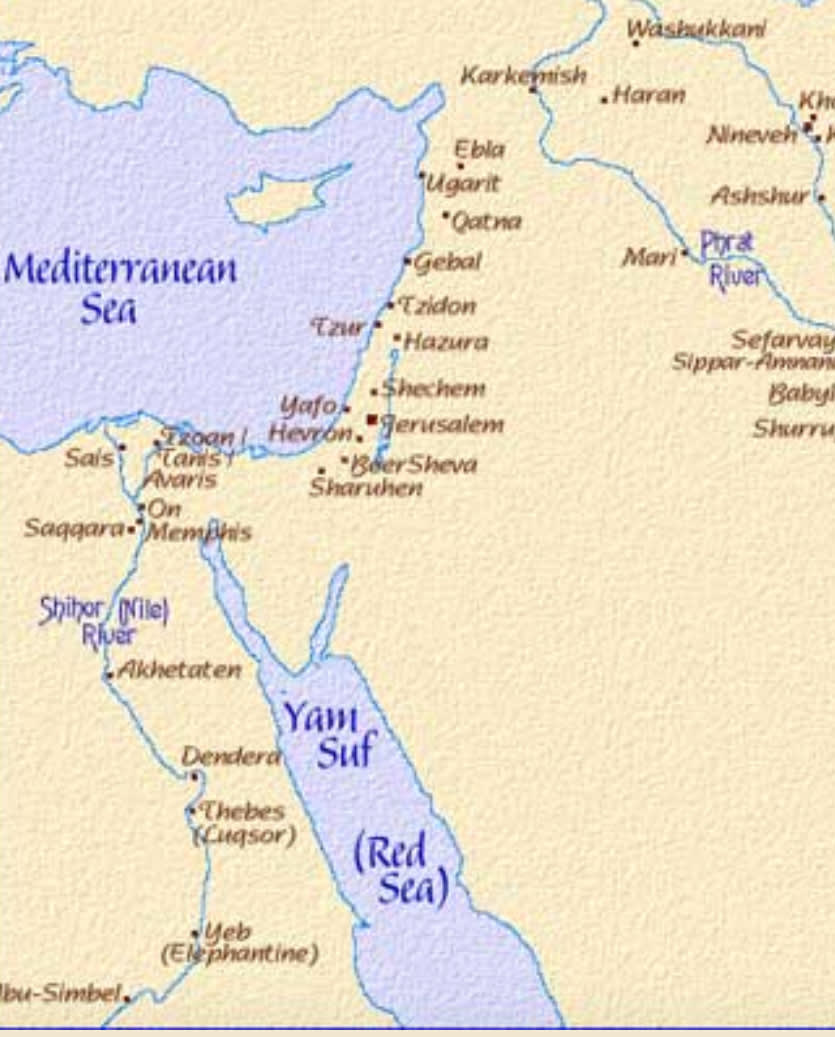
The Middle East had been on our list for years. We tried once already, a cruise in 2016 that was meant to call at Alexandria until trouble in Egypt cancelled the stop; we planned again, and then COVID shut the door on travel altogether. So Janice spent months putting together a trip built around the culture and the history of what gets called the cradle of civilization.
Getting there was its own adventure. Janice's Delta miles, just past the two million mark, put us in first and business class to Cairo, the one catch being that we could only make it work flying out of Los Angeles. What is an extra seven hours each way among friends? The long leg from Los Angeles to London was Virgin Atlantic's Upper Class, a seat that folds down into a real bed with a mattress pad and even a set of pajamas; Richard Branson does it right. Air France carried us on from there, and we landed in Cairo at midnight for a few hours of sleep and a glorious shower before a morning flight to Amman. The drive around the Cairo airport may be the most chaotic we have ever seen; even our seasoned driver had to duck and weave to get us to the terminal.
At security we got our first lesson in how things are done in this part of the world. The men had their own "men only" screening lines, sweeping through with their sons while the women and girls were left to sort themselves out. One French woman, watching the arrangement, came very near to combustion. Welcome, we thought, to a corner of the world that does things its own way. The flight itself, an hour on Royal Jordanian, brought back the travel of years ago, a proper breakfast served and cleared in that short hop, and then the gleaming modern airport at Amman.
Jordan, and meeting Hasan. Janice had arranged a private tour. After a fixer sped us through the visa line, we met Hasan, our guide for the next three days, a man who has been doing this for more than twenty years. His stories made the whole of Jordan, and we will be quoting him often as we go.
Jerash, the Roman city. Our first stop was the ruins at Jerash. People have lived in this valley since the Neolithic, some nine and a half thousand years ago, and nearby Amman holds Ain Ghazal, one of the oldest settlements known to us, famous for some of the earliest large human statues ever made. The city itself is more argument than settled fact: Greek inscriptions credit Alexander the Great and his general Perdiccas with planting aged Macedonian soldiers here around 331 BC, but its old name, Antioch on the Golden River, points instead to the Seleucid king Antiochus IV, while still others hand the honor to Ptolemy II of Egypt. What is certain is that Pompey came through in 63 BC, made it Roman, and folded it into the Decapolis, the loose league of ten Greco-Roman cities; in 106 AD it joined the new province of Arabia alongside Philadelphia, which is today's Amman, along with Petra and Bostra. Under Rome it grew rich and built in the grand style.
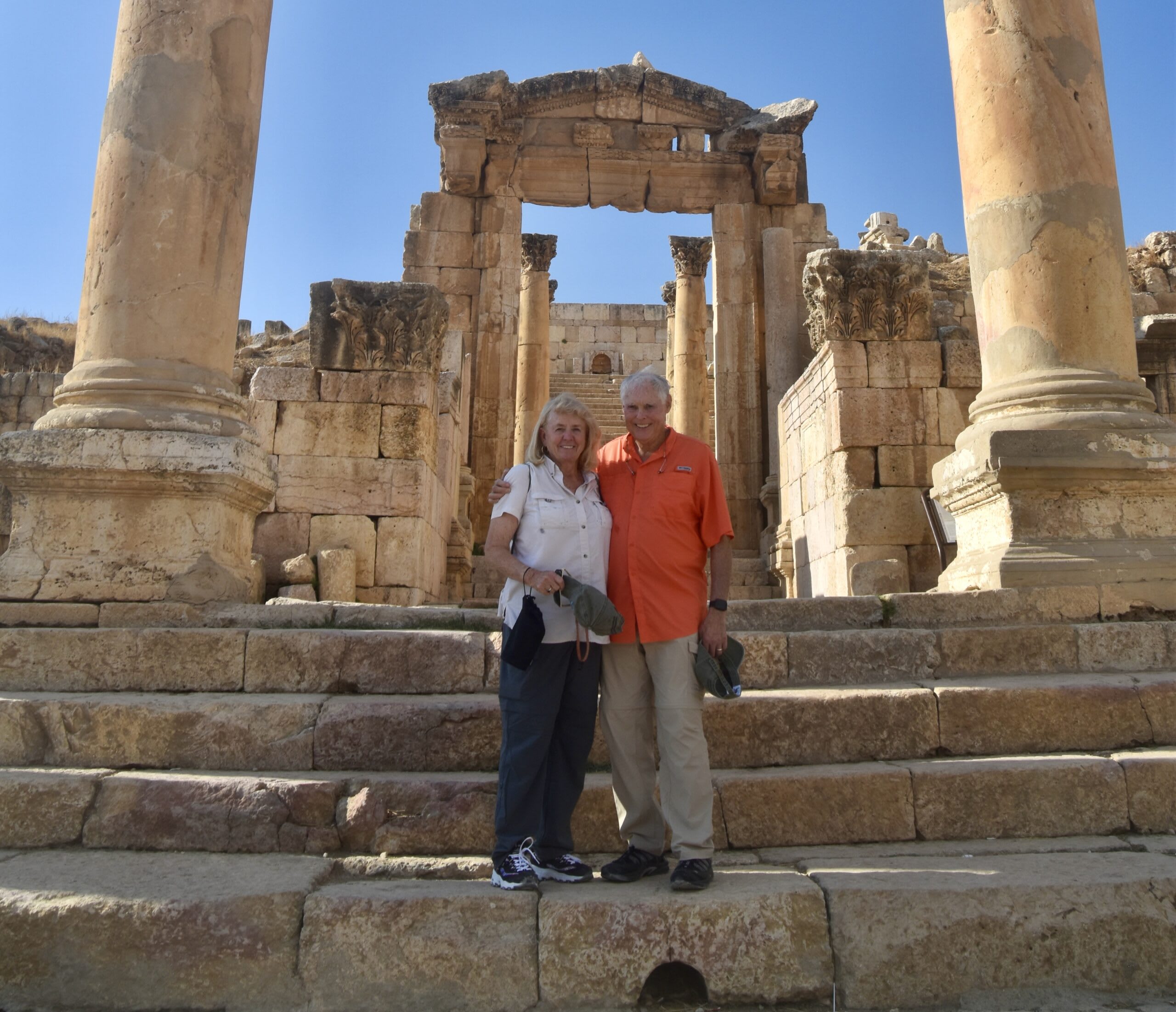
Our guide for the day was Amad, born and raised nearby and a walking encyclopedia of the place. We entered through the south gate, by the great hippodrome where the chariots once raced, and walked down the colonnaded main street where the shops and temples once stood.
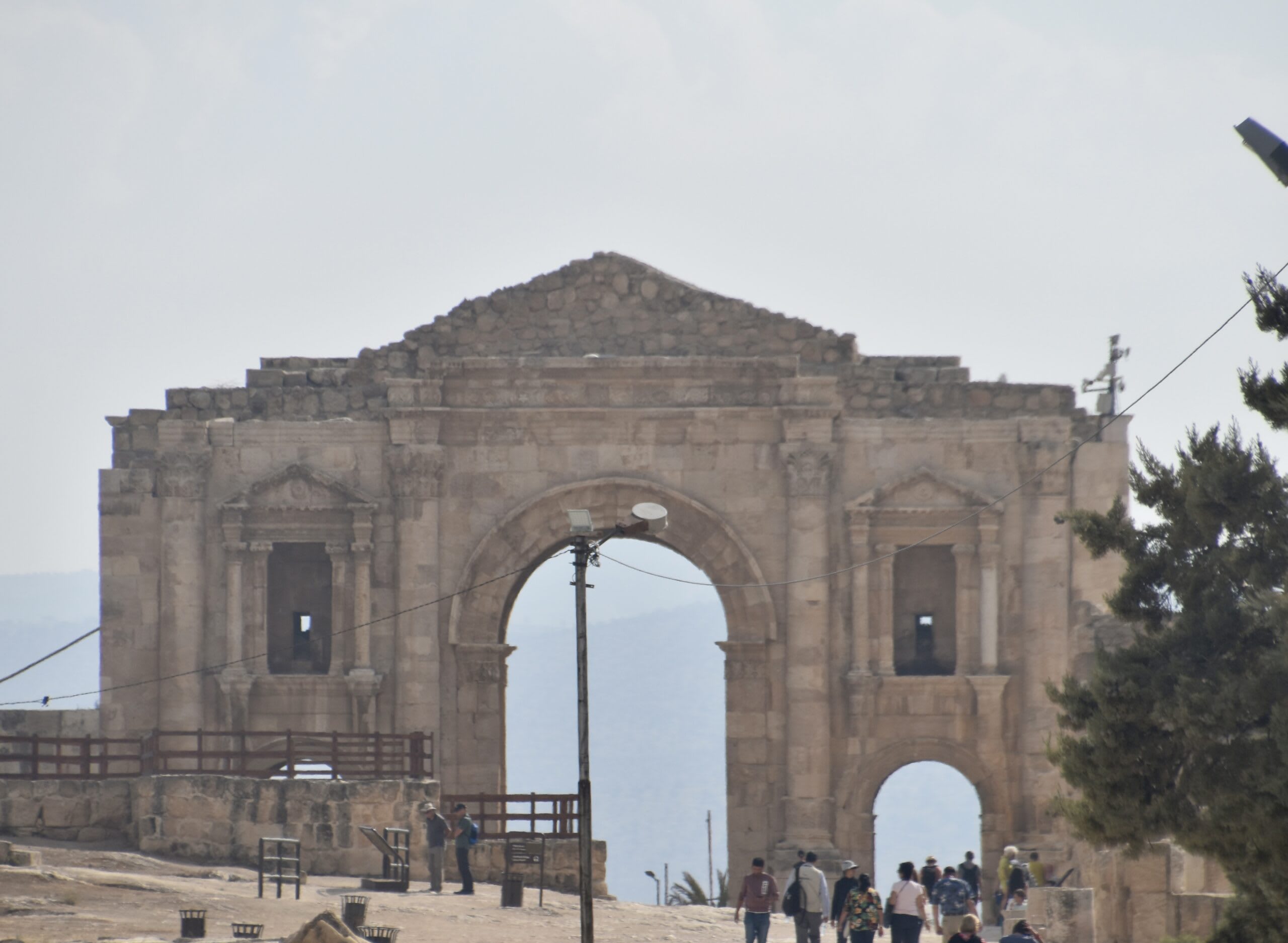
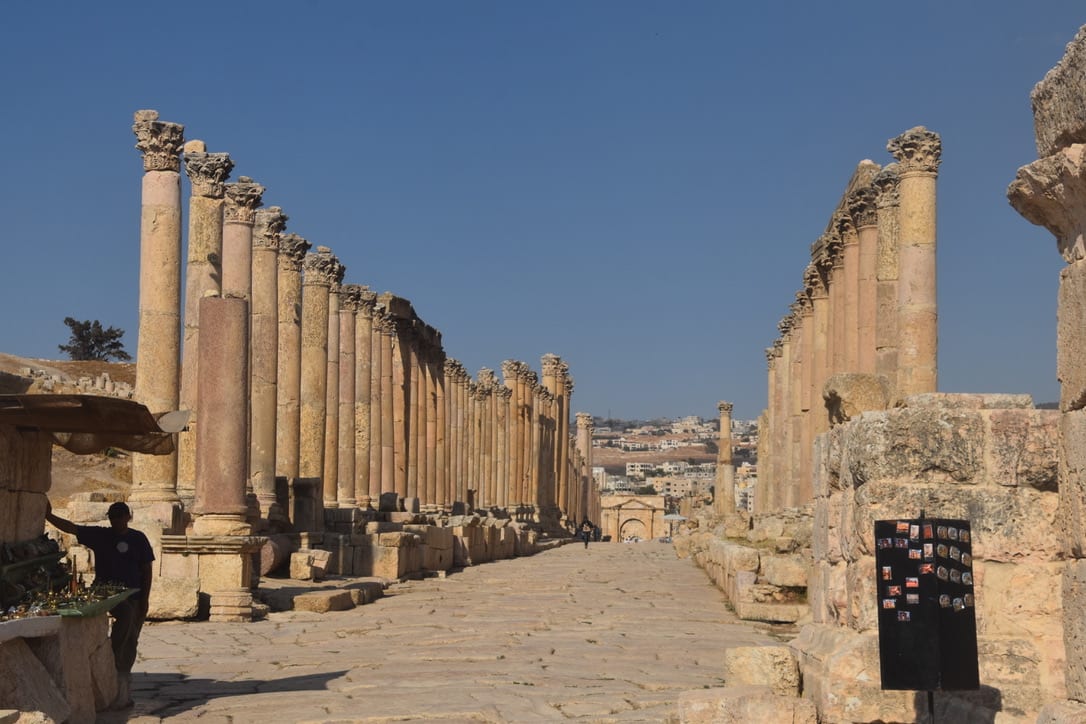
Much of what you see toppled in the great earthquake of 749, with a later quake in 1927 finishing some of the job. By then a village had grown up among the ruins, its people living in the old Roman buildings as houses and markets, until the site was cleared for excavation in the 1920s. The carving is everywhere and exquisite, the same Roman hand you find across the empire.
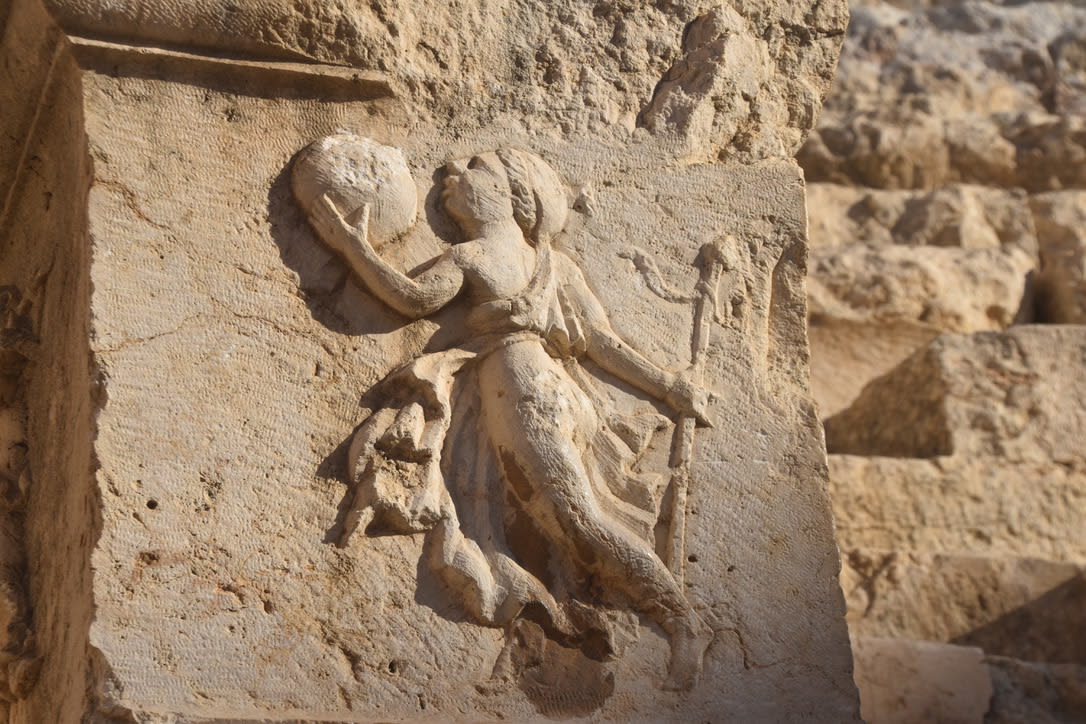
At the theater Amad showed us a spot on the floor where an ordinary speaking voice carries clear to the farthest seat, as if you were holding a microphone. The acoustics are astonishing.
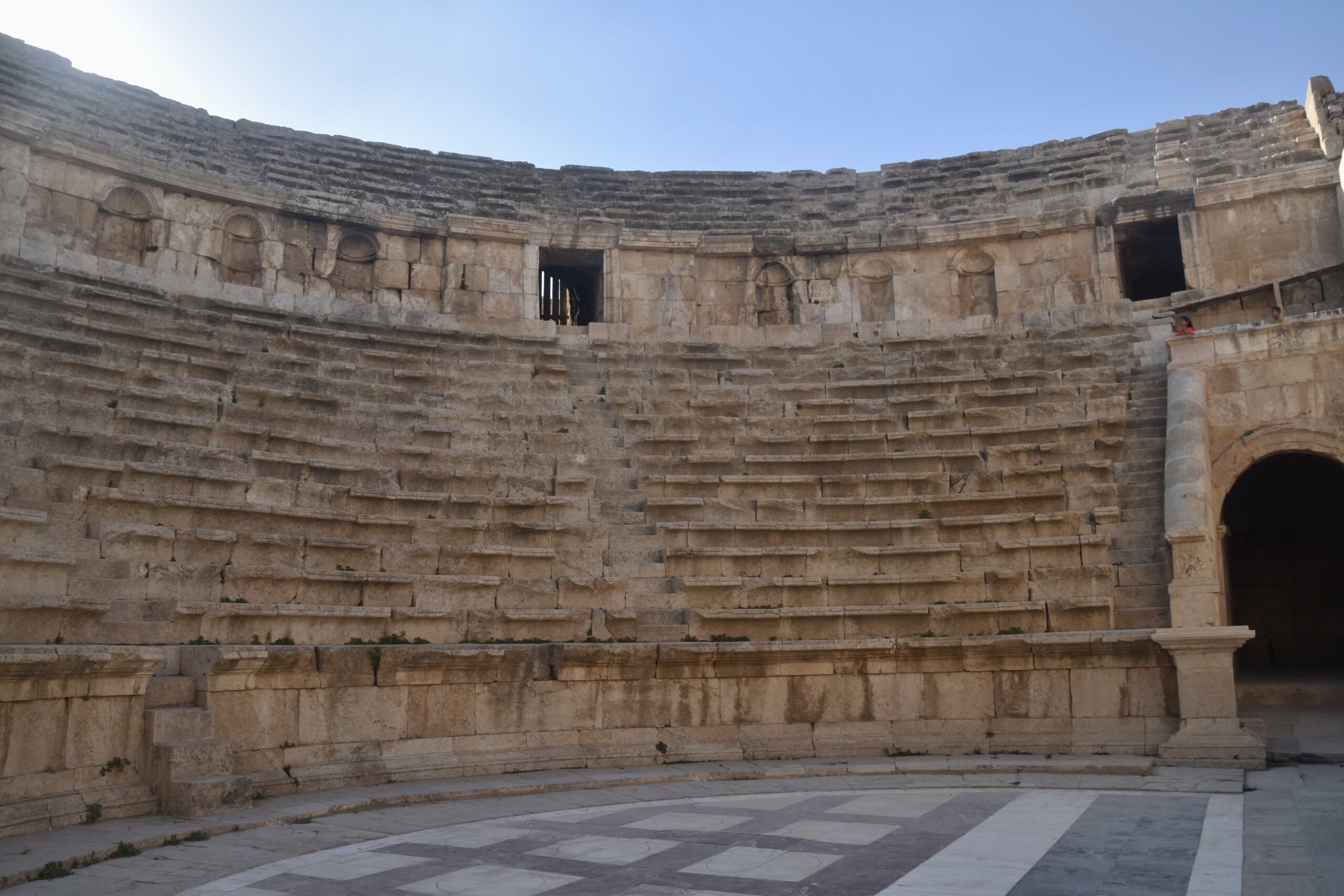
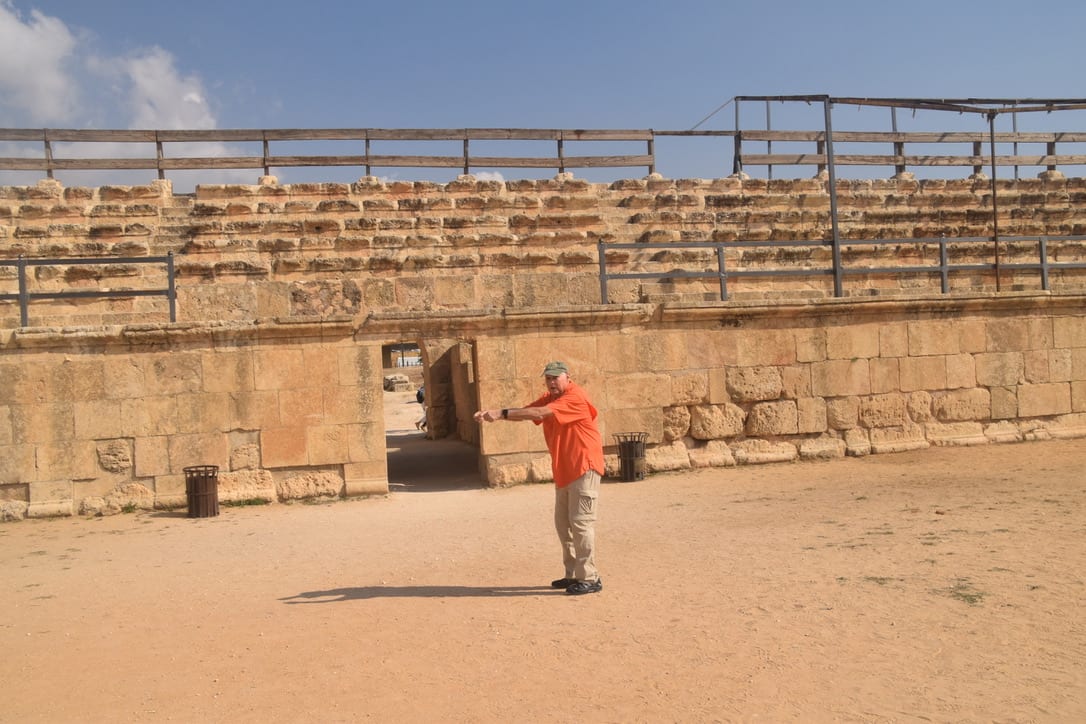
A word on its standing. Jerash is often called the Pompeii of the East, one of the best-preserved Roman provincial cities anywhere, and yet it has never been named a UNESCO World Heritage Site, only set on the waiting list, which rankles the people who love it. The reason they are given is that there are many sites like it across Asia and Europe; having now walked it, we would argue there are very few so complete. We stopped to watch a man pour colored sand into bottles to make pictures, a real craft, and he swore we would see it nowhere else on earth, ten thousand dollars if we did. We found half a dozen others doing the very same thing before we left Jordan. On our way out we passed the hippodrome, where until COVID they ran chariot demonstrations twice a day, and John did his best to look the part.
Amad left us with a line we have kept: "There are two kinds of silence, the silence of fear and the silence of knowledge."
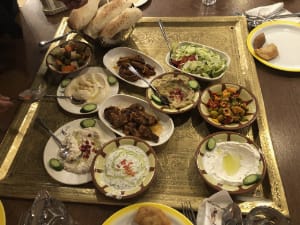
Amman, dinner, and the Dead Sea. Hasan took us to an early dinner at one of his favorites in Amman, a place called Don Quijote, wanting us to have the kind of spread a family lays on for a wedding or a holiday. He lit a shisha the moment we sat down, a man coming round to pack the water pipe with fruit tobacco and set the coals on top; the smoke smelled of fruit, and we did not mind it at all. He ordered everything, lamb and chicken, pita, hummus, a whole parade of dips, a real Jordanian feast. The men were served first, and as the guest, John had his plate done for him, the chicken pulled off the bone, the meat cut, even his banana peeled and sliced into bites for dessert. Janice's plate was simply set down for her to manage on her own. The local way again, and we had to laugh.
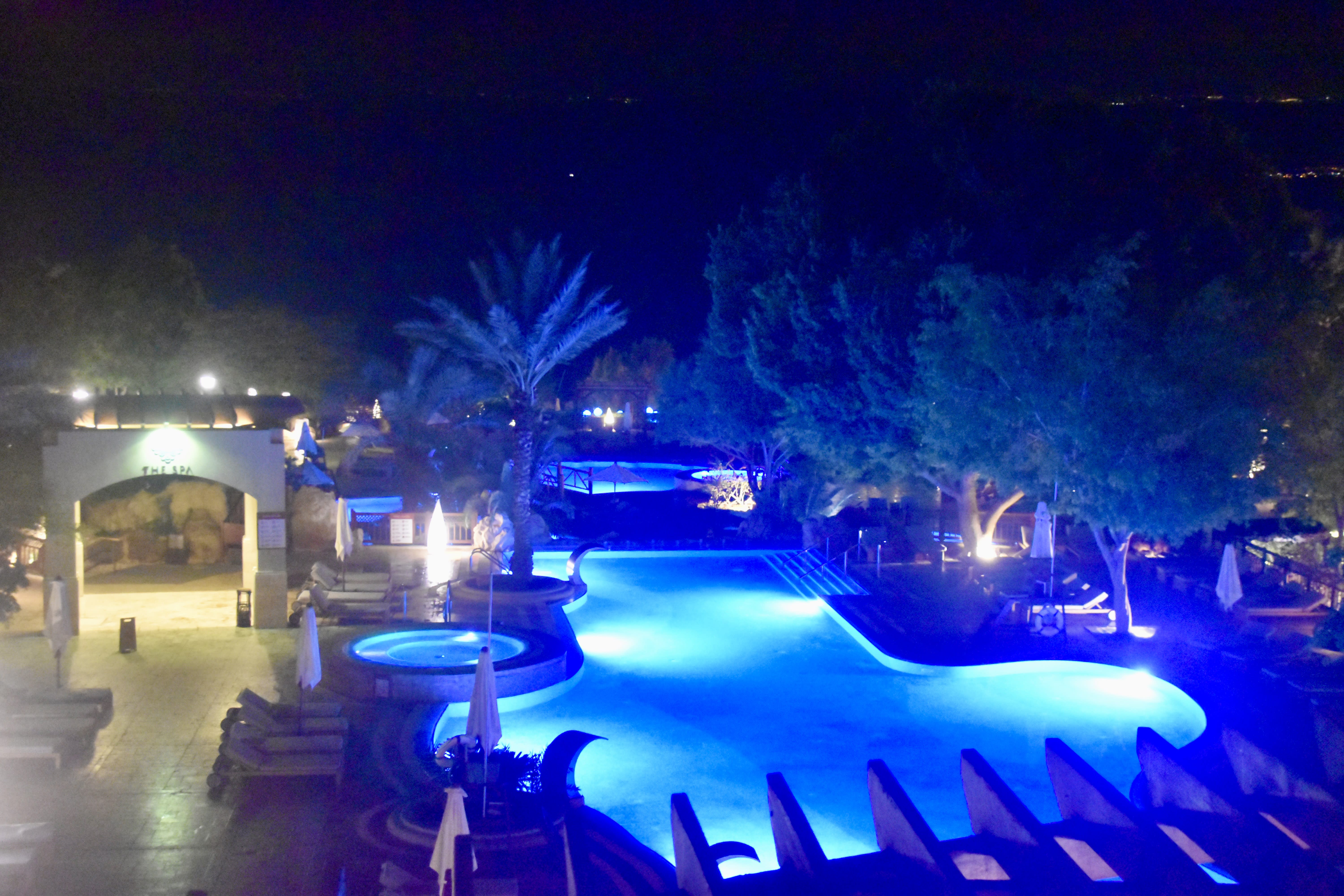
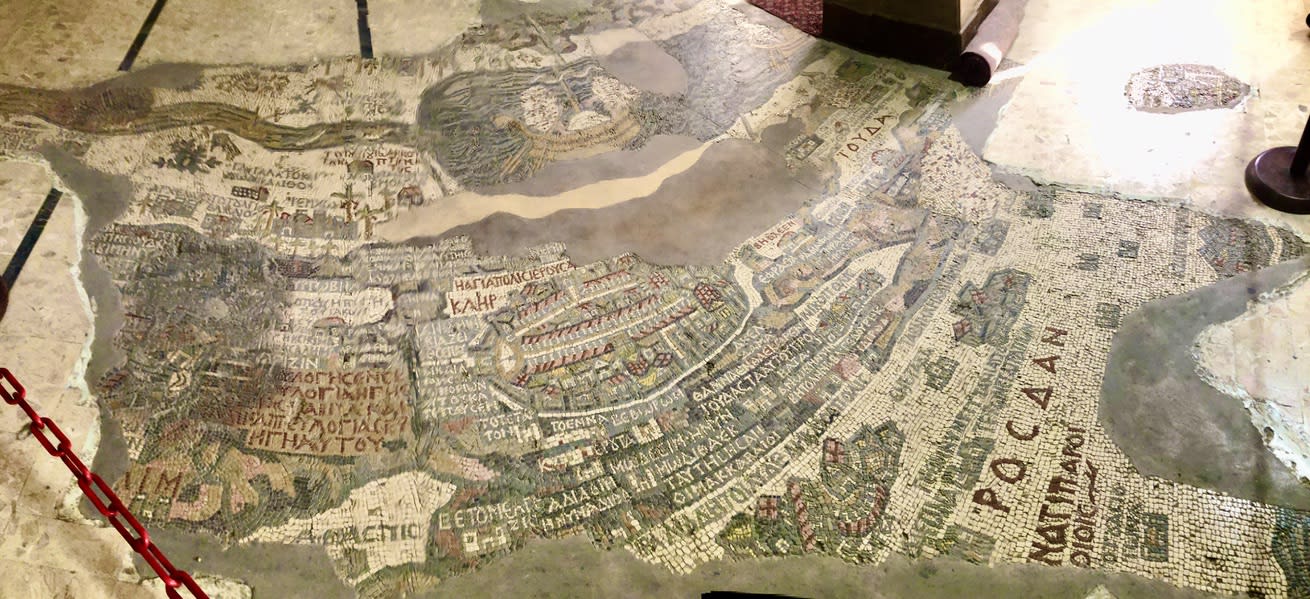
From there we drove down to the Dead Sea and the Marriott on its shore. From our balcony, the lights glimmering across the water were Israel. Our schedule did not leave time for the pools or the famous float, but the room was lovely and the view unforgettable. In the morning we would set out for Madaba and its churches and mosaics, and up to Mount Nebo, where Moses is said to have looked out over the promised land.