Dateline December 4, 2022, Cairo, the Egyptian Museum and the Coptic Churches
Our last full day in Egypt we spent in Cairo with Sam, who by now was a friend. He collected us about half past eight on a Sunday morning, and even on a Sunday the Cairo traffic was its usual cheerful madness. Ahead of us lay the Egyptian Museum and the old Christian quarter of the city.
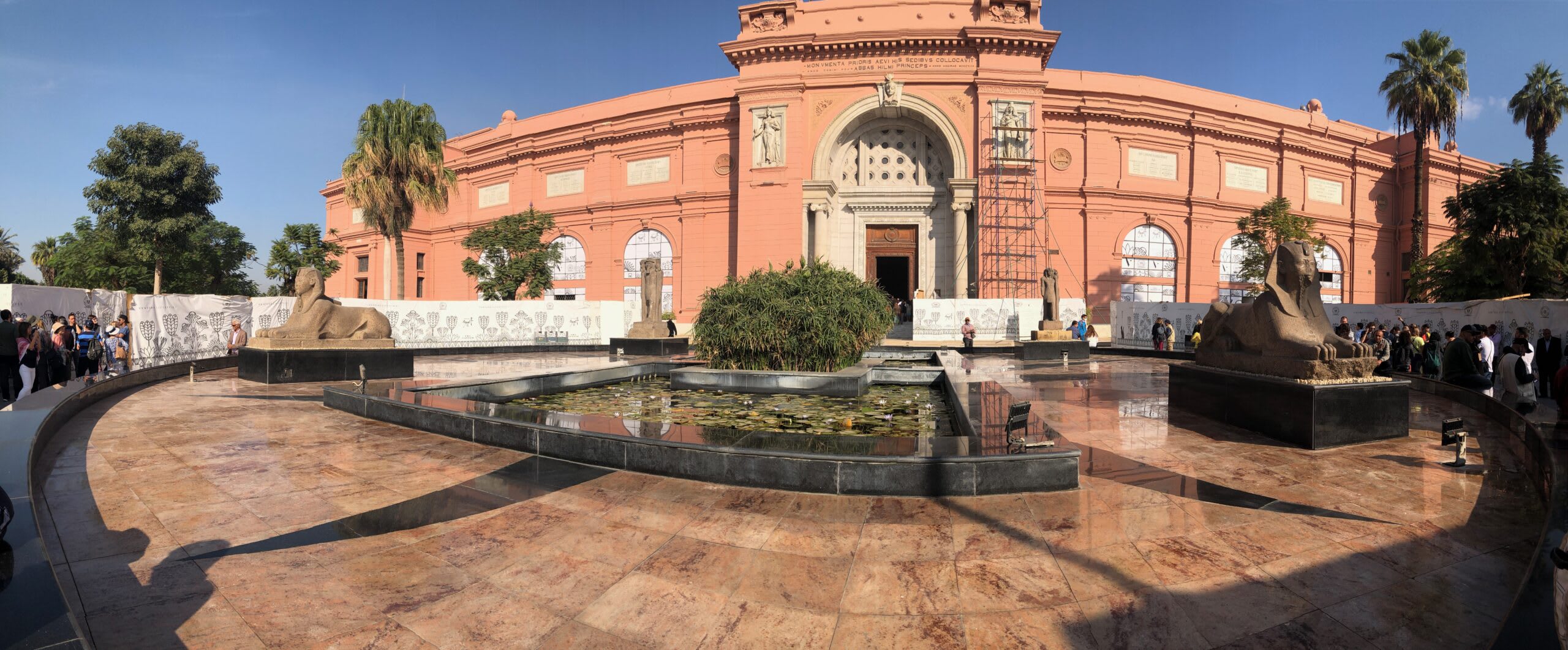
The Egyptian Museum. The Museum of Egyptian Antiquities is an education in itself, more than anyone could take in or remember. A vast new home for it, the Grand Egyptian Museum, was rising out near the pyramids, and many pieces had already gone into storage there, but the Tutankhamun rooms were still here, and we were glad of it.
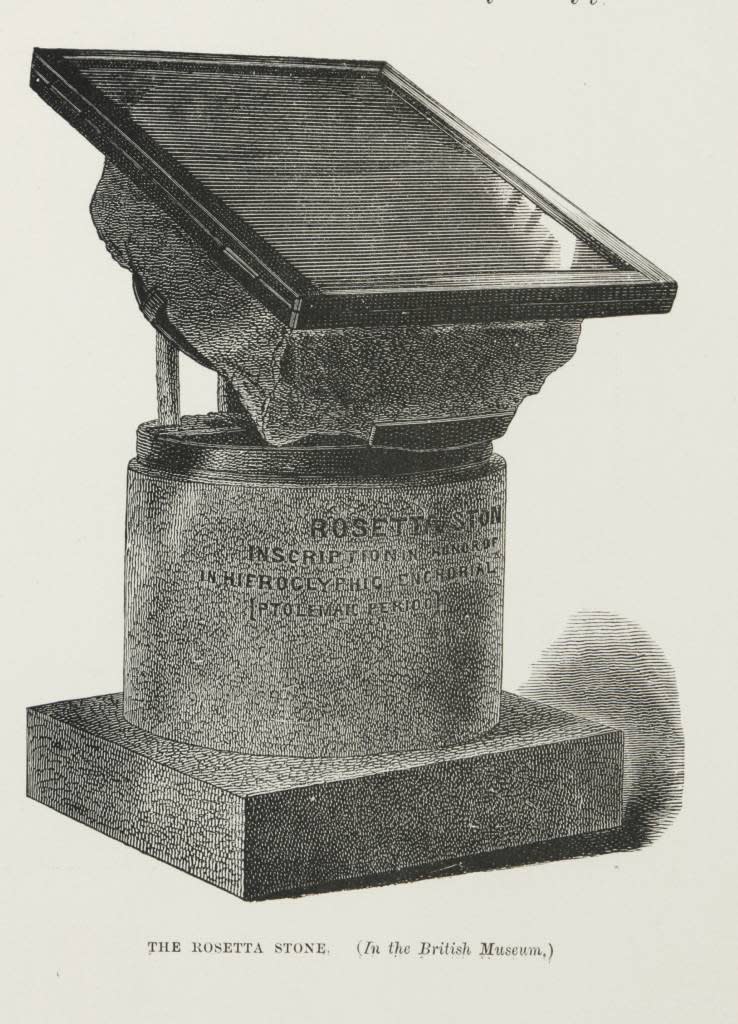
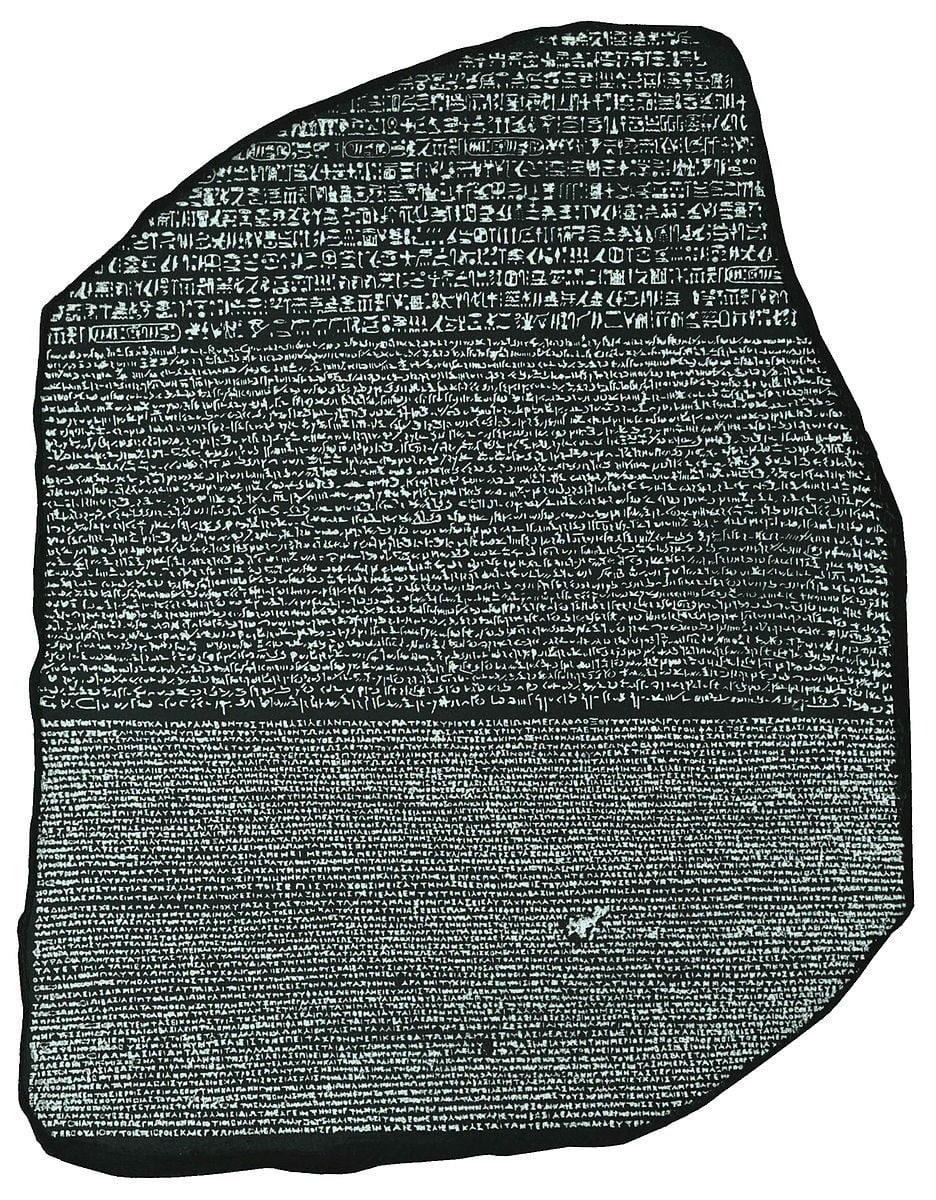
The Rosetta Stone. Near the entrance stands a copy of the most important stone ever turned up in Egypt; the original has been in the British Museum since the early eighteen hundreds. Soldiers in Napoleon's army found it in 1799 while digging near the town of Rosetta, and it passed to the British by treaty soon after. On it the same decree, in honor of the boy-king Ptolemy V in 196 BC, is cut three times over, in hieroglyphics, in the everyday Egyptian script, and in Greek. Because the Greek could still be read, the stone became the key. In the 1820s a Frenchman, Champollion, working partly from his knowledge of Coptic, finally cracked the hieroglyphs, and with that the whole long story of the dynasties could at last be read off the temple walls.
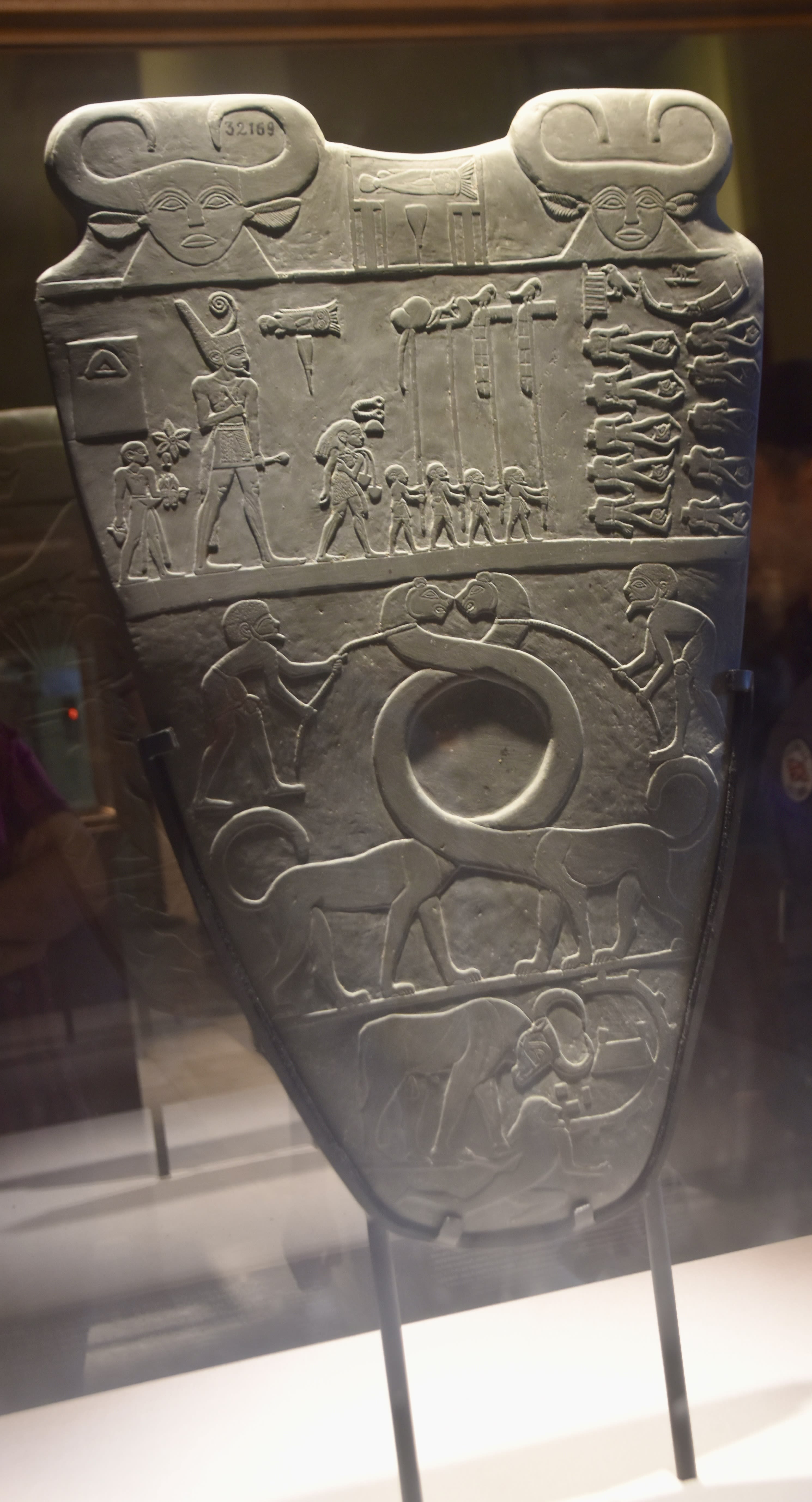
The first pharaoh. One of the oldest things in the museum is the Narmer Palette, among the earliest images we have of an Egyptian king, showing Narmer uniting Upper and Lower Egypt, the act every pharaoh after him would ritually repeat.
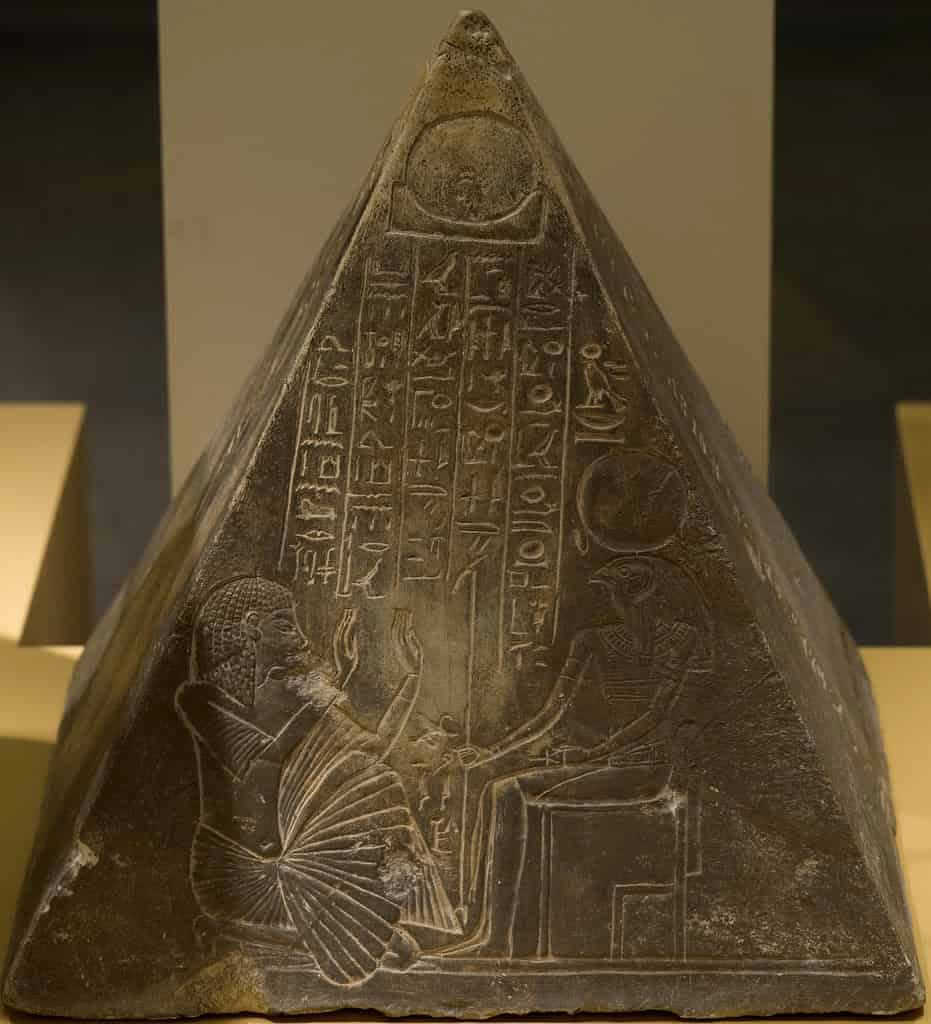
Nearby sat a Benben stone, the kind of sacred capstone set atop a pyramid or obelisk. In the old creation story of Heliopolis, it was a Benben rising out of the dark waters that the first god stood upon, and the very word is tied to the Egyptian verb "to rise."
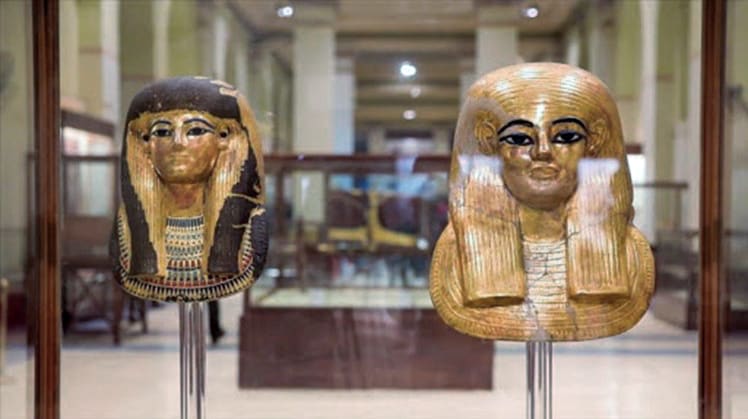
Tutankhamun's family. We had a good deal of fun sorting Tut's family into order, a royal tree as tangled as any modern one, and stretching back through dynasties that began about 3100 BC. His great-grandparents, Yuya and Tuyu, were not royal but well connected, and their gilded coffins and remarkably preserved mummies are here.
His grandfather Amenhotep III, called the Magnificent, had himself and his queen Tiye carved at the same size, a way of showing her as his equal, which in Egyptian art, where bigger meant greater, said a great deal. His father, Amenhotep IV, threw the country into turmoil: he took the name Akhenaten, swept away the old gods for the worship of a single sun-disk, the Aten, and moved the capital to a raw new city. The people hated it, and after he died the old ways came rushing back.
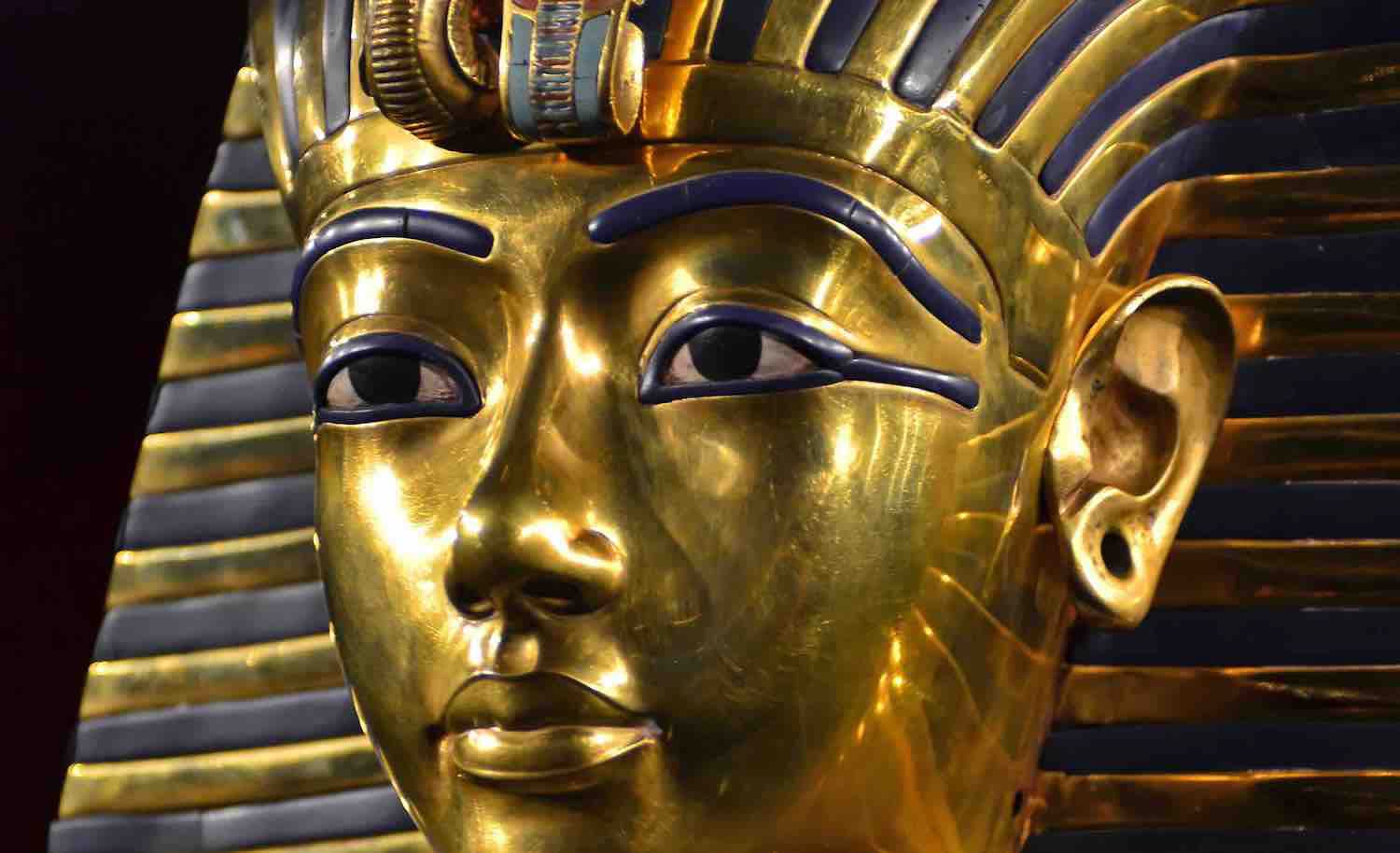
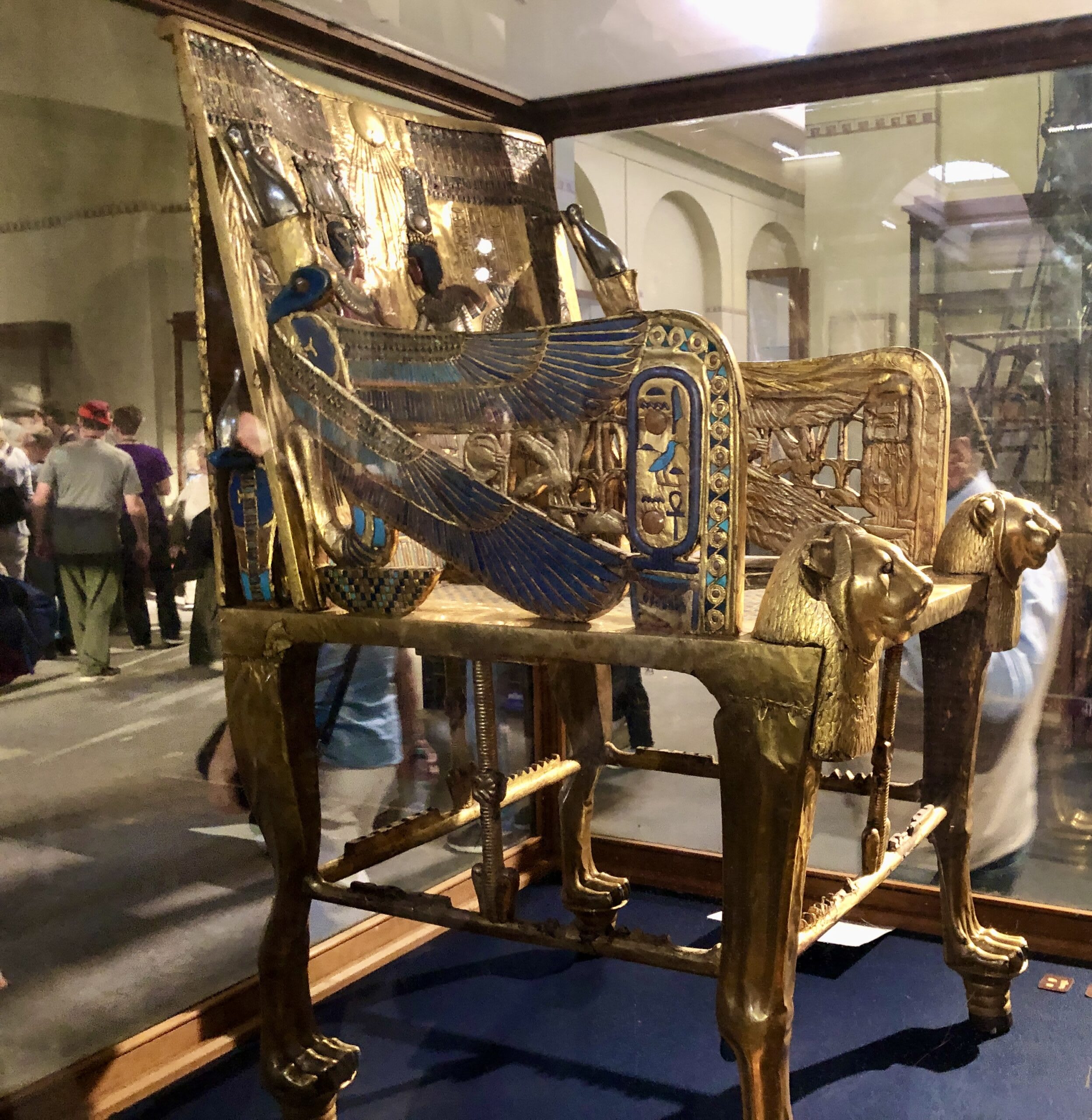
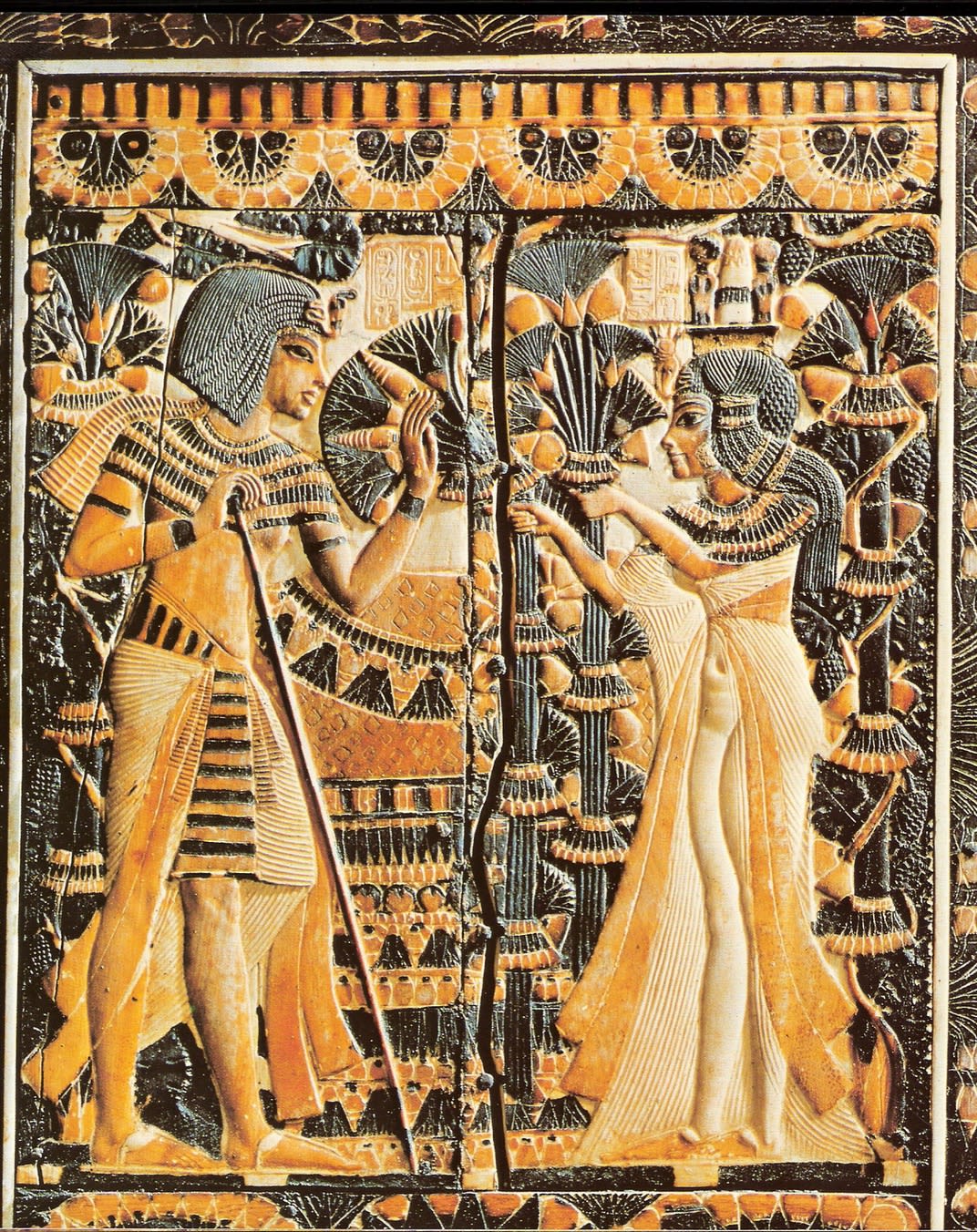
Tutankhamun. Into that wreckage came the boy-king. Howard Carter found his tomb in 1922, its entrance hidden for centuries beneath the tomb of Ramesses VI, the one royal tomb to come down to us nearly untouched by robbers, with more than five thousand objects packed inside. His reign was short and, by all accounts, unremarkable; he is famous only because his tomb survived. We were not allowed a single photograph in the Tutankhamun rooms, a rule firmly enforced.
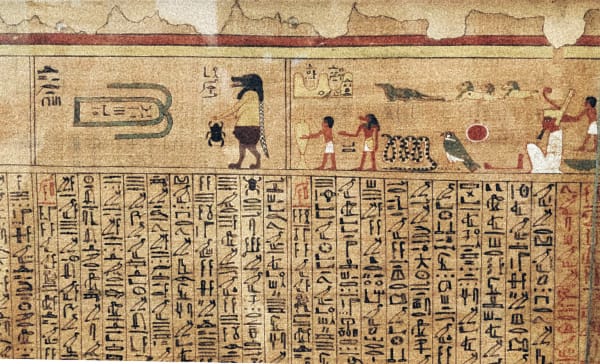
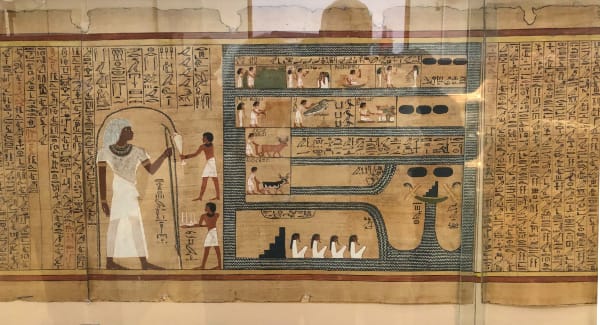
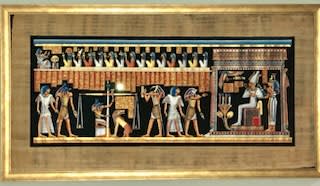
Papyrus. On the stairways between floors were lengths of papyrus, the reed-paper of the ancients, some of it three to five thousand years old. We bought a painting done on papyrus that hangs in our dining room now.
The Christian churches of Cairo. From the museum we drove to Coptic Cairo, and here the history turns to our own faith, which we found we knew far too little about. The word Coptic simply means Egyptian. By the Coptic tradition, the apostle Mark, one of the seventy and the writer of the second Gospel, brought the faith to Alexandria around the year 60 and founded what the Copts call the See of St. Mark, reckoned among the earliest of the apostolic sees alongside Jerusalem, Antioch, and Rome. He ordained a first bishop there, went on to Rome, where he stayed until Peter and Paul were martyred in 64, and on his return was himself dragged to his death in Alexandria in 68. The Church he planted grew until, by about the year 700, Egypt was almost wholly Christian, and stayed so for generations, until the Arab conquest gradually turned most of the land to Islam. Today, by most counts, about a tenth of Egyptians are Christian, the great majority of them Copts.
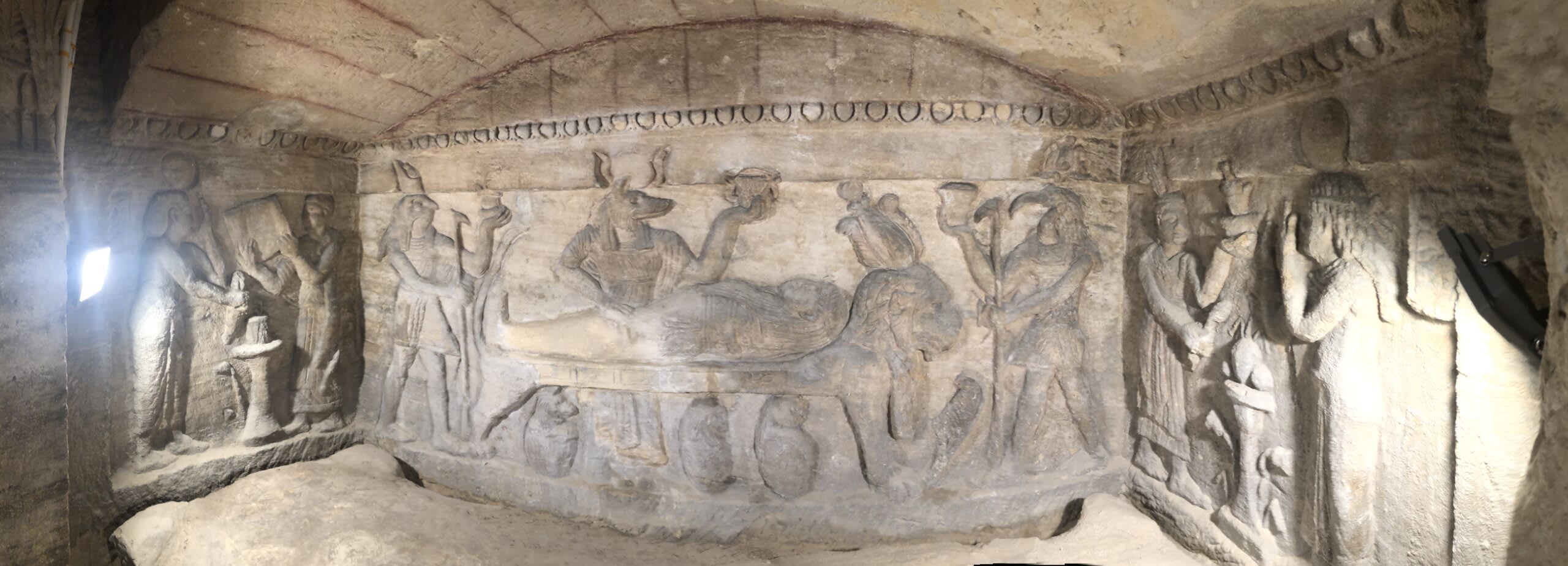
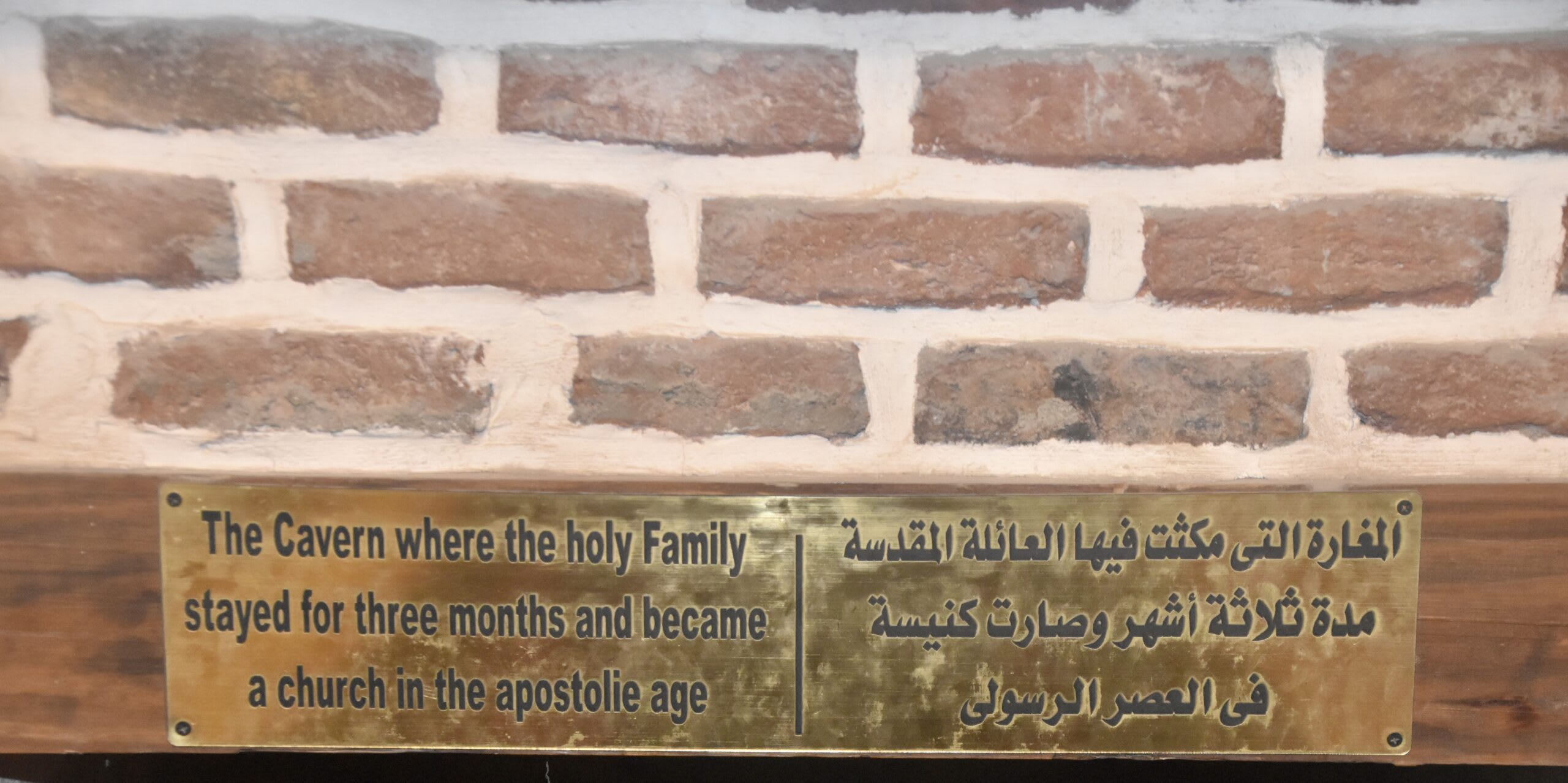
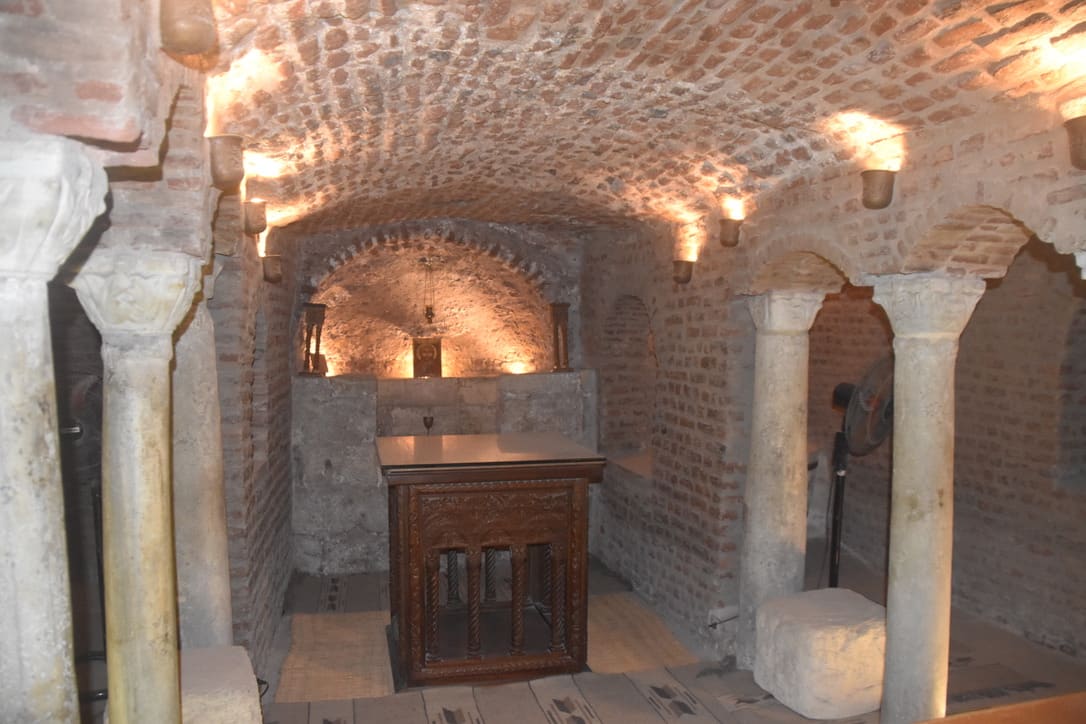
The cave church of Abu Serga. The oldest church inside the walls of Coptic Cairo is Abu Serga, built in the eleventh century on far older pillars, and named for two Roman soldiers, Sergius and Bacchus, put to death for their faith in 296. It is built over a cave, and the cave is the reason for it: as Matthew's Gospel tells, the Holy Family fled Herod into Egypt, and tradition holds that Joseph, Mary, and the infant Jesus sheltered here for some months on their long journey.
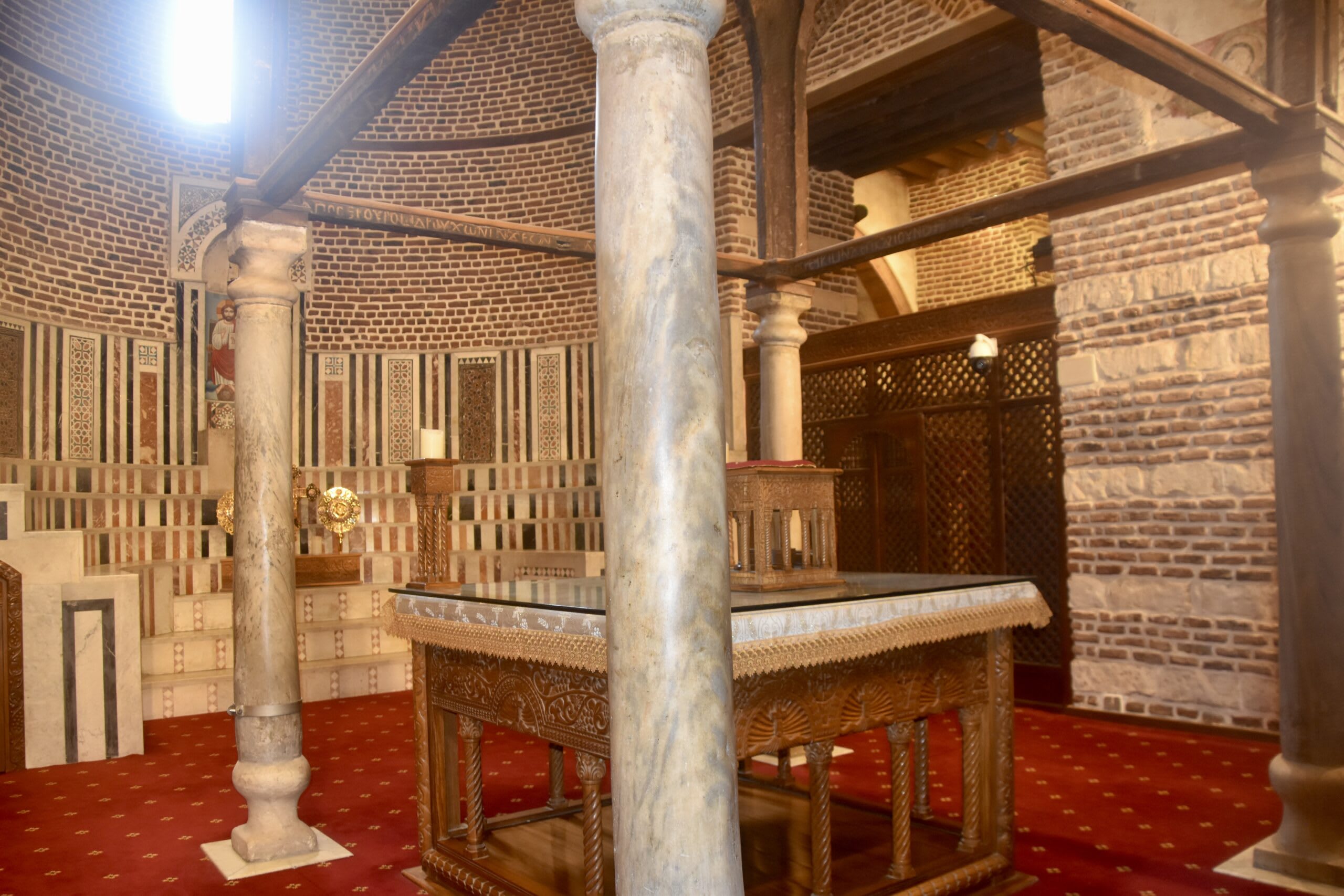
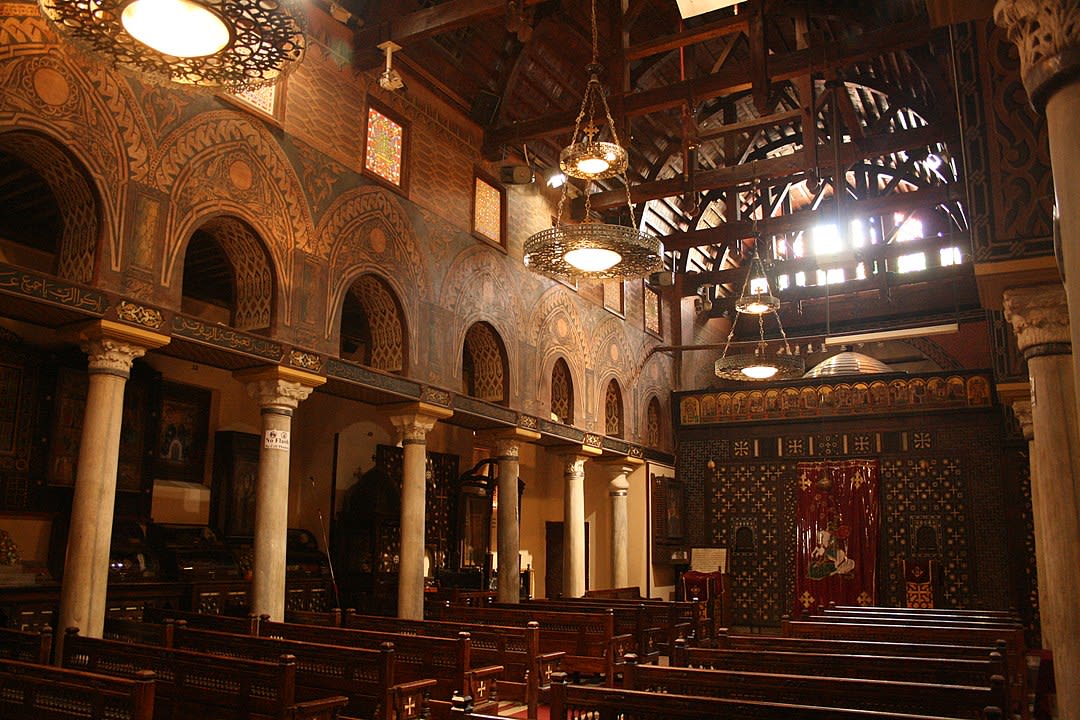
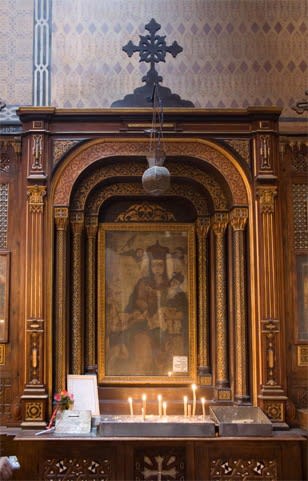
The Hanging Church. A little farther on stands Saint Virgin Mary's Coptic Orthodox Church, known to everyone as the Hanging Church, for it was raised on the old southern gate of the Roman fortress of Babylon, its nave suspended over the passage on a footing of palm logs and stone. Inside, the wooden roof is shaped like the upturned hull of Noah's ark. It has three sanctuaries, the central one for the Virgin Mary, and among its many old icons is the one they call the Coptic Mona Lisa, of Mary with the child, dating back some twelve centuries.
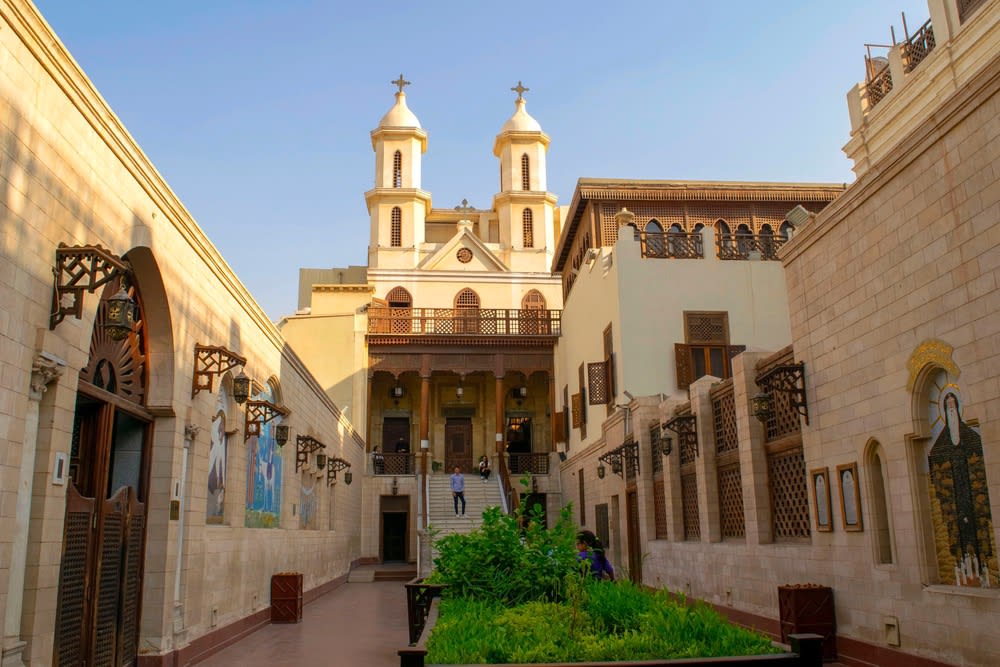
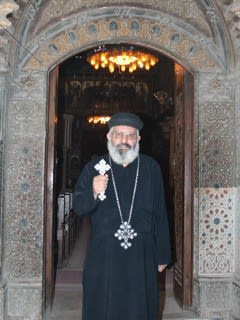
The head priest, Father Jacob Soliman, met us at the top of the stairs, spoke with us a while, gave us his blessing, and shared with us the Communion bread; we felt deeply welcomed.
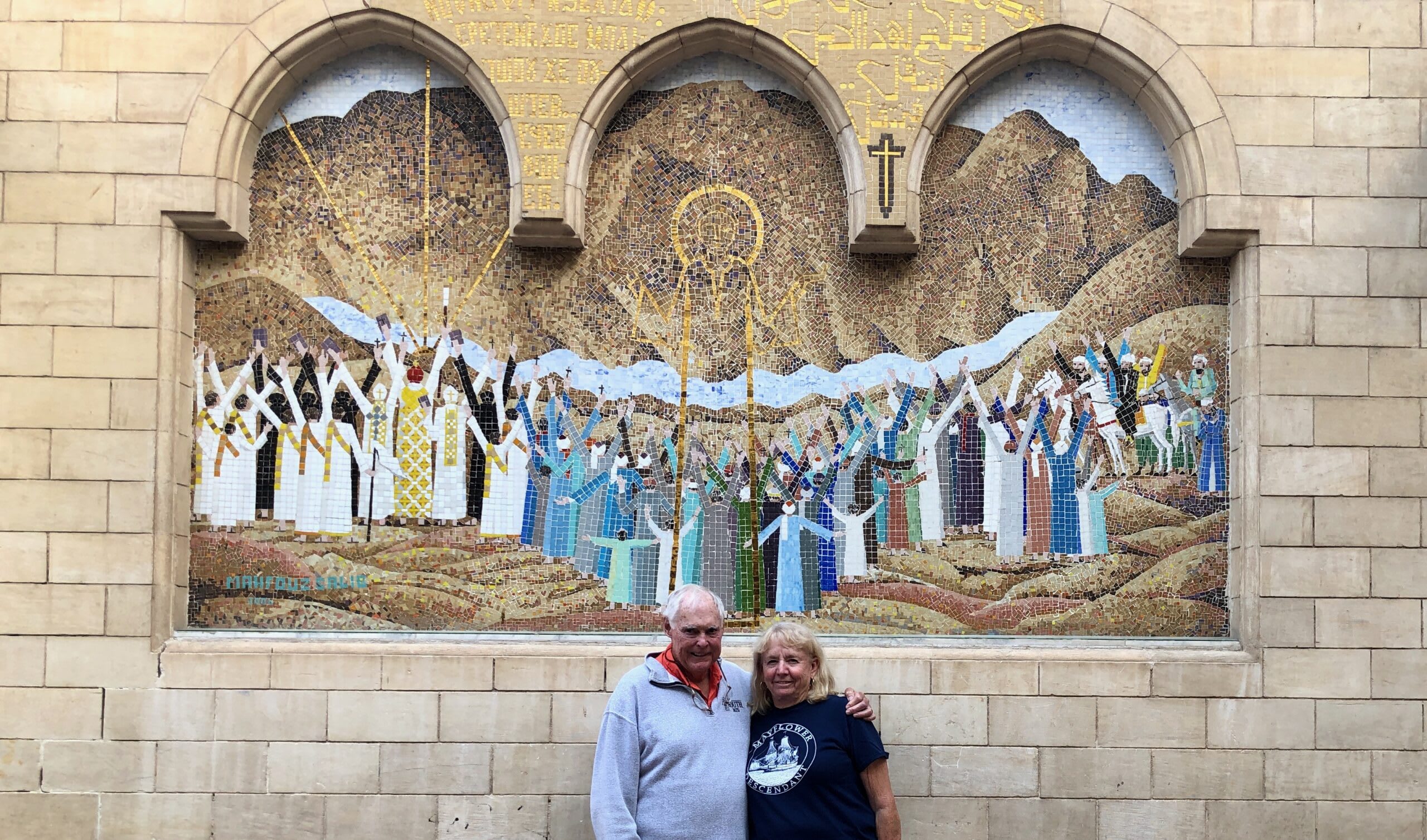
In the courtyard we had Sam take our picture before one of the frescoes.
There is more to tell about this church, something that happened to John on our first visit, weeks before, and again on this one. It was the most moving thing of the whole journey, and we have set it down on its own. It is the close of this story, and we will tell it there.
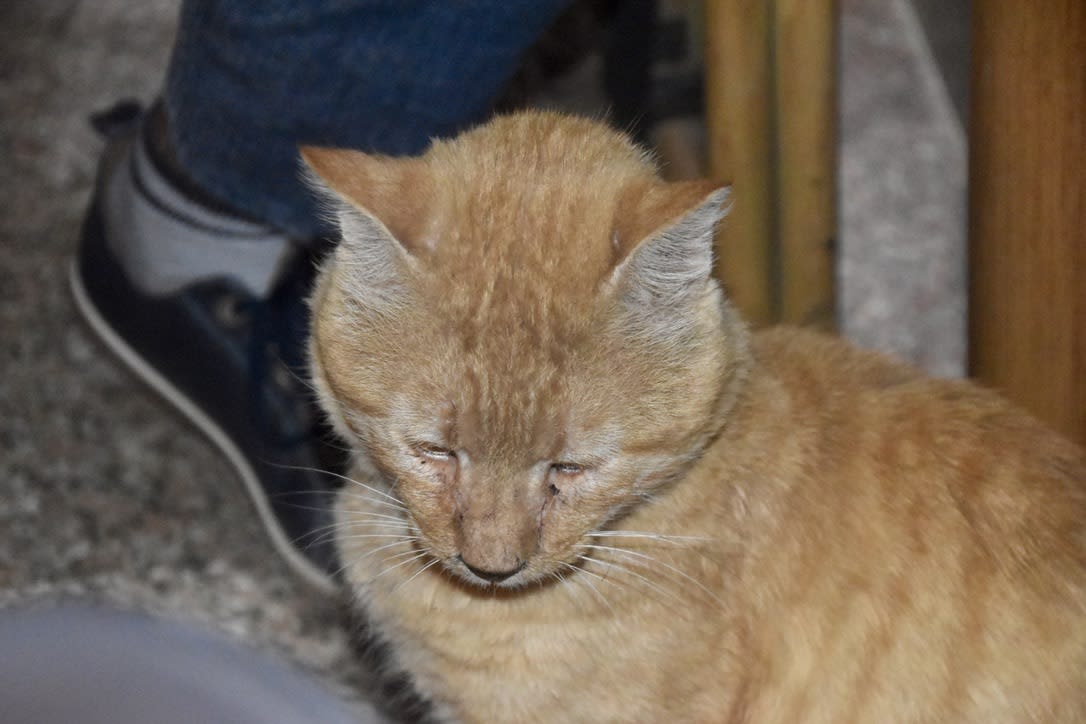
Lunch, and a cat. We took Sam to lunch at a spot he knew, and found ourselves sharing the table with the local cats, who worked out a clear pecking order over the scraps; a big red tom won the day, held his ground under our feet, and even took a swipe at Sam when he tried to shoo him off. We let him stay.
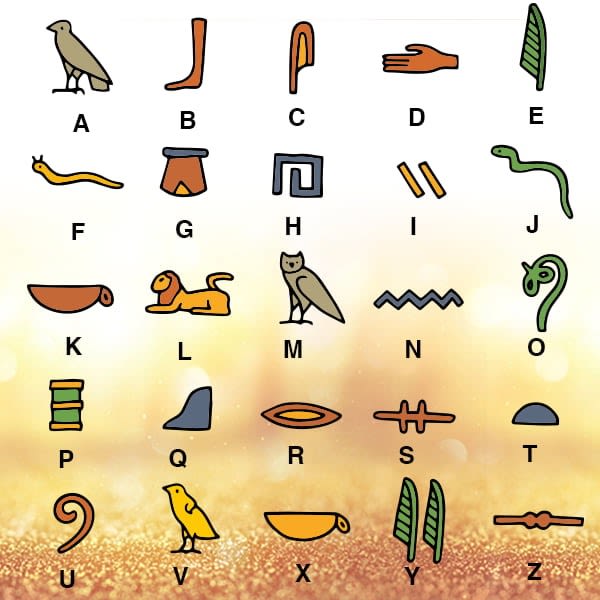
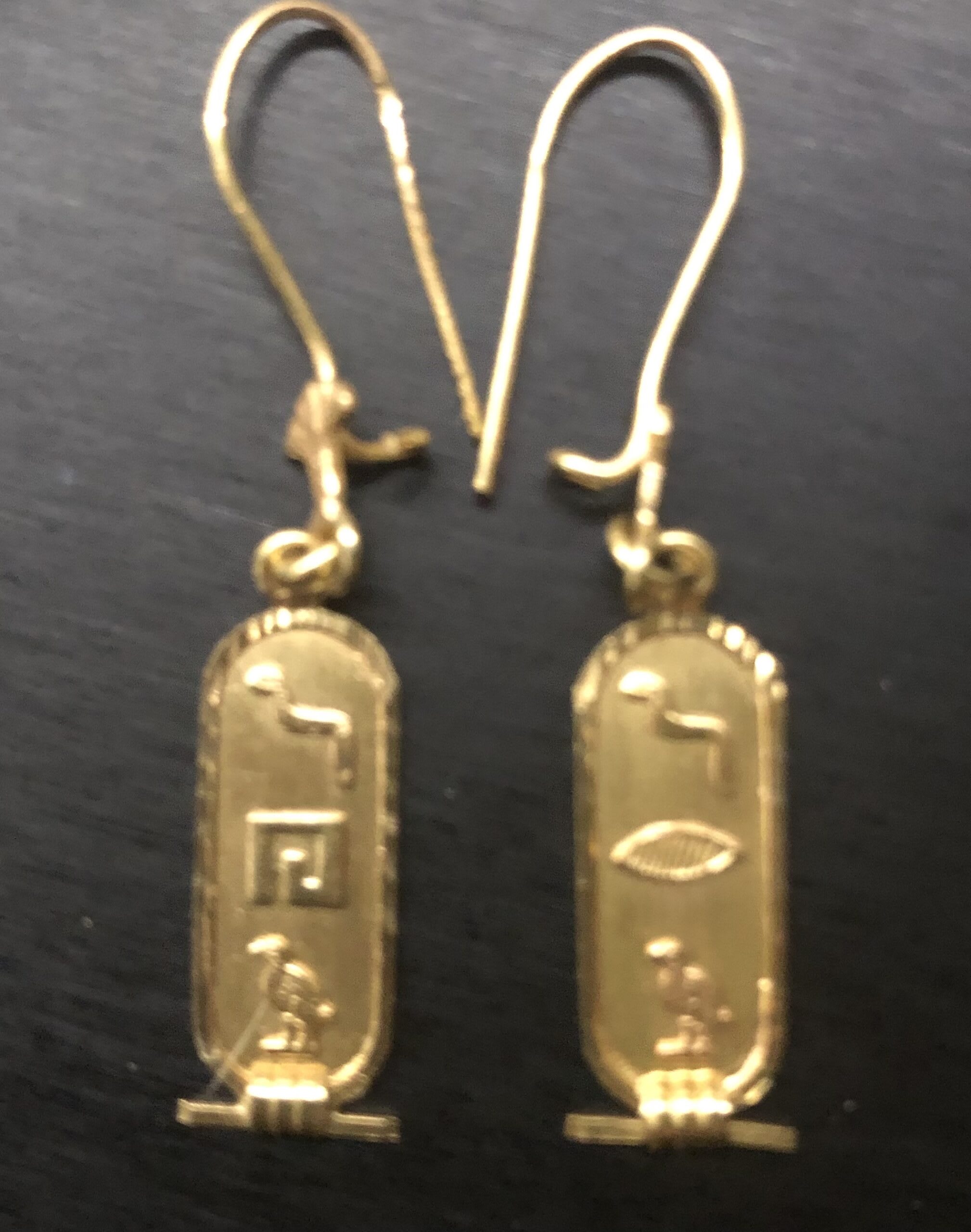
A cartouche. Sam wore a cartouche on a chain, his initials and his wife's in hieroglyphs, a gift from her; Janice admired it, and he took us to a shop where she chose a pair of earrings instead, one with John's initials and one with hers, written in the old picture-letters we had just learned to read at the Rosetta Stone.
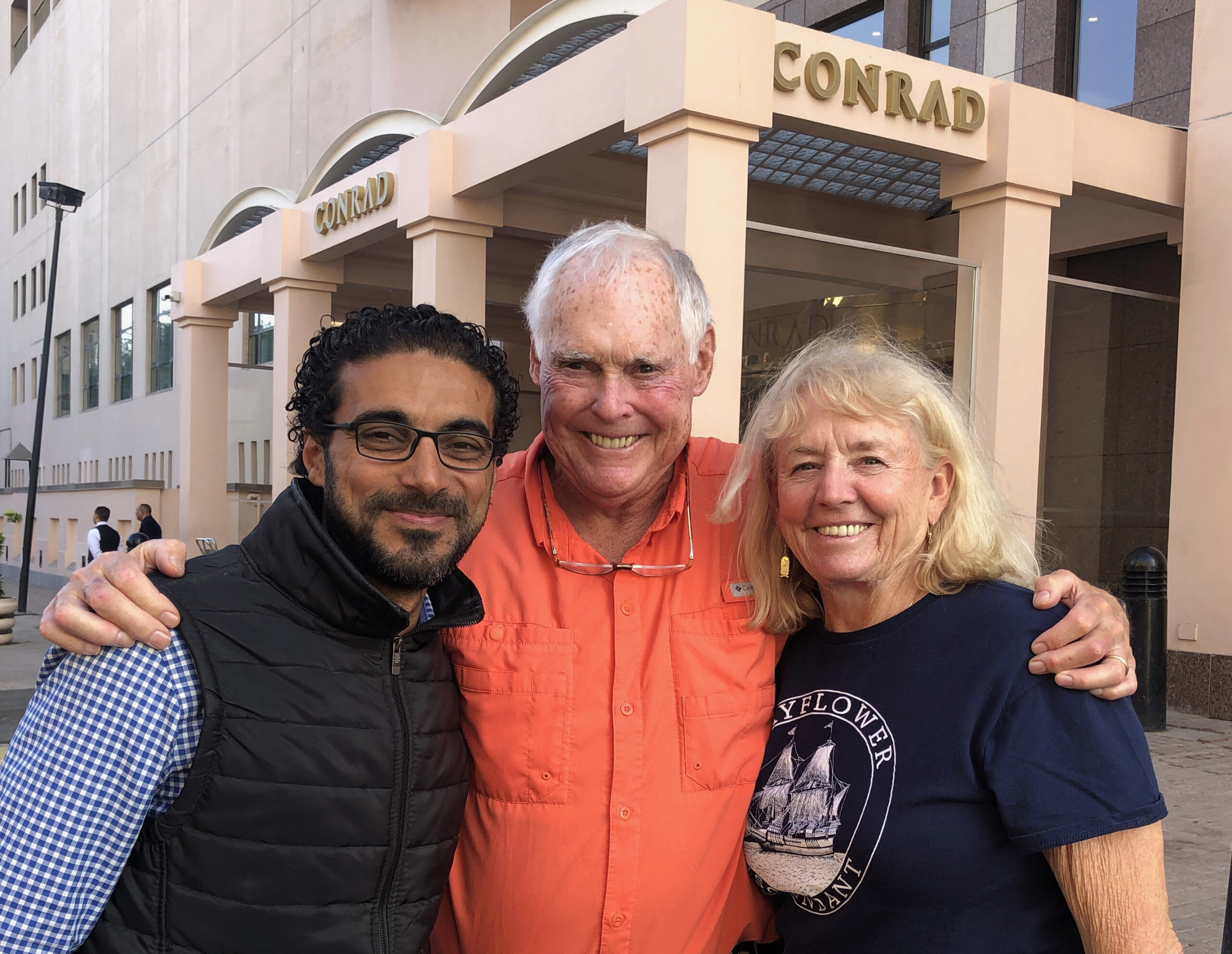
Goodbye to Sam. And then it was over. Sam dropped us at the hotel to rest before the long drive to the airport and our flight home in the small hours. We said our goodbyes and took a last picture with him, the guide who had become a friend, and to whom we owe so much of what this trip came to mean. Janice had worn her Mayflower Descendant shirt all day, and even here a stranger in the museum had stopped her to say he was one too. It is a small world.