Dateline July 1, 2012, Canada Day on Prince Edward Island
The Confederation Bridge links New Brunswick to Prince Edward Island. It was completed in 1997, replacing the ferry service that had been subsidized by the Canadian railway system for decades.
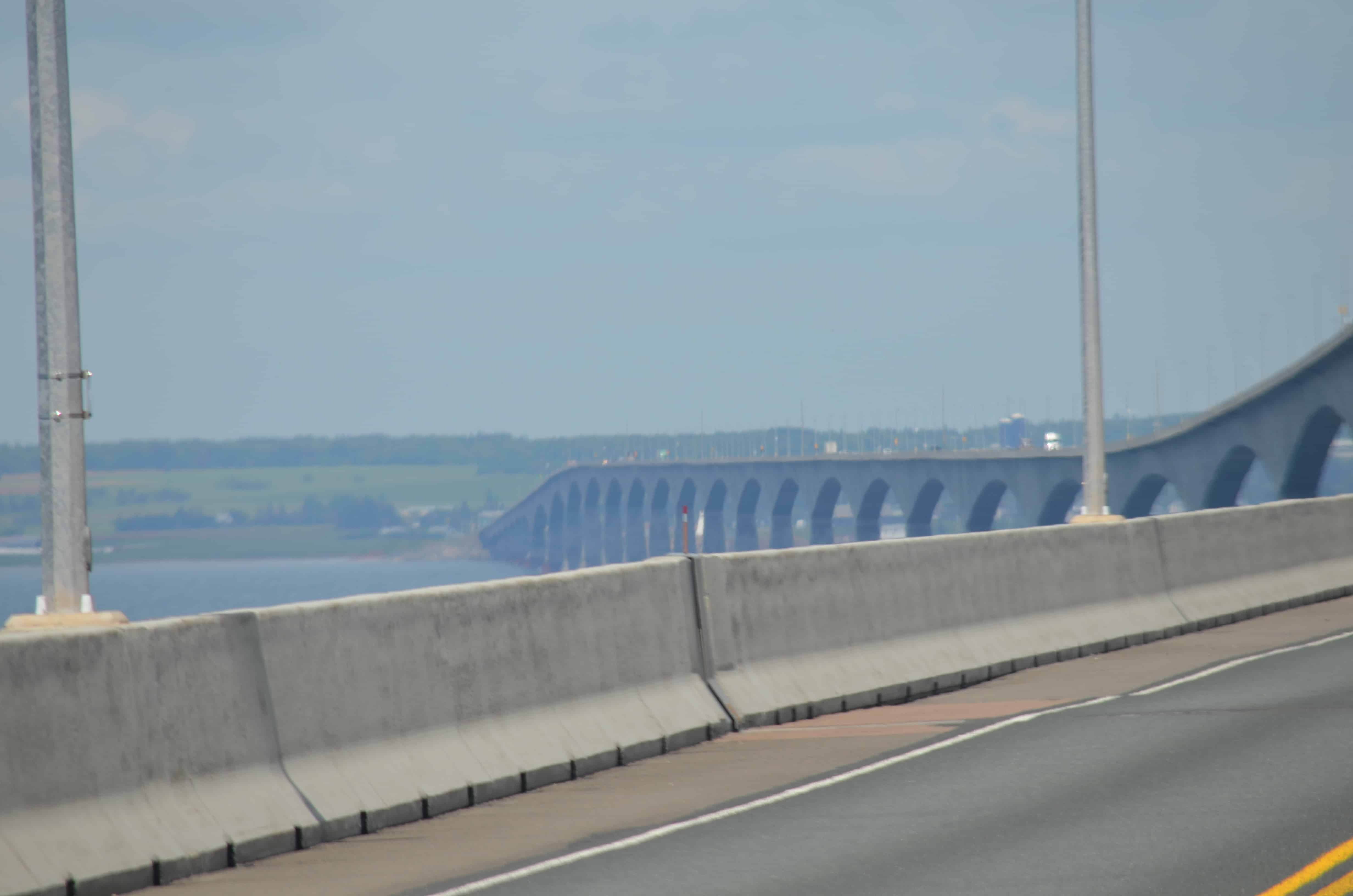
The bridge runs eight miles across the Northumberland Strait and cost about 1.3 billion dollars to build. One of the engineering challenges was the tides at the piers, which run as fast as 18 miles per hour, fast enough to move a boulder the size of a house.
We crossed the bridge and pulled into the visitor center on the PEI side, where the staff loaded us up with information on what to see and where to stay. Mid-afternoon, we picked a campground on the north-central Green Gables Shore: Crystal Beach Campground in New Annan. It worked as a base for the next few days.
In the morning we drove out to Summerside, the largest town on the western end of the island, called the North Cape, to start a tour of the coast, the lighthouses, and the small villages. One of the must-stops out there is The Bottle Houses, which is almost a post on its own. Over 25,000 reclaimed bottles, ingeniously cemented together. The whole thing was built by the late Édouard T. Arsenault. He started the project after his daughter sent him a postcard of a glass castle she had visited on Vancouver Island, back in 1979. That summer he started collecting bottles from his community, mostly from a local restaurant, the community dance halls, friends, relatives, and neighbors. In the spring of 1980, at age 66, he began building.
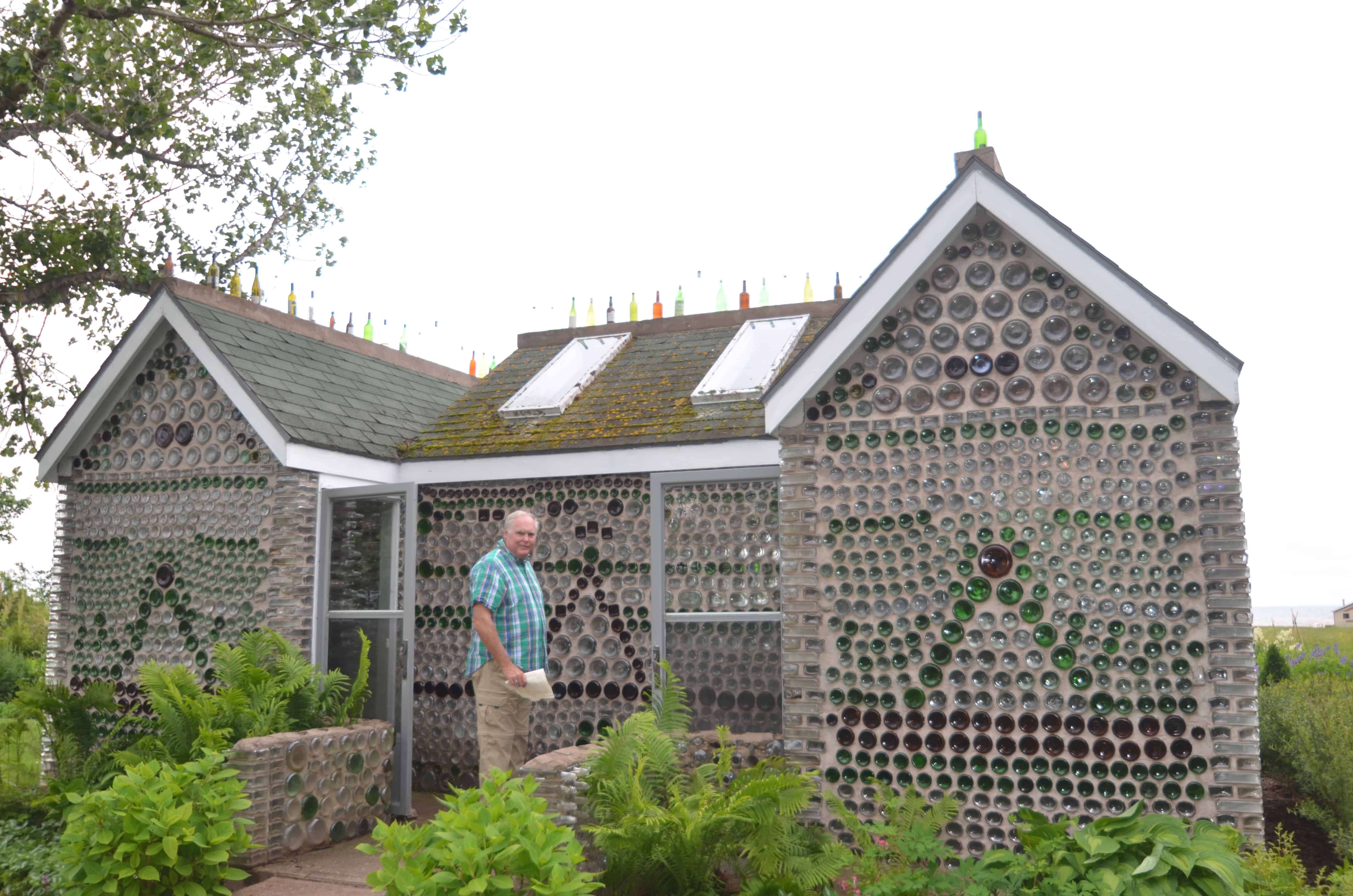
As the six-gabled structure started to take shape, visitors began stopping in. Impressed by his work, they encouraged him to keep going and to open it up as an attraction. In 1981, the first Bottle House was open to the public. Between 1980 and the spring of 1984, he cemented over 25,000 bottles of every shape, size, and color into three fantastic buildings.
The tour begins at THE CHAPEL.
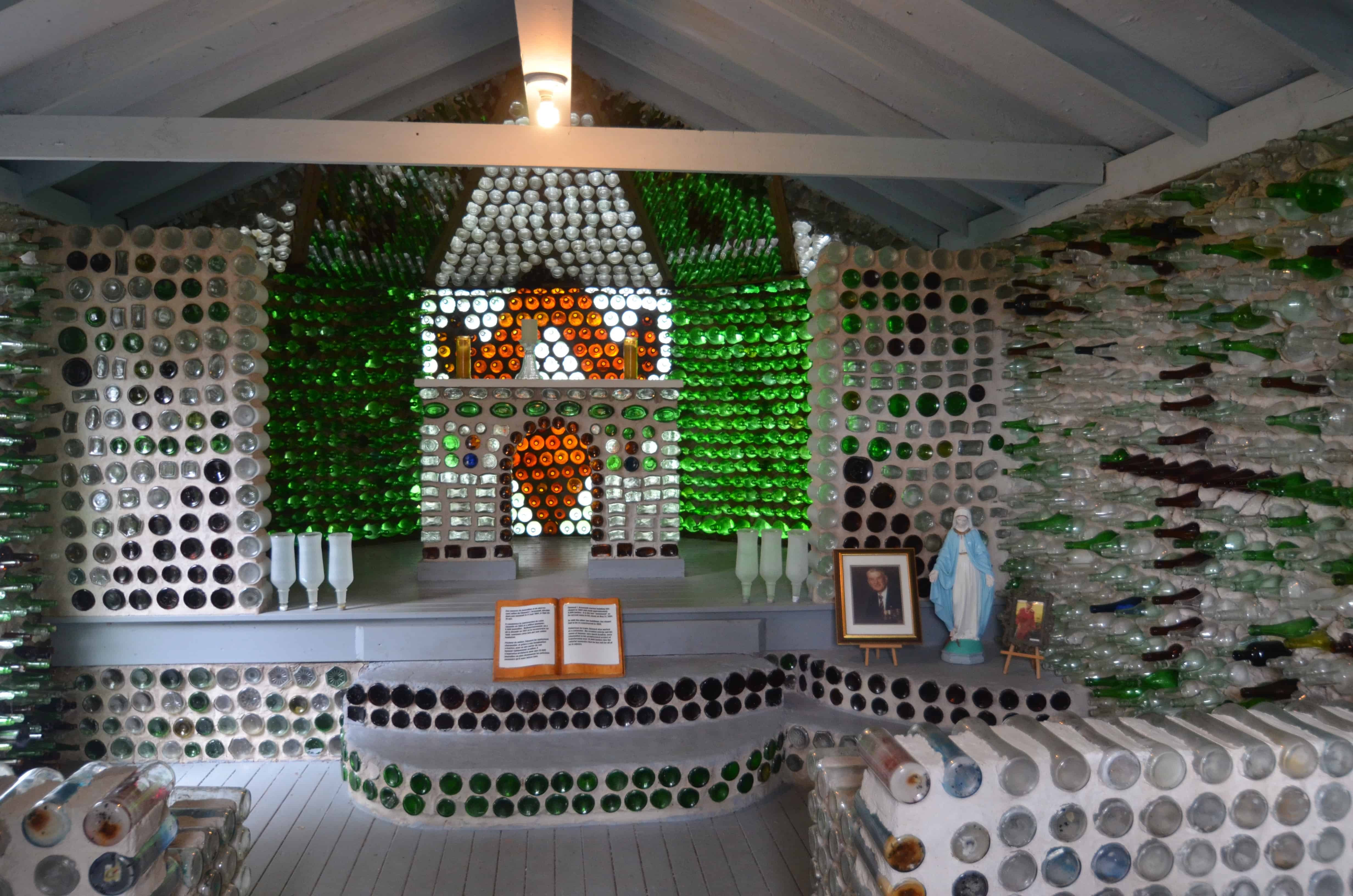
About 10,000 bottles. Some of the most interesting details are crosses made from beer bottles and an altar made with the shapes of certain liquor bottles you might recognize. Out the back of the chapel you come to the SIX-GABLED HOUSE, his first building, 12,000 bottles. Back in the early 1980s nothing was recycled except soda and beer bottles, so each week he would visit the dance halls, the Legion, the restaurants, and the local dump to collect. His pump organ, his favorite instrument, sits inside. The third building is THE TAVERN.
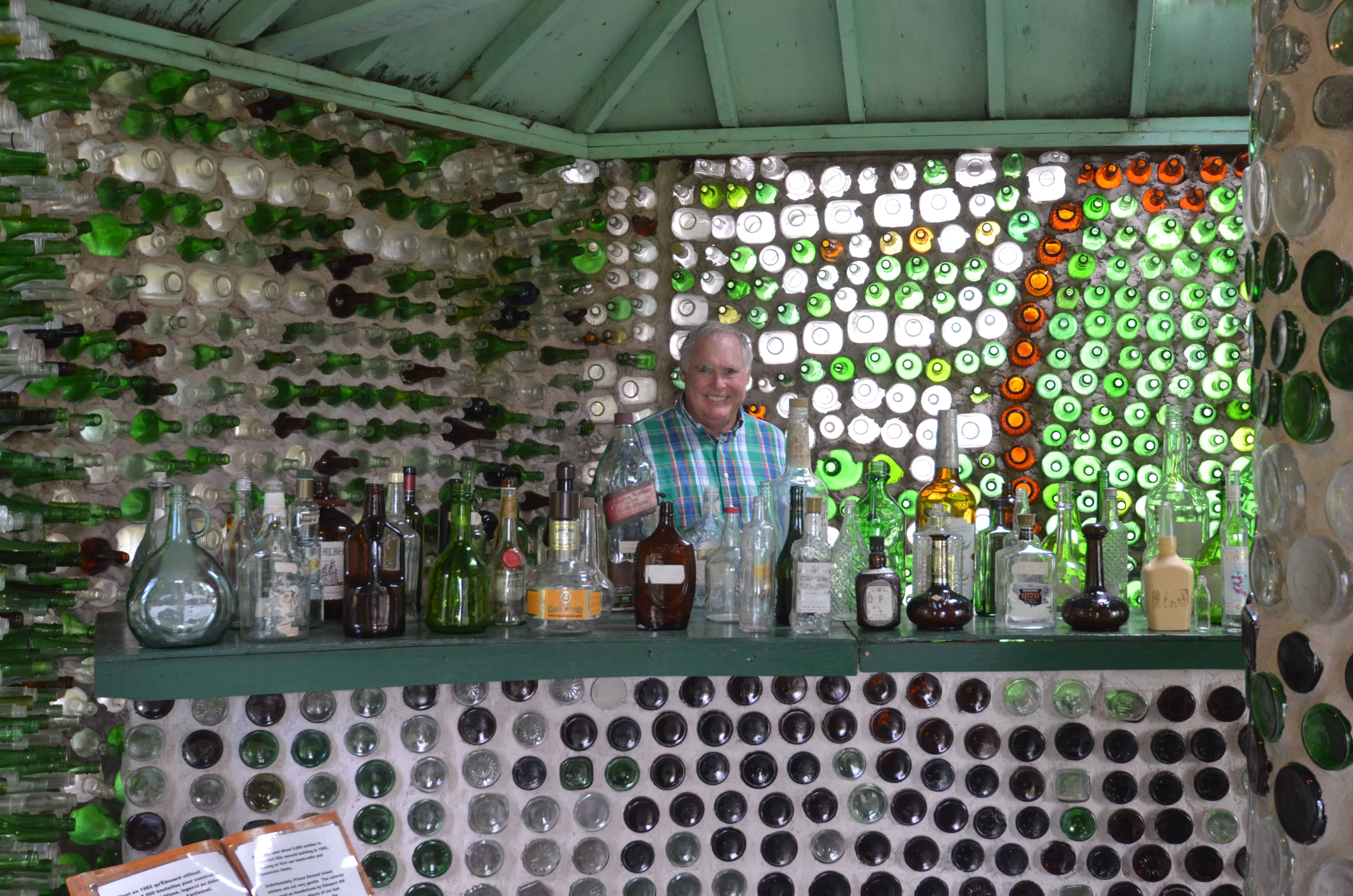
All three buildings are amazing.
Back on the road, we continued along the North Cape Coast Drive, through small farming communities, on the way to the North Cape Lighthouse.
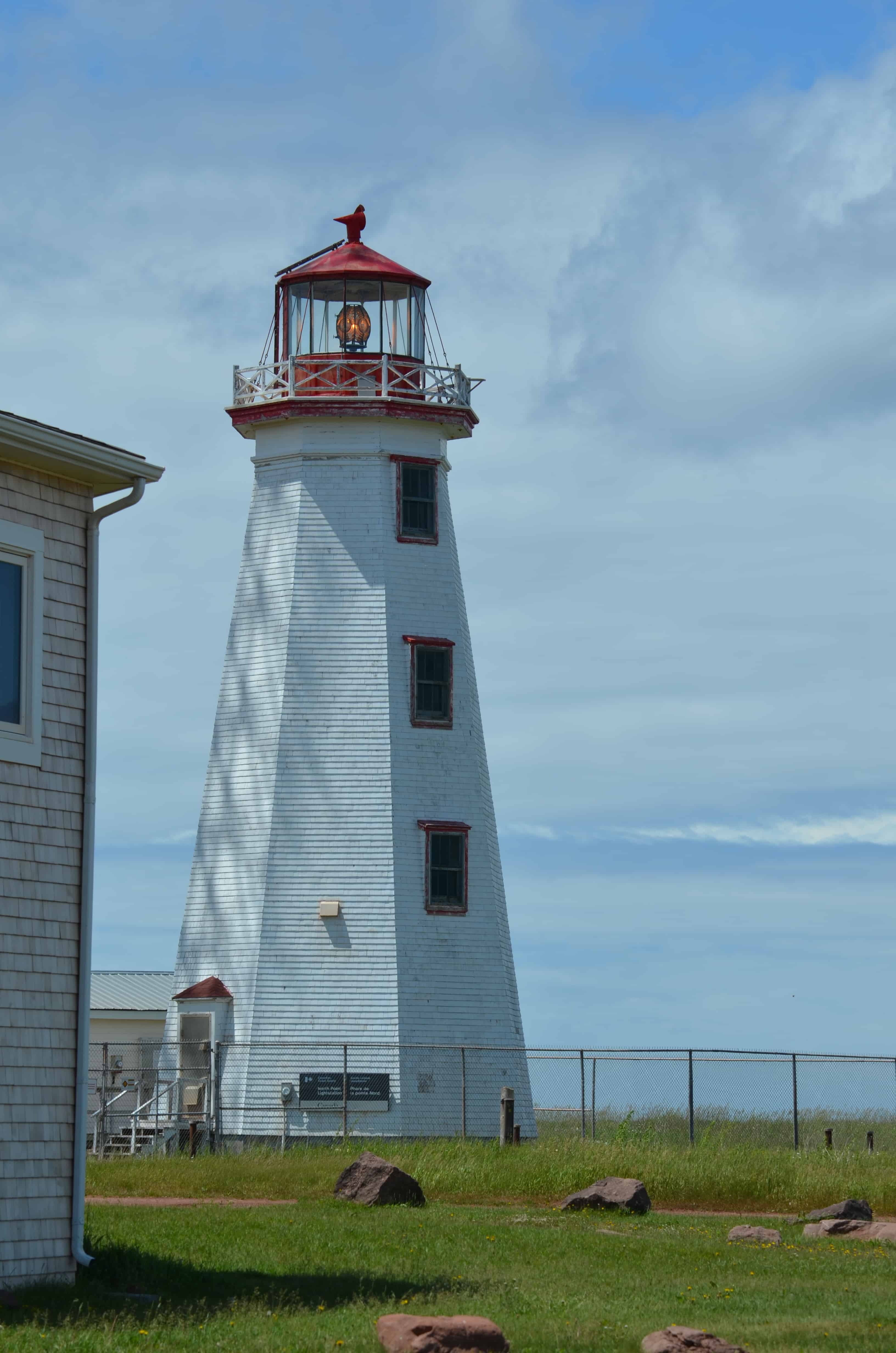
The wind farm here generates about 4 percent of the electricity for the whole island. That sounds modest until you remember that PEI has only about 140,000 people. It is also a research facility, working on combining different forms of green energy, including hydrogen. The Wind Energy Interpretive Center gave us a good education.
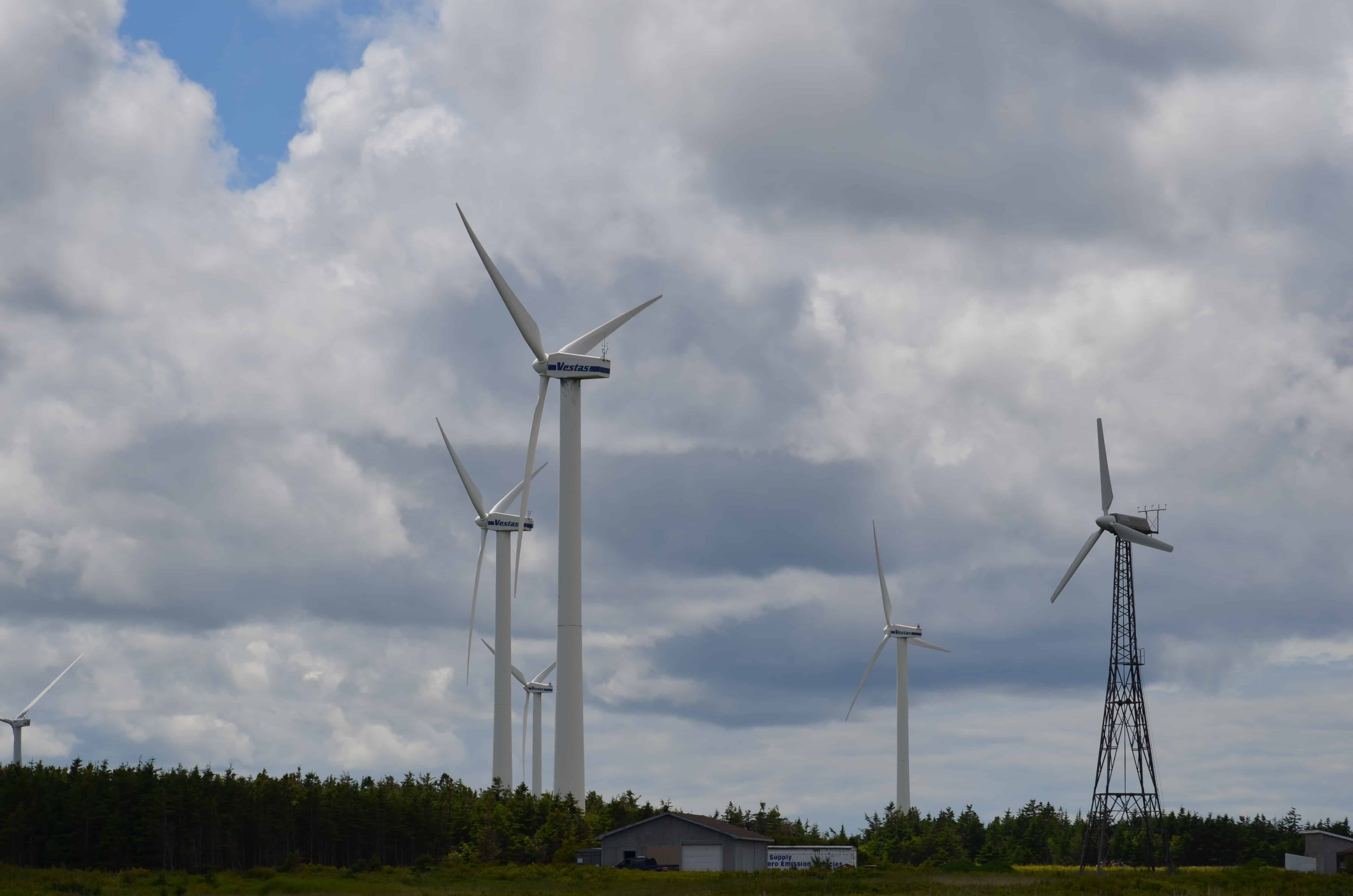
The PEI Wind-Hydrogen Village at North Cape is Canada's first grid-independent sustainable energy supply system for northern and remote communities. The basic idea is straightforward. When the wind blows, the turbines power everything they are connected to, and the surplus runs a hydrogen production system. When the wind drops, the stored hydrogen feeds a backup generator that keeps the electricity flowing. The point of the project is to show how to handle the intermittency problem of wind power in places that can't easily connect to a larger grid. Hydrogen produced from local wind and water as a clean energy carrier, with the potential to reduce dependence on imported fossil fuels for both stationary power and transportation.
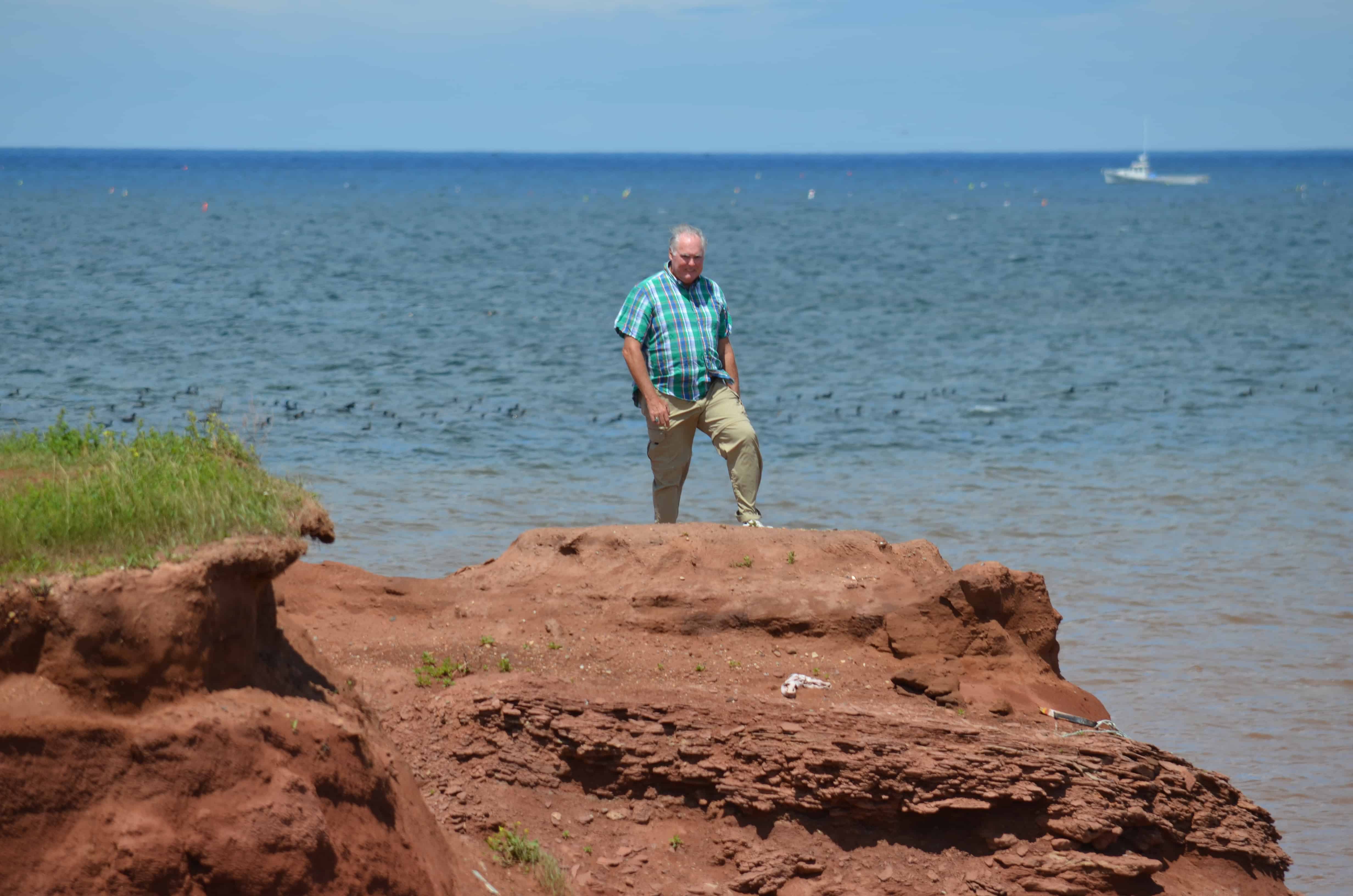
North Cape is also home to the largest rock reef in the world. At low tide you can walk all the way out. It was not low tide while we were there, but that did not stop one family from giving it a try.
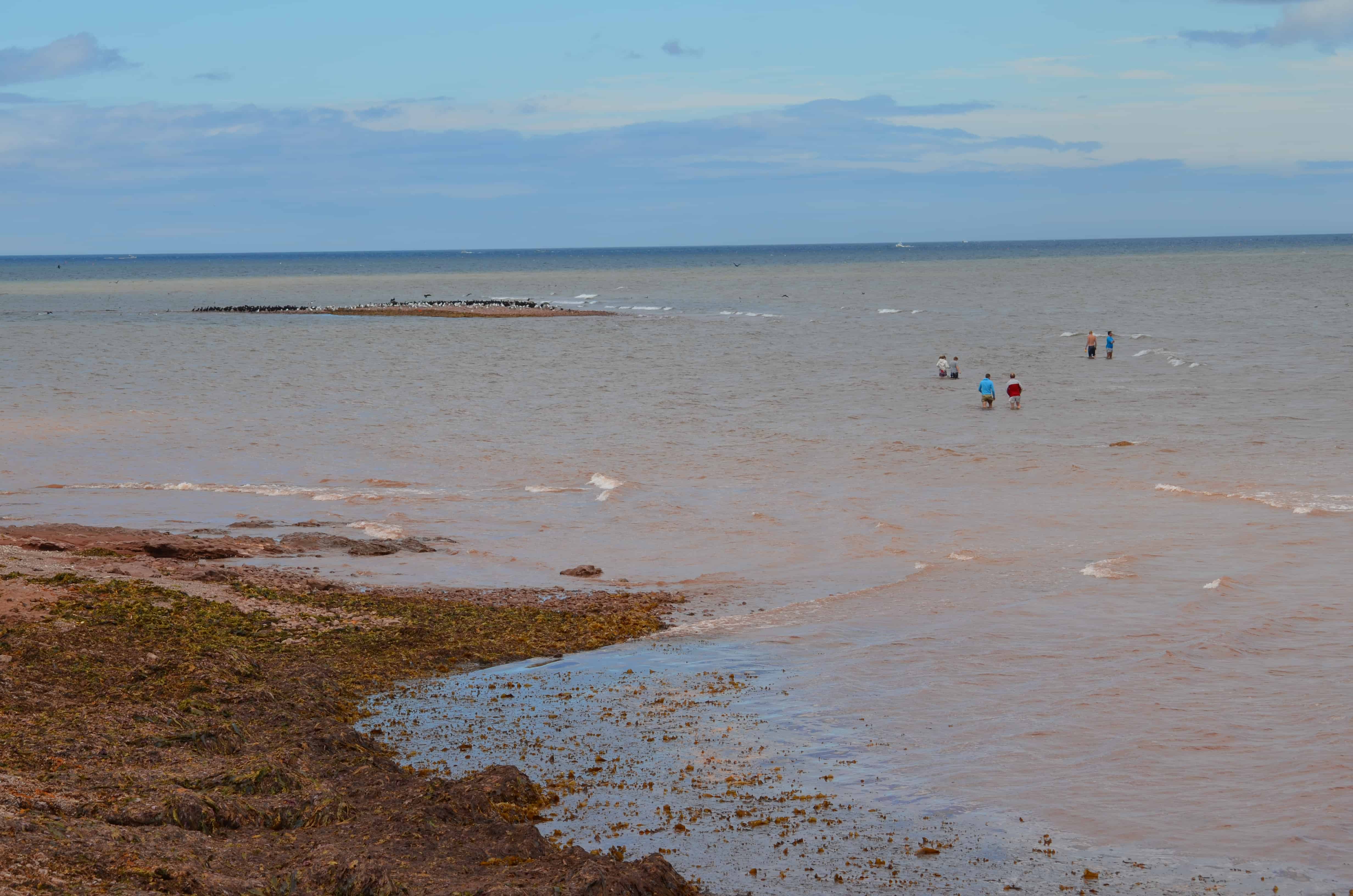
It was fun watching them freeze on the way out.
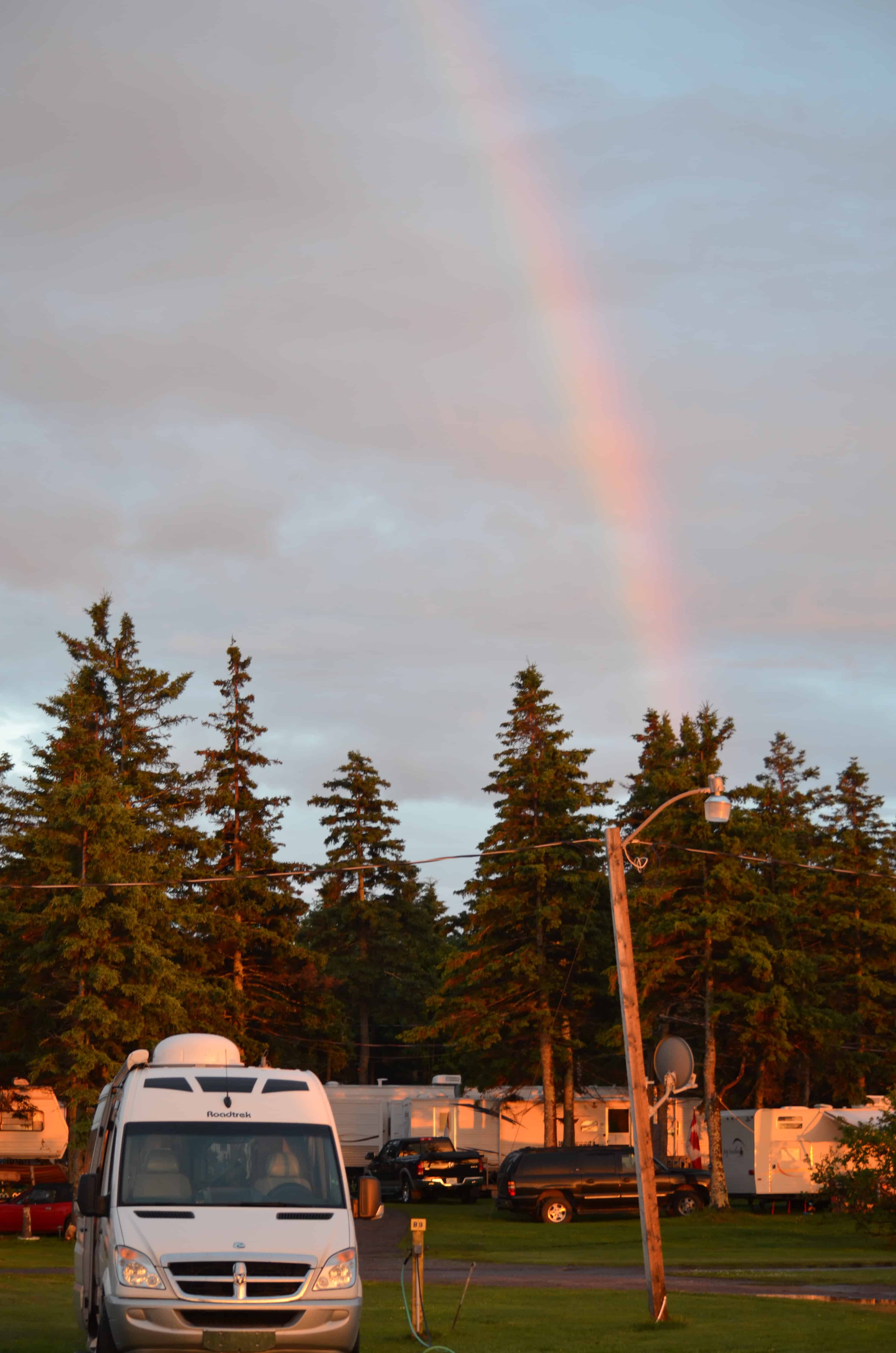
Enough for one day. We settled back at Crystal Beach for dinner and a sunset.
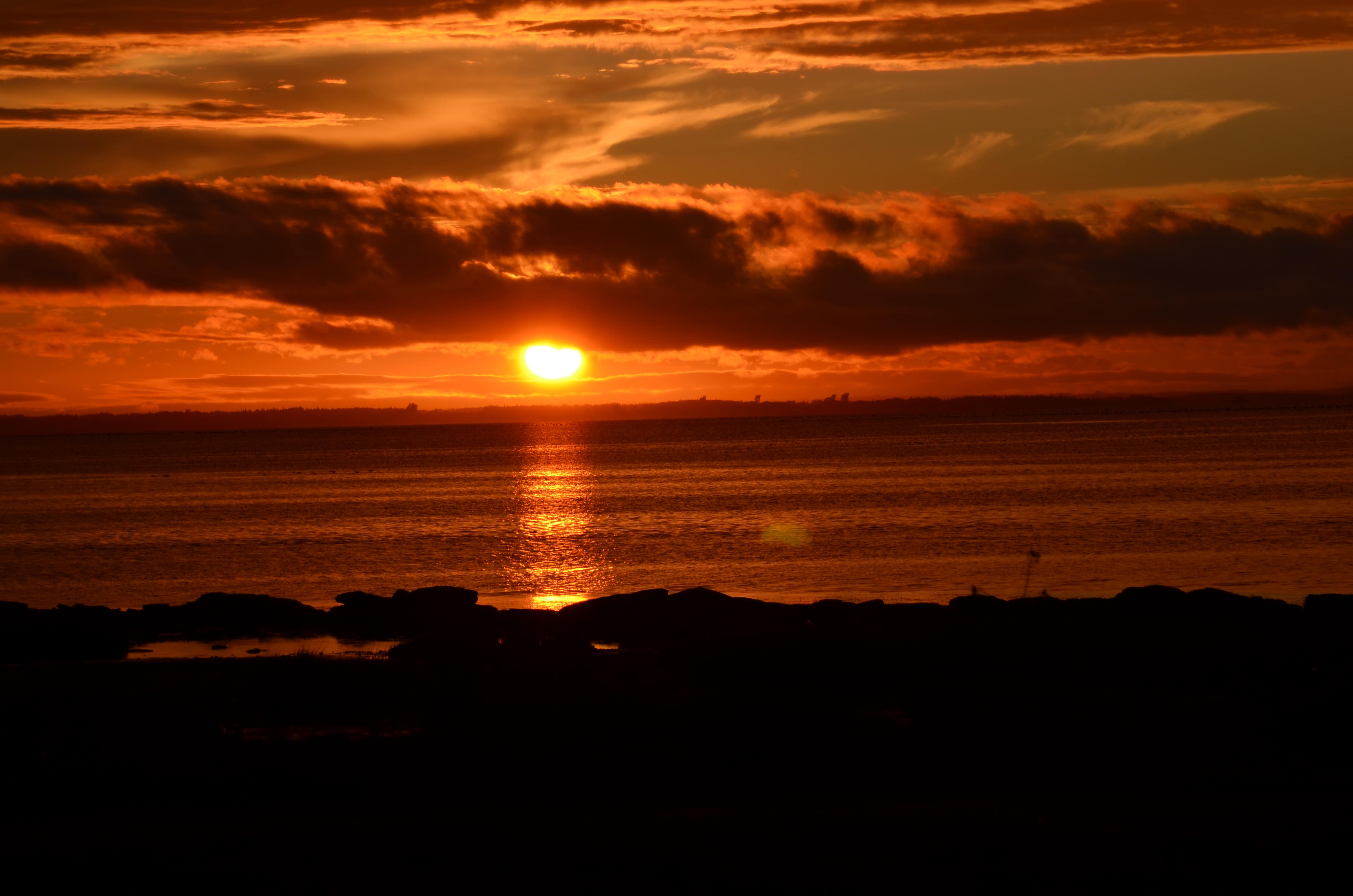
Not only was the sunset spectacular, there was a rainbow over our rig at the same time.
The next morning, off to the Green Gables Shore. There are a number of golf courses around Cavendish. Believe it or not, we left the clubs in the RV and just toured. Several times we saw a lighthouse on the map, took a side road for a few miles, ended up on a dirt track, and found no lighthouse. After three of those, we gave up on the side roads and stayed on the main routes. Plenty of picturesque small harbors along the way.
We then drove into Charlottetown, the capital. Charlottetown's place in Canadian history is genuinely interesting. There is a Founders' Hall presentation that runs through the whole story, worth the admission.
The Charlottetown Conference was held there in September 1864 to discuss what became the Canadian Confederation. The original intention was a Maritime Union of New Brunswick, Prince Edward Island, Nova Scotia, and Newfoundland, an arrangement the British Crown thought would make those provinces less economically and politically dependent. The Province of Canada, which is to say what is now Ontario and Quebec, asked to join the discussion. What came out was the larger Canadian Confederation, finalized over follow-up conferences in Quebec and London and put into law as the British North America Act of 1867. Prince Edward Island actually held out until 1873, when a promise of permanent ferry service finally got it across the line. (That ferry service became the Confederation Bridge, a century and change later, which is why the bridge is called what it is called.) Newfoundland did not come in until March of 1949, and only after their own ferry link was approved.
We closed down camp at Crystal Beach and headed for the eastern end of the island. June 30 had been the last day of the lobster season on the east end, and July 1 was the first day of the season for the west end.
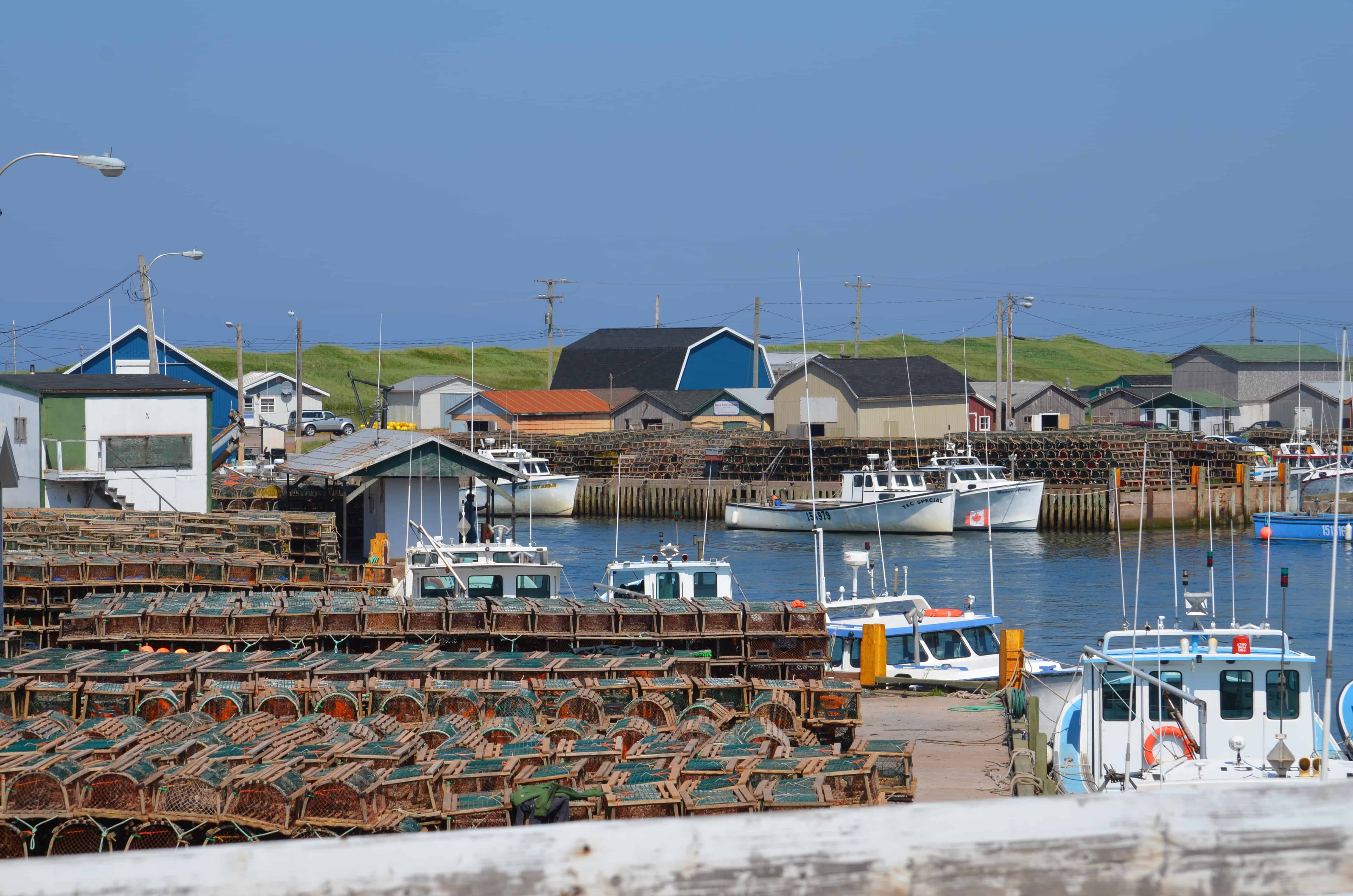
Every small harbor we drove through was filled with lobster boats coming in with their final catches and stacking the lobster pots on shore for the off-season. By the end of the day, every village was throwing some kind of party. We parked in St. Peters at the town park and made a lobster sandwich in the RV. An elderly couple who spend summers in the area came over and started chatting. The husband, Chuck, grew up in St. Peters. His family had a 100-acre farm that they plowed with horses, no tractor. He said they were poor but they did not know they were poor. No electricity, no telephone. The town in his childhood was twice the size, all the farming and fishing supporting that population.
The best line: lobster was a poor man's food, and if you had eaten lobster for dinner the night before, you never mentioned it.
St. Peters Bay is a huge mussel operation. We were told that 90 percent of the mussels served in Canada come from these farms.
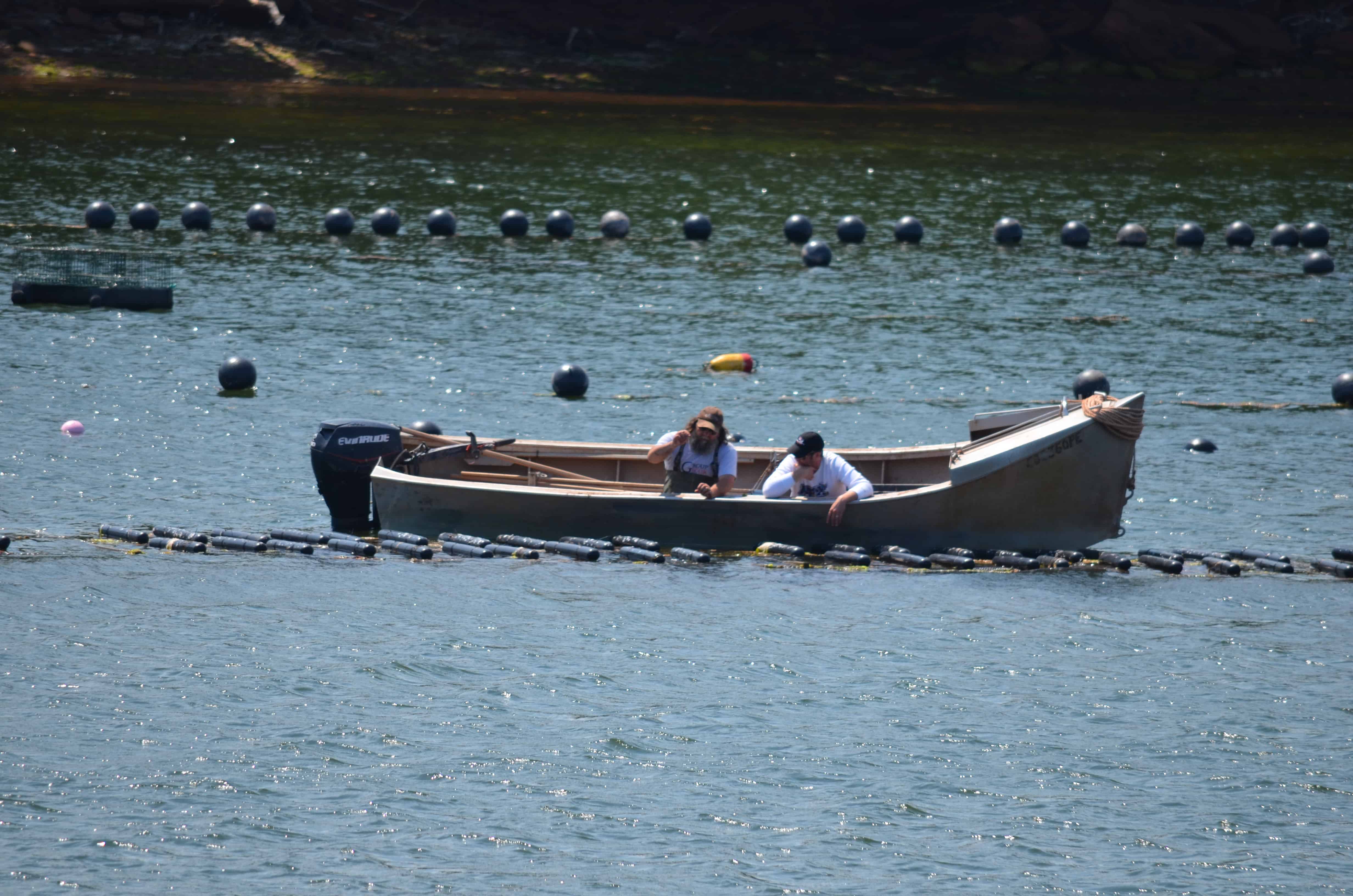
Mussels are placed in long socks suspended from buoys, where they filter tiny plankton out of the water for their food. No supplemental feeding needed. They get their nourishment from the pristine ocean and, in return, they clear excess plankton out of the water and improve its quality. Aquaculture is a real industry here.
Next stop was the Prince Edward Distillery for a tour.
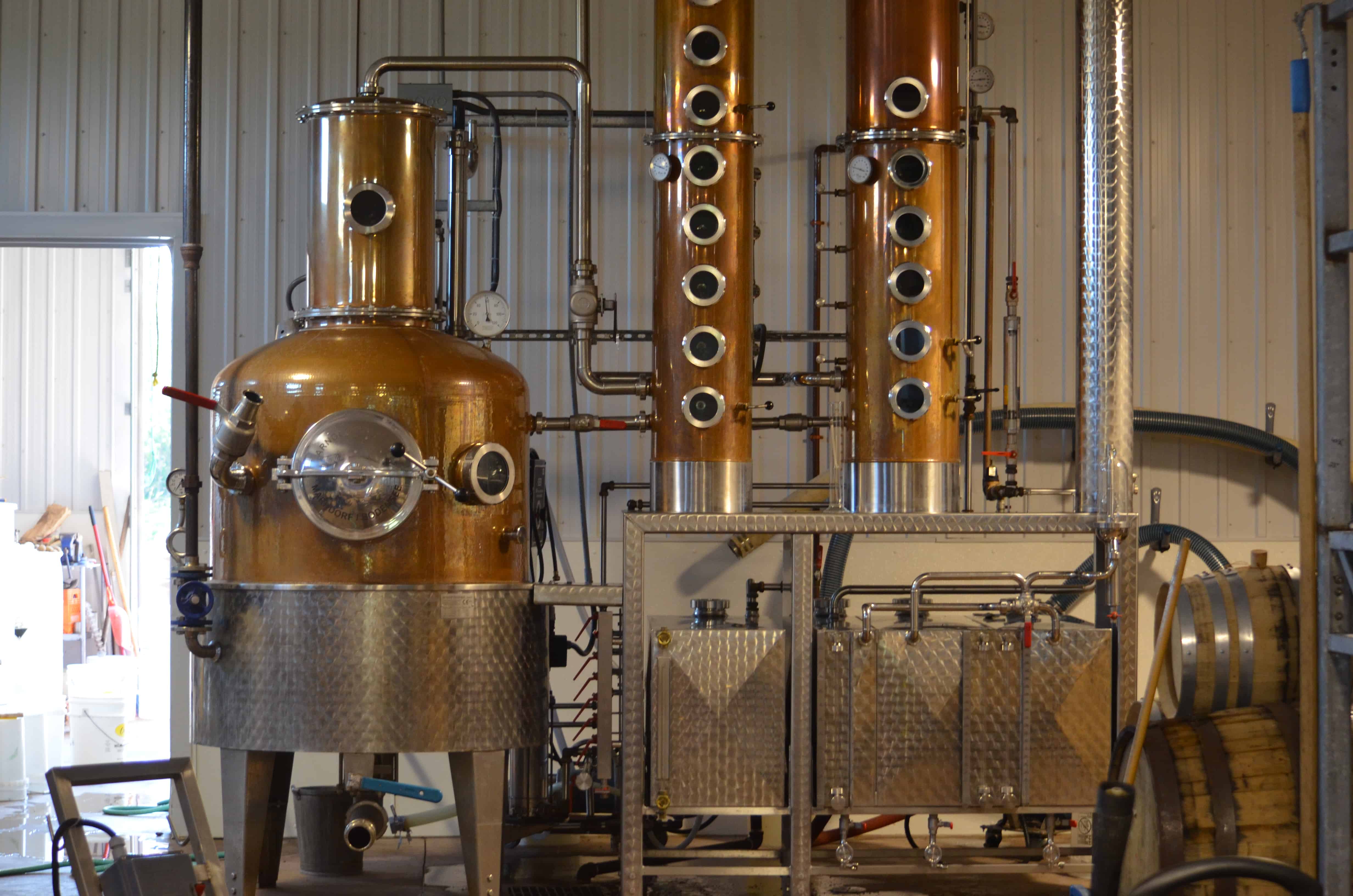
A must for anyone visiting PEI. Some years ago, Arla Johnson and Julie Shore, who had been running a B&B, decided to open a distillery. Arla and Julie had originally come from Fort Myers, Florida, fallen in love with PEI, and stayed. Julie's family was from North Carolina, where they had been distillers before Prohibition. With that in her blood, Julie studied at Cornell's Agriculture School, hoping someday to build a distillery. Arla said it took Julie seven years to convince her. The Prince Edward Distillery makes artisan-crafted spirits: Prince Edward Potato Vodka, Prince Edward Wild Blueberry, Prince Edward Gin, plus a few whiskeys and a very nice rum.
From the distillery we continued up to the East Point Lighthouse and started the return trip down the coast to the Provincial Park at Wood Islands for our last night on PEI. There we met Chris Greening and his wife Mylissa.
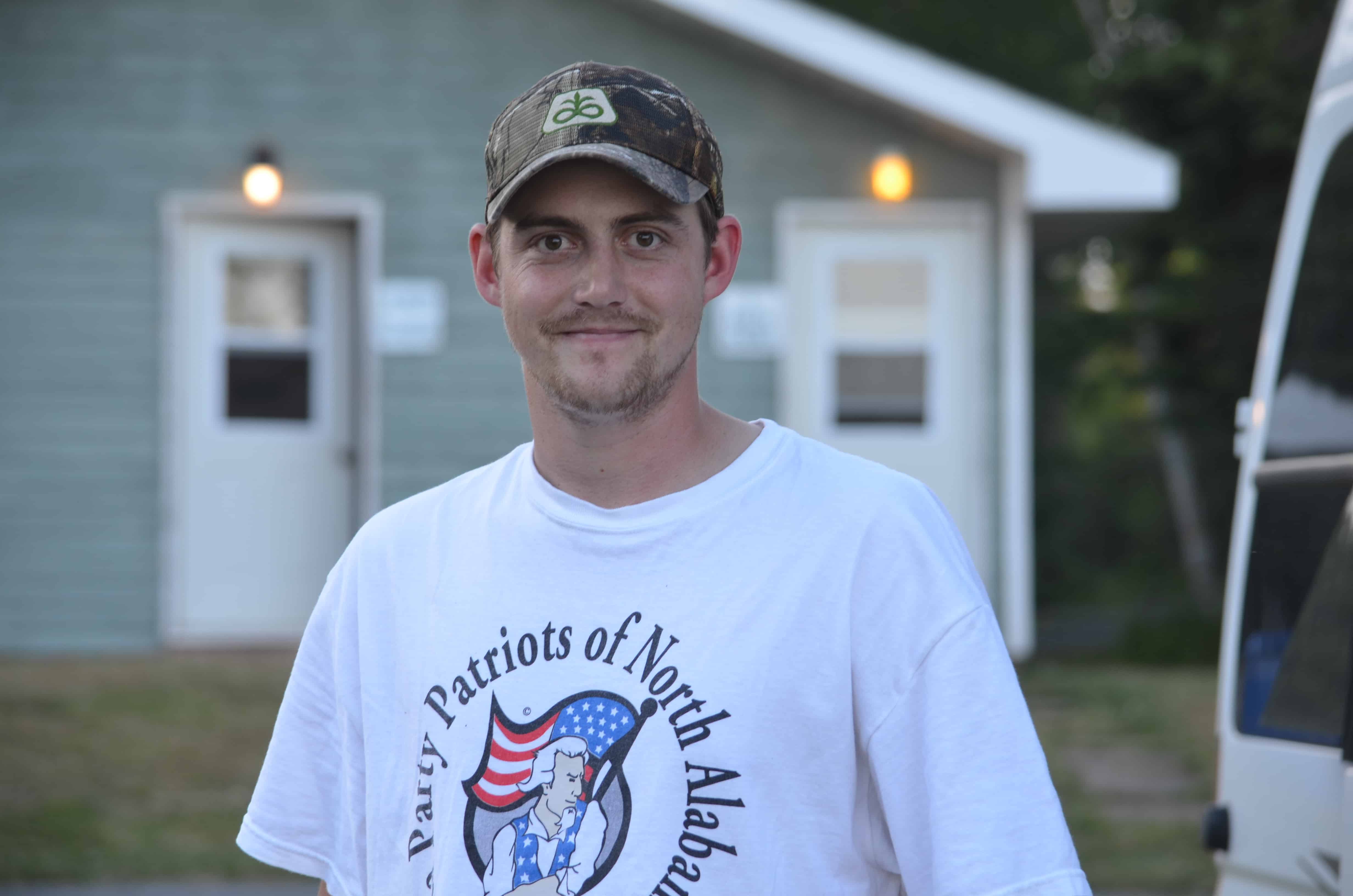
Chris and Mylissa had taken the ferry over from Nova Scotia, where Mylissa's family lives, to spend Canada Day on PEI. Chris is a young dairy farmer from the Edmonton area in Alberta, where he had taken over the family farm. We had a great evening of conversation, including a long stretch on cross-border politics. He was curious about the Tea Party movement in the United States and how it was being talked about. We had picked up a North Alabama Tea Party shirt on the RTJ Trail in May, and we got to laughing about it as we described it to him. He said he would love to have one like that.
John is a believer in the family tradition that when someone admires something you are wearing, you take it off and give it to them. He says he doesn't remember where the tradition comes from, but it has been in the family for as long as he can remember.
Chris now has the shirt.
The deeper part of the conversation was the shared frustration we all recognize, whether you are running a dairy farm in Alberta or a small business in the United States. Chris was finding it hard to hire labor willing to put in the long hours that dairy farming requires. He summed up something the two countries seem to be having different versions of the same conversation about.
In the morning we celebrated Canada Day with our new Canadian friends, then drove the three miles to the ferry and caught the 9:45 AM crossing to Nova Scotia.
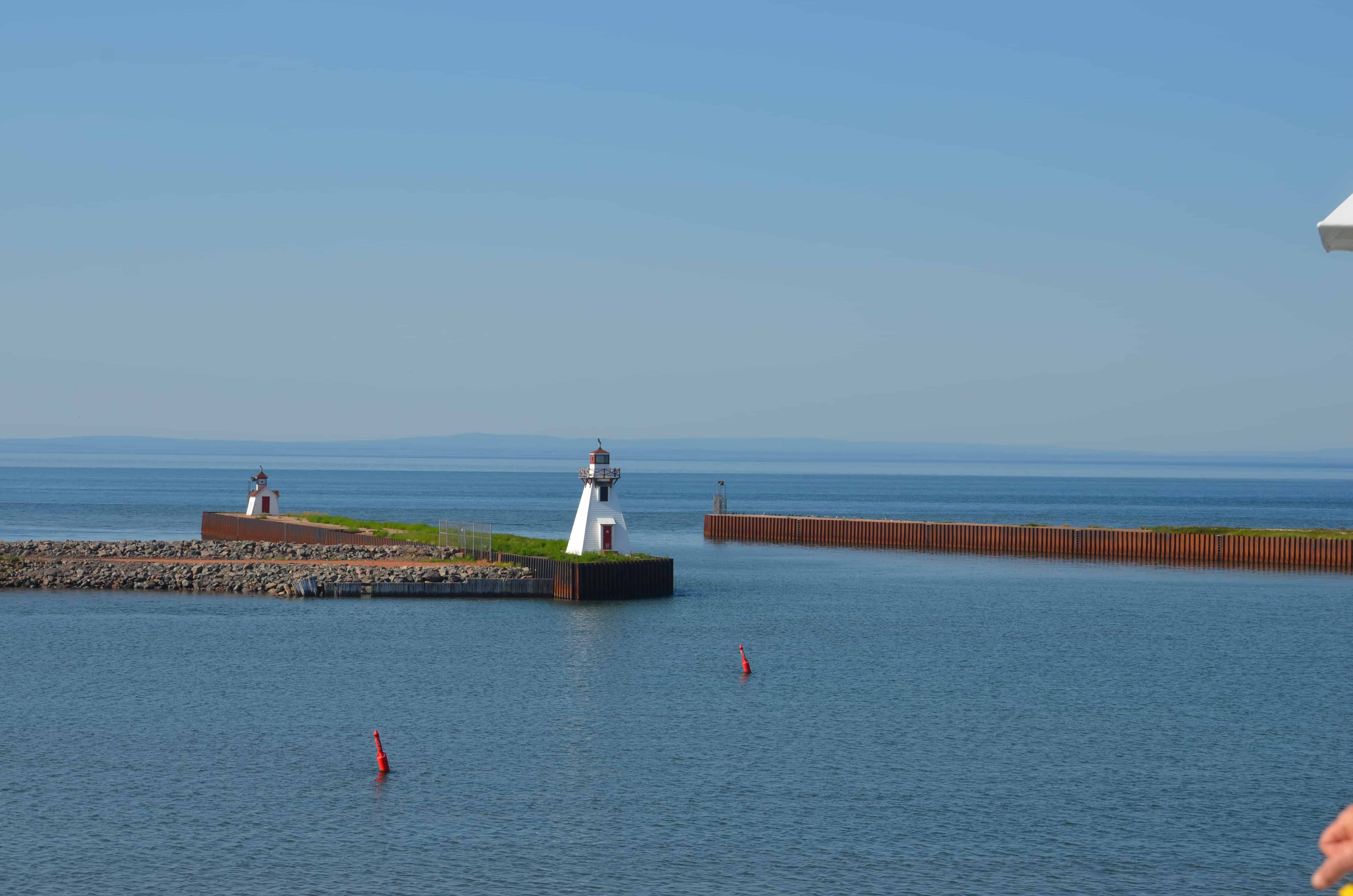
Goodbye to the Wood Islands Lighthouse, and to the wonderful Prince Edward Island.