Dateline July 5, 2012, Nova Scotia, Pictou to Peggy's Cove
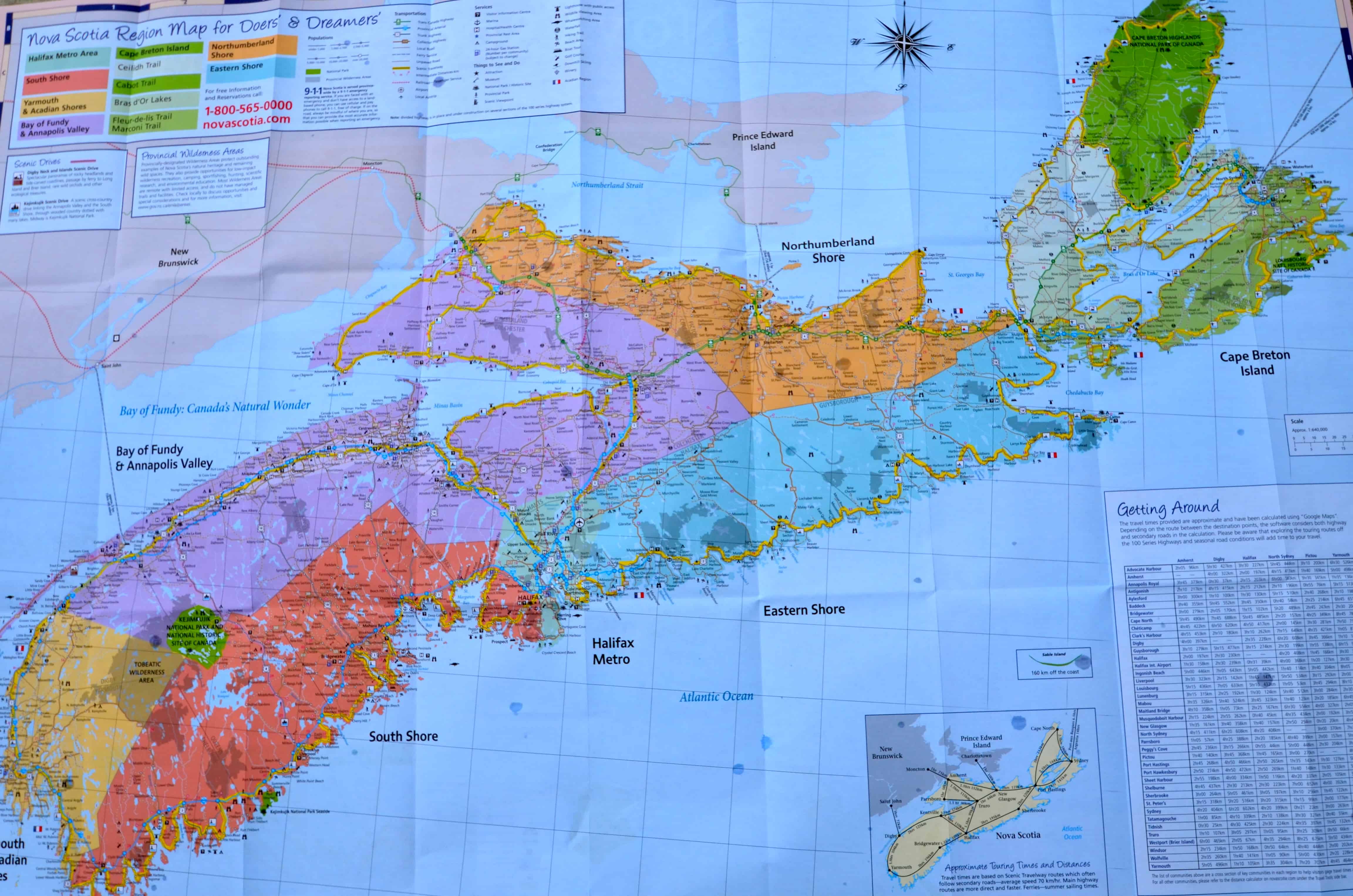
The weather was beautiful for the ferry from PEI to Pictou. The lighthouse came into view as we entered the harbor. At the info center on the Nova Scotia side, the staff even made a campsite reservation for us near Halifax for the Tattoo later in the trip.
We drove down to Truro at the top of the Bay of Fundy.
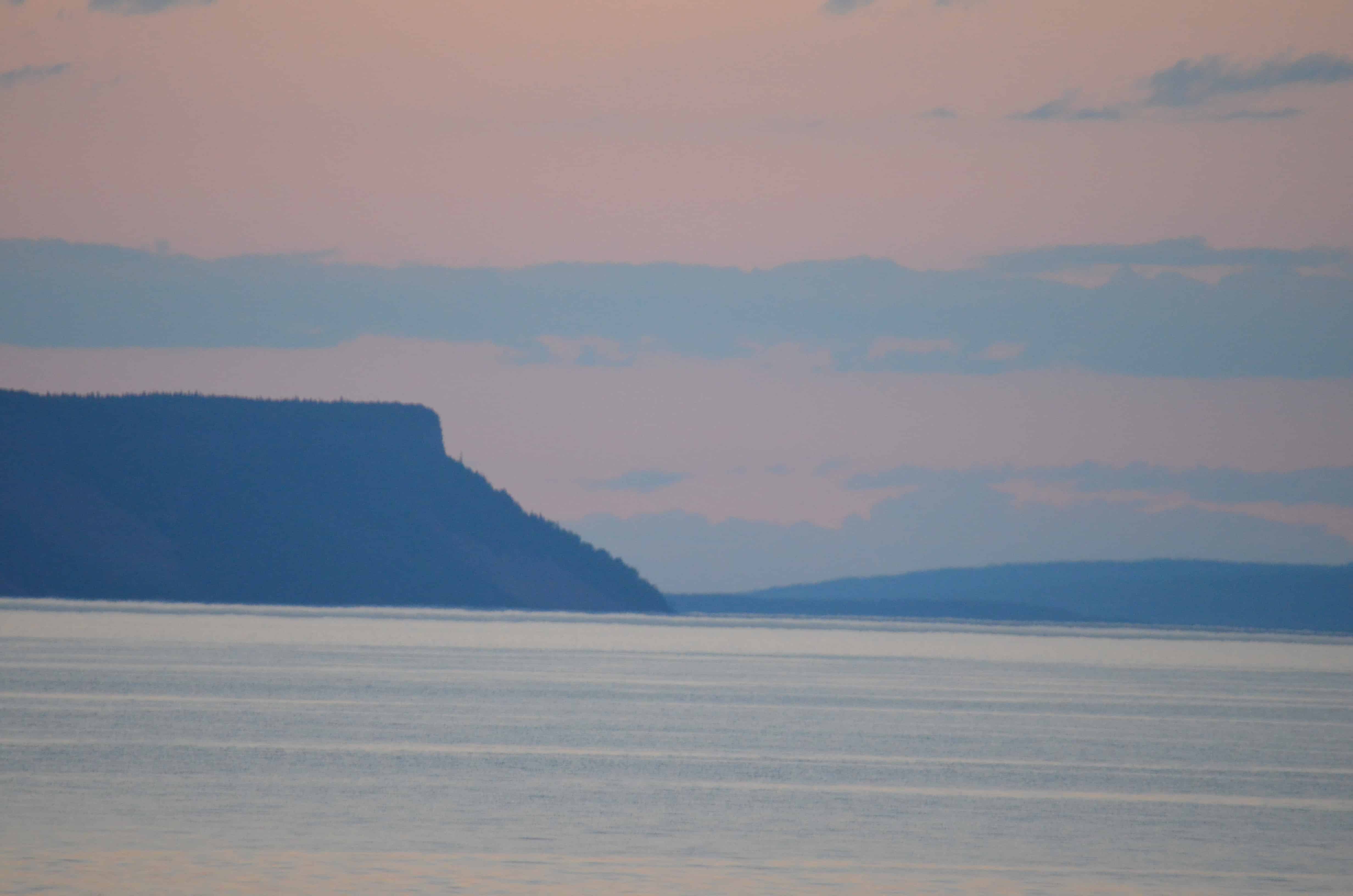
We missed the tidal bore by a few hours. The bore is what happens when the incoming tide pushes back into the river hard enough to create a wave traveling upstream, sometimes reported as high as 14 feet. We may catch it on the way back from Newfoundland.
We drove along the southern side of the Bay of Fundy to Grand Pré, where we stayed at the Land of Evangeline Family Camping Resort. The highlight of the camp was the beach and seeing the tide go all the way out. The Bay of Fundy is all about the tides.
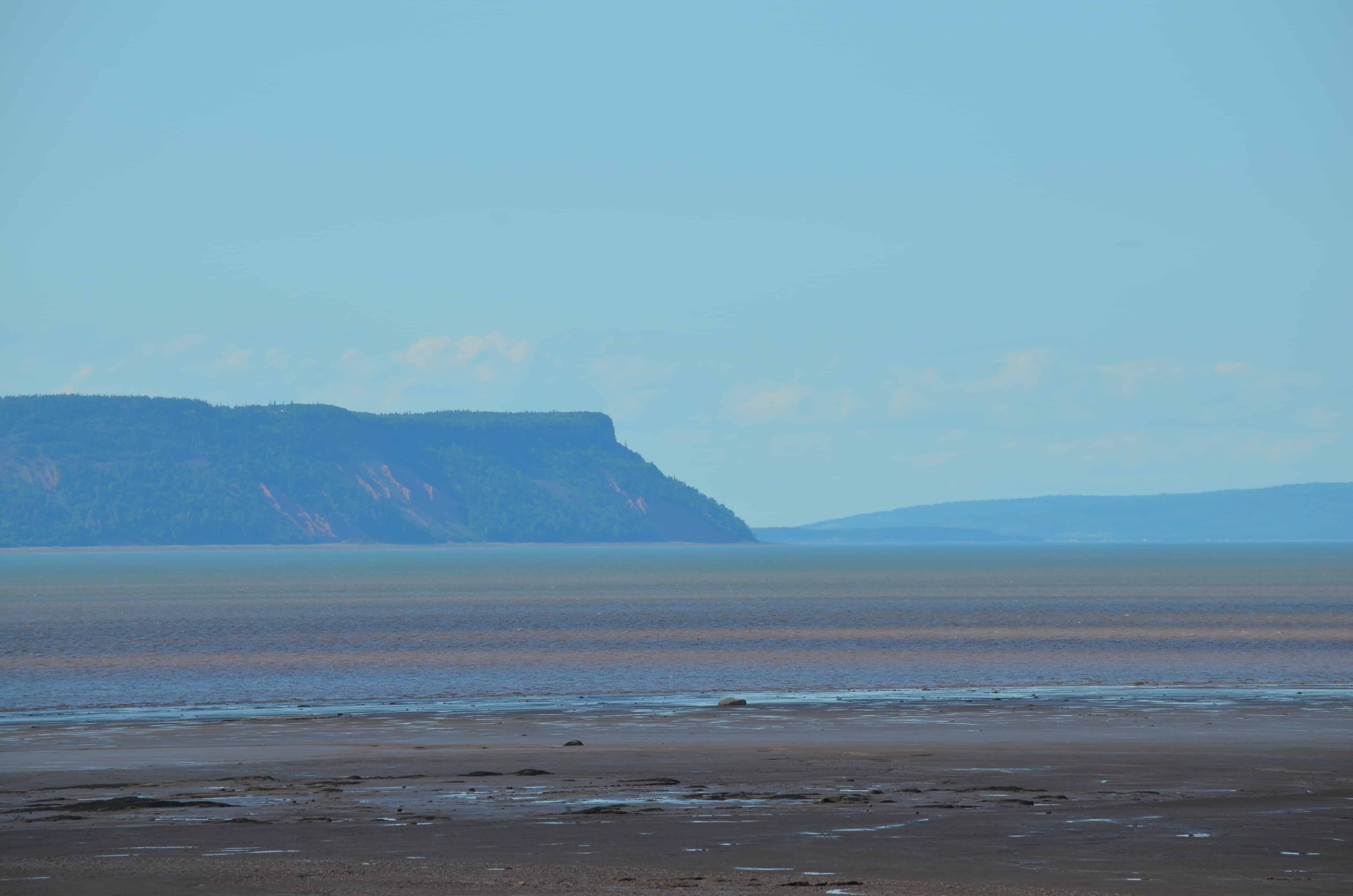
In the morning we set off, headed for Parker's Cove. The route runs mostly through the Annapolis Valley, agricultural country.
Our first stop, big surprise, was Domaine de Grand Pré, for a taste of the local wine. Nova Scotia's Annapolis Valley has become a serious source of Canadian wine over the last decade, winning a long list of awards, even though winemaking up here has been going on for less than thirty years. The growing season is only about four months, so the reds do not develop the full body of warmer-climate wines. Most of the grapes are hybrids bred to handle cold winters. We tried their champagne, since a bottle was in order for our anniversary, and it was very good. We picked out another white, a red, and moved on.
About a mile down the road we came upon another winery. We pulled in at Muir Murray Estate Winery and sampled some. They make a rosé called Tickled Pink that is a great summer wine. The owner, Jon Muir Murray, came into the tasting room and introduced himself. Jon is new to wine, having bought the property and developed the vineyards over the last ten years. An interesting man. He is a Scottish ex-pat, worked for some years in South Africa where he had been an ear, nose, and throat surgeon, and left after the end of apartheid. He moved to Bermuda and continued practicing medicine. He told us that after a change of government in Bermuda in 2002, the new administration declined to renew his medical license, partly because he had been outspoken about the previous government, and he was effectively asked to leave. He landed in Nova Scotia and started a vineyard. We bought a few bottles and got back on the road.
Halls Harbor on the Bay of Fundy was supposed to be a must-see, about fifteen miles off the main road. We pulled in, took pictures of the harbor, and decided to have lunch on the deck overlooking the water. The tide was out, with boats sitting on the harbor bottom.
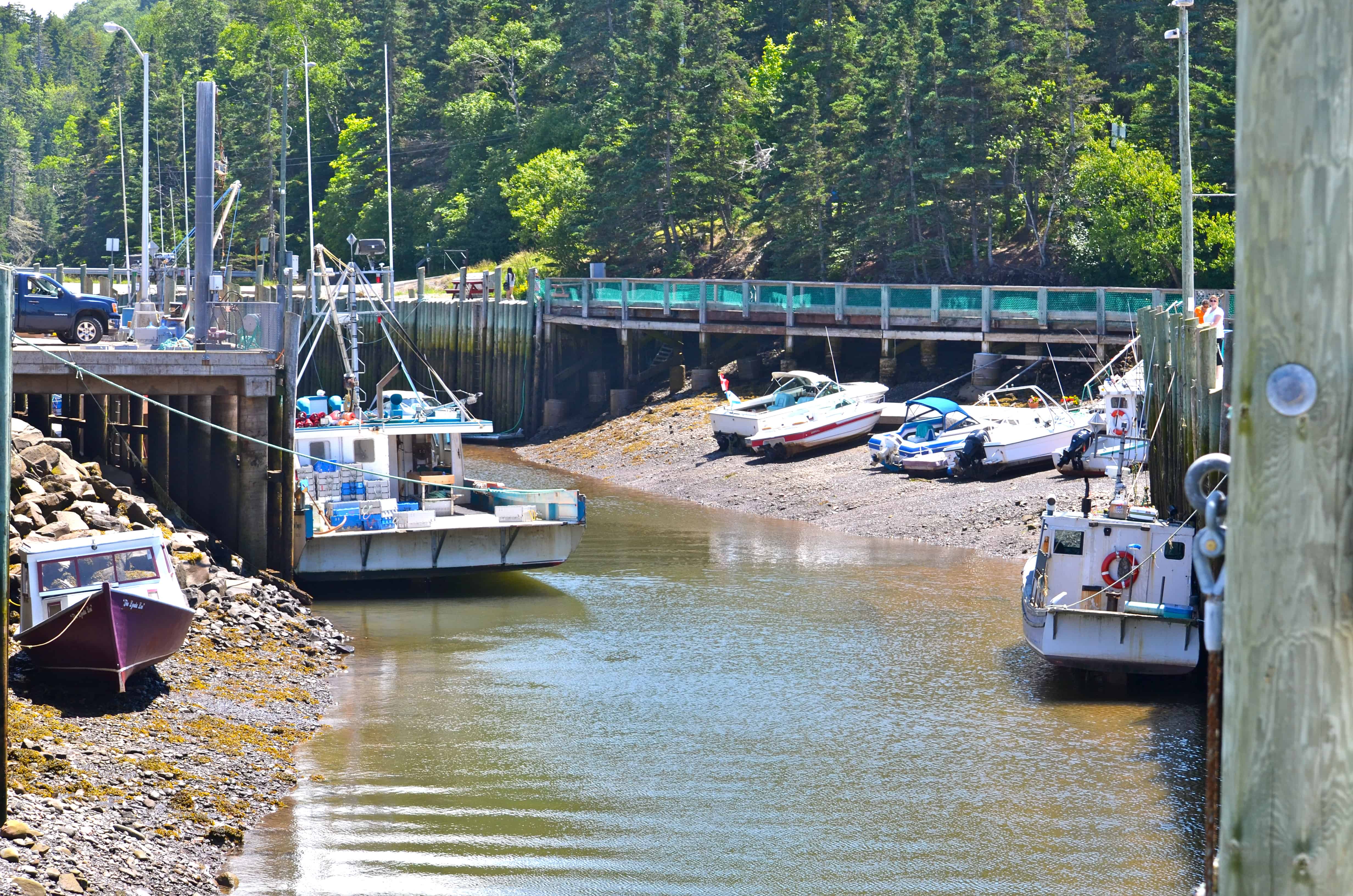
Lunch turned out to be an ordeal. Wait for a table, then get in a line to order food. Two tour buses had just arrived. John waited twenty minutes and had not moved forward in the line. We gave up and left. We believe they call it a tourist trap. Sandwiches in the RV made sense, and we continued down the Annapolis Valley, occasionally veering off to see the shore and ending up on dirt roads that went nowhere. We finally stayed on the main road and turned toward Parker's Cove.
Parker's Cove is a working fishing village off the Bay of Fundy. When the tides go out, the boats are left sitting on the cove bottom.
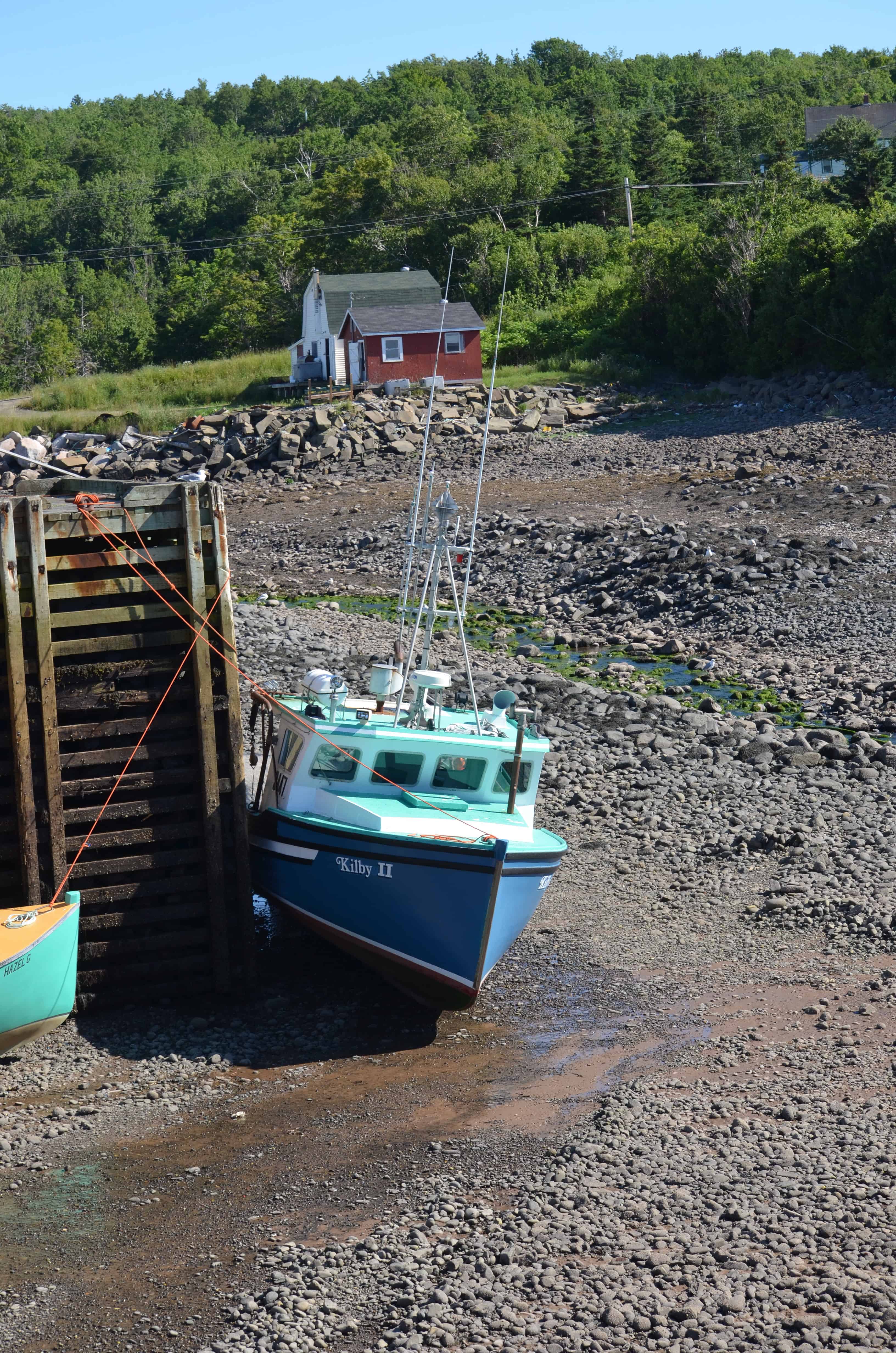
Some lean to one side, others are supported on both sides by wooden braces.
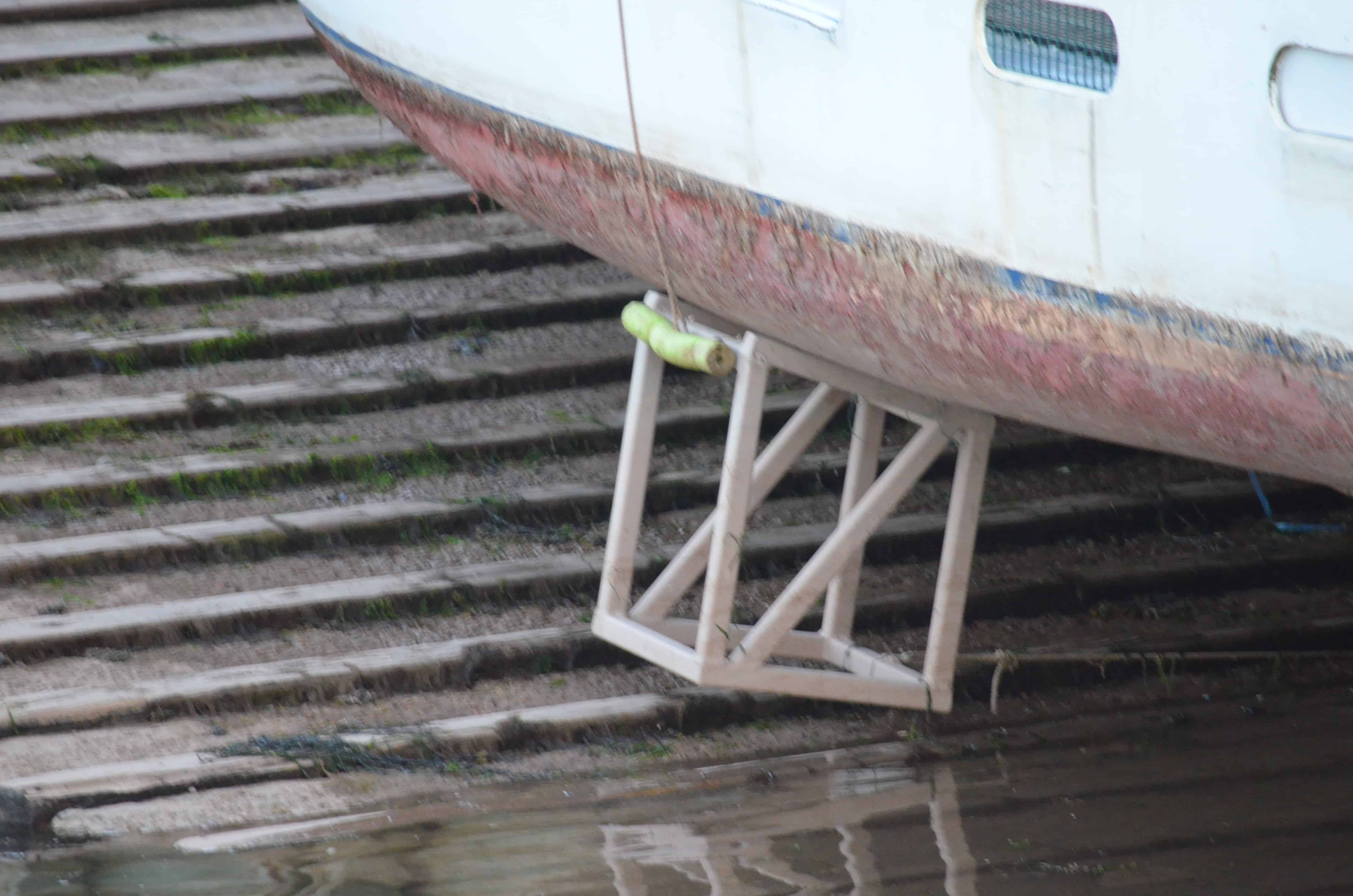
The braces get set in place under the boats before the tide drops, tied so the boats stay upright as the water goes out. The only "store" in the village is really a wholesale fish market that sells a few things retail. Lobster was $4.50 a pound and haddock was $6.00 a pound.
We told the owner we wanted a two-pound lobster and a half-pound of haddock the next day. He said they would be in fresh in the morning, literally today's catch. It does not get any better than that. Several days later in a chain grocery store we saw haddock at $16 a pound. The price goes up with aging. (Oh, that's scotch.)
We stayed at Cove Oceanfront Campground. The site is fantastic, three tiers of sites all overlooking the beach and Parker's Cove. We decided to stay two nights and use it as a base.
July 3 was our anniversary, our thirteenth, so we decided to play golf. The owner of the fish market in Parker's Cove turned out to be a member at the Annapolis Royal Golf Club, and we drove over in the morning. The course is short, about 5,500 yards, but up and down, with small greens and narrow fairways. The views are grand, out over the water to the village of Annapolis Royal with its churches and the old Fort Anne in the distance.
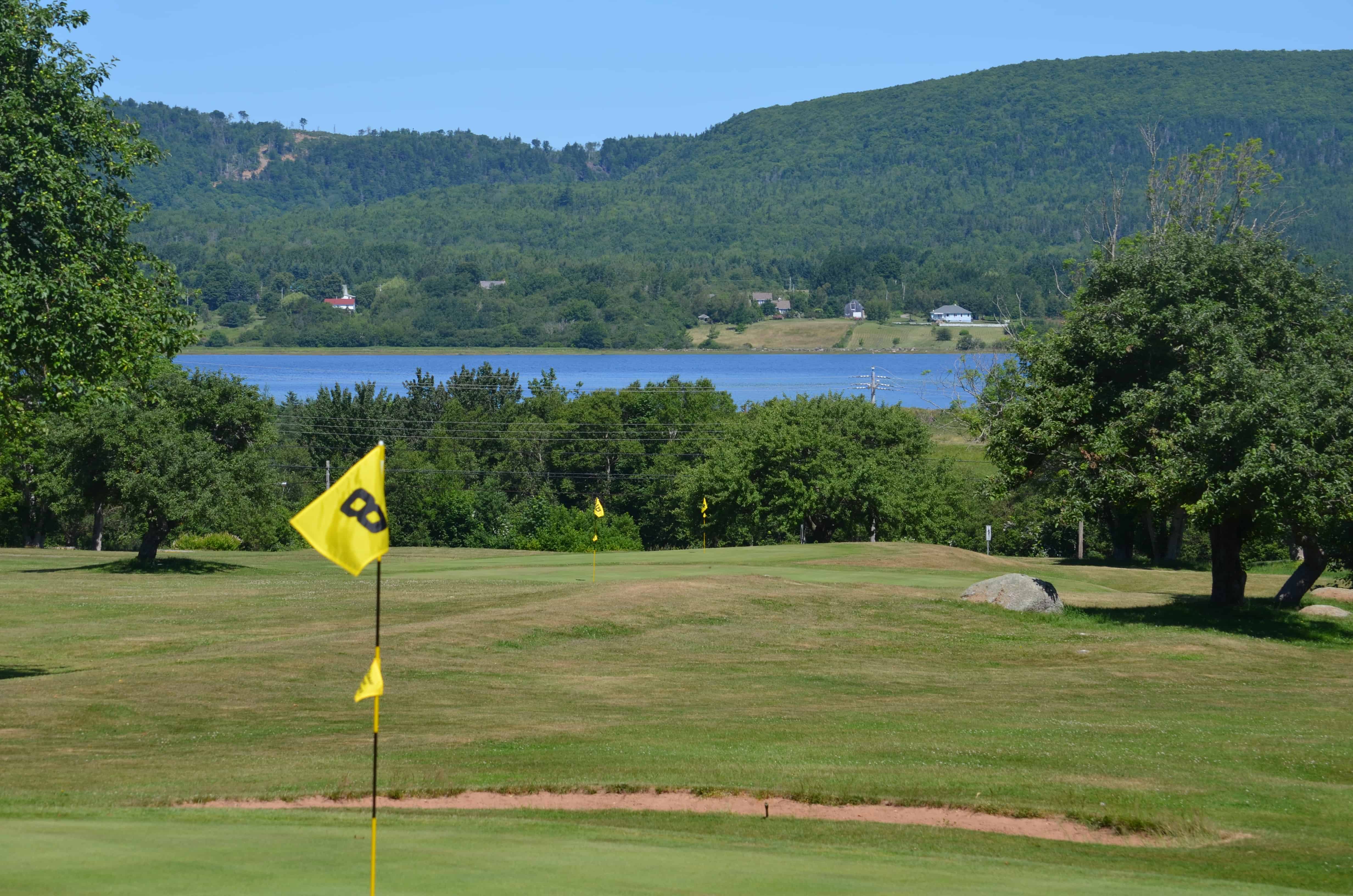
It was a delight. The owner had bought the course seven years before, after a career in the hotel business in England. He laughed about the change of pace.
After golf we visited the town, then went back to Parker's Cove to pick up the lobster and haddock for dinner. We prepared part of the lobster as an appetizer, sautéed in butter with an onion, wonderful.
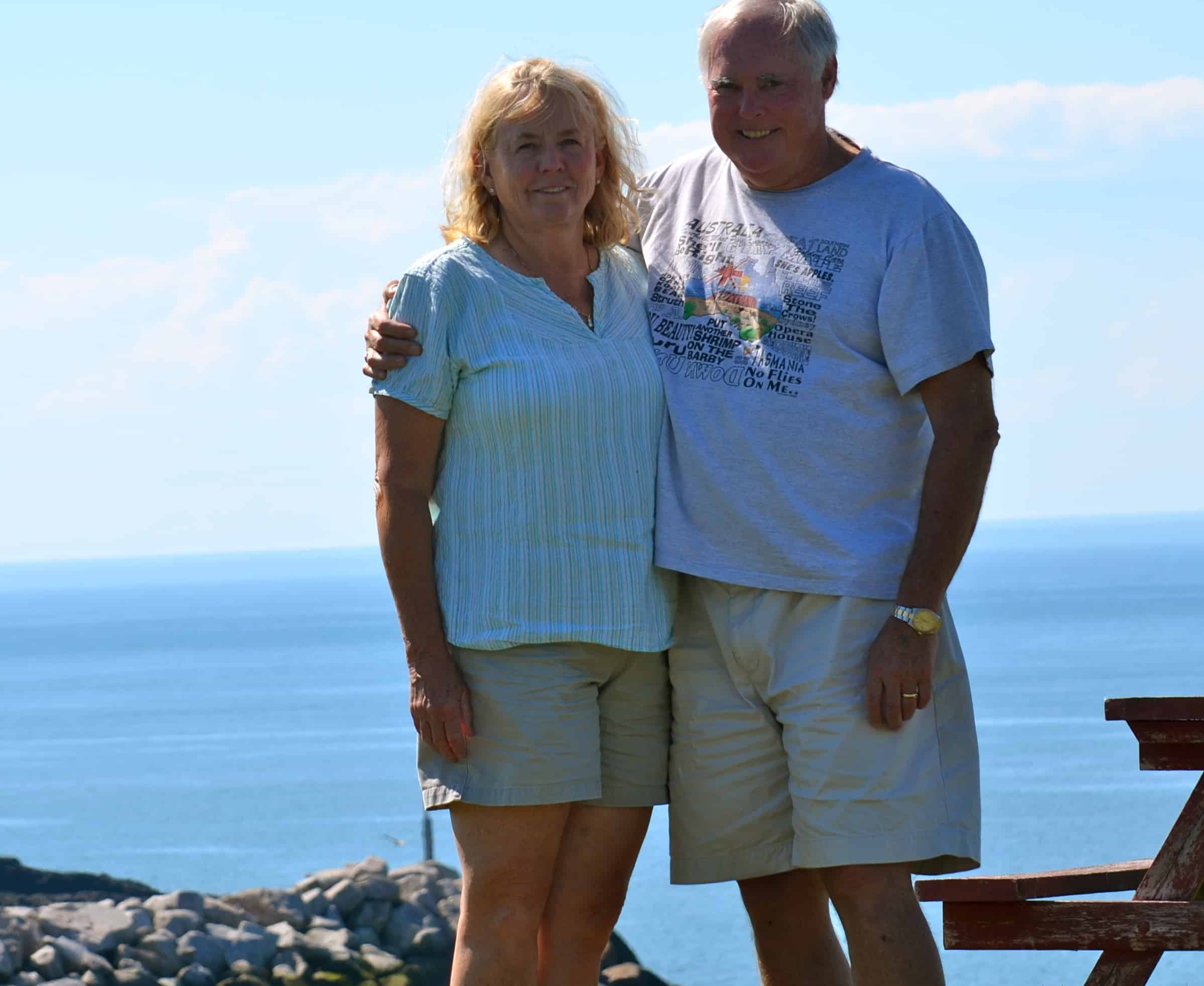
Then haddock for dinner with the champagne we had bought the day before. A great 13th anniversary.
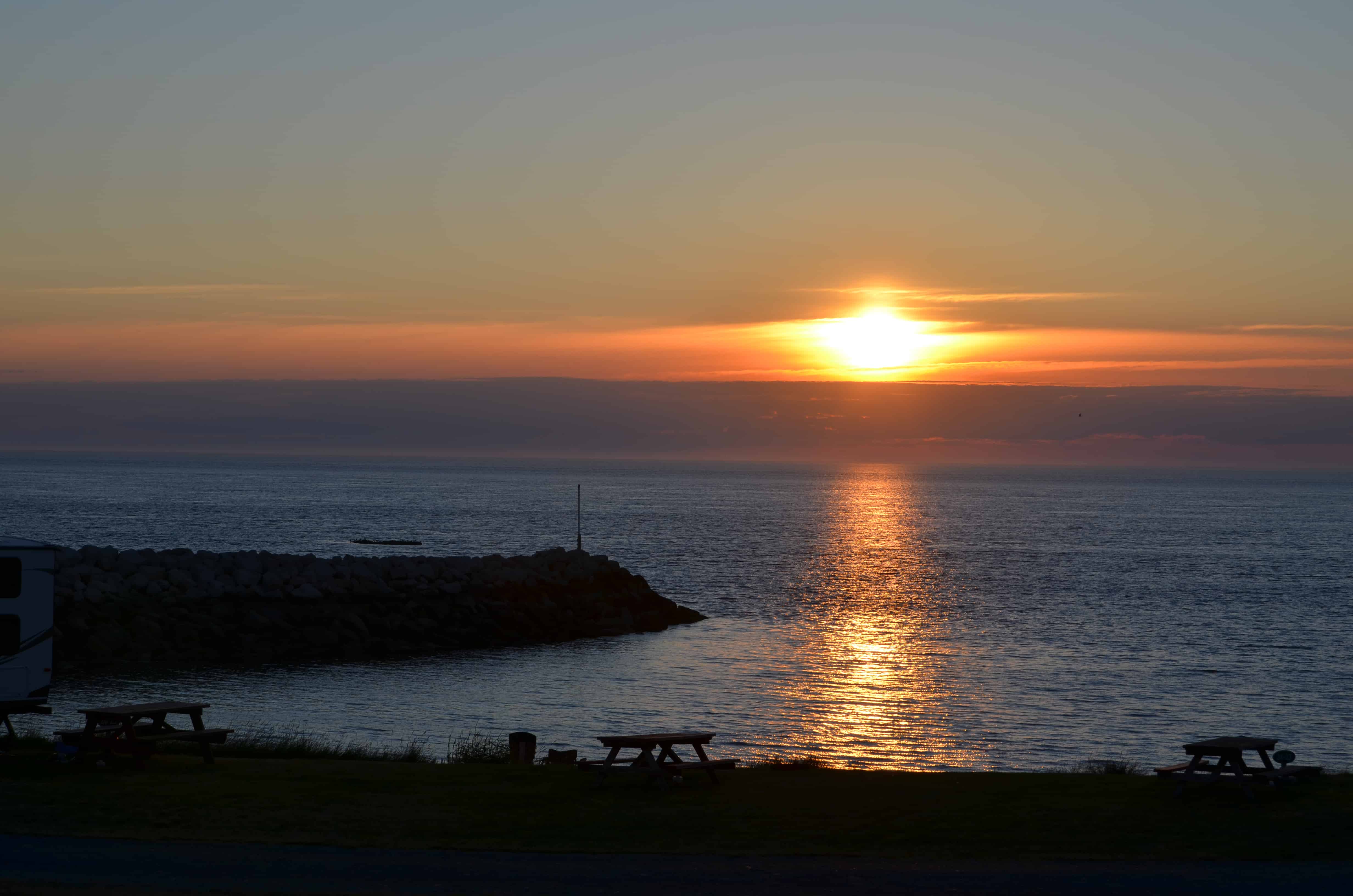
In the morning we drove out toward Yarmouth, the western port of Nova Scotia, and saw a sign for a lighthouse. Thinking it would be a good place for lunch, we turned. Did not know it was a 30-minute drive out and 30 minutes back. We made it to the lighthouse and laughed about it on the way back.
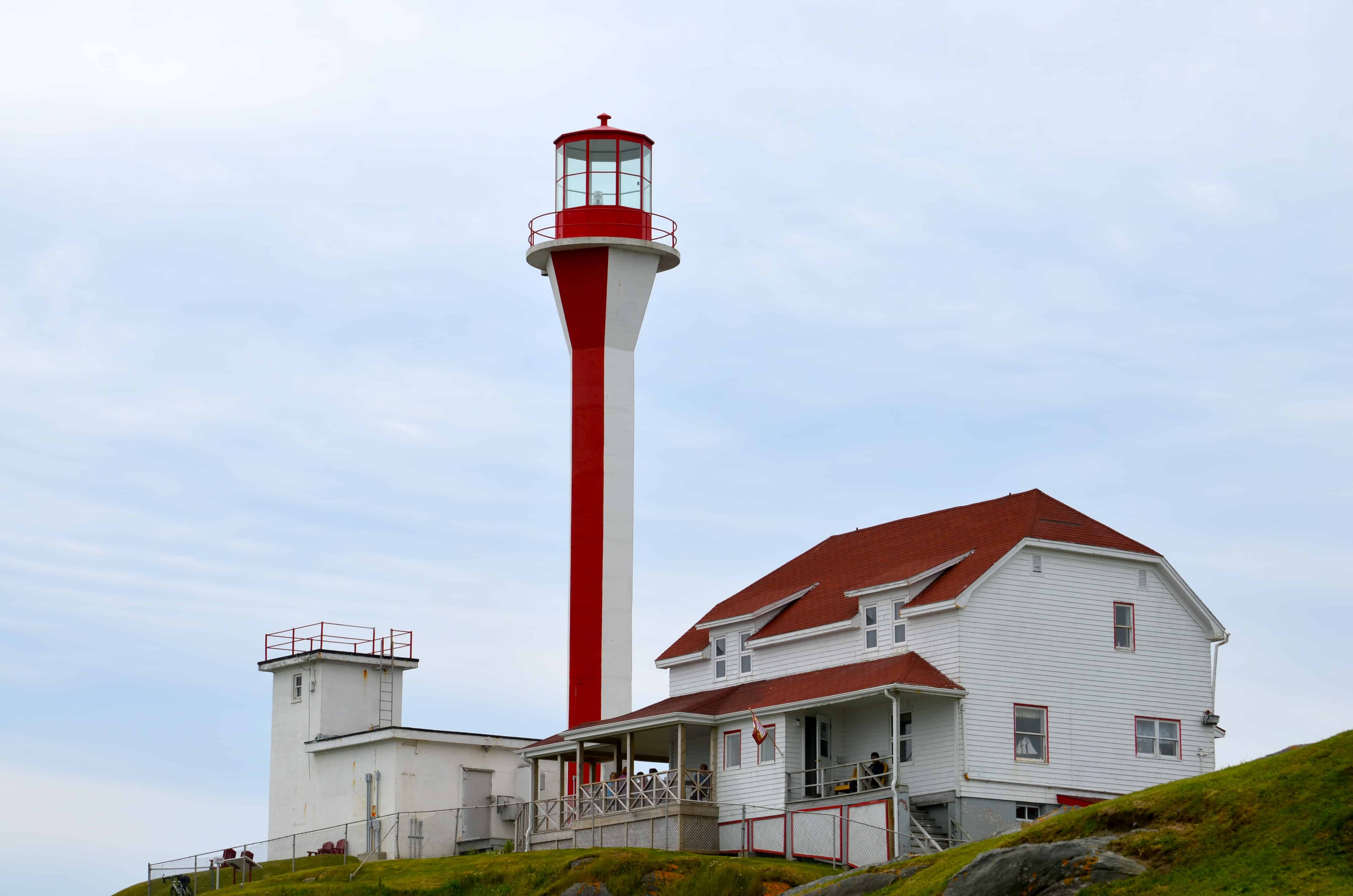
Seeing lighthouses in the Maritimes is like seeing churches in Europe. Eventually you notice you have been doing it all day.
Not reading the map carefully, we then drove south for about ten miles before realizing we were going nowhere, turned around, and finally got on the road toward Shelburne. Shelburne is another must-see, an old town used as the filming location for a couple of Hollywood movies. The buildings were interesting.
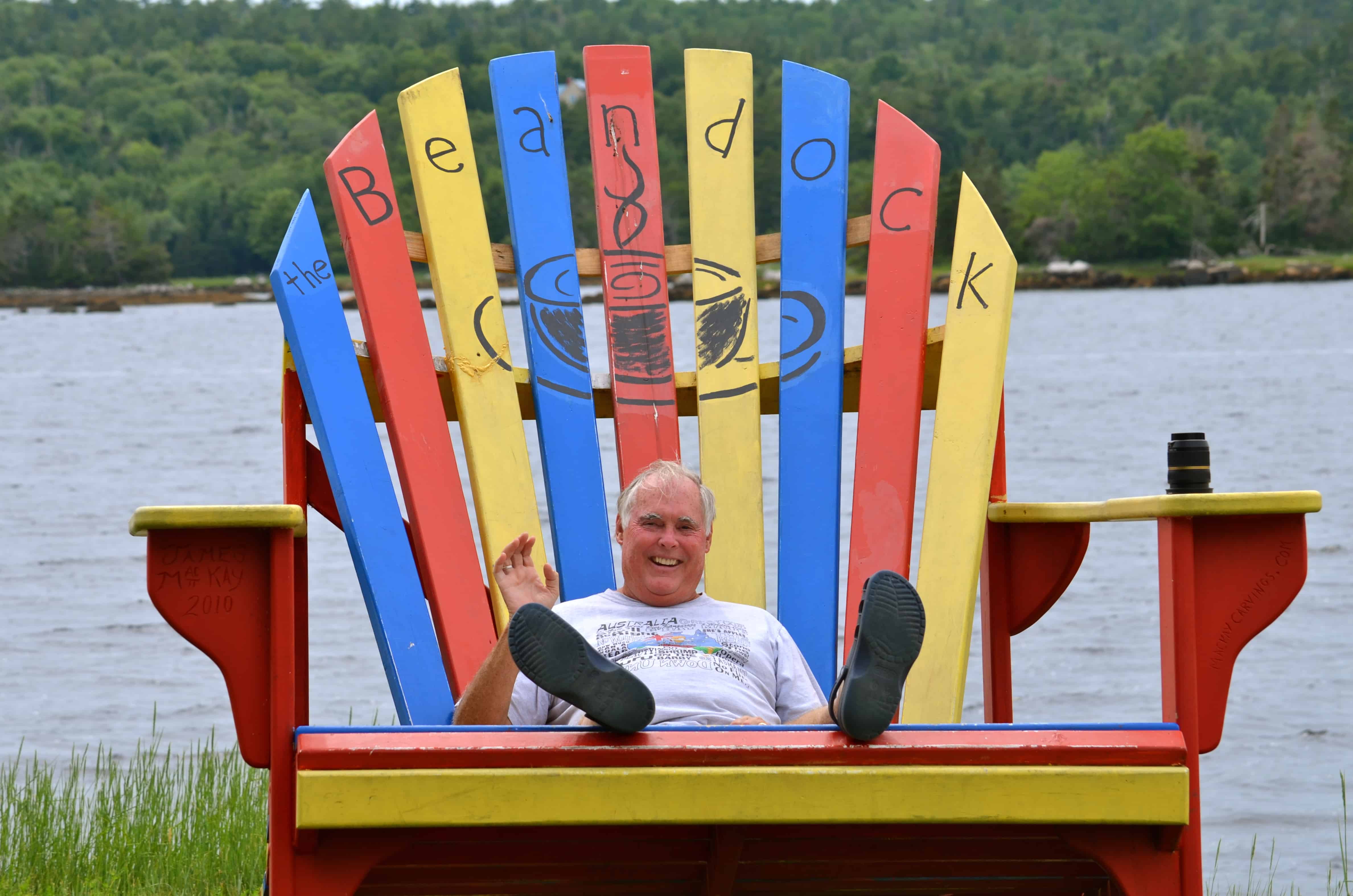
Janice loved the seat that made John look like a little boy.
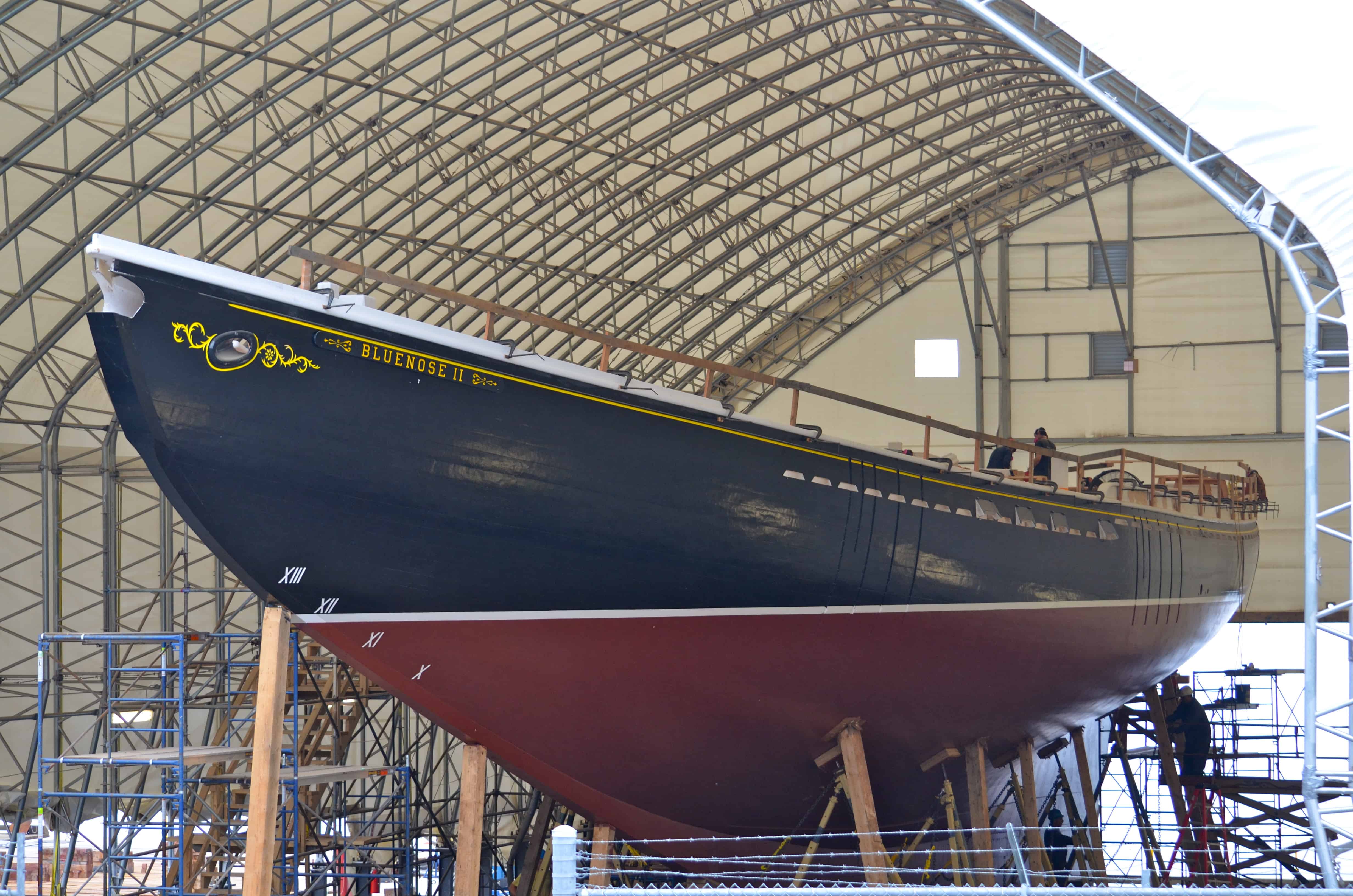
On to Lunenburg, a great town with strong historical character. The highlight there was the restoration of the Bluenose II.
A bit of history. In 1920 the Halifax Herald newspaper established a formal racing series for working schooners. The trophy was the International Fishermen's Trophy. Two things lit the spark. There was a friendly rivalry between the American and Canadian fishing fleets, and there was a feeling among the working schoonermen that the America's Cup racers were yachts being sailed by yachtsmen, and that those yachts seemed to be towed in for repairs or adjustments on every other start. In 1919, the New York Yacht Club had canceled an America's Cup race because the wind was 23 knots, which the working schoonermen of the Atlantic could not abide. The first year of the Fishermen's Trophy race was won by the schooner Esperanto out of Gloucester, Massachusetts, taking the trophy to New England.
Dismayed, Nova Scotia commissioned a new ship designed for the race and the fishery both, and built it in Lunenburg. The Bluenose was launched in March 1921. After a season of fishing on the Grand Banks, she beat Gloucester's Elsie and brought the trophy north. Over an eighteen-year racing career, she never gave the trophy up. American and Canadian builders kept trying to design a ship that could beat her, and none of them did.
The Second World War ended the era of the great fishing schooners. Steel trawlers replaced the salt-bankers, and the fleets no longer set out to wring a harvest of cod out of the cruel North Atlantic. With no money raised to make Bluenose a museum, she was sold and put to work as a freighter in the Caribbean. She struck a reef off Haiti and sank. She remains an icon in Canada. She is on the ten-cent coin.
In 1963 the Bluenose II was built to the same plans as the original, and she is kept in Lunenburg. She was in dry dock for restoration the day we visited, with completion scheduled for later in the year. Seeing the ship and watching the video on the original Bluenose in the visitor center was the highlight of Lunenburg.
Next stop was Peggy's Cove.
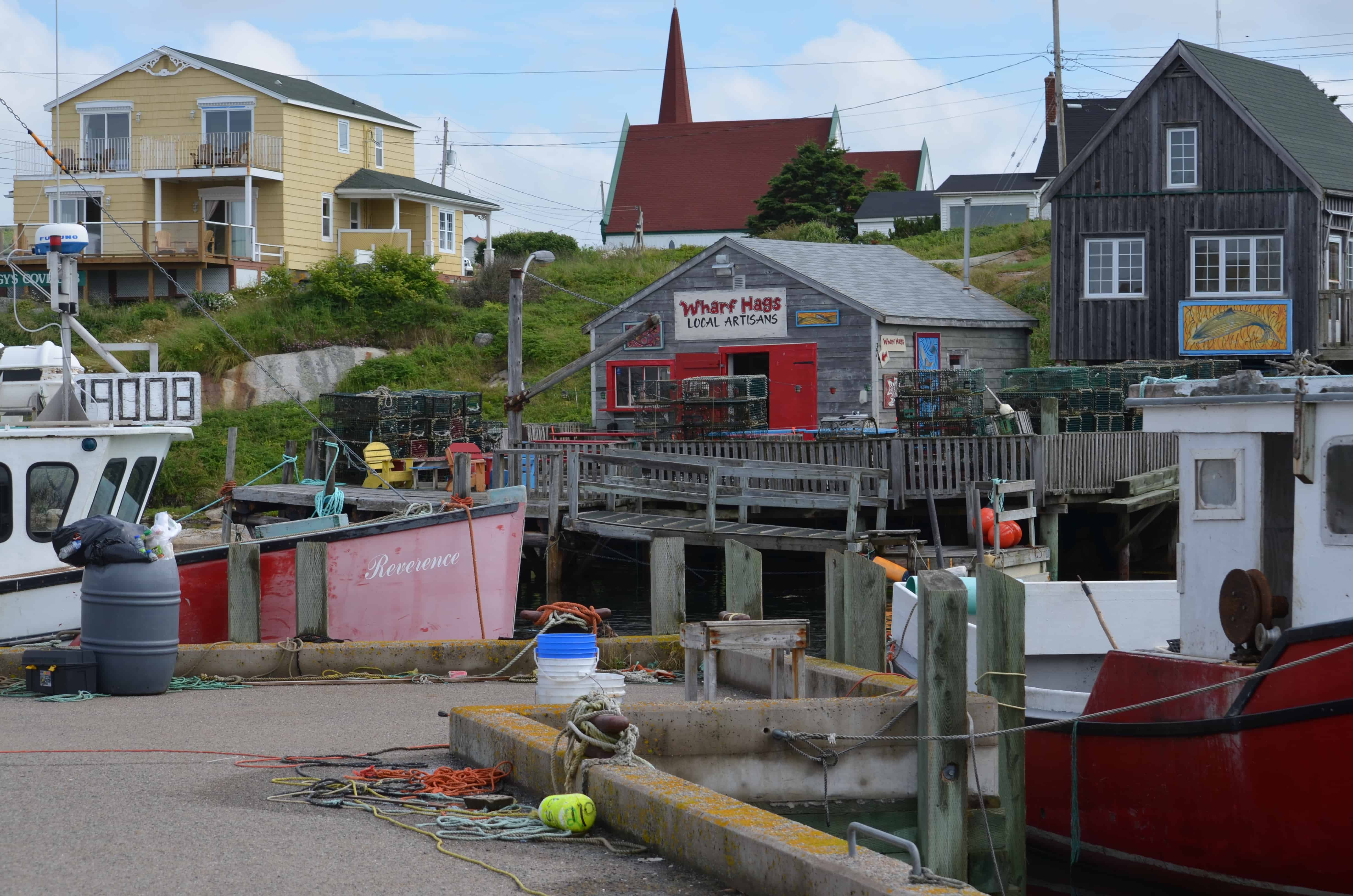
It is one of the most photographed places in Nova Scotia, and you can see why.
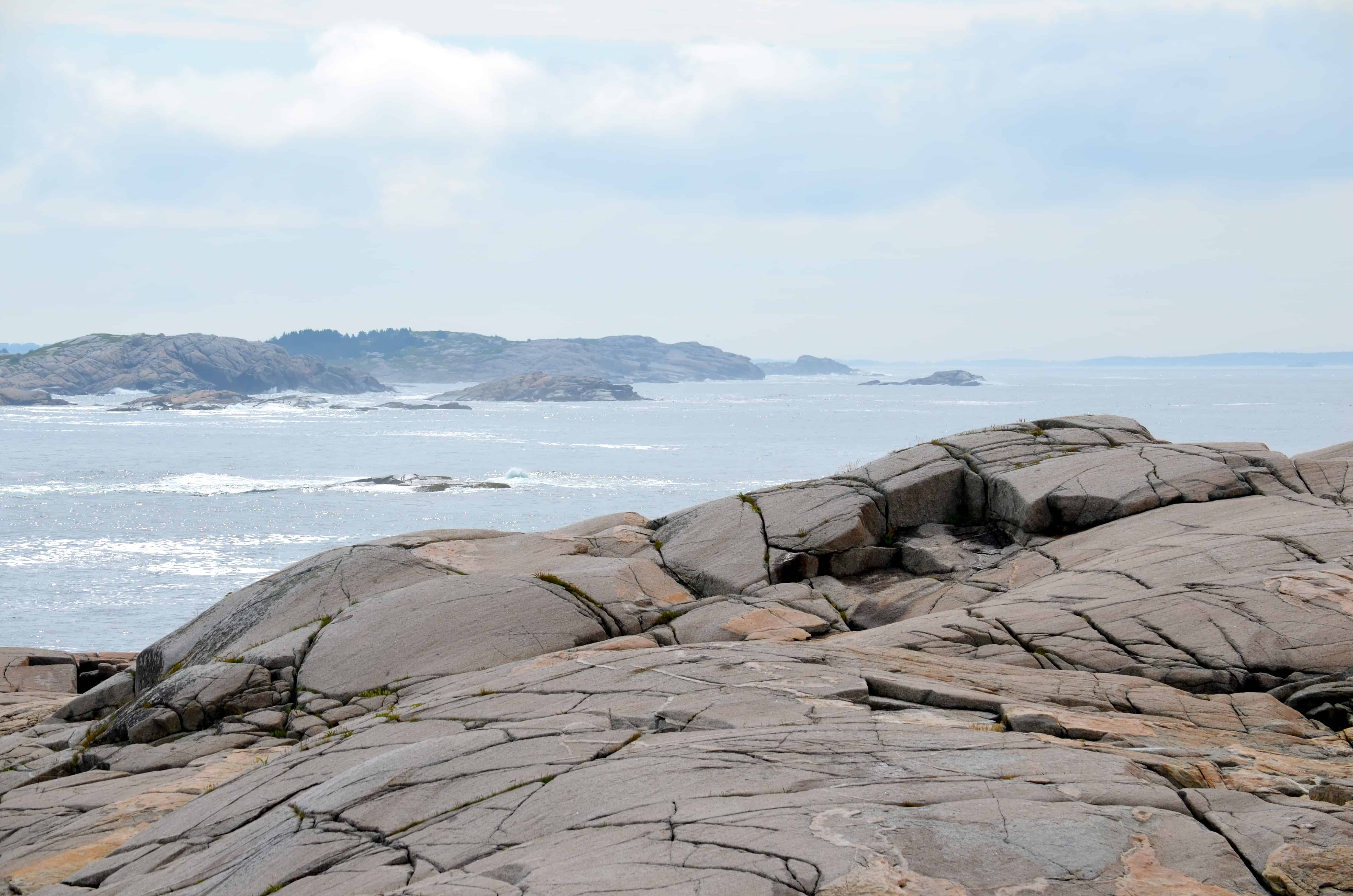
Up until two years before our visit, the lighthouse housed a working post office.
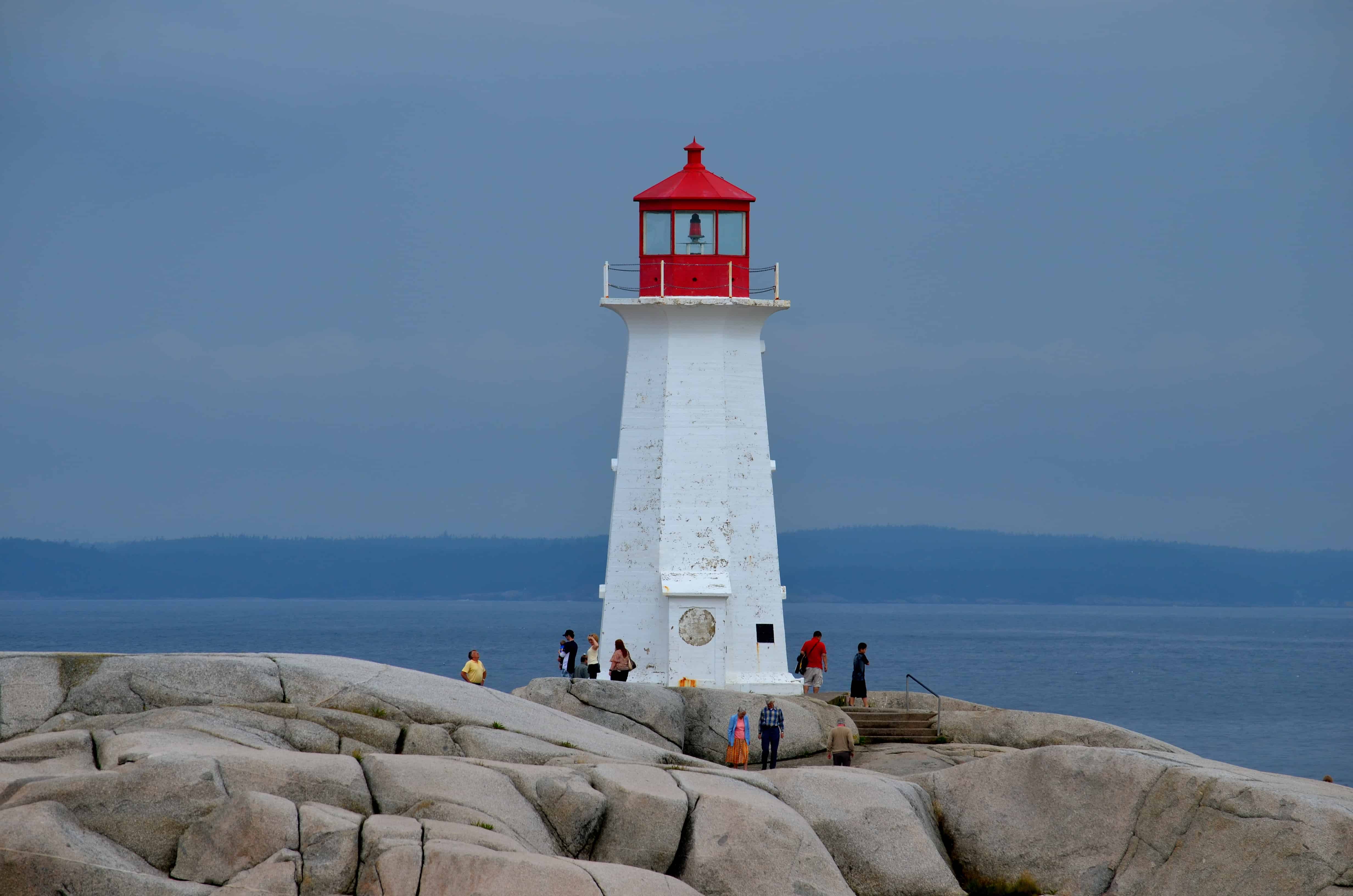
It really was as beautiful as everyone had told us it would be. The most-recommended stop on our route, and rightly so.