Dateline May 25, 2016, Auschwitz
Of everything we saw in those ten weeks, this is the place we set apart, and the hardest to write about. We will keep it plain.
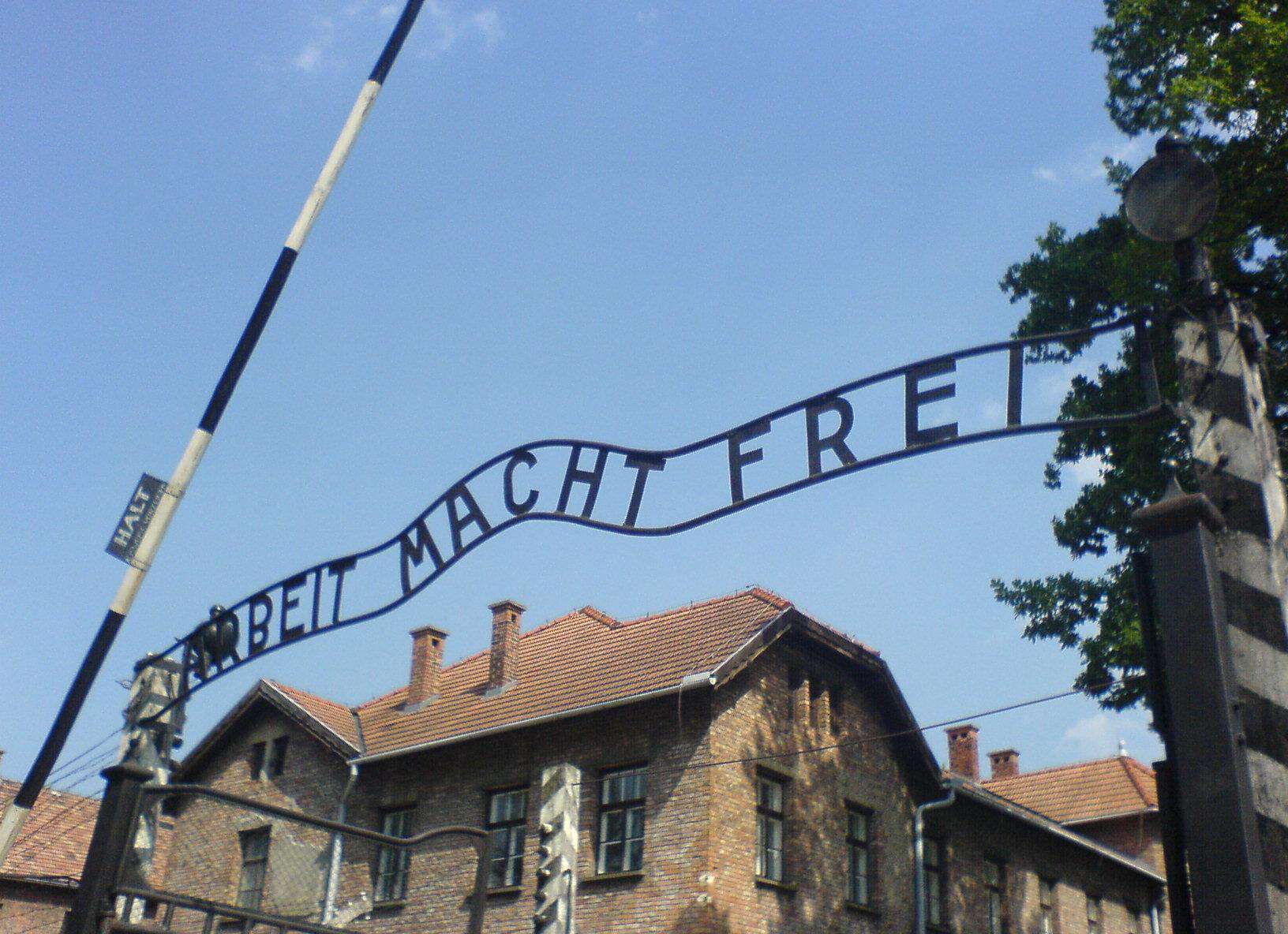
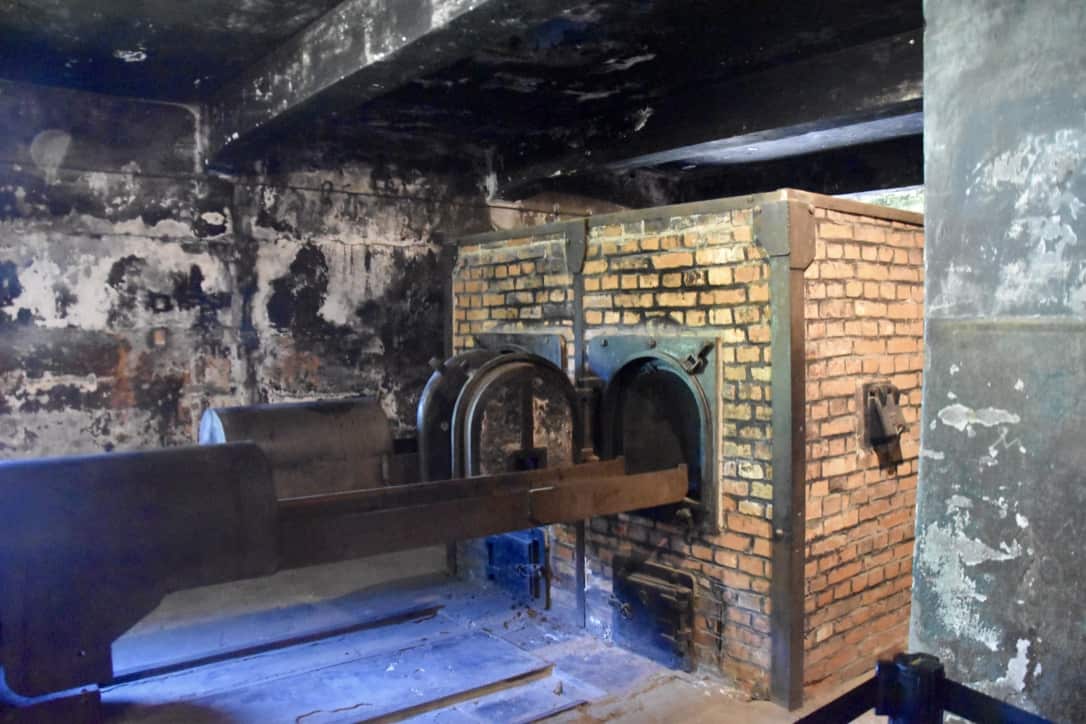
From Krakow we were picked up with another couple and driven out to Auschwitz. What we found was beyond anything a history book had ever shown us. The complex was larger than we had understood. There was Auschwitz I, the original camp; Auschwitz II, Birkenau, built for killing on a vast scale; Auschwitz III, Monowitz, a labor camp feeding a factory; and forty-five smaller camps besides. At the entrance we were put into groups of about twenty, each with a guide, and we began at Auschwitz I.
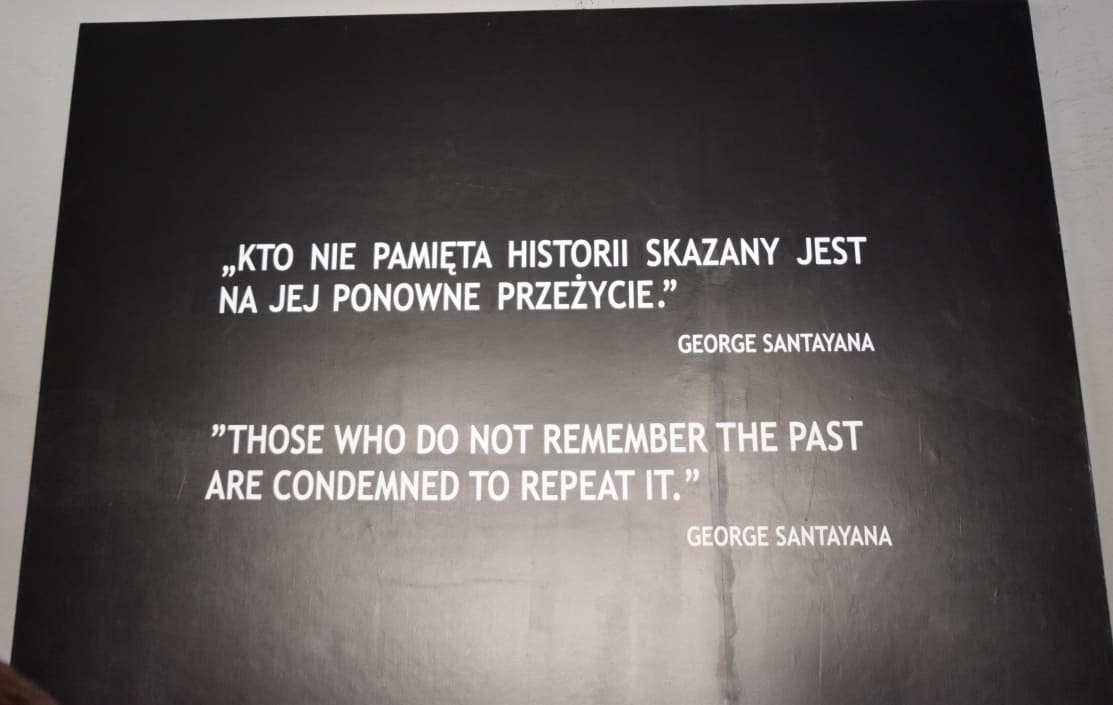
At the first building was the warning most people know, that those who cannot remember the past are condemned to repeat it.
From there we went building to building. People had been held in small rooms with no beds, almost no facilities, little or no water. One building held photographs of Polish Jews murdered in the camp, and the dates beneath them were their own kind of testimony: the women lived, on average, one to three months, the men three to six. Our guide told us of a man on one of her tours who asked whether he might have one of the women's photographs from the wall. He had been separated from his mother at five years old, and the face on the wall was hers. The archive made him a copy. It was the only picture of her he had.
Some things a photograph carries better than any words of ours.
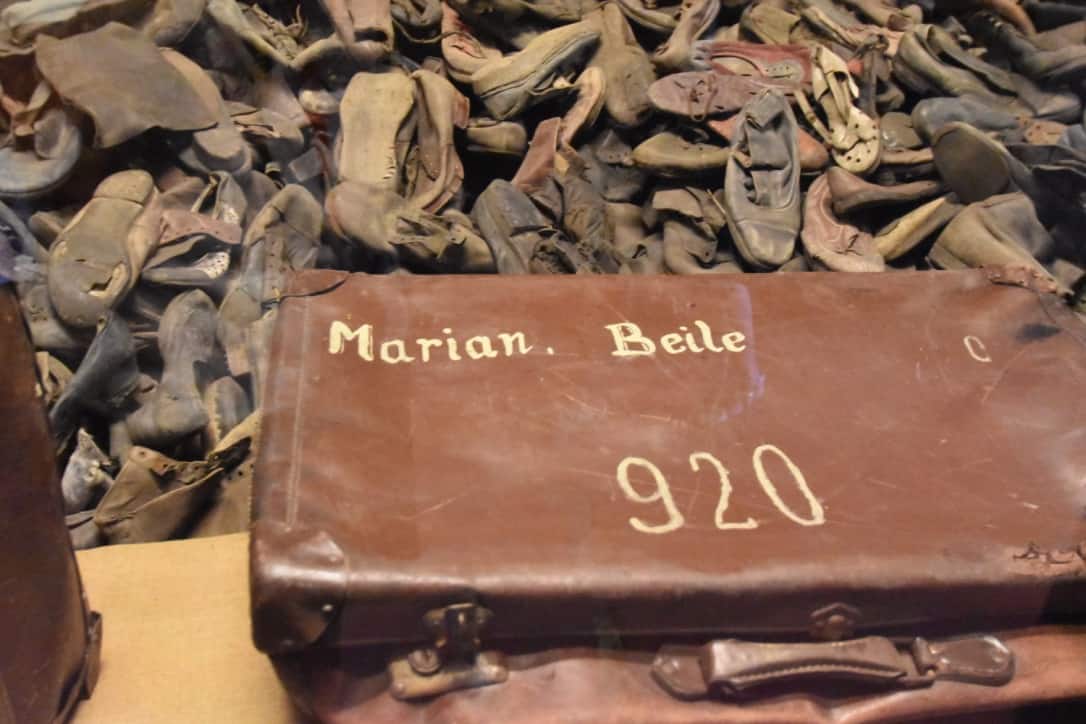
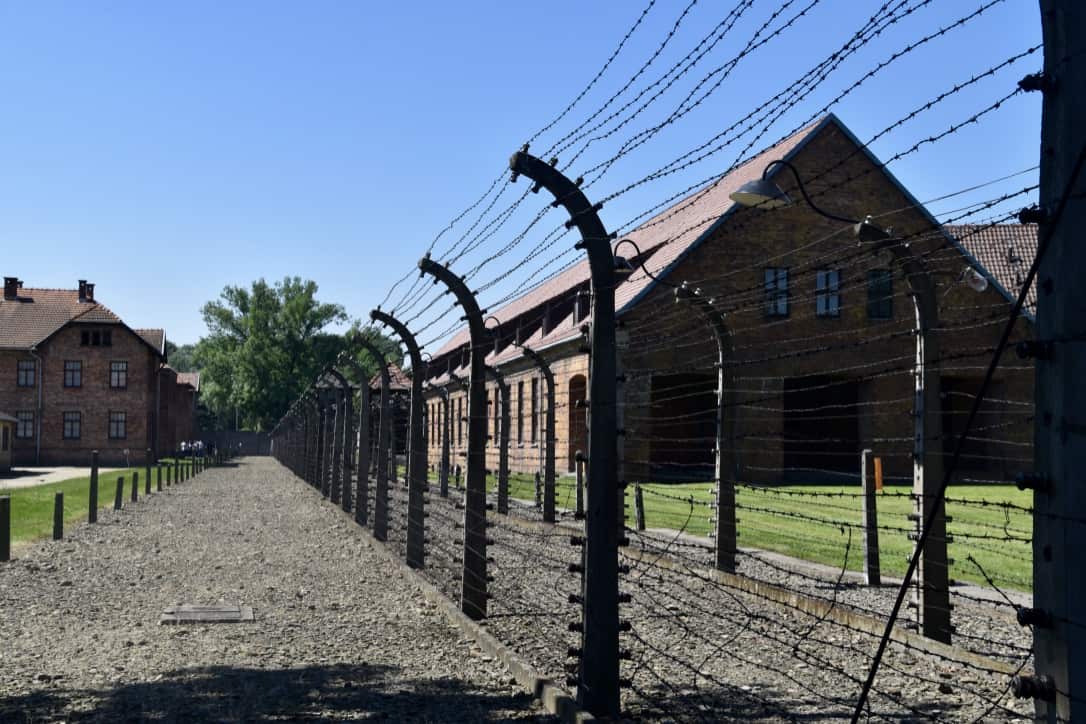
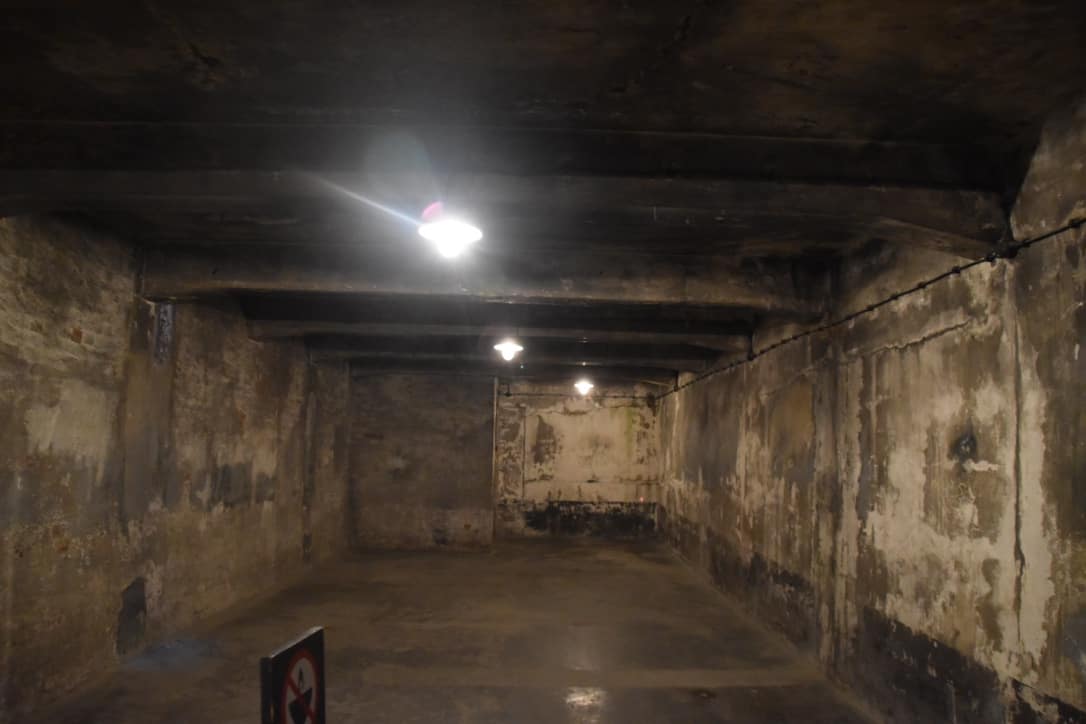
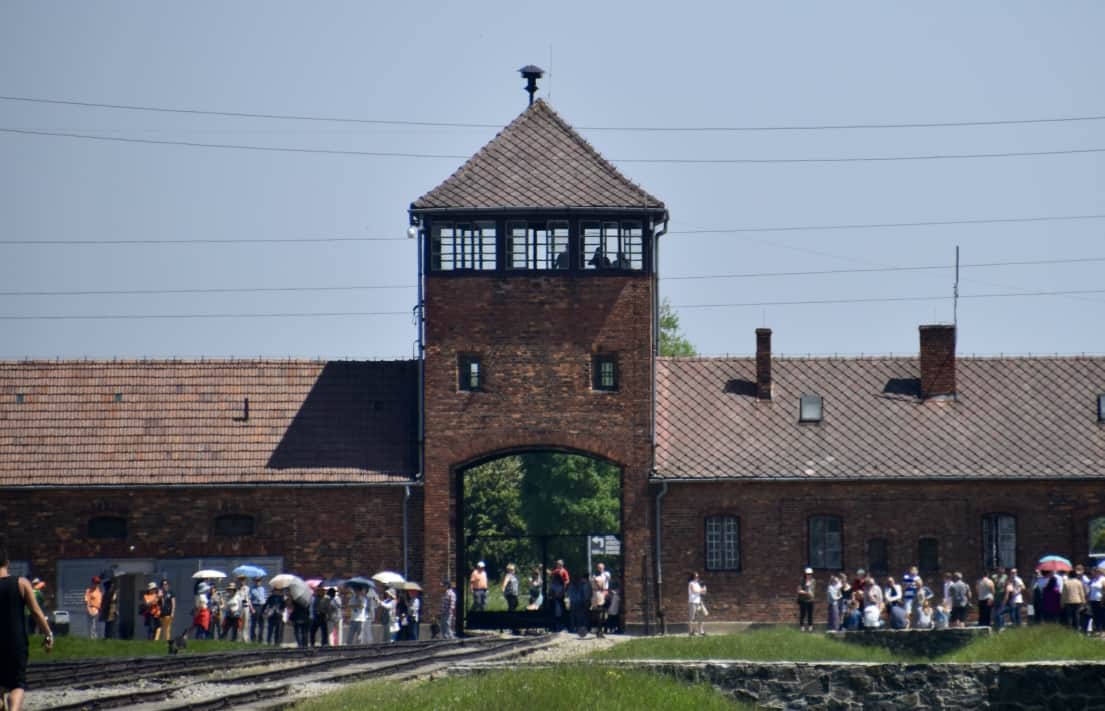
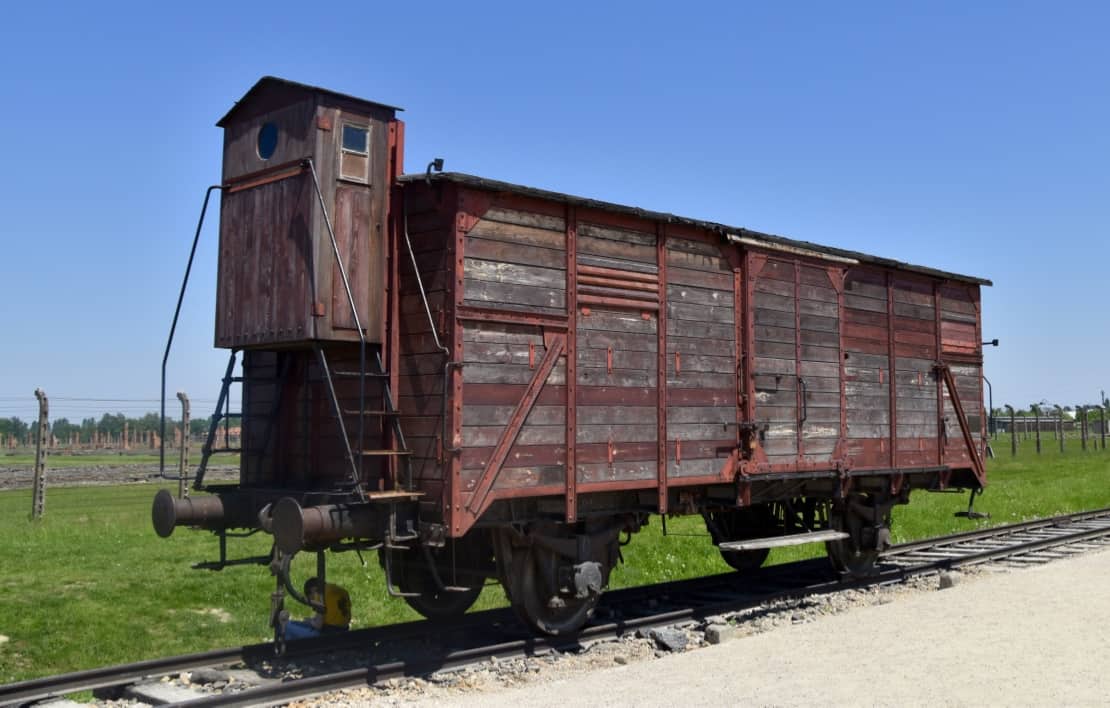
Birkenau. A short drive away lies Auschwitz II, Birkenau, four hundred acres, the place the trains came to. People stepped down onto the platform, and their belongings were piled where they stood, gathered up, sorted, and never given back. As the war closed in, the Nazis tried to pull down the buildings and burn away the evidence of what they had done.
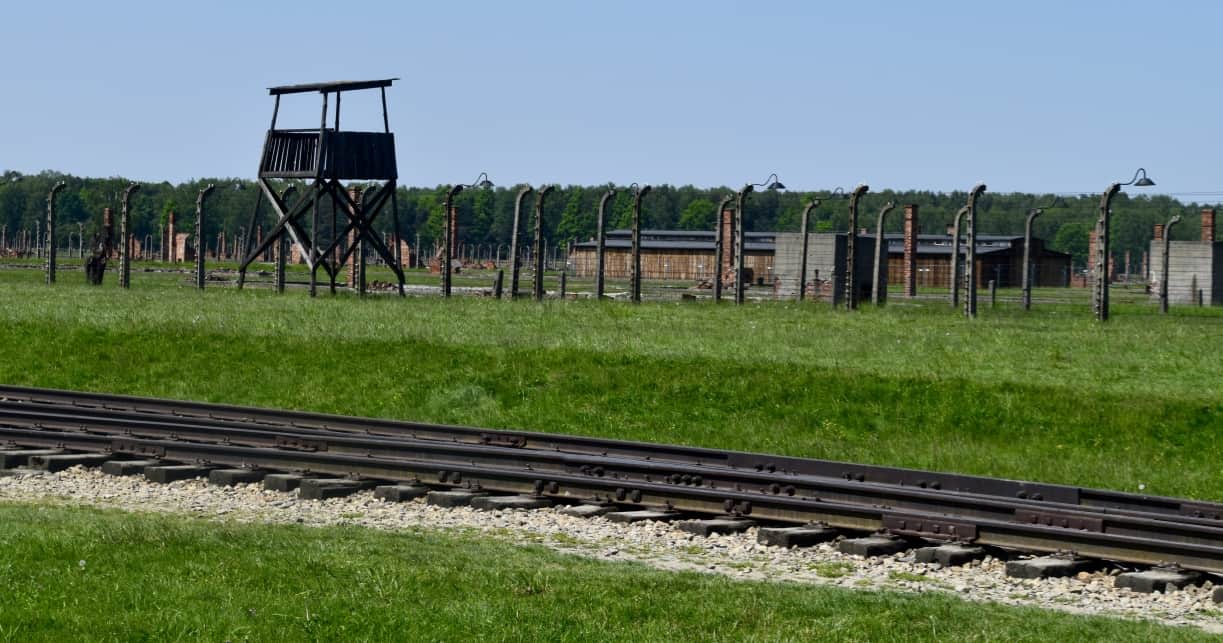
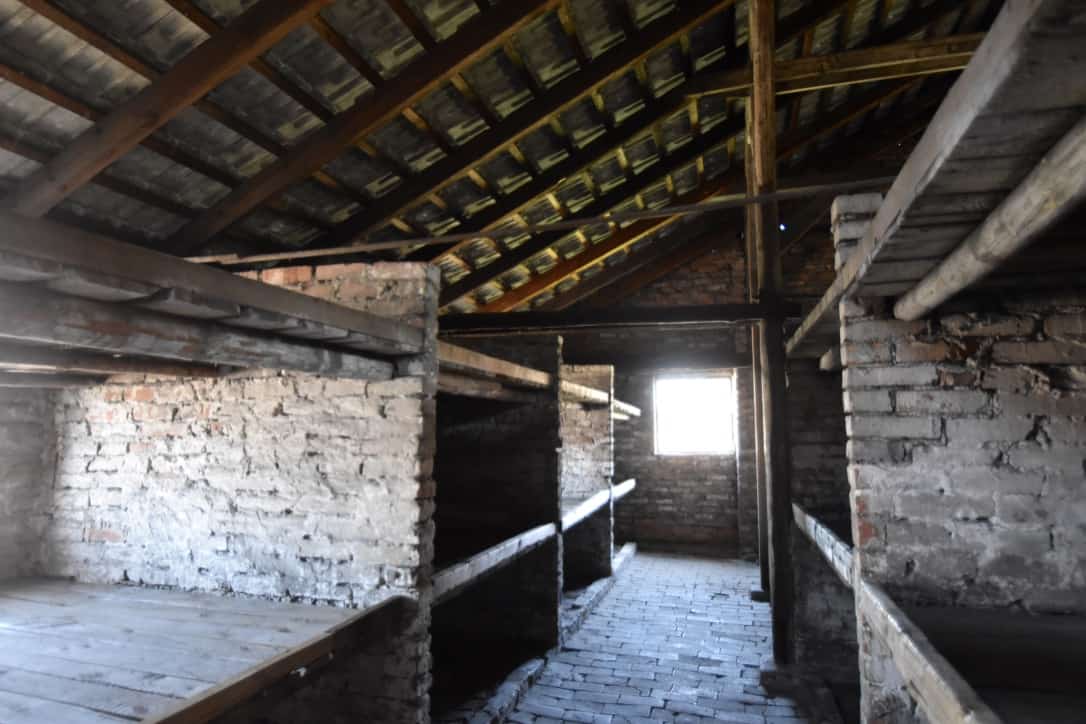
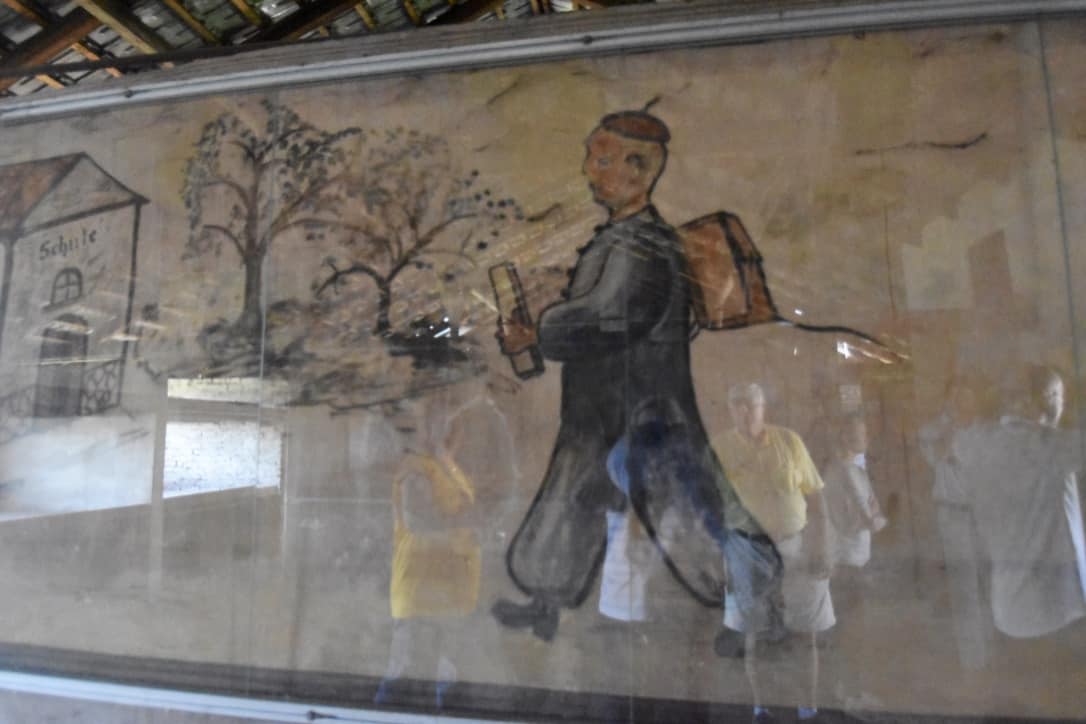
Behind one of the ruined crematories is a pond where the ashes were poured. It is still there. Not long ago, the ashes of a survivor were placed in it, at their own request.
At the end our guide said what she always says, that no one has ever truly understood how this was allowed to go on, that most of the world knew, that the reports reached London and Washington. Whatever else is in doubt, she said, there is no doubt at all that it happened. We came away wondering how human beings can do such a thing to one another, and knowing it is still being done somewhere even now. We have to stay watchful, and stand for the people being destroyed for their race or their faith.
No film, no book, no documentary can ready you for standing in that place.