Dateline May 26, 2016, Budapest
We came into Budapest off one more night train, the last of them, and walked straight into the best kind of luck. Our friend Hal Richey, whom we had met years earlier on a trip to Alaska, had kept a flat in Budapest for a dozen years and spent four or five months of every year in it. He arranged to be in town for our visit, met us at the station, and announced that it was time for what he called his "forced march." There is nothing like having your own guide, and a dear friend at that.
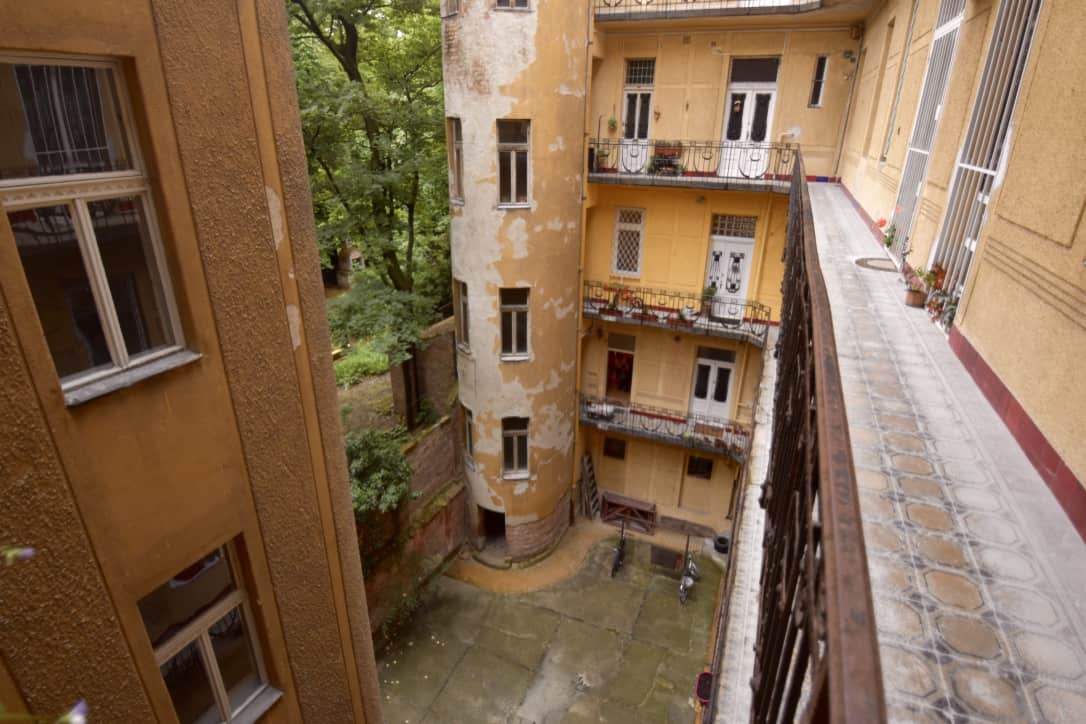
Hal's forced march. We dropped our bags at his flat, a bright place with big rooms around a large interior courtyard, the front handsomely restored and the rest, Hal admitted, due for paint. Then we set out on the buses and trams, across a city the Danube splits in two, the Buda side and the Pest side.
The first of the great squares was Heroes' Square.
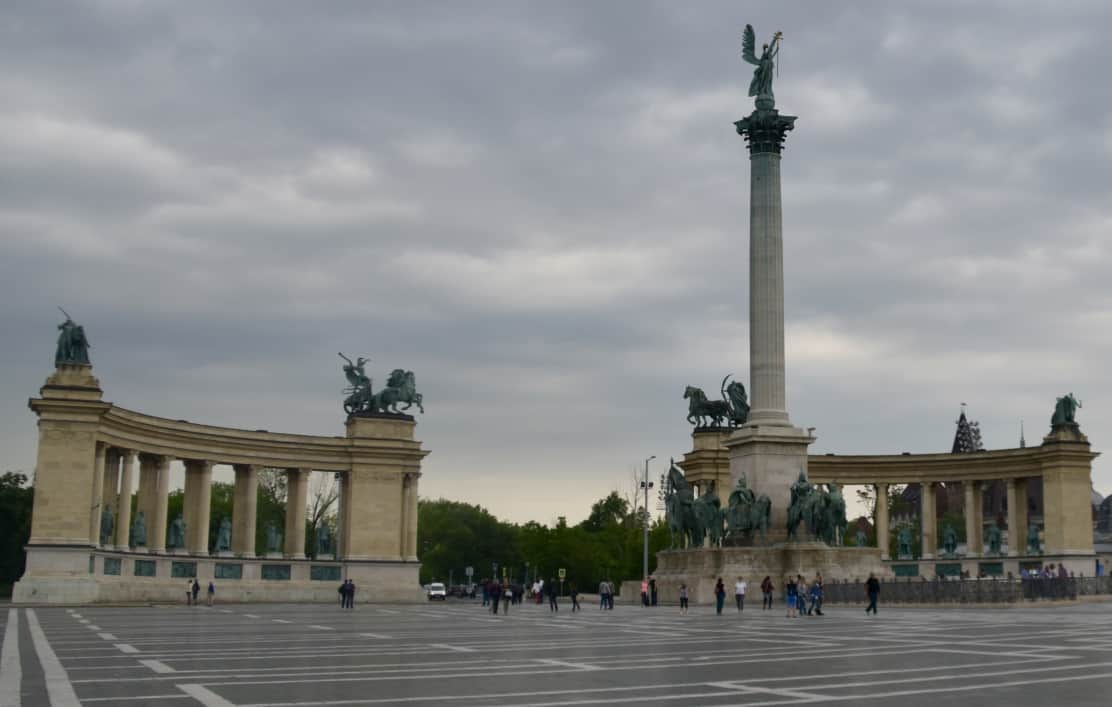
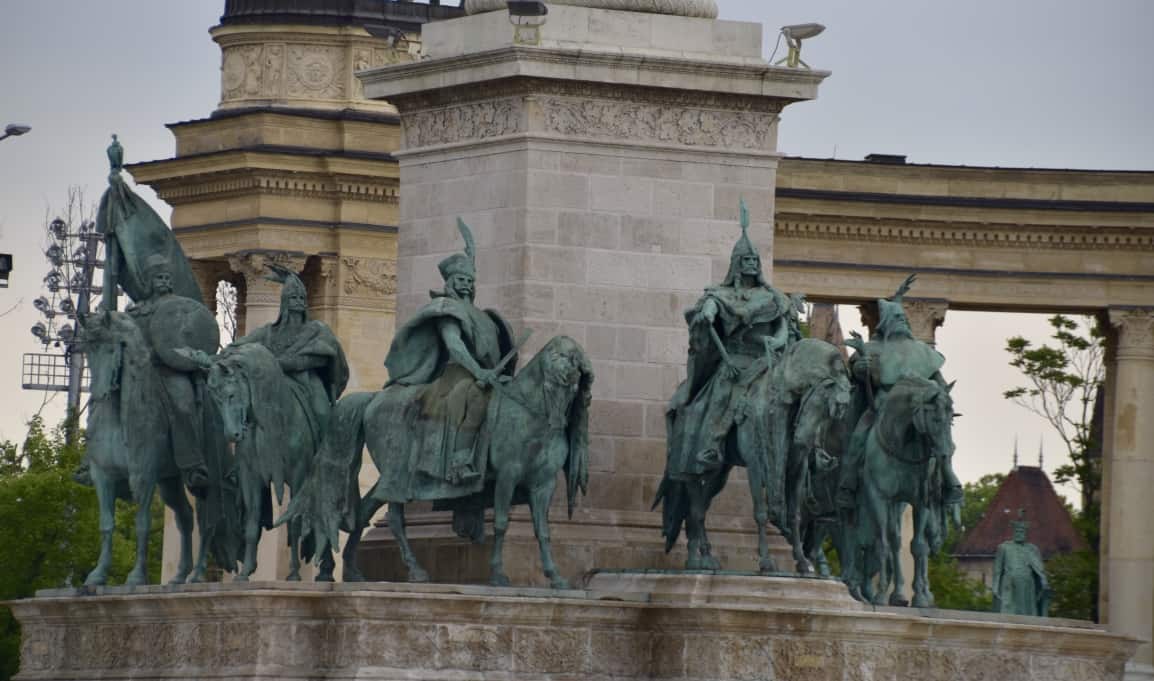
At its center stand the Seven Chieftains of the Magyars, the founders of the nation, alongside the Tomb of the Unknown Soldier.
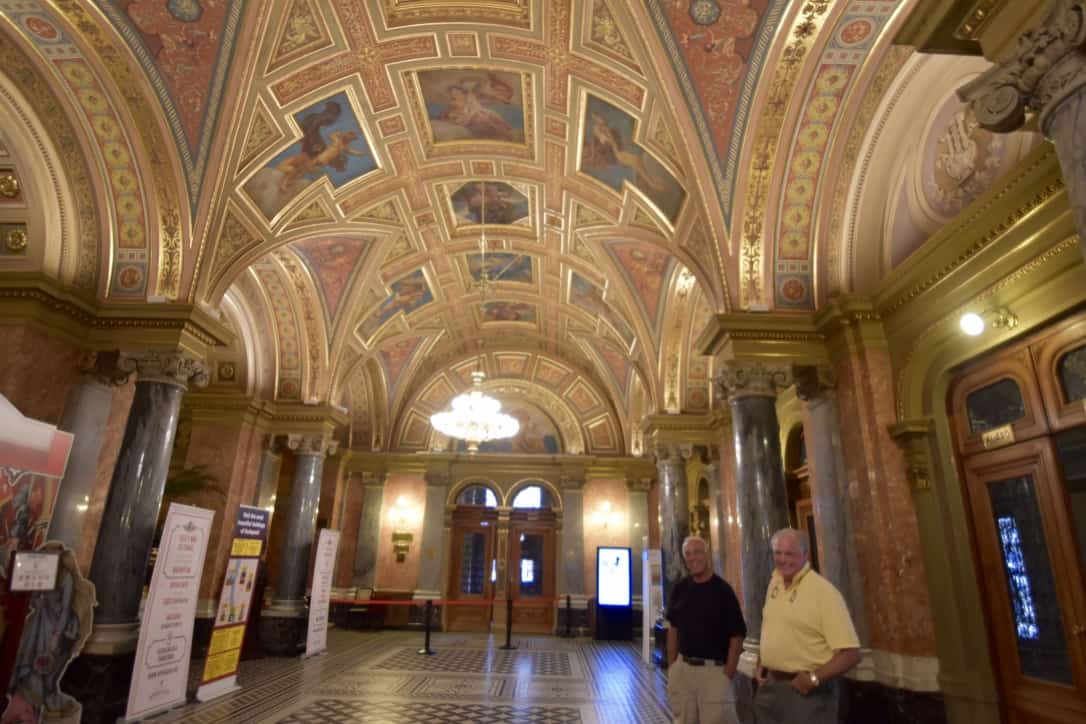
From there Hal walked us past the Hungarian State Opera House, which opened in 1884.
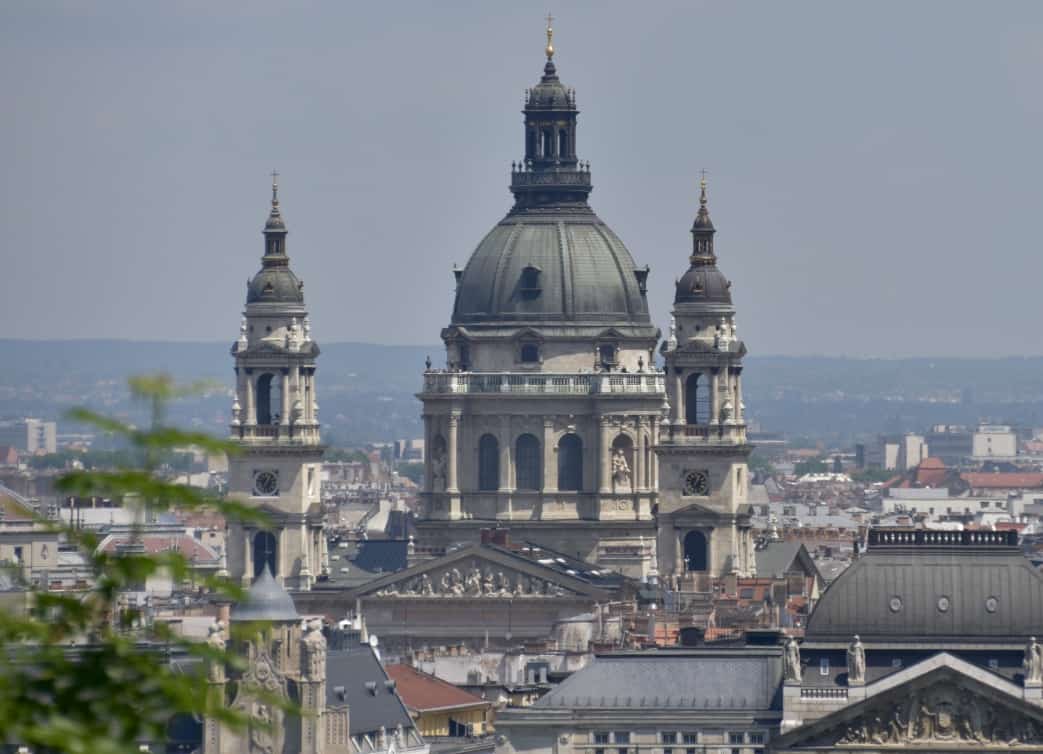
St. Stephen's and the Holy Right. St. Stephen's Basilica is a beautiful church, and what sets it apart is that behind the altar, where you expect the cross, stands St. Stephen himself, the first king of Hungary.
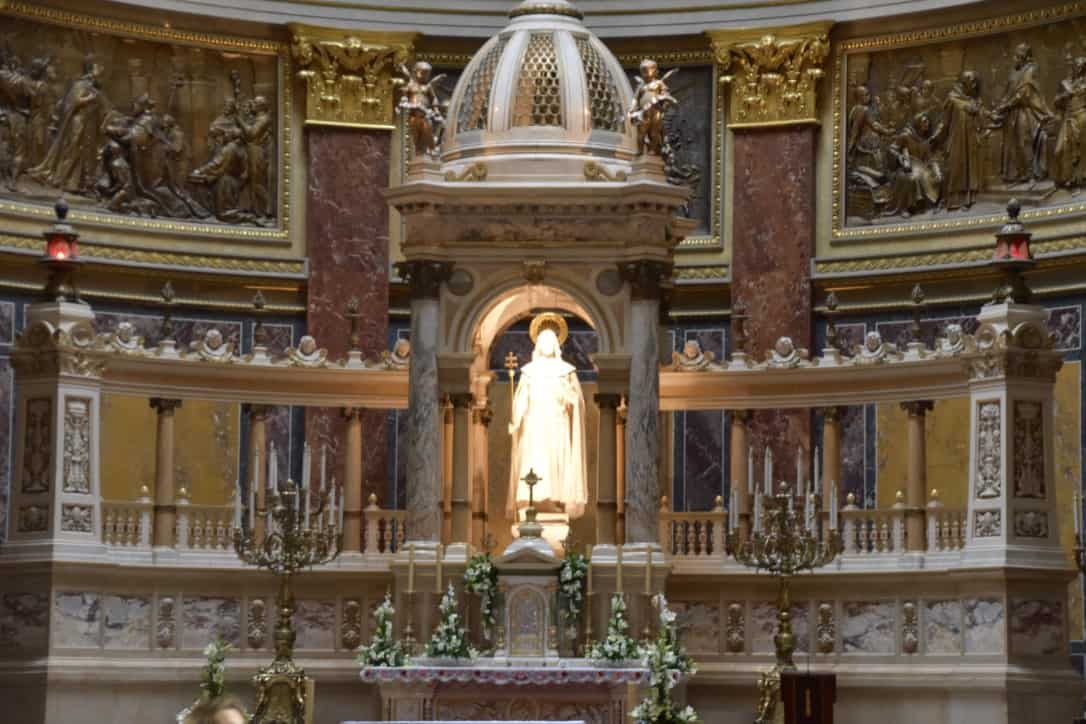
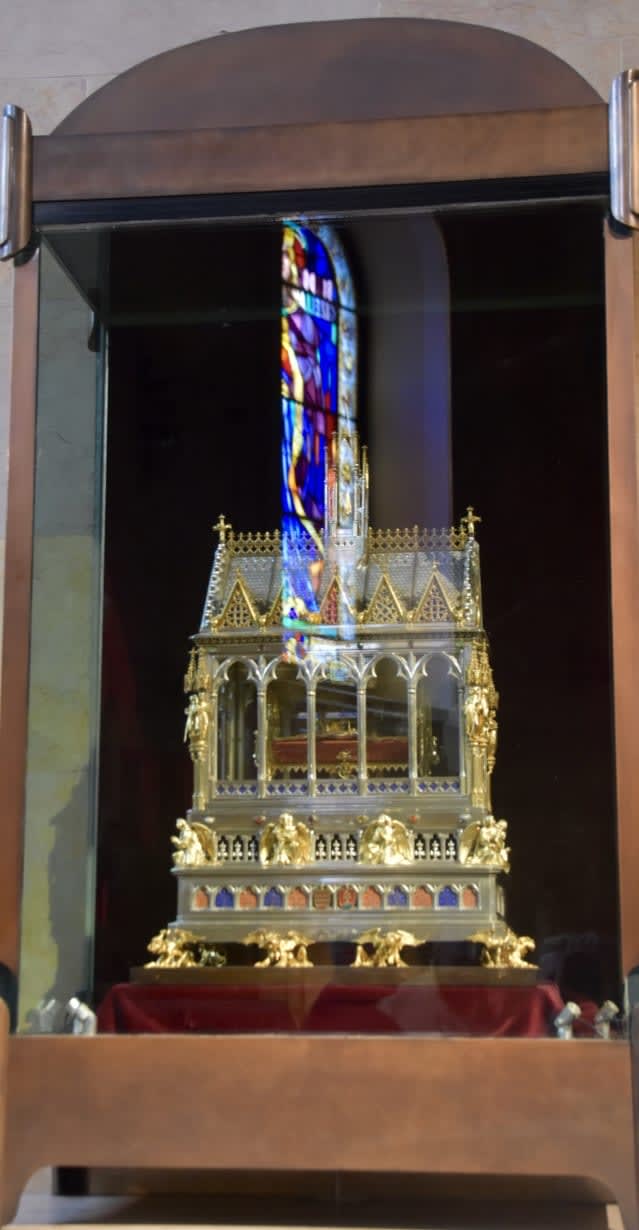
Off to one side is the Chapel of the Holy Right, which holds Hungary's most treasured relic, the mummified right hand of St. Stephen, kept in a glass shrine and carried through the streets each year on August 20, the anniversary of his death.
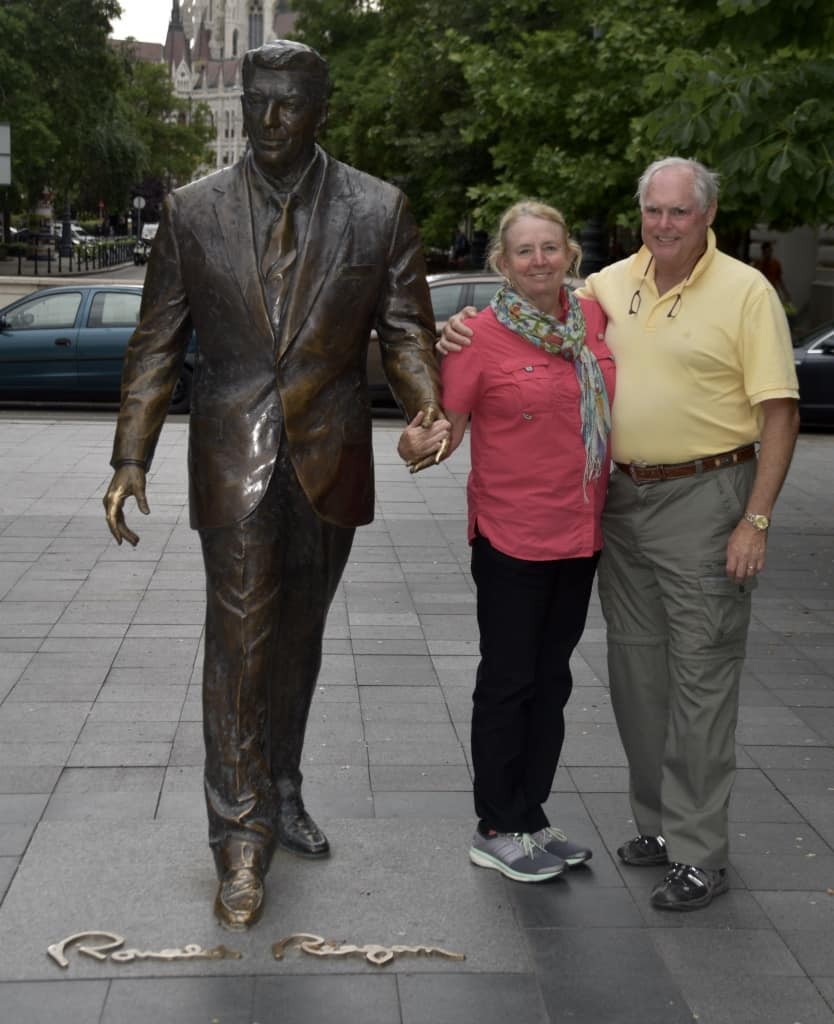
Reagan in Liberty Square. Heading back for the bus, we came upon a statue of President Ronald Reagan, in Liberty Square near the US Embassy, unveiled in 2011. At its unveiling the Hungarian prime minister praised Reagan as a leader who had helped bring down the walls that divided Central Europe and opened a new world to them. Janice could not resist taking the great man's bronze hand.
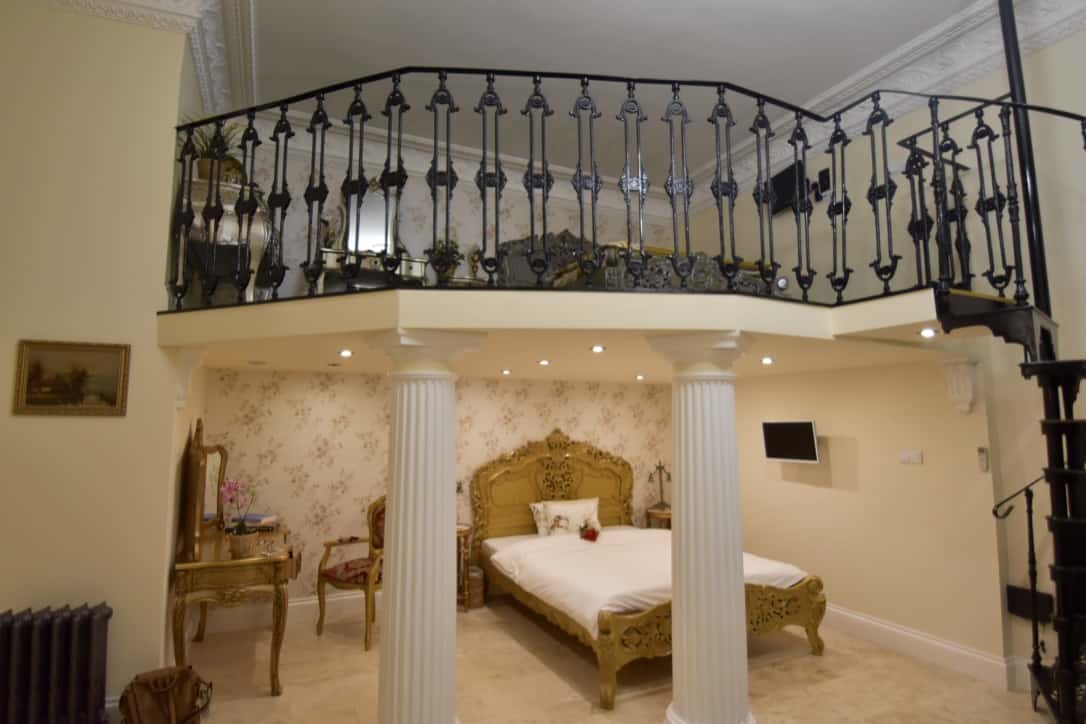
An evening with Hal. By then it was time to meet the host of our own flat. We found Gyula in an interior courtyard, and the apartment was just as its listing had promised, beautifully kept, with no outside windows but everything else we needed.
After a short rest Hal collected us again and took us to a ruin pub. These started, he explained, when people set up bars in old ruined buildings, and they are full of junk, every wall and corner crowded with it, with little nooks to sit in. They have become an institution, and there are a good many of them around the city now.
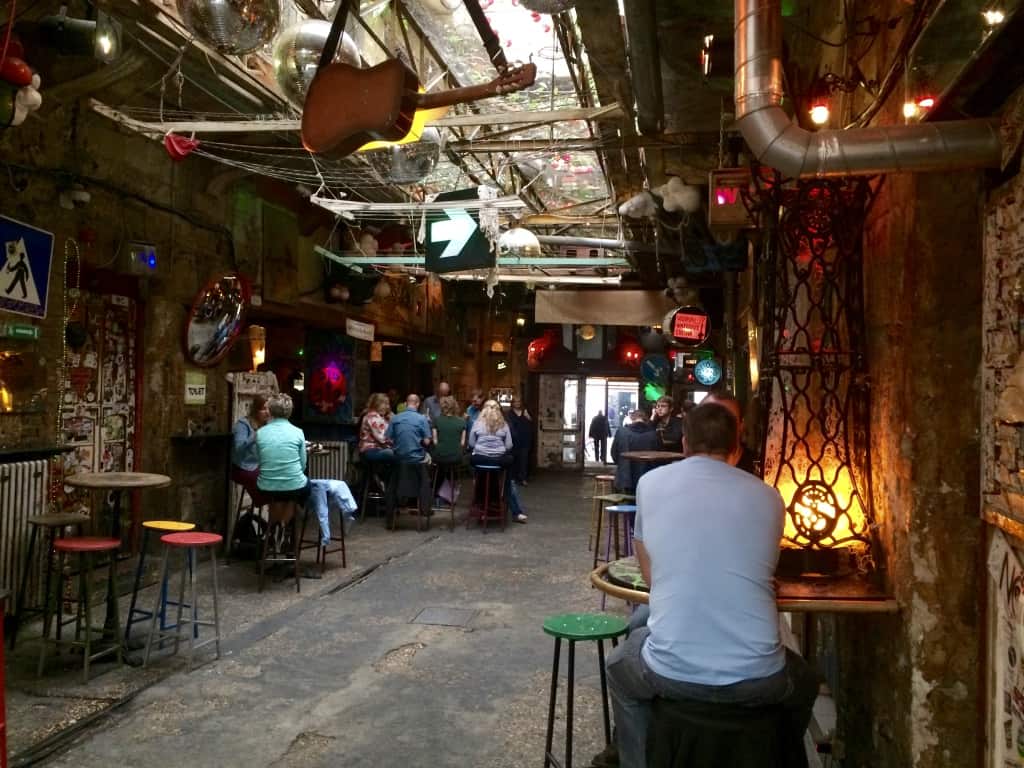
We stopped at another of Hal's favorite spots for a beer, and the time ran away from us. In the neighborhoods the last dinner seating is half past eight, so we had to hunt for a table, but the one we found served us a terrific meal.
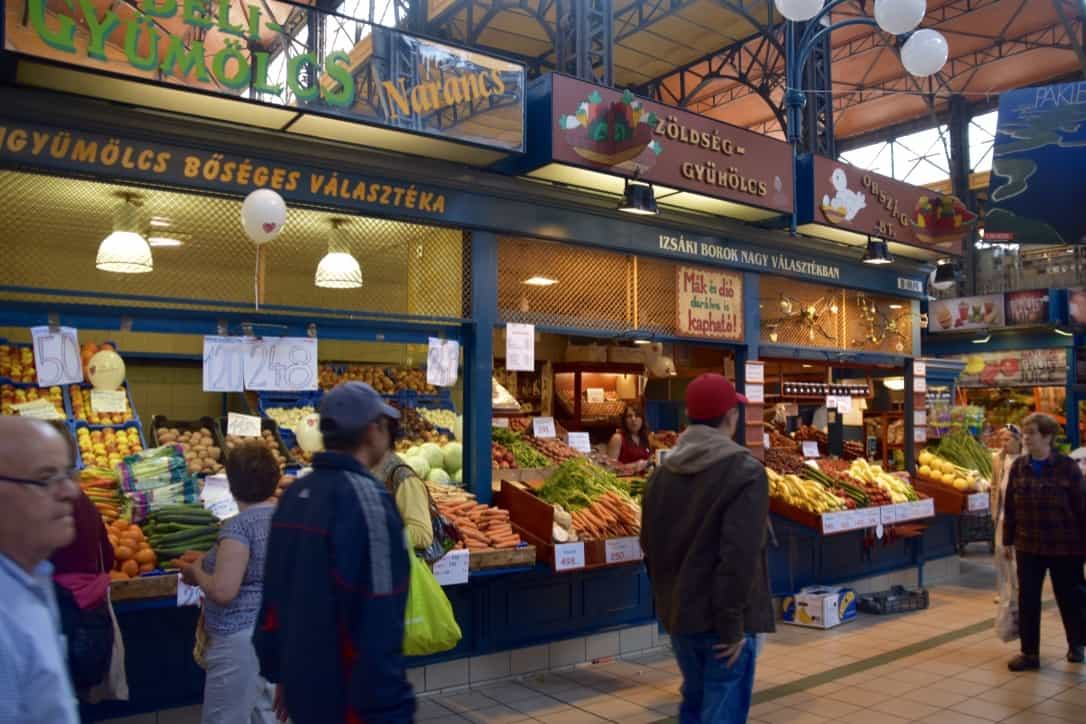
The great market. We met Hal at nine the next morning for breakfast at the central market, a huge hall full of the city doing its morning shopping, fresh fish downstairs and meat and vegetables across the main floor.
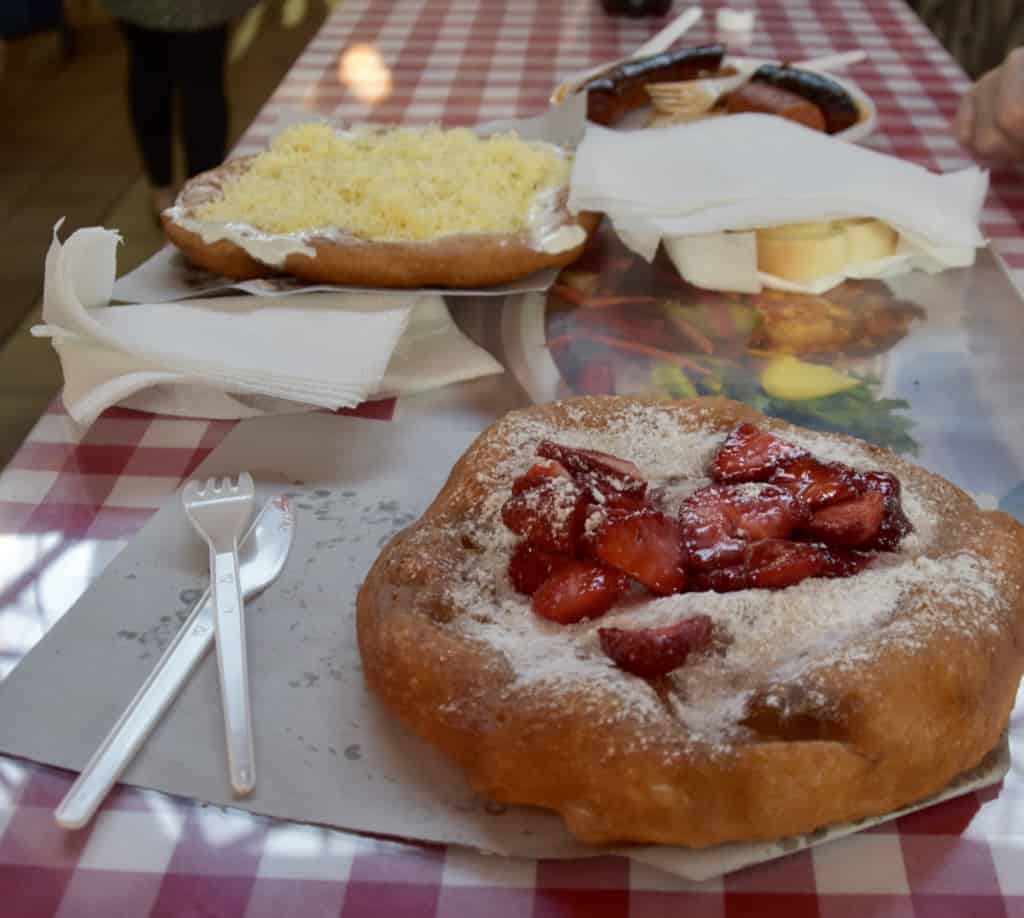
We climbed to the top floor to eat. John took meat and cheese, while Janice and Hal had Langos, Janice a cinnamon and strawberry, Hal a sour cream and cheese.
On the way out we passed a display setting the edible mushrooms beside the poisonous, the oddest-looking of them, it turned out, being the ones you could safely eat.
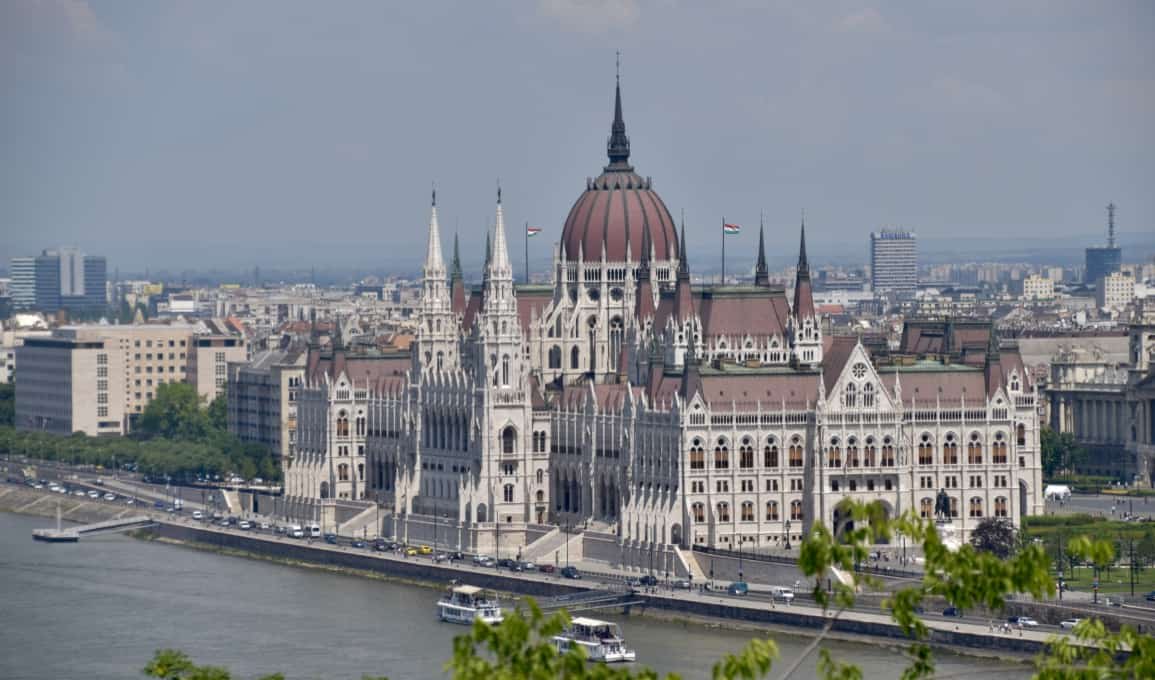
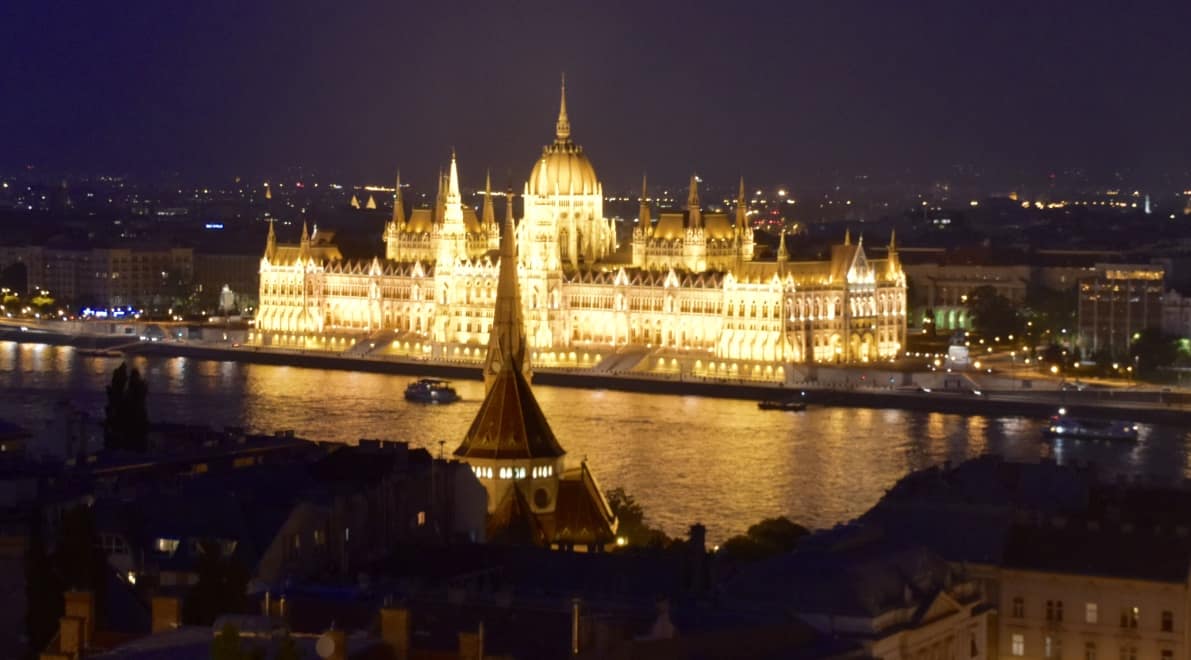
Castle Hill. We caught the bus up to Castle Hill, where the views over the city were magnificent. There was the Parliament building, vast along the river.
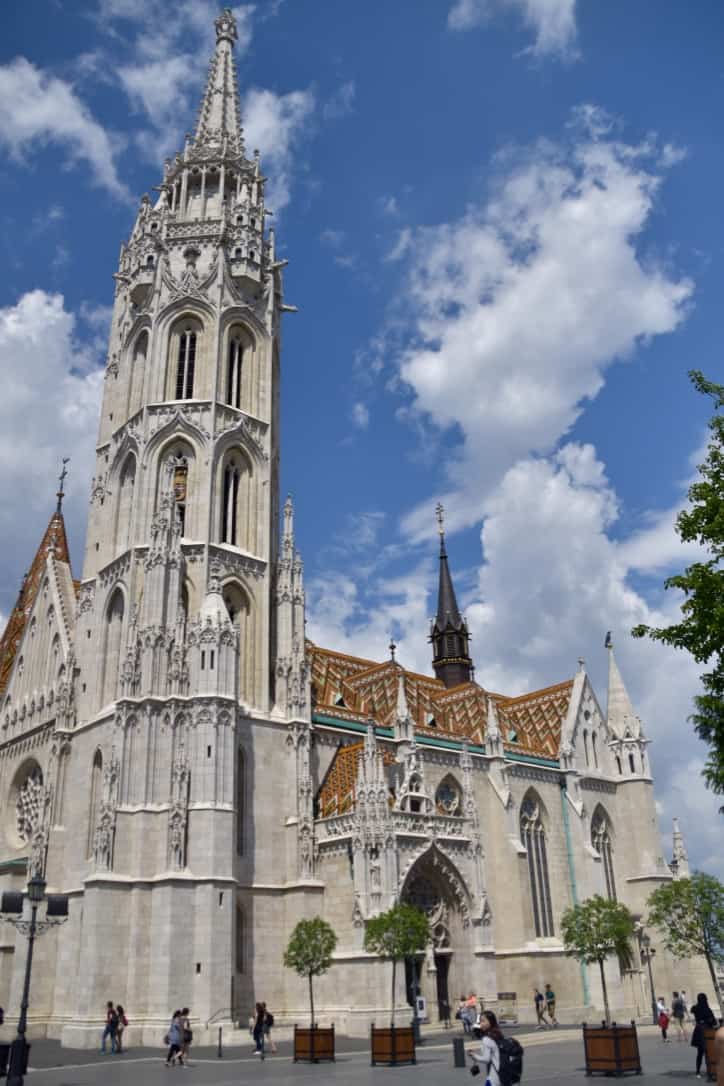
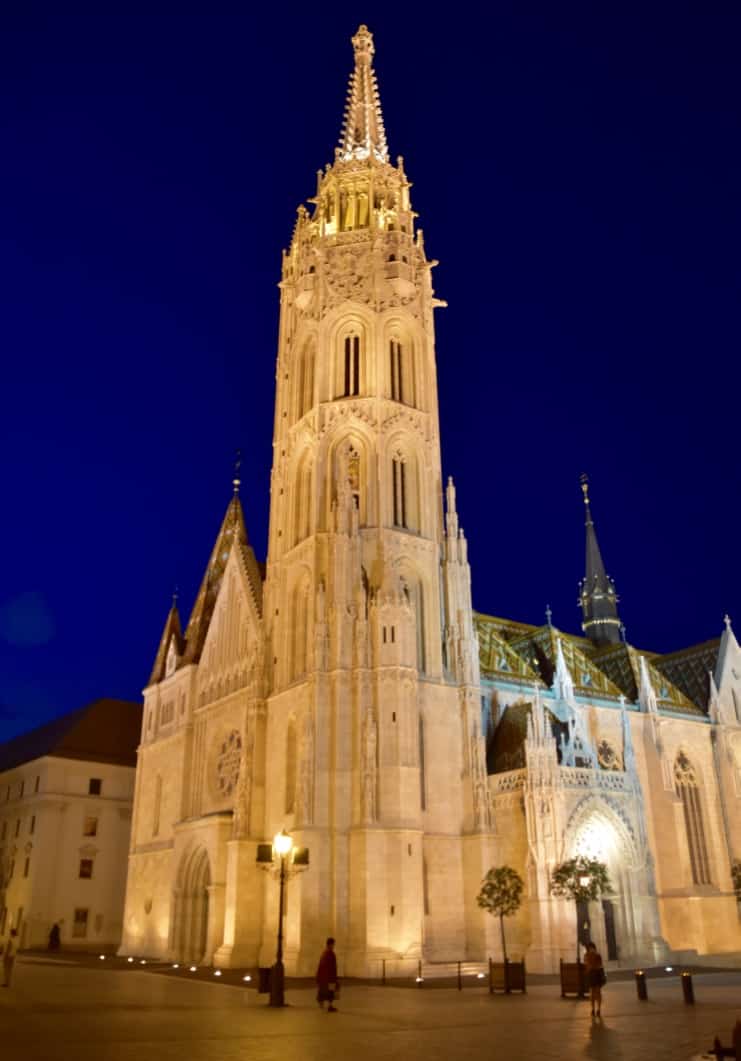
At the top of the hill stands Matthias Church, the Roman Catholic church also called the Church of Our Lady, founded by King Béla IV after the Mongol invaders left Hungary in 1242 and rebuilt many times since.
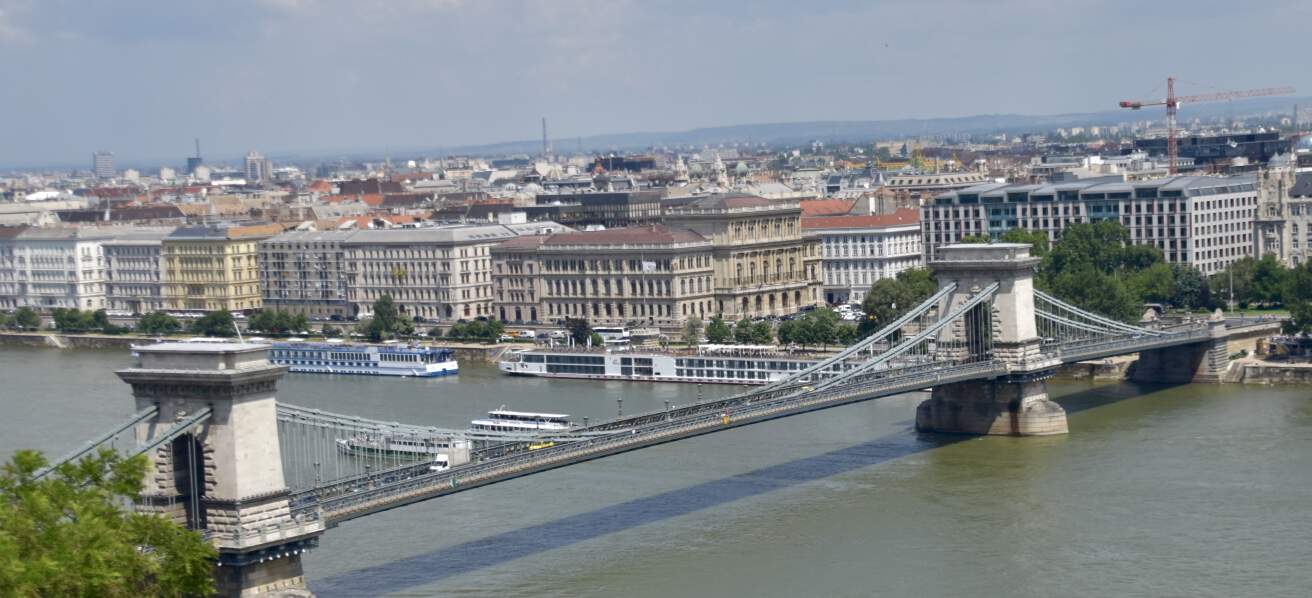
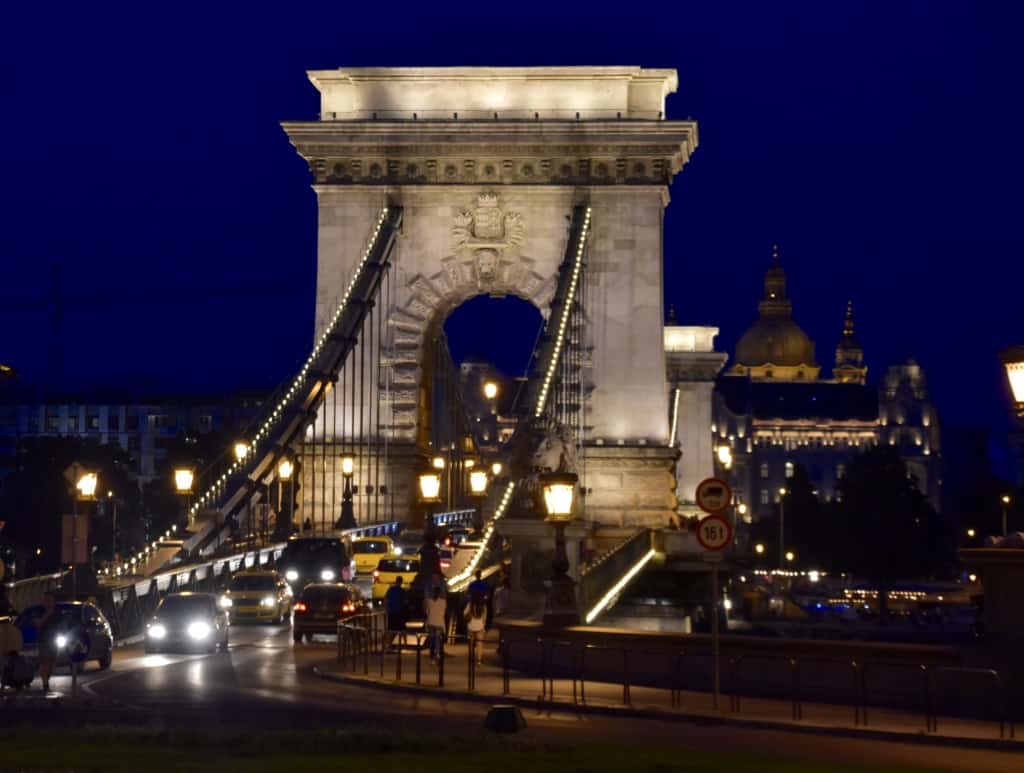
From the hill there were sweeping views back across the river to St. Stephen's and down to the Chain Bridge.
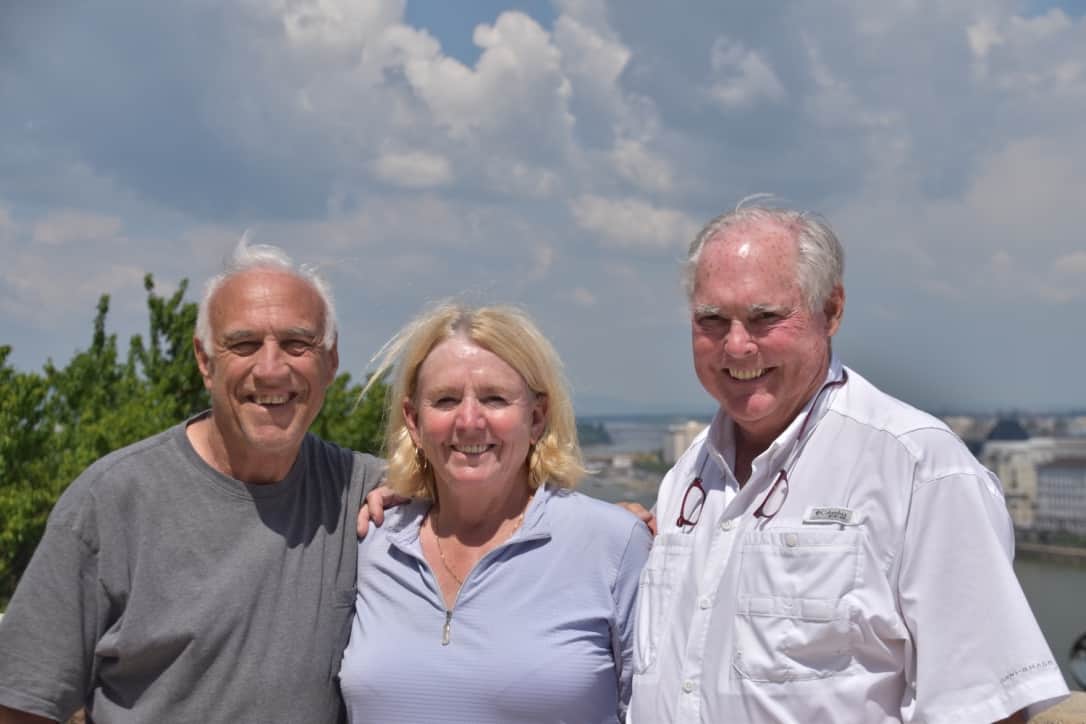
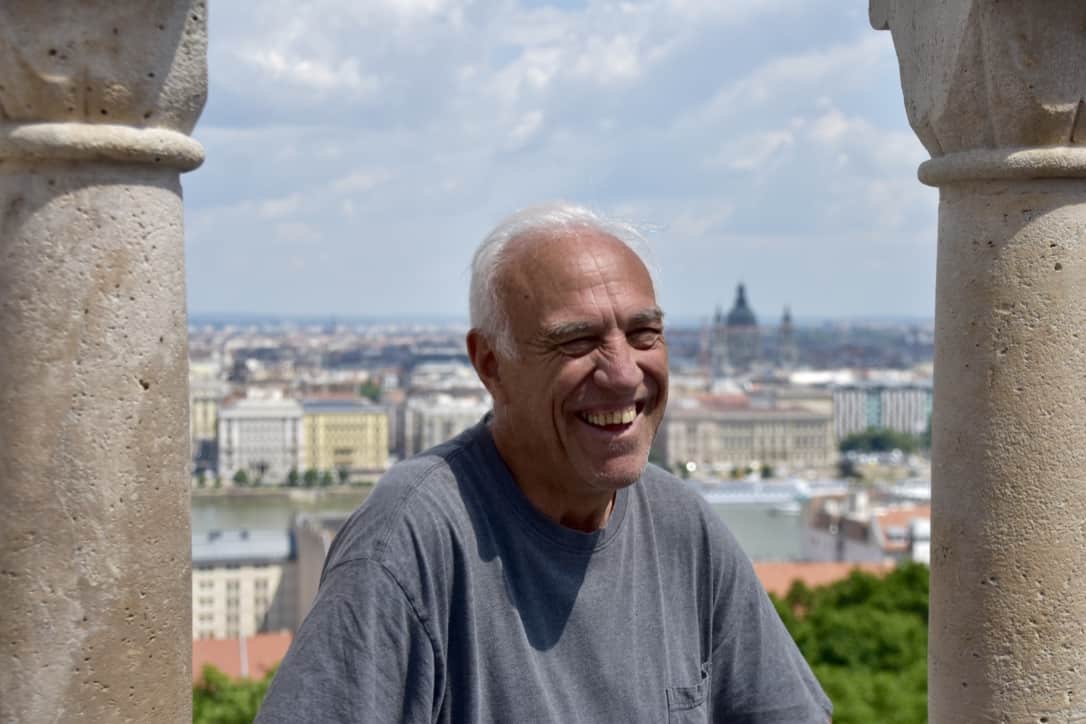
Hal stood with us for a photograph at the summit, the one at the top of this page.
The lights. After cleaning up and a last dinner near Hal's flat, we went back up Castle Hill for the lights, and they did not disappoint.
Goodbye to Hal. None of it, not one square or church or shining bridge, would have been half so good without Hal. He gave us his city for two days and asked nothing back but our company.
We said our goodbyes at the station and went on toward Vienna and Italy, not knowing then how much those two days would come to mean to us. Hal passed away last year. We miss him more than we can say, and we will be grateful to the end of our own days that he gave us Budapest.