Dateline February 9, 2018, Cusco and the Inca World
An Inca introduction. We usually travel on our own or with one other couple, so a group tour was something new. Princess had arranged this part of the trip, the land tour before the cruise, and when we landed in Cusco from Lima they sorted the whole group onto four buses. Ours became our little world for the next few days, and the fun of it was getting to know the others and joking around, our own happy "Mob."
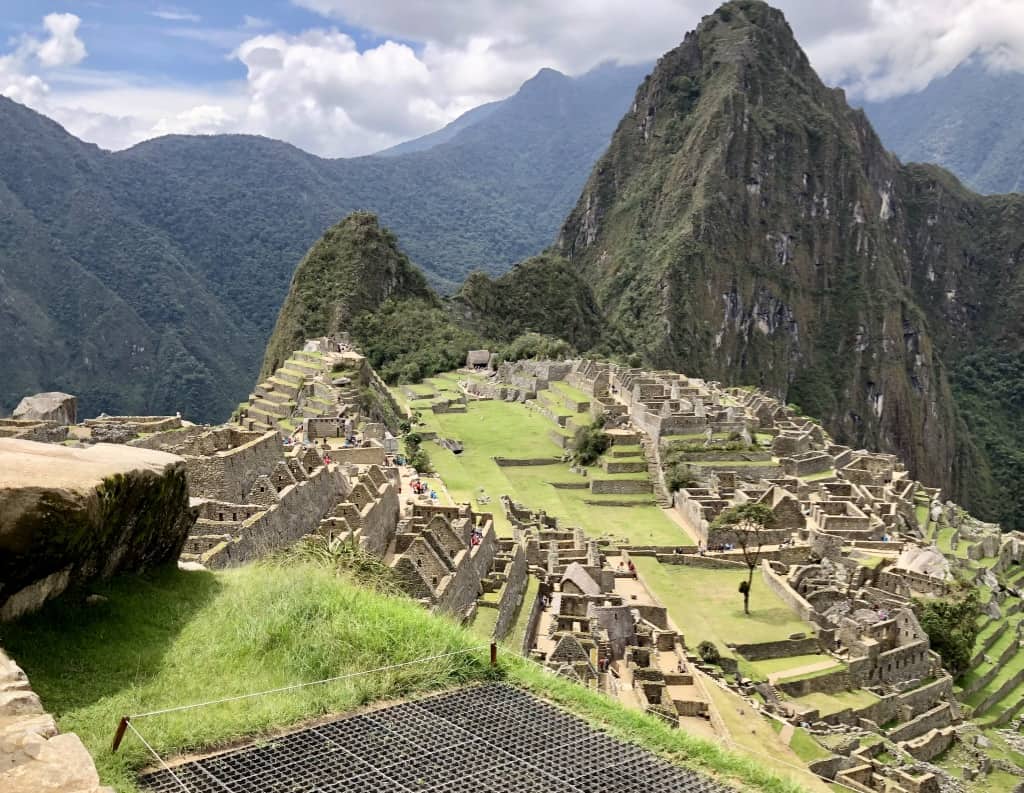
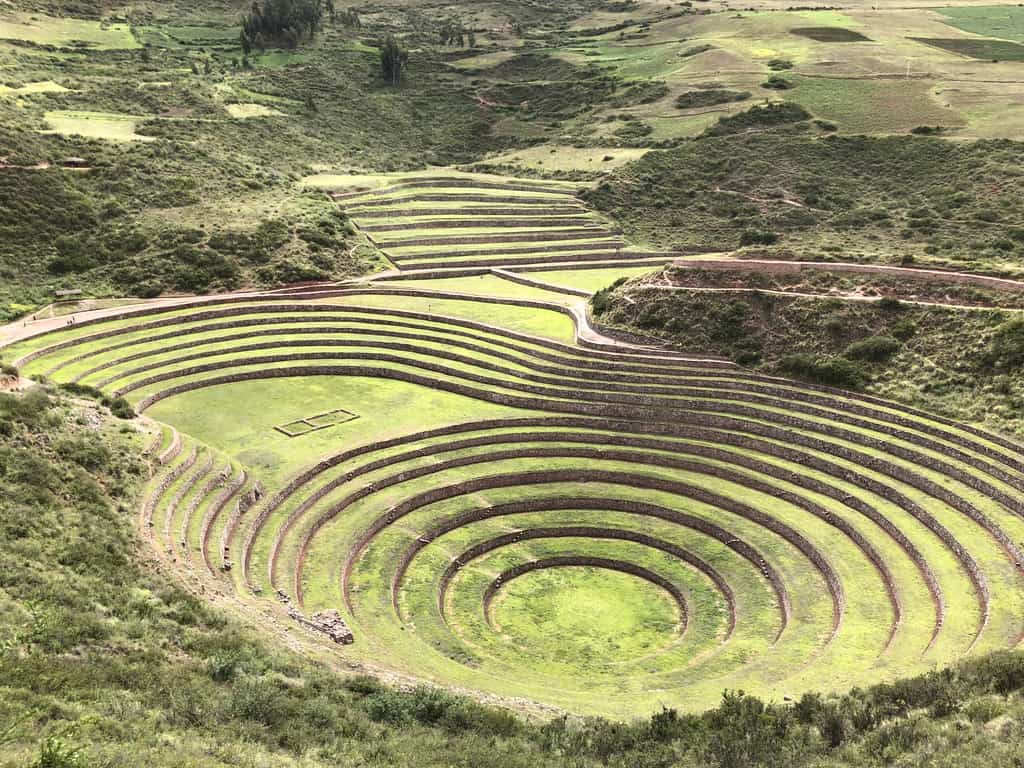
A word on the people we had come to see. The Inca civilization rose in the Andean highlands in the early thirteenth century, and the last of it was not conquered by Spain until 1572. What stays with you is how much they built without the things we think of as basic: no wheeled carts, no horses or oxen to pull a plow, no iron or steel, not even a system of writing. And yet they raised one of the great empires in history, with Cusco at its heart and some fourteen thousand miles of roads and trails running out to every corner, carrying tribute back to the city, corn and beans, cotton and peanuts, dried fish and seashells. The mountainside terraces most of us remember from grade school, the andenes, were their farms, climbing the valley walls, and they are still the most visible mark the Inca left on the land.
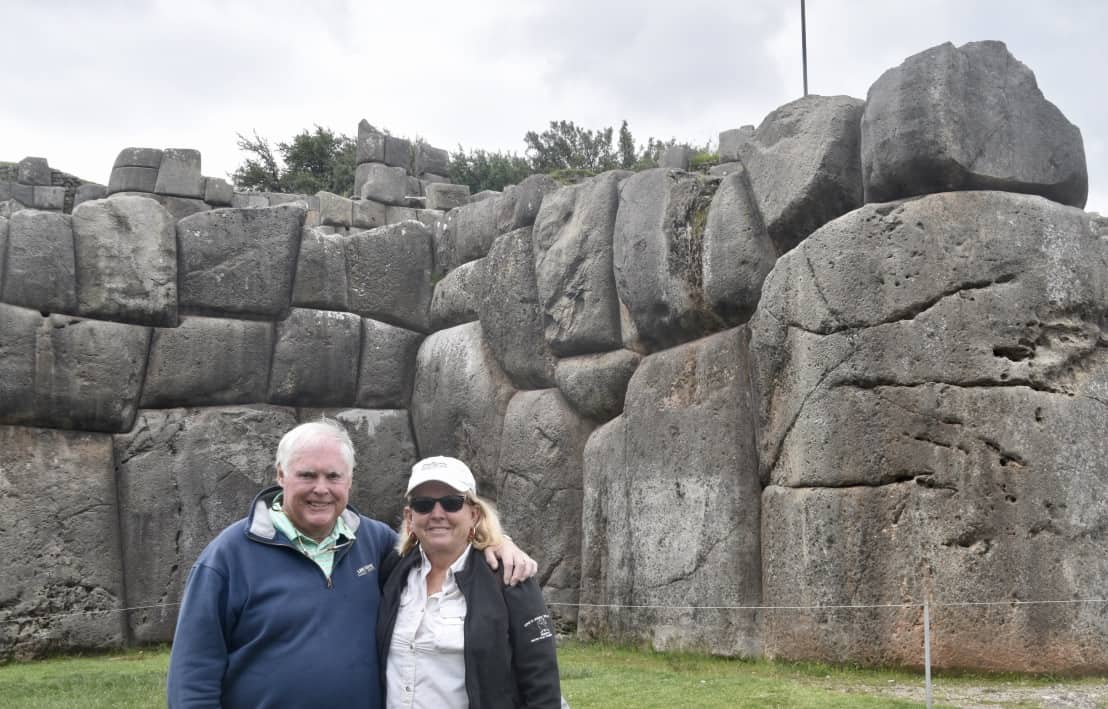
The stonework. The building is the thing you cannot get over. With bronze tools and harder stones for pounding, they shaped enormous blocks rather than cut them, hauled them sometimes for miles on ropes and logs and earthen ramps, and fit them so precisely that no mortar was needed; a finished wall was ground smooth with sand. The bigger the stones, the more important the building. And leaving out the mortar turned out to be wisdom, not just artistry: those joints have ridden out five centuries of earthquakes.
Koricancha. Edgar, our guide, has the Quechua people's gift for this, a love of the land and the old ways carried right alongside a deep Catholic faith, and a way of treating everyone he meets as family. He brought it all to life. We began at Koricancha, the Temple of the Sun, which the Spanish buried by raising the Santo Domingo convent on top of it, hiding the holiest of the Inca temples. In 1950 an earthquake shook the convent enough to reveal the old Inca walls inside, untouched, and the finest Inca stonework anywhere is the curved wall beneath the west end of the church.
The temple had been built around a central fountain, with rooms set aside for the Sun, the Moon, the Stars, the Lightning, and the Rainbow, its great blocks carried from quarries twenty and thirty kilometers off.
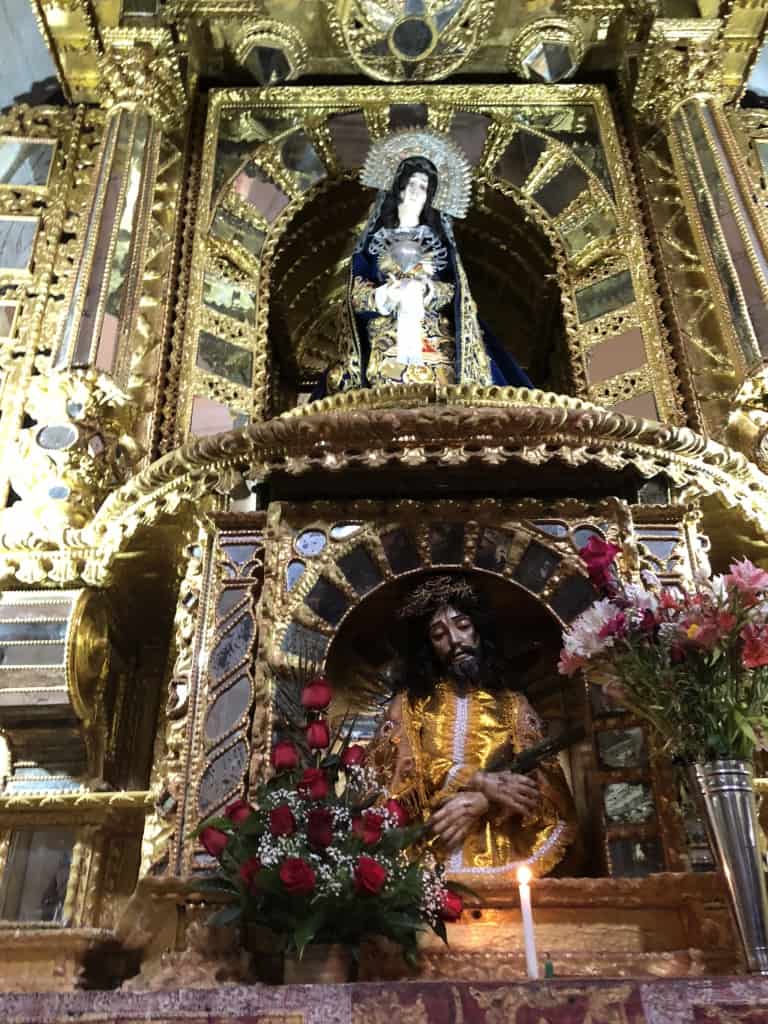
The Cathedral. On the Plaza de Armas stands the Cathedral, begun in 1550 and finished nearly a hundred years later, set squarely on the foundations of an Inca palace. Inside are some four hundred colonial paintings, and the one everyone comes to see is the Last Supper by Marcos Zapata, in which Christ and the apostles sit down to a plate of guinea pig and a glass of chicha, the local corn beer. It was a way, Edgar said, of bringing the new faith into terms the Inca knew. Photographs were not allowed, but we took one without a flash; look closely and you will find Mary shown pregnant, and in Judas's place the face of the conqueror, Pizarro.
Sacsayhuaman. Then up to Sacsayhuaman, which sounds, the way the guides like to tell you, a good deal like "sexy woman." It is a great fortress and temple complex on a rocky height above Cusco, built between 1438 and 1471, its huge walls fitted in zigzags and sloped just so to shrug off earthquakes. Five hundred years on, they have barely moved.
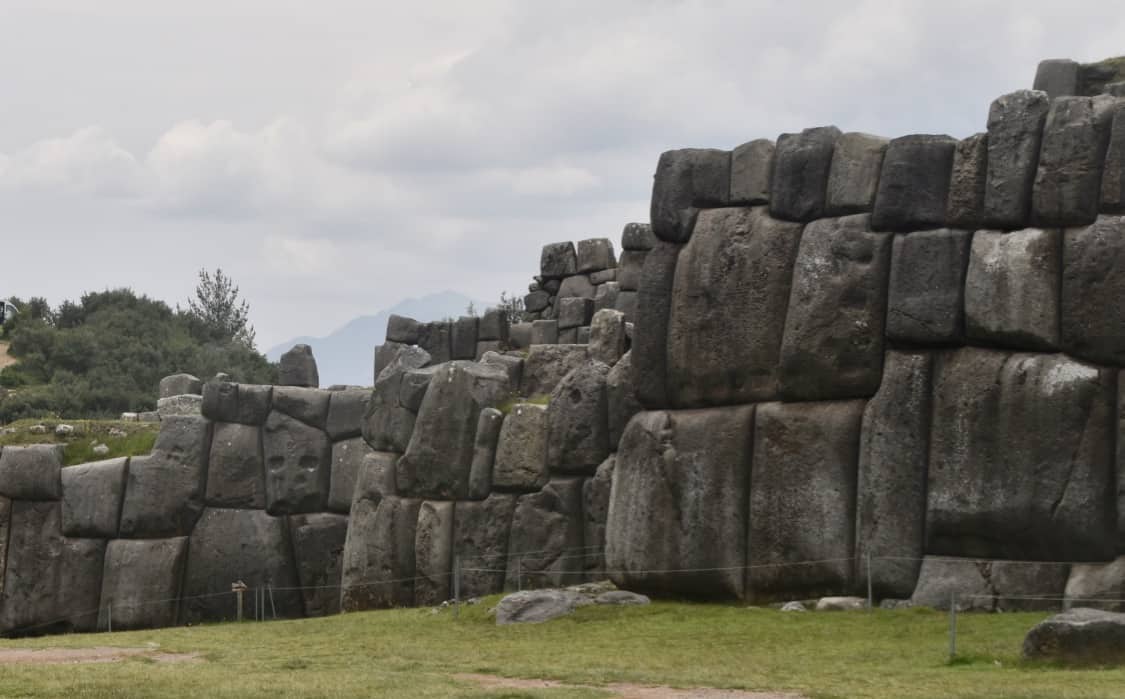
It was the largest thing the Inca built, with room for a thousand warriors, a temple to the sun god Inti, and great storehouses of arms, food, fine textiles, and precious metals.
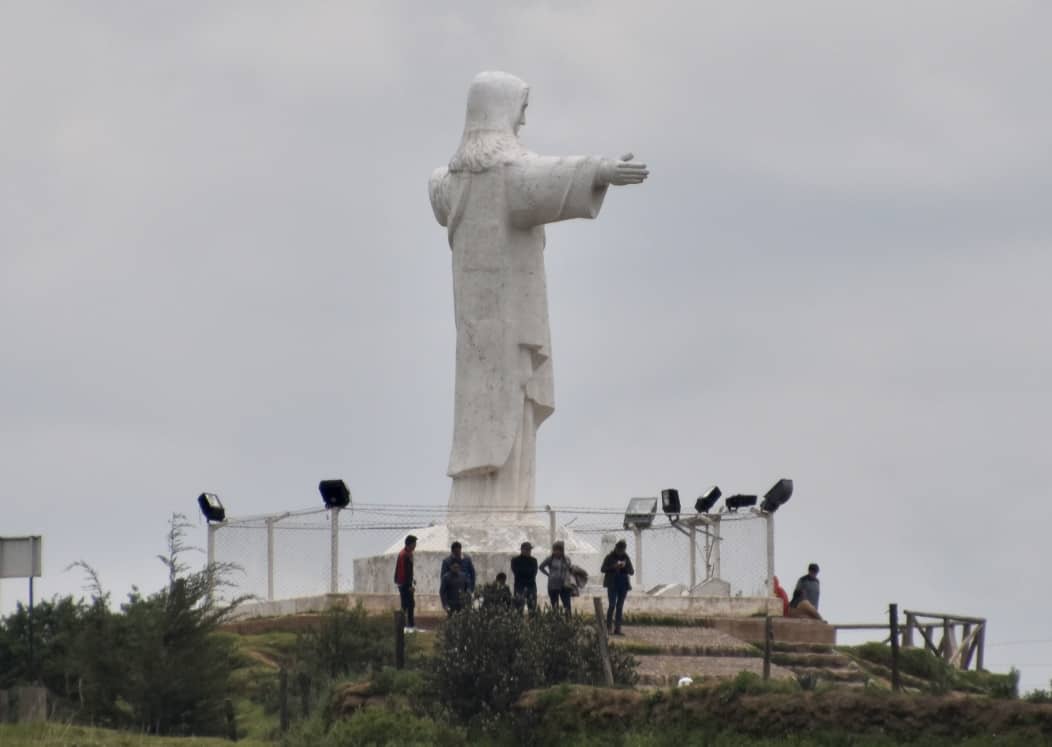
On the hillside above stands a white statue of Christ, the Cristo Blanco, and it has a more recent story. It was a gift to Cusco in 1945 from a community of Palestinian Christians who had settled in the city, given in thanks to the place that had taken them in.
Pisac Market. Our last stop was the market at Pisac, an Andean village where the locals sell to visitors. We were taken with a silver shop where they make their own jewelry, ninety-five percent silver with a little copper so it holds its shape. But the children stole the day, dressed in old native clothes, many of them carrying baby llamas, posing for a photo and a dollar with a singsong "cheesie, cheesie, dollar, dollar."
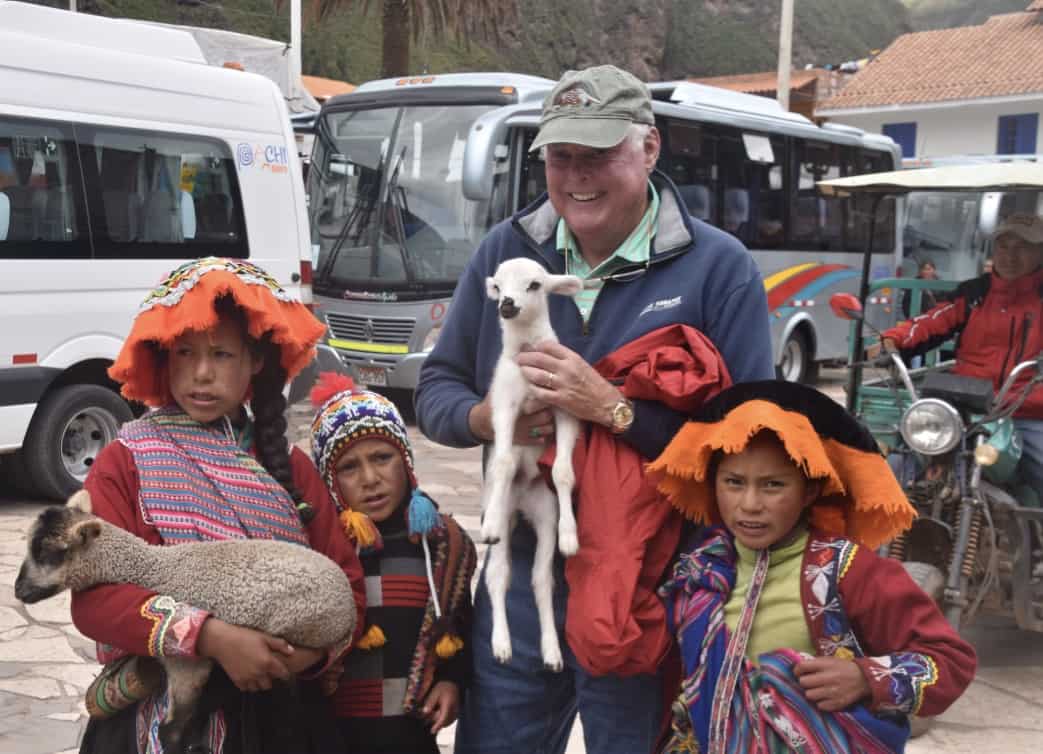
John, naturally, wanted to tuck a llama under his arm and carry it home for the grandchildren. Once the children had their tips they carried the money over to a woman in a doorway, plainly the leader of the pack. From there we drove to our hotel in Urubamba and a good night's rest, with the rest of the valley waiting in the morning.