Dateline February 10, 2018, Into the Sacred Valley
The valley. In the morning we set out into the Sacred Valley proper, the long green corridor the Urubamba River cuts through the Andes from Pisac in the east some sixty-two miles down to Machu Picchu. The Inca held this river sacred, seeing in it the earthly twin of the Milky Way overhead, which they called Mayu, a great river of the heavens; they read the stars for their calendar and counted themselves children of the sun god, Inti. The valley floor sits high, near ten thousand feet at Pisac, with peaks on either hand rising to nineteen thousand and more, and the Urubamba runs on to join other rivers and become, in time, the headwaters of the Amazon.
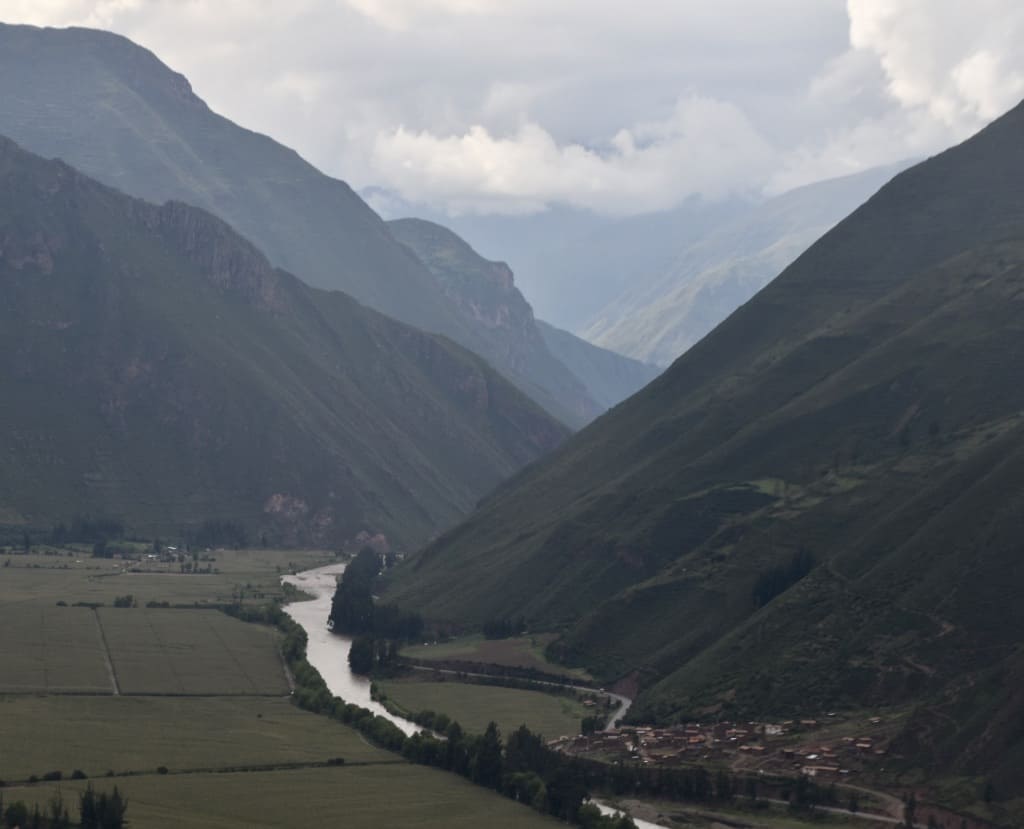
Ollantaytambo. Our first stop was the town of Ollantaytambo, at the valley's western end, and the finest surviving example of an Inca town, laid out all at once for farming, for living, for worship, and for war. It also gave us our first real climb. We were not as high as Cusco, around nine thousand feet against eleven, but it was high enough to take our breath, and we went up the terraces a few at a time, stopping often, until we reached the top.
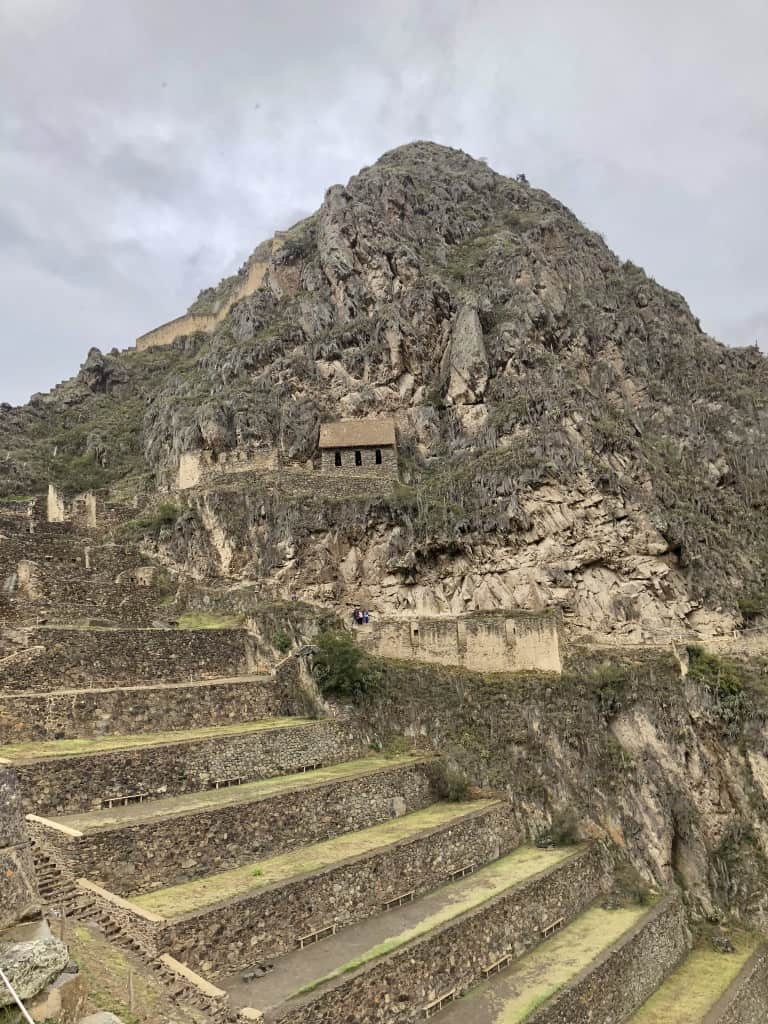
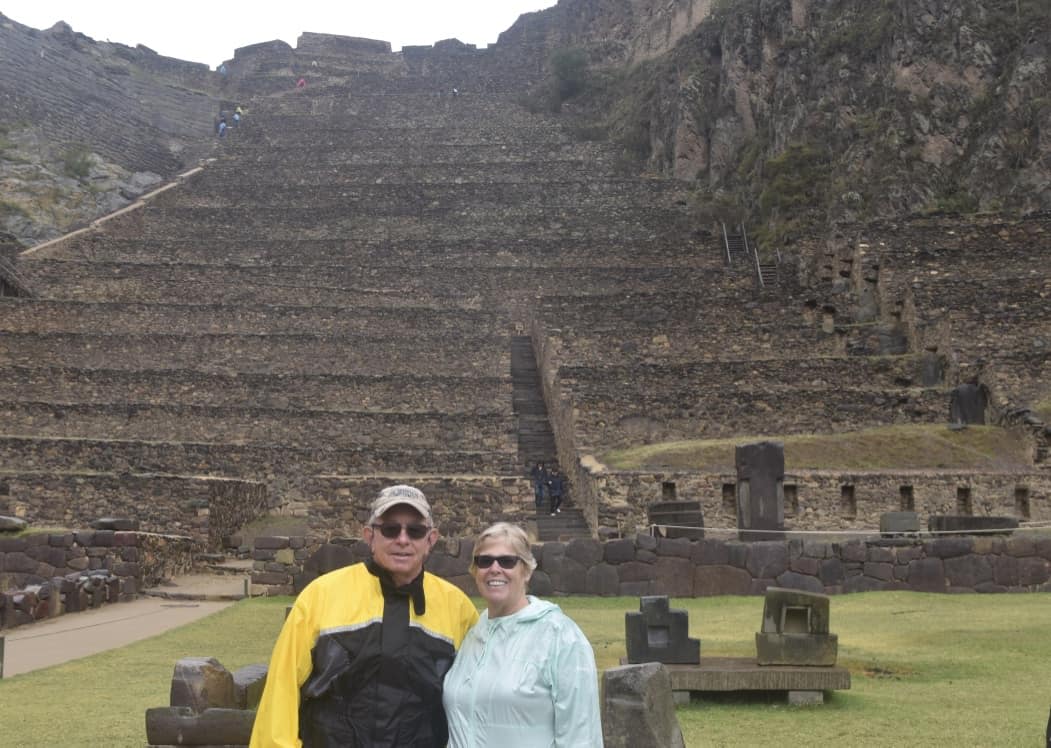
Up there sat Tamboqasa and the beginnings of a Sun Temple, with the trails still visible where the great stones had been dragged across from the quarries. It is thought the temple was never finished before the Spanish took the town, and across the hillside you can pick out the ruins of storehouses and military works. We said goodbye to the place with a long look back up to the temple, Steve and Marilyn in the frame.
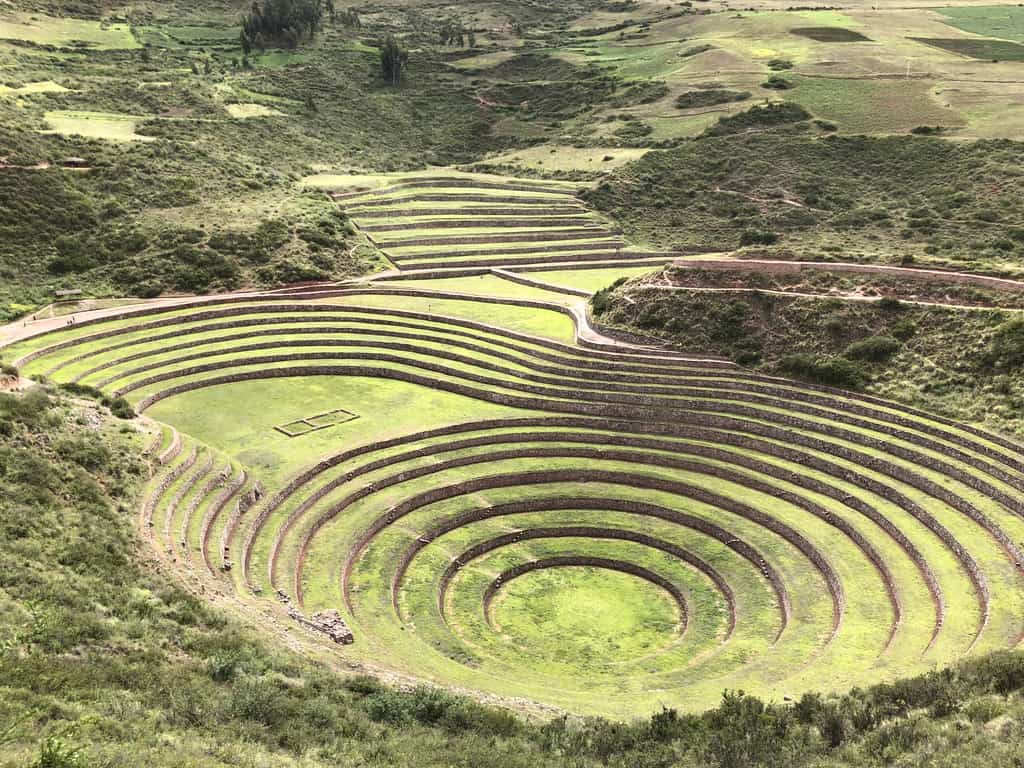
Moray. Next was Moray, which Edgar called the Inca's crop laboratory. Its terraces are dug in great circles, each ring a slightly different climate, warmer or cooler, wetter or drier, so the Inca could learn what would grow where; the more than a hundred kinds of potato grown in Peru today are thought to trace back to work done in places like this. The terracing did double duty, too, holding the mountainsides against the mudslides that come with the rains.
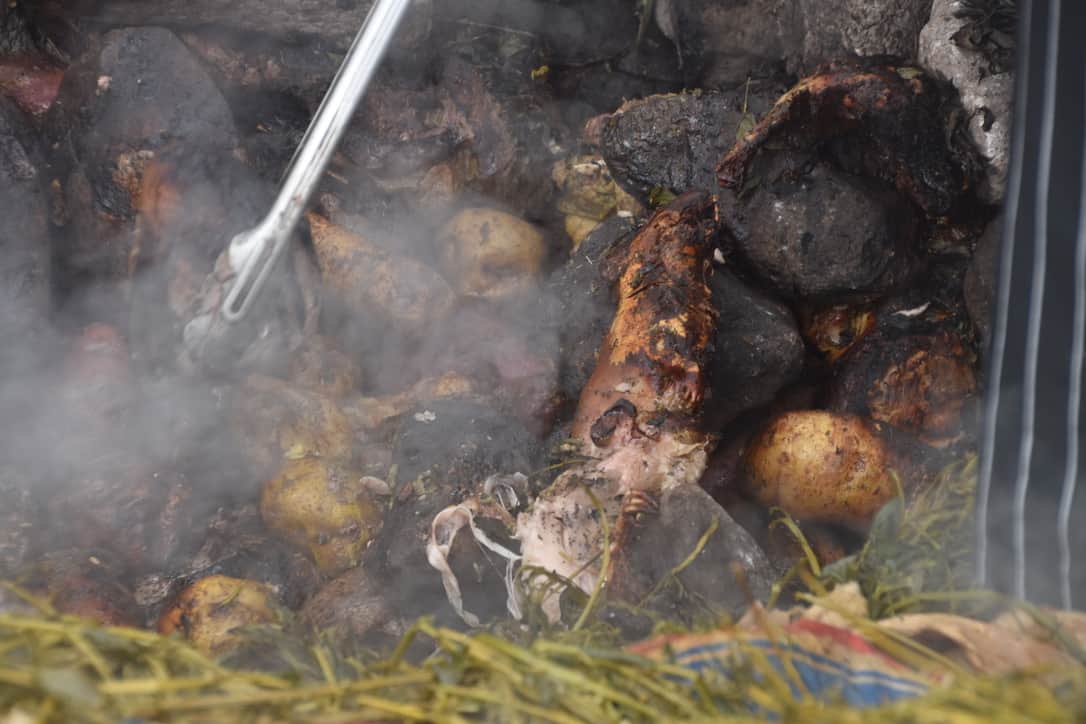
Then lunch, and a proper Peruvian one, the meat and vegetables cooked in the ground over heated stones. We watched them dig it all back up, and we tried the dish the locals prize most: guinea pig. Yes, the very creature that ran on a wheel in a cage back home, though these are raised for the table, bigger than the pets, and dear enough that they are saved for special occasions. There is not much meat on the little bones, but we will tell you honestly, it tasted very good. A short bit of horseback riding rounded out the afternoon.
Chinchero. Our last call was the village of Chinchero, where the women make blankets and scarves by hand and showed us how it is done, from spinning the thread to brewing the dyes. Every color comes from something growing nearby, a berry, a flower, a leaf; they dip the alpaca wool in and out of the pots and the colors come up bright and clean.
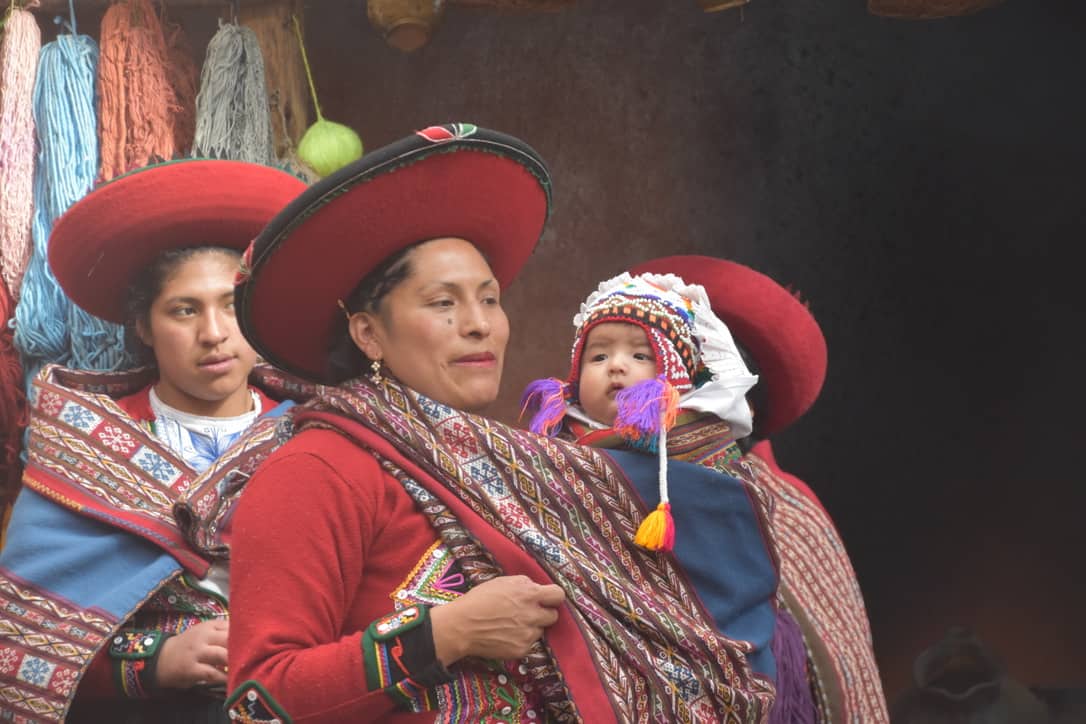
The woman in charge showed us how a finished blanket is used to carry a baby on the back, hers riding along as she worked. This has been passed down for generations, but Edgar told us that the way things are going, he is not sure the handwork will still be here in twenty years. We hope he is wrong.
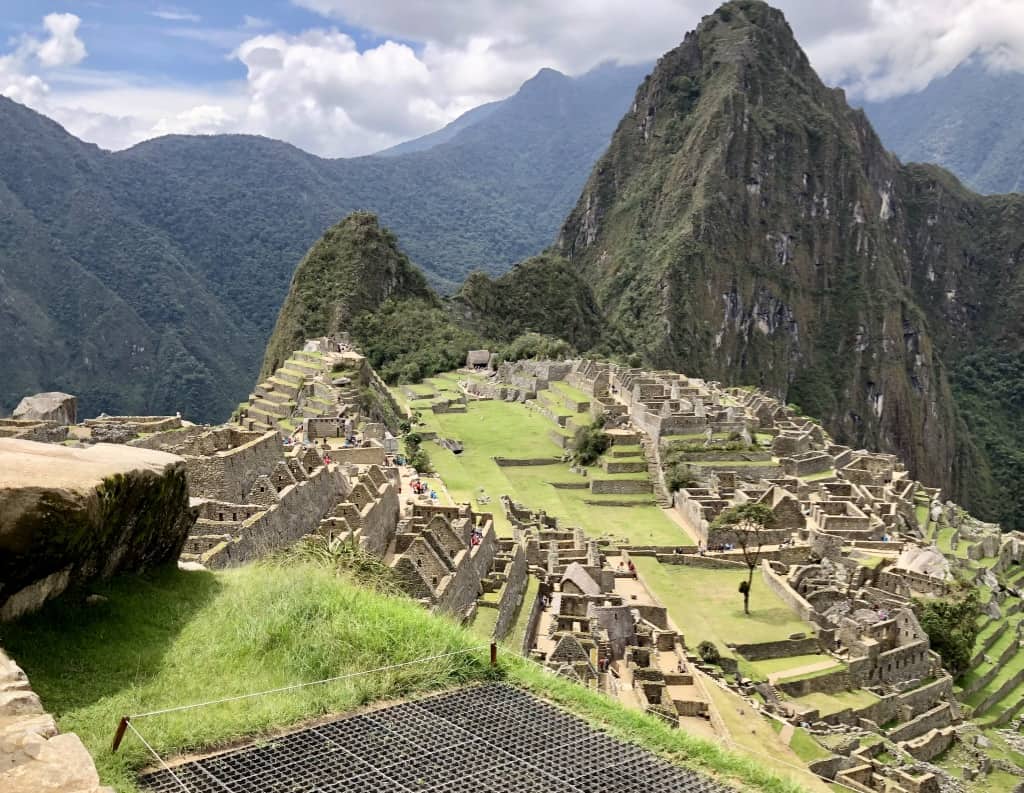
We headed back to the hotel, and in the morning we would ride the rails to Machu Picchu.
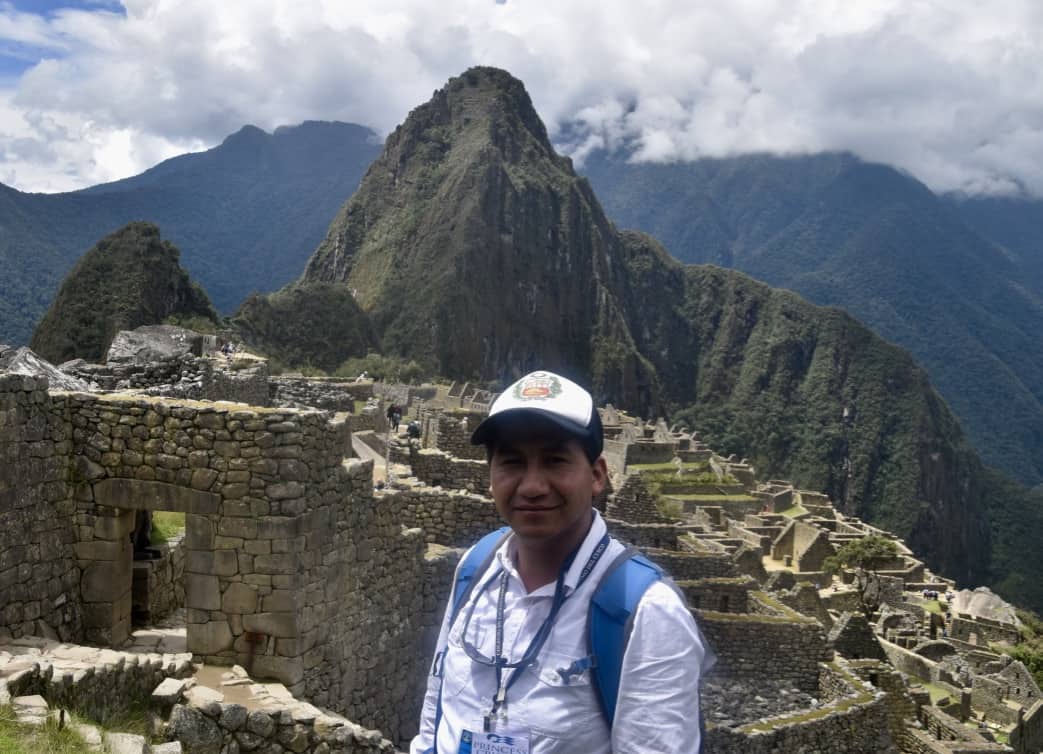
Edgar. A word about the man who gave us all of this. Edgar Rivas, of Lima Tours, was our guide for three days, through the Sacred Valley, Cusco, and Machu Picchu, and his passion for the Inca and his eye for the small details brought the whole of it alive. Edgar, thank you, you made it perfect.